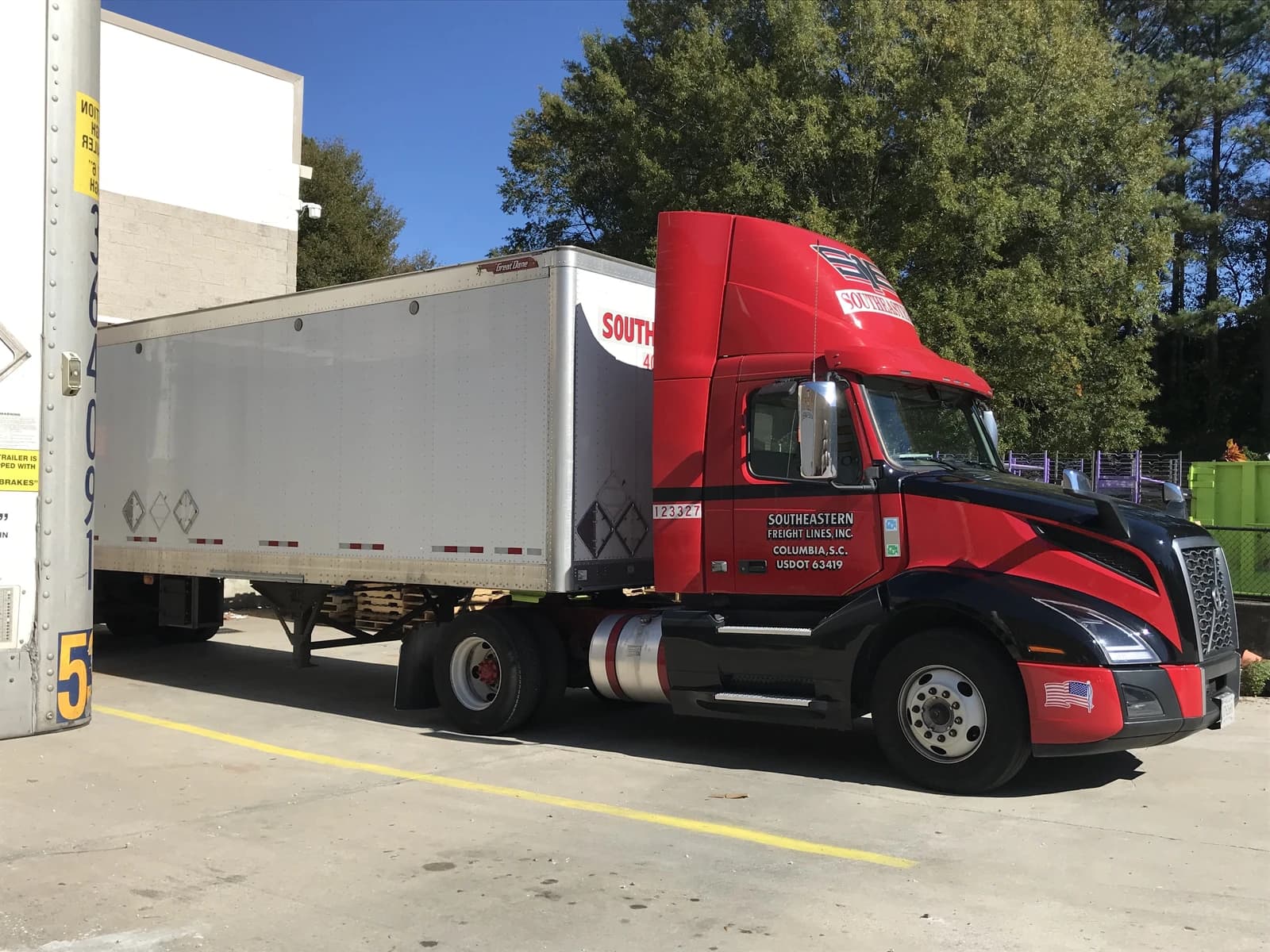
Chile’s government says the National Statistics Institute will overhaul the transport cost index used to price freight contracts, moving to annual weight updates and faster publication after volatile diesel prices made the current methodology less representative of trucking costs.
Chile updates transport cost index methodology

The change matters because the Índice de Costos del Transporte is a key benchmark in a sector where fuel is often the biggest expense and tariff negotiations are tightly tied to official cost readings. When diesel swings sharply, a five-year review cycle can leave carriers and shippers using a lagging measure to set rates, creating pressure on margins, cash flow and contract renewal terms.
Sentiment IndicatorsⓘProprietary · adalytica.com · September 4, 2026
This is a snapshot — live sentiment, awareness and momentum for 130+ markets update continuously in the dashboard.Open AlphaPulse
Subsecretary of Economy Karlfranz Koehler said the update is designed to make the index reflect changes in the cost structure “with greater opportunity,” especially after a run of fuel volatility linked to geopolitical shocks. The government also said the INE will bring forward the index release to two business days after consumer inflation data, compared with about 10 days previously, giving the market a quicker read on transport costs.
The revamped methodology will be more dynamic. Component weights — including fuels, labor, services, spare parts and maintenance — will be refreshed every year starting with the first publication for 2027 on Feb. 10, while the basket of 60 products will be reviewed every two years to capture new technologies, changes in truck fleets and shifts in the parts market.
For investors, the update is relevant beyond Chile’s trucking industry. Freight costs feed into broader inflation and business pricing, so a more responsive transport index can sharpen expectations for cost pass-through in logistics, retail and industrial supply chains. It also reduces the risk that companies and unions are anchoring negotiations to an outdated benchmark during periods of rapid diesel moves.
The government framed the reform as a response to complaints from trucking and transport groups, while preserving transparency and comparability in the official statistics. The modernized “ICT calculator” will also allow companies to compare their own cost structure with the industry average, potentially widening the gap between firms with efficient fleets and those more exposed to fuel and repair inflation.
With diesel prices still a live variable, the focus now shifts to whether the INE can deliver a benchmark that tracks the market fast enough to matter for freight rates, inflation pass-through and transport-sector earnings.
| Entity | Gains | Losses |
|---|---|---|
| Trucking firms with high fuel exposure | ▲Faster tariff resets | ▼Outdated cost benchmarks |
| Shippers and freight buyers | ▲Better cost visibility | ▼Less room to lock in lagging rates |
| INE / Government | ▲More credible statistics | ▼Criticism over slow methodology |
| Efficient carriers | ▲Clearer comparison vs peers | ▼Higher-cost operators |