Fuel prices have dropped sharply, with gasoline down more than 18% and diesel off 17%, and that should translate into noticeably lower costs at the pump on Thursday.
Gasoline and diesel prices drop as WTI holds firm
That matters because fuel is one of the fastest-moving inputs in the economy. When gasoline and diesel retreat this much, the relief ripples beyond drivers: transportation costs ease for shippers, delivery fleets and airlines, and that can help cool inflation prints that still lean heavily on energy. The drop also arrives against a backdrop of crude volatility, making it a meaningful near-term offset for consumers even if oil markets remain unsettled.
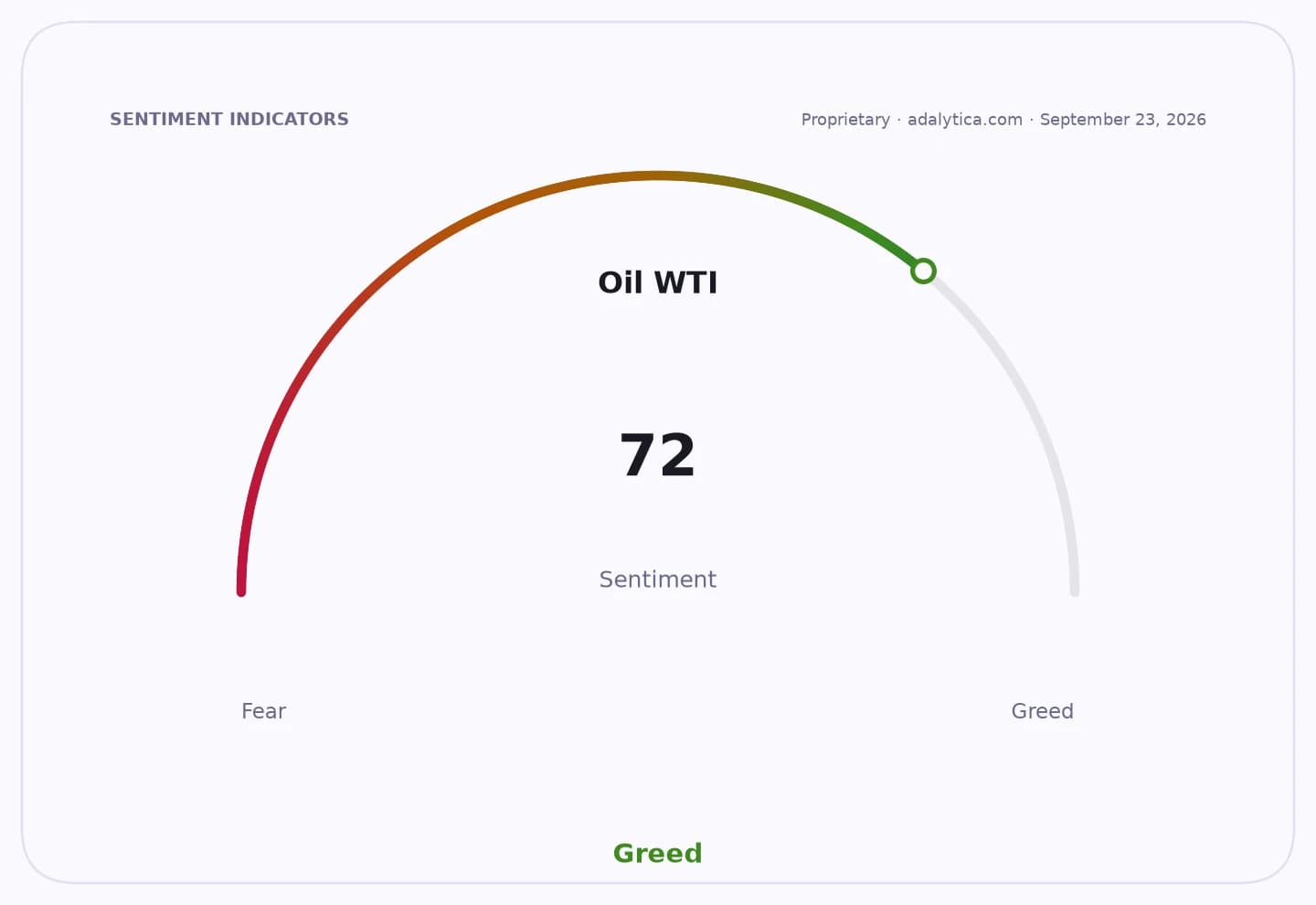
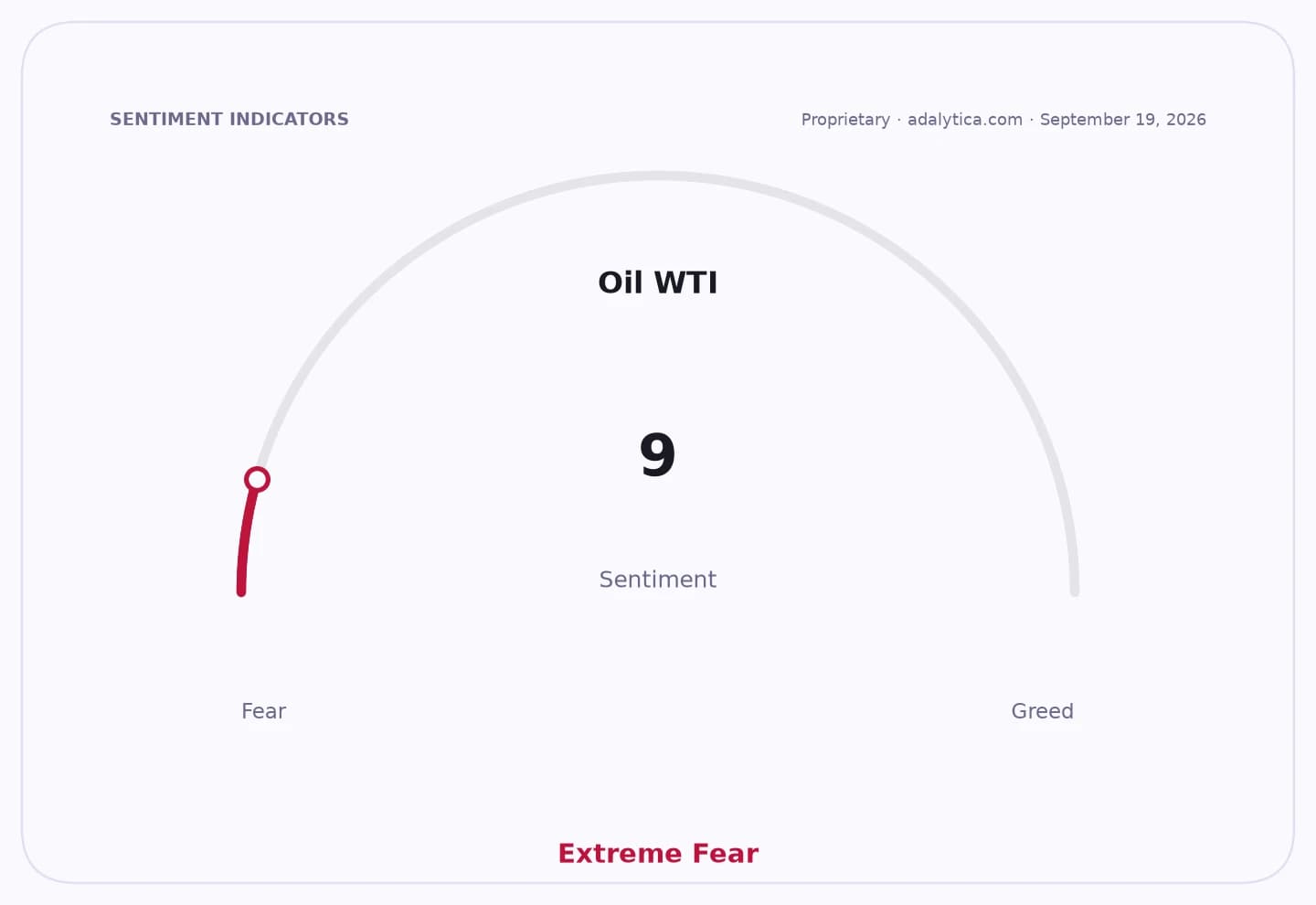
Sentiment IndicatorsⓘProprietary · adalytica.com · August 22, 2026
This is a snapshot — live sentiment, awareness and momentum for 130+ markets update continuously in the dashboard.Open AlphaPulse
The benchmark for U.S. crude, West Texas Intermediate, is forecast at $86.737 a barrel for Aug. 19, up 0.3% on the day, underscoring that the gasoline and diesel decline is not simply a story of collapsing oil prices. Instead, it reflects the way retail fuel pricing and refining spreads can move independently of the headline crude tape, especially when inventories, regional supply and product demand shift faster than the broader market.
For investors, the implication is two-sided. Lower pump prices are a tailwind for consumer spending and a modest headwind for inflation-sensitive assets that have priced in sticky energy costs. At the same time, the move pressures refiners and fuel distributors that have benefited from wide margins. The recent earnings strength reported by major refiners had already been tied to strong downstream margins; a faster pullback in product prices could narrow that advantage if it persists.
Transport names also sit in the crosscurrents. Companies with large diesel exposure, including parcel carriers and truckers, should see some relief in operating costs, while businesses that collect fuel surcharges may face some lag before pricing resets lower. That makes the next few weeks important: if crude stays firm but gasoline and diesel continue easing, markets may start to view the move less as a temporary dip and more as a sign that product markets are loosening.
The broader narrative is simple: energy has not stopped being volatile, but consumer fuel relief is arriving just as investors are still debating inflation, margins and demand. If Thursday’s pump prices follow through lower, that is a small but meaningful win for households — and a reminder that the most investable trades in energy are often found in the second-order effects, not the headline barrel.
| Entity | Gains | Losses |
|---|---|---|
| Drivers/households | ▲Lower pump bills | ▼Less incentive for fuel hedges |
| Shippers/truckers | ▲Lower diesel costs | ▼Fuel-surcharge revenue pressure |
| Refiners | ▲Stronger only if margins hold | ▼Narrower product spreads |
| Consumer stocks | ▲Better spending power | ▼None directly |