China has approved eight new nuclear reactor blocks, a further step in a build-out that is reshaping power markets, tightening the outlook for uranium and reinforcing Beijing’s push to cut emissions while reducing dependence on imported energy.
China approves 8 new nuclear reactor blocks
The decision matters because it converts China’s long-term nuclear ambition into near-term industrial demand. Eight additional reactors represent billions of dollars in capital spending, years of engineering work and a more durable source of demand for uranium fuel, heavy equipment and reactor services. It also underlines how nuclear power is moving from a niche low-carbon option to a strategic pillar in the world’s largest electricity market.
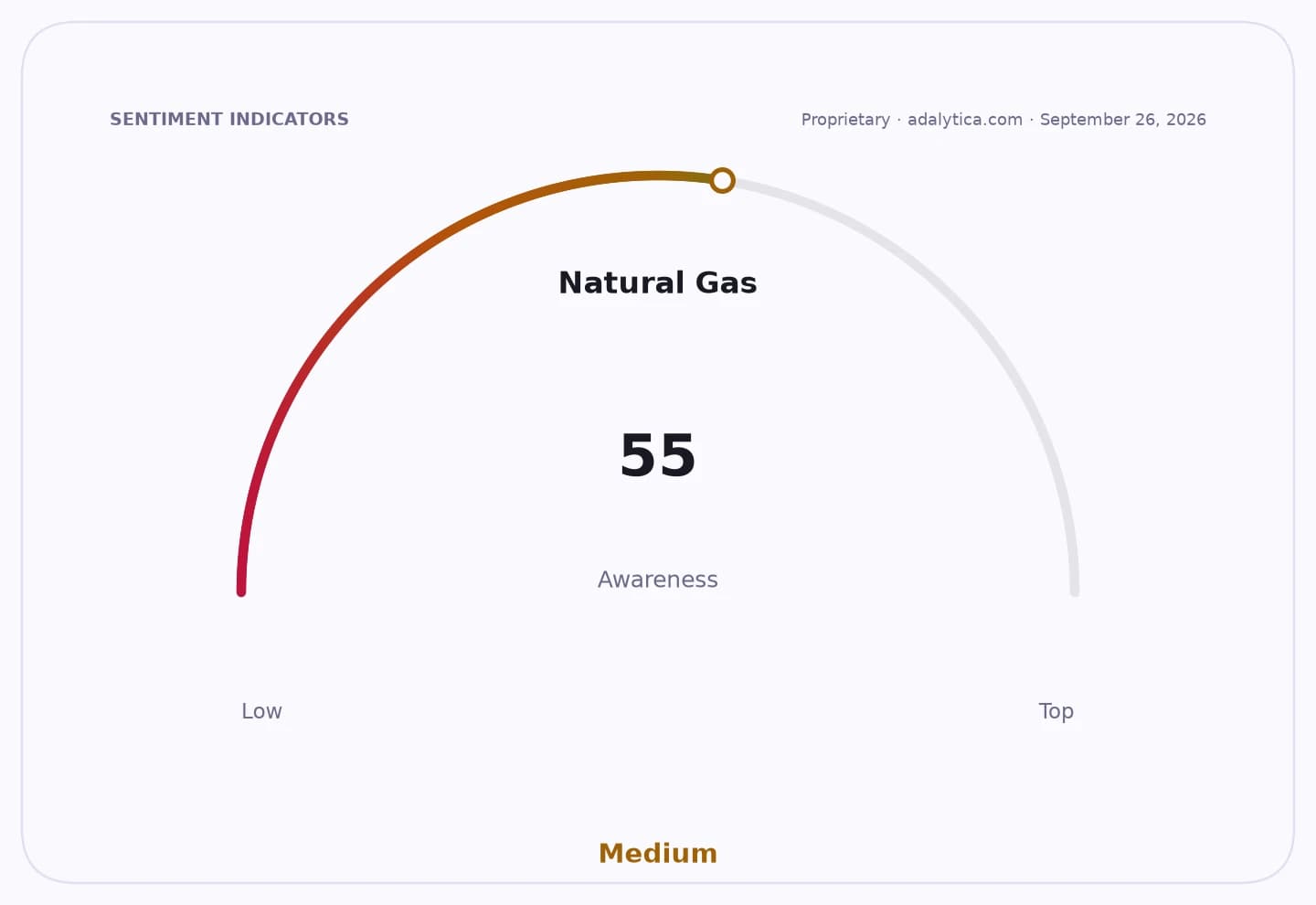
Sentiment IndicatorsⓘProprietary · adalytica.com · July 31, 2026
This is a snapshot — live sentiment, awareness and momentum for 130+ markets update continuously in the dashboard.Open AlphaPulse
The approvals come as China faces rising power demand from industry, data centers and electrification, while still trying to curb coal use and manage energy security risks. Nuclear is attractive on all three fronts: it delivers baseload electricity, lowers carbon intensity and relies on a fuel stock that can be stockpiled rather than burned continuously like coal or gas. For Beijing, the latest green light also advances technological self-reliance, with most of the new units expected to use the domestically developed Hualong One design.
For investors, the immediate readthrough is clearer demand visibility for the nuclear value chain. Uranium miners such as Uranium Energy Corp and Cameco have already been trading on expectations of a tightening market, while reactor and nuclear-services names benefit from the long lead times and recurring fuel demand that come with a larger global fleet. The sector has also been supported by policy momentum in the US and Europe, but China’s pace is especially important because it is the single biggest incremental source of new nuclear capacity.
That backdrop helps explain the recent volatility in uranium equities. Cameco’s shares have swung sharply lower from recent highs, while Uranium Energy has also retreated after a powerful run earlier in the year, suggesting the market is still sensitive to whether policy enthusiasm turns into sustained reactor construction and fuel purchasing. By contrast, the long-term case for uranium remains tied to a widening supply-demand gap if reactor additions continue and mine supply stays constrained.
The oil market and broader rates backdrop matter as well. Crude around the high-$80s a barrel and a 10-year US Treasury yield near 4.7% keep the cost of energy capital and financing relevant for all major power projects. Nuclear’s appeal is that once built, it offers relatively stable operating costs, though the upfront financing burden remains heavy and can pressure returns if construction slips. That is why reactor approvals tend to be read not just as an industrial policy signal, but as a wager on China’s ability to execute large infrastructure projects efficiently.
Adalytica’s China growth sentiment has remained firm, while its global stability gauge has pointed to high risk appetite, a combination that is consistent with investors favoring long-duration energy infrastructure themes. But the market is not assuming a straight line higher: the yuan signals remain weak, a reminder that imported fuel and capital-intensive projects can still be vulnerable to currency and funding stress.
The bullish case is straightforward: China’s approval adds to a global wave of nuclear restarts and expansions, supports higher uranium demand and strengthens the investment case for miners, enrichment suppliers and equipment makers. The bearish view is that reactor approvals do not equal fast completion, and delays, cost overruns or policy shifts could blunt the impact on fuel demand and earnings. For now, the key takeaway is that Beijing is accelerating one of the most important structural growth stories in energy, and the market will watch whether those eight blocks become a template for more.
| Entity | Gains | Losses |
|---|---|---|
| China nuclear builders | ▲More project awards | ▼Higher execution risk |
| Uranium miners | ▲Stronger long-term demand | ▼Near-term price volatility |
| Coal and gas generators | ▲— | ▼Less structural demand growth |
| Reactor equipment suppliers | ▲Bigger order book | ▼Financing and delay risk |