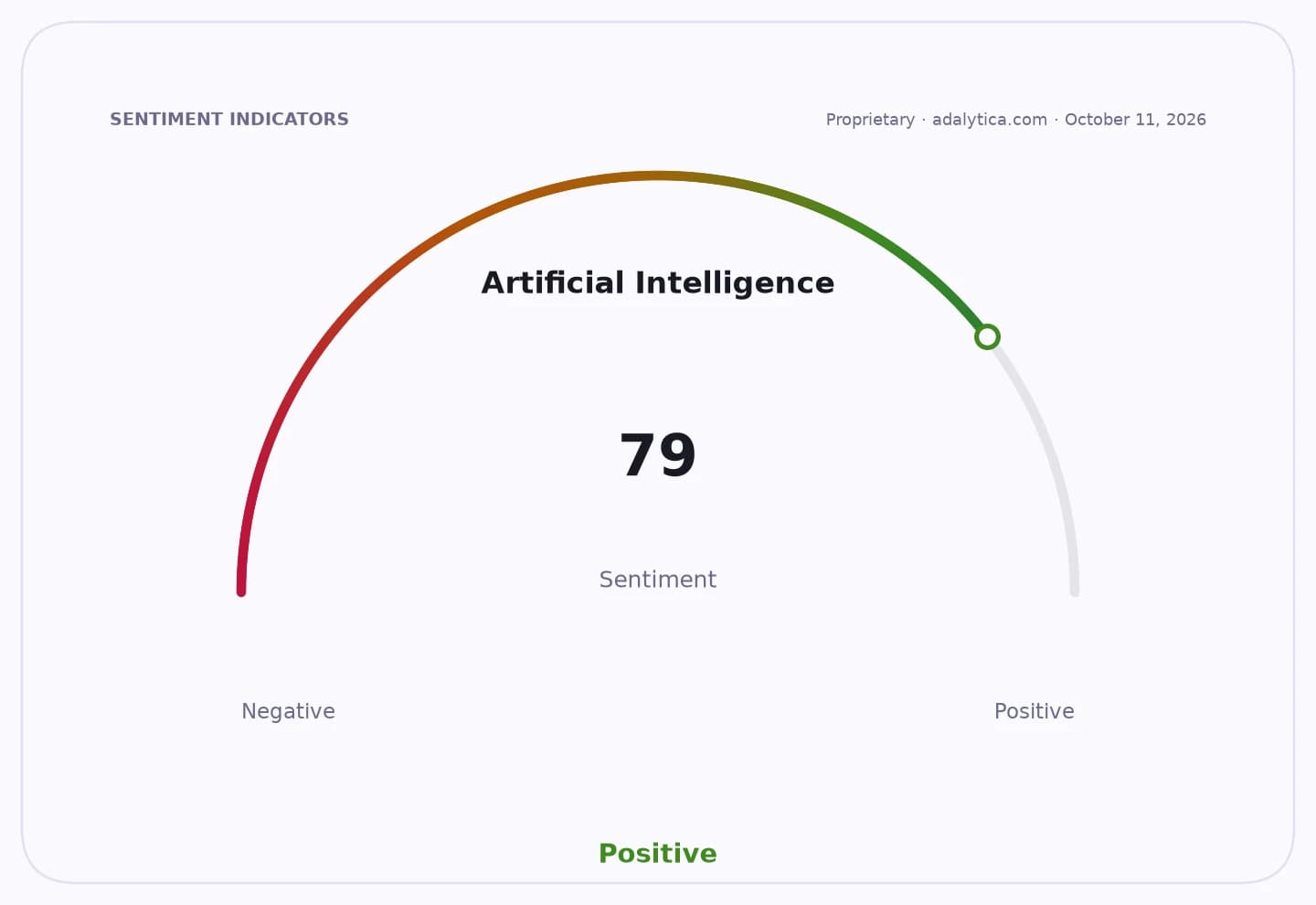
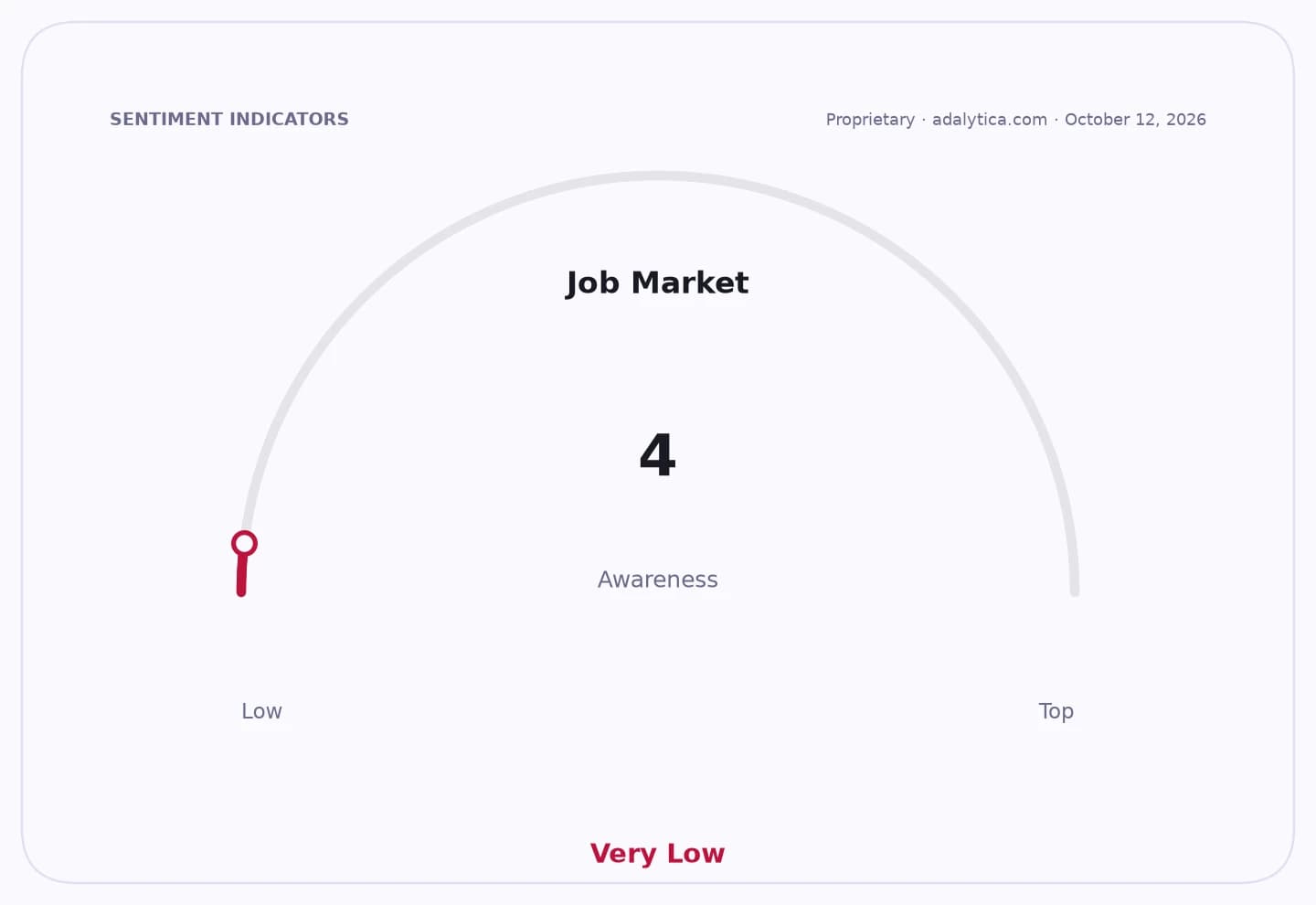
AI tools can lift student homework grades quickly, but a new study in China suggests they may do so by weakening the deeper learning that shows up in exams — a warning that matters for schools, education companies and the wider labor market.
China Study Finds AI Raises Homework Scores, Lowers Exams

The study, covering students in Classes 7 to 12, found homework scores rose 18% after AI use, while monthly classroom test scores fell 20% about six months later. Students who used AI also scored 5% to 7% lower in senior high school and college entrance examinations, underscoring the risk that polished assignments can mask weaker subject mastery.

That distinction matters economically because education is not just about grades; it is a pipeline for human capital. If AI lets students outsource reasoning, writing and problem-solving, the near-term efficiency gain may come at the cost of lower exam performance and, eventually, weaker skills in the workforce. For policymakers and schools, that raises the stakes around assessment design and the role of supervised work, oral exams and other formats that are harder to automate.
The findings also land at a sensitive moment for the education technology sector. AI adoption among the students surveyed rose from almost zero to about 80% between 2022 and 2025, showing how quickly generative tools have been absorbed into daily learning. That speed helps explain why investors have struggled to value the impact on homework-help platforms and digital learning providers: AI can improve engagement and personalize support, but it can also replace paid tutoring and erode demand for traditional academic assistance if students simply use it to finish assignments.
Chegg has been one of the clearest casualties of that shift, with its shares still trading near $0.71, far below prior levels, as investors continue to question whether generative AI can cannibalize its core business. Duolingo, by contrast, has fared much better, with the stock at $147.74 and above both its 50-day and 200-day moving averages, reflecting a market view that AI can be a feature as well as a threat when it enhances product quality rather than shortcuts the learning process.
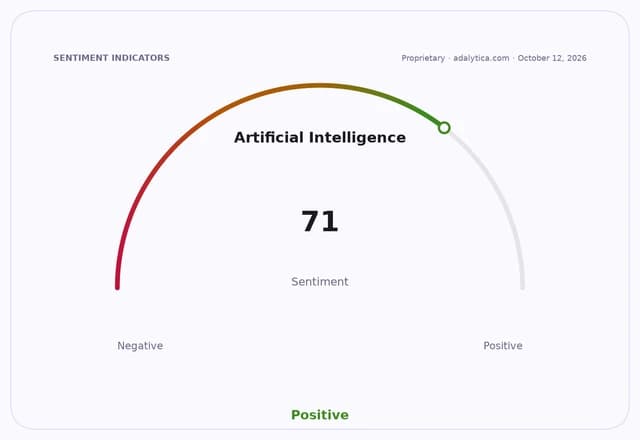
Alphabet also remains in focus as a supplier of AI infrastructure and models. Its shares closed at $352.72, with momentum still firm, reflecting the broader bet that the biggest winners from AI adoption may be the platforms providing the tools rather than the users most exposed to substitution risk. That split is echoed in the latest market mood around AI itself: proprietary sentiment on Adalytica.com showed greed at 71, while awareness sat in extreme fear, a sign that investors remain enthusiastic about the theme even as the educational and social costs become clearer.
The study is not yet peer-reviewed, so the numbers should be treated cautiously, and it does not prove the same outcomes would appear outside China. Still, its core message is hard to ignore: AI may be improving the appearance of learning faster than it is improving learning itself. For investors, the next question is whether schools adapt assessment methods quickly enough to preserve skill formation — or whether the education market keeps rewarding outputs that are easy for machines to produce and hard for humans to validate.
| Entity | Gains | Losses |
|---|---|---|
| Students using AI | ▲Higher homework scores | ▼Weaker exam performance |
| Schools and teachers | ▲Better tools for support | ▼Need to redesign assessments |
| Chegg | ▲Little near-term benefit | ▼Core homework-help demand |
| Duolingo / Alphabet | ▲AI-enabled product demand | ▼Limited direct downside from learning dilution |