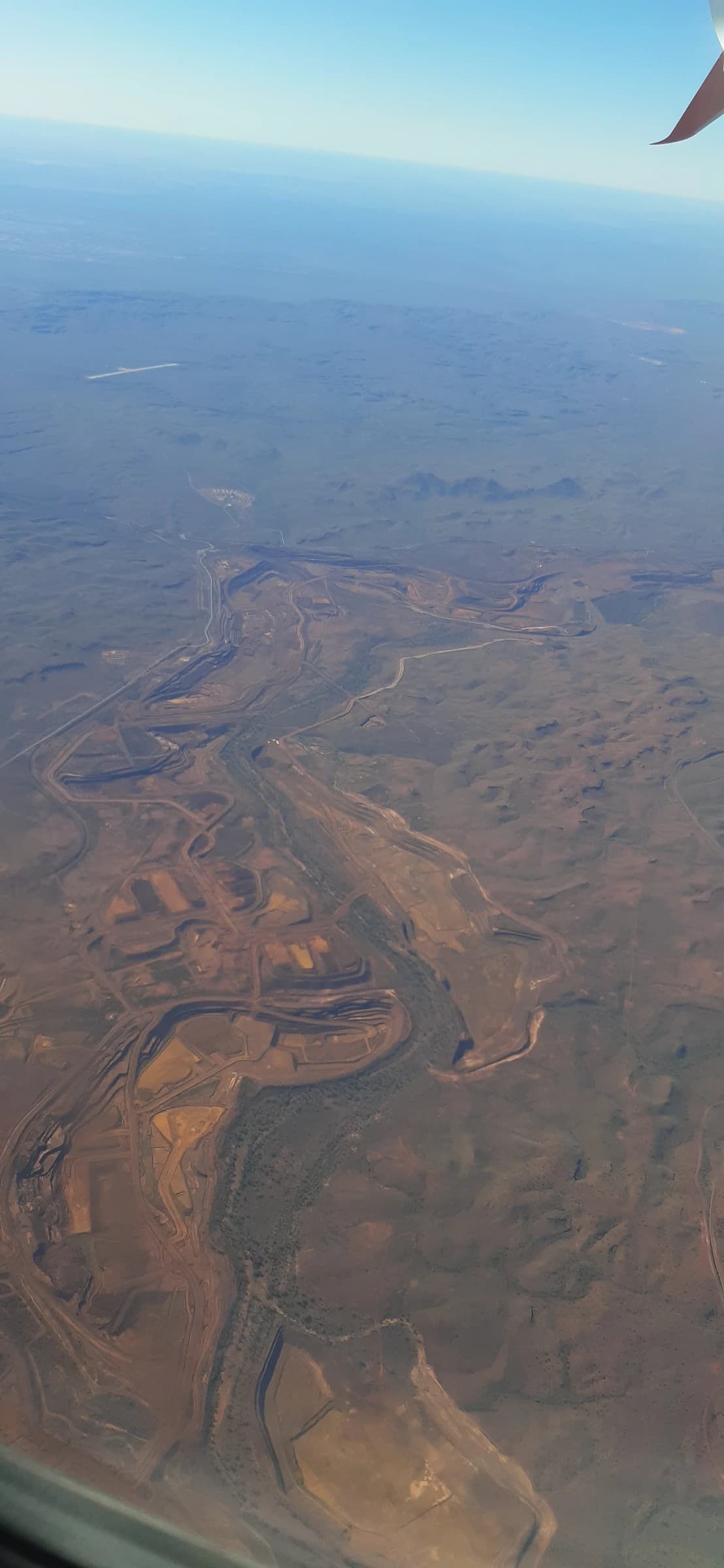
Iron ore is getting hit as China’s anti-smog campaign threatens to cool the furnace fuel demand that underpins the market, putting fresh pressure on miners already facing softer pricing and thinner margins. For investors, the issue is not just a one-day pullback: it is the risk that Beijing’s environmental tightening slows steelmaking activity right as the global growth backdrop looks more fragile.
China anti-smog curbs pressure iron ore miners
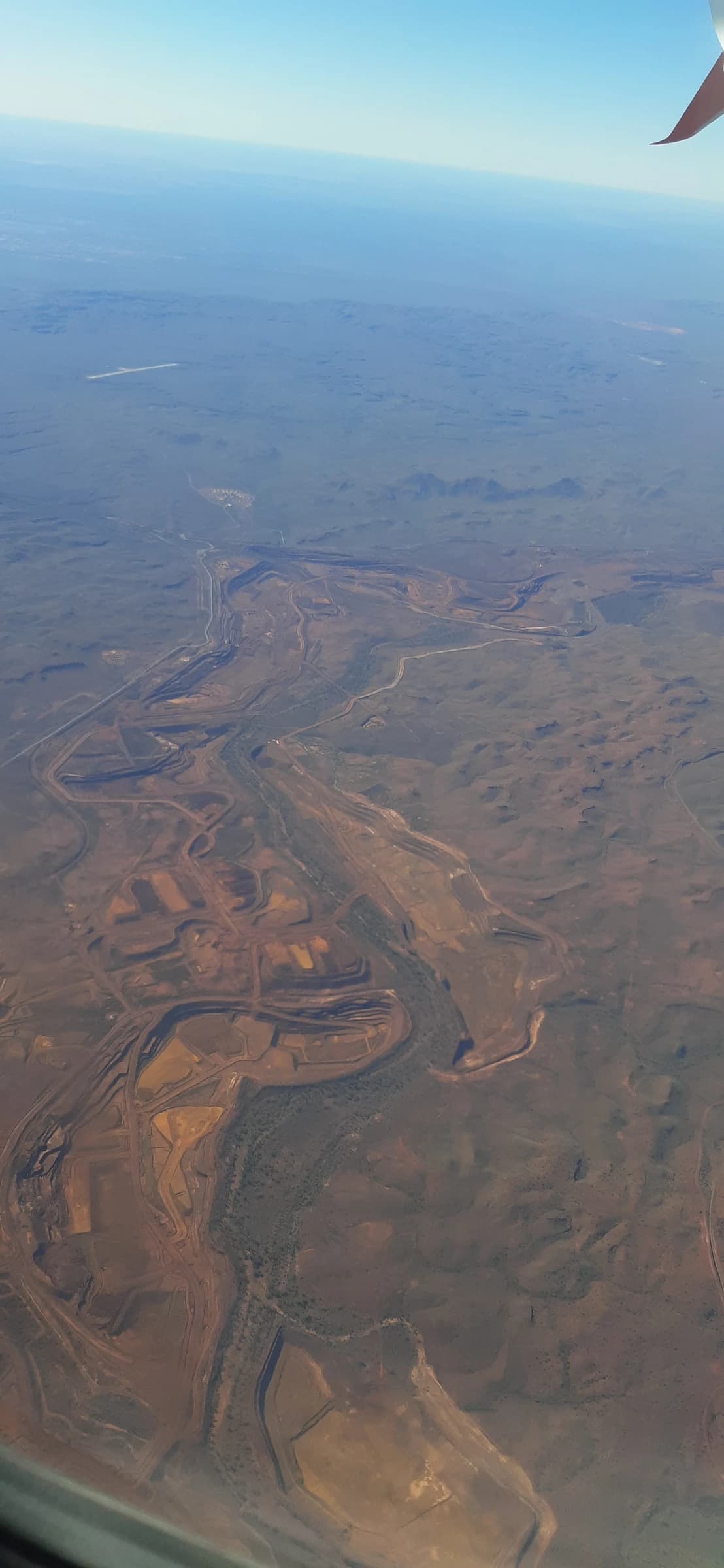
The benchmark iron ore complex has been volatile, but the direction now matters more than the level. Rio Tinto shares slipped to $82.95, well below their 50-day moving average of $91.35 and under the 200-day average of $94.39, while BHP eased to $79.49 from a recent peak near $96.58. Vale has been the weakest of the group, sinking to $11.22 from $15.73 in early September, with its shares still trading beneath both the 50-day and 200-day moving averages. That kind of price action says traders are not waiting for a full-blown macro slowdown before marking down the iron ore trade.
Sentiment Indicators
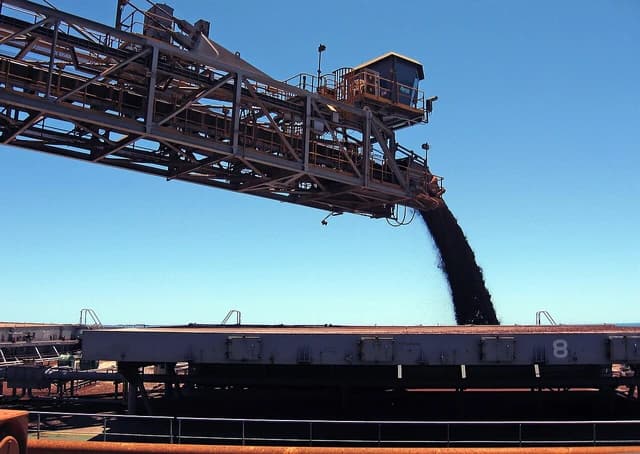
The economic logic is straightforward. Pollution curbs in China can reduce blast furnace utilization, which directly trims demand for iron ore, coking coal and other steel inputs. That matters because steel remains a foundational industrial commodity in China, feeding construction, machinery and infrastructure supply chains. When Beijing leans harder on emissions and air-quality controls, mills can be forced to curb output even if underlying end demand has not collapsed. In other words, policy can do the work of a cyclical slowdown.
That is a problem for miners because the market is already sensitive to any sign of weaker Chinese throughput. Iron ore had recovered enough earlier this year to keep producers’ cash generation intact, but the latest move comes as the price backdrop stays firm enough to tempt supply, yet not strong enough to absorb a demand shock. The broader industrial production trend in the data is still positive, but not booming, and that leaves commodity prices exposed to policy-driven interruptions rather than a clean demand surge. Adalytica’s China growth-target sentiment is flashing “Extreme Greed,” but awareness is still low, a combination that often leaves markets vulnerable to abrupt reversals when the policy message changes.
For miners, that means margin risk. Vale’s recent filing showed a rise in all-in costs for iron ore fines and pellets, so a weaker pricing environment would squeeze earnings faster than a company with cleaner cost leverage. BHP and Rio Tinto are better positioned on balance sheets and scale, but their equity performance still tracks iron ore expectations closely. If China’s curbs persist, analysts will have to cut revenue assumptions, and capital allocation discipline will become more important than volume growth.
The bigger setup is that the market continues to underprice how quickly Beijing can change the demand equation for bulk commodities. Pollution controls are often treated as a temporary operating nuisance, but for iron ore they can become a direct macro headwind. That makes the trade less about chasing a commodity rebound and more about positioning for a world where Chinese policy, not just Chinese growth, sets the tone for miners.
For investors, the clearest takeaway is to stay selective: prefer the lowest-cost, most diversified iron ore producers and avoid assuming that every China policy easing in growth targets translates into stronger steel demand. The next catalyst is whether Beijing’s pollution drive expands beyond a seasonal curb and starts to weigh on mills long enough to force another leg lower in iron ore prices.
| Entity | Gains | Losses |
|---|---|---|
| China regulators | ▲Cleaner air, tighter emissions control | ▼Slower industrial activity |
| Steel mills | ▲Policy clarity, potential eventual stimulus | ▼Lower furnace runs, output cuts |
| Iron ore miners | ▲— | ▼Softer prices, margin pressure |
| Low-cost producers | ▲Relative resilience | ▼Still exposed to demand swings |