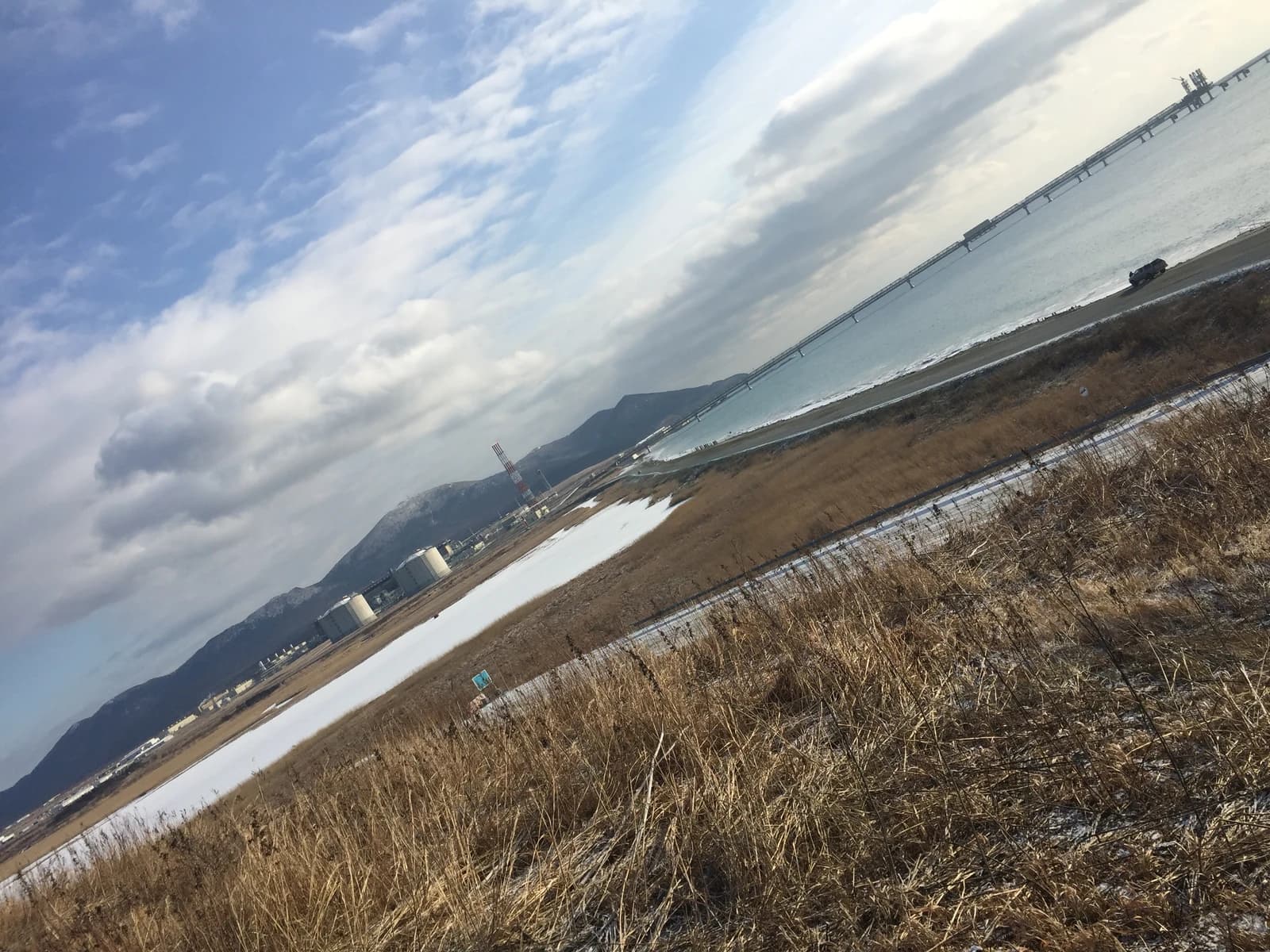
China is continuing to feed sanctioned Russian LNG infrastructure, with two heavy-lift vessels carrying critical power modules to Novatek’s Arctic LNG 2 project, underscoring how Beijing-linked supply chains are helping Moscow keep one of its most important energy developments moving.
China ships power modules to Arctic LNG 2

The shipment matters because Arctic LNG 2 has been a central test case for Western sanctions on Russia’s energy sector. If equipment and modules keep arriving, the project can keep building out the systems needed to raise output, support exports and preserve cash flow for Novatek and its partners. That weakens one of the few levers the U.S. and its allies have tried to use to constrain Russia’s long-term gas earnings.
According to the reported AIS and satellite tracking cited by gCaptain, the vessels Glory and Bright loaded two power-generation modules in Zhangjiagang and are now heading through the Russian Arctic supply route. The modules, labeled 2-PGM-002 and 2-PGM-004, are described as the last two of four land-based power units originally built by Wison for Arctic LNG 2’s second train. Their arrival would complete the power system for a line already operating at roughly half of planned capacity, with project documentation indicating 20 gas turbines and 482 megawatts of generating capacity.
The logistics are also notable because the vessels now sail under the Russian flag, highlighting how sanctions have pushed sensitive industrial trade into more opaque channels. The route through the Northern Sea Route is part of a broader workaround that has kept Arctic LNG 2 supplied even as the project remains under heavy Western restrictions.
For Moscow, the payoff is straightforward: every module delivered makes it easier to lift production and sustain exports, particularly to China, where Arctic LNG 2 cargoes have reportedly found a market at the Beihai terminal, currently the only Chinese facility accepting sanctioned Russian LNG. The project’s current capacity is said to allow exports of up to 9.9 million tons a year, with a full build-out target of 19.8 million tons across three trains.
For investors, the message is less about one shipment than about sanction efficacy and supply risk. The market has already learned that Russian LNG is still finding buyers and that Chinese industrial support can blunt Western pressure. That raises the odds that Russia’s LNG export base remains more resilient than sanctions advocates expected, even if financing, insurance and shipping remain constrained.
Energy traders and LNG investors will watch whether this pattern extends to more equipment deliveries and whether Arctic LNG 2 can keep ramping volumes without attracting even tighter enforcement. The broader risk is that sanctions pressure may slow Russia’s LNG expansion, but not stop it — forcing markets to price in a slower, more fragmented but still functioning Russian export stream.
| Entity | Gains | Losses |
|---|---|---|
| Novatek / Arctic LNG 2 | ▲Power-system completion | ▼Sanctions overhang |
| China suppliers / shippers | ▲Industrial contracts | ▼Compliance risk |
| Russia LNG exports | ▲Higher output potential | ▼Western pressure |
| U.S./EU sanctions policy | ▲None | ▼Credibility leverage |