China has summoned Argentina’s ambassador in Beijing after a senior Javier Milei administration official accused a state-owned Chinese company and the Communist Party of causing deadly floods and landslides in the Himalayas, escalating a diplomatic rift that could spill into trade and investment ties.
China summons Argentina envoy over flood comments
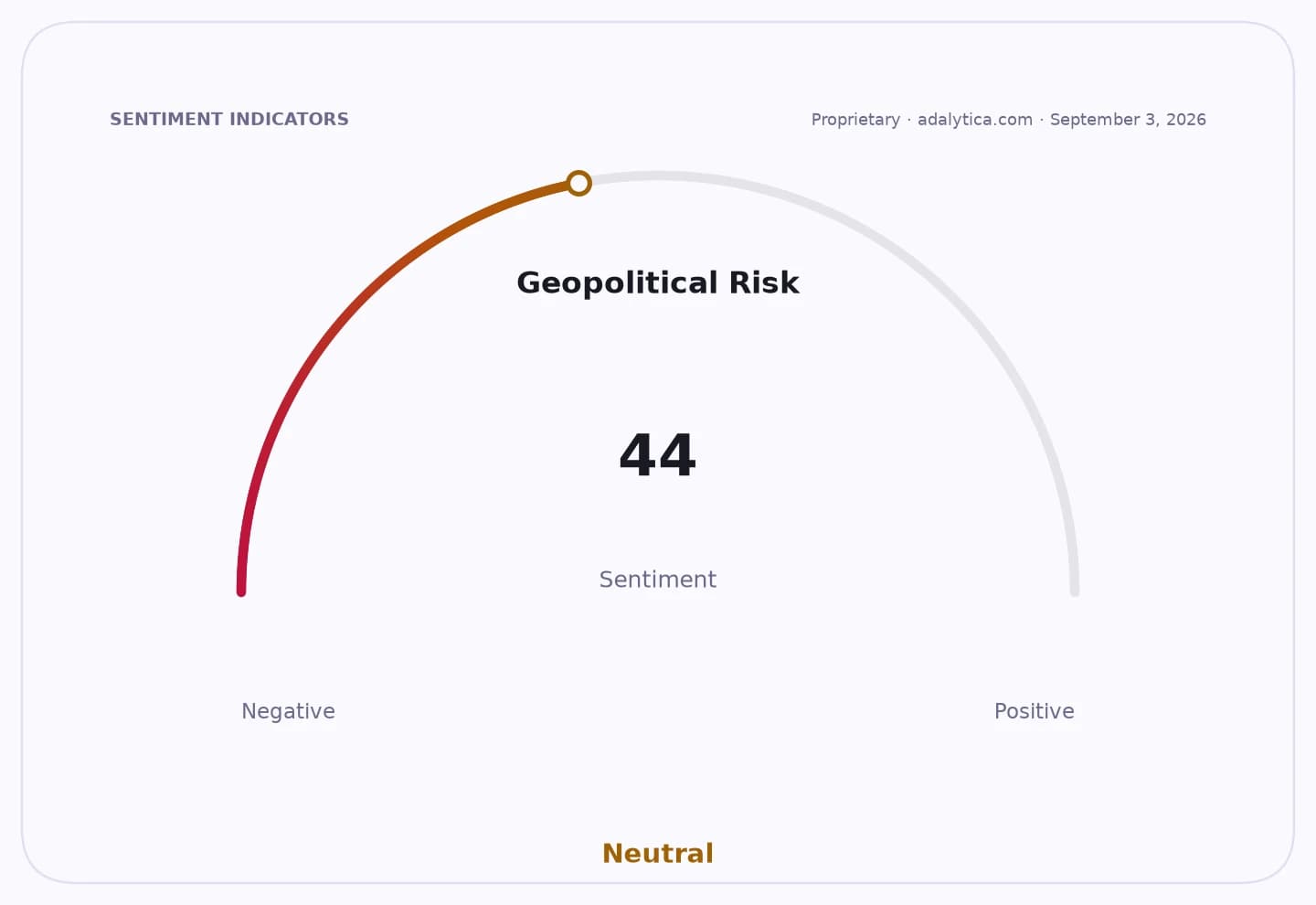
The move matters because it exposes how quickly political rhetoric in Buenos Aires is colliding with one of Argentina’s most important external counterparties. China is a major buyer of Argentine agricultural exports, a source of financing and a prospective participant in infrastructure and energy projects. A deterioration in the relationship raises the risk of slower approvals, less room for Argentina in Chinese procurement and a chill in future capital flows at a time when President Milei is trying to court Western backers while keeping key trade channels open.
Sentiment IndicatorsⓘProprietary · adalytica.com · September 3, 2026
This is a snapshot — live sentiment, awareness and momentum for 130+ markets update continuously in the dashboard.Open AlphaPulse
According to the reporting, Beijing delivered its “strongest protest” over comments by Juan Pablo Carreira, the government’s digital communications chief, who posted on X that a Chinese state enterprise and the Communist Party were responsible for the disaster on the Nepal-Tibet border. Chinese officials were also angered that no apology followed, and the ambassador, Marcelo Suárez Salvia, was unavailable, leaving deputy mission chief Guillermo Alberto Simunovich to receive the complaint.
The dispute comes on top of an already sensitive Taiwan issue. Milei’s government formally adheres to the one-China policy, but young activists linked to the president’s movement recently traveled to Taiwan and were received by local authorities, feeding Beijing’s suspicions that Buenos Aires is testing the limits of its position. That is especially awkward for a government that has been increasingly aligned with Washington on strategic issues and, according to the reporting, is leaving China out of some tenders under pressure from the Trump administration.
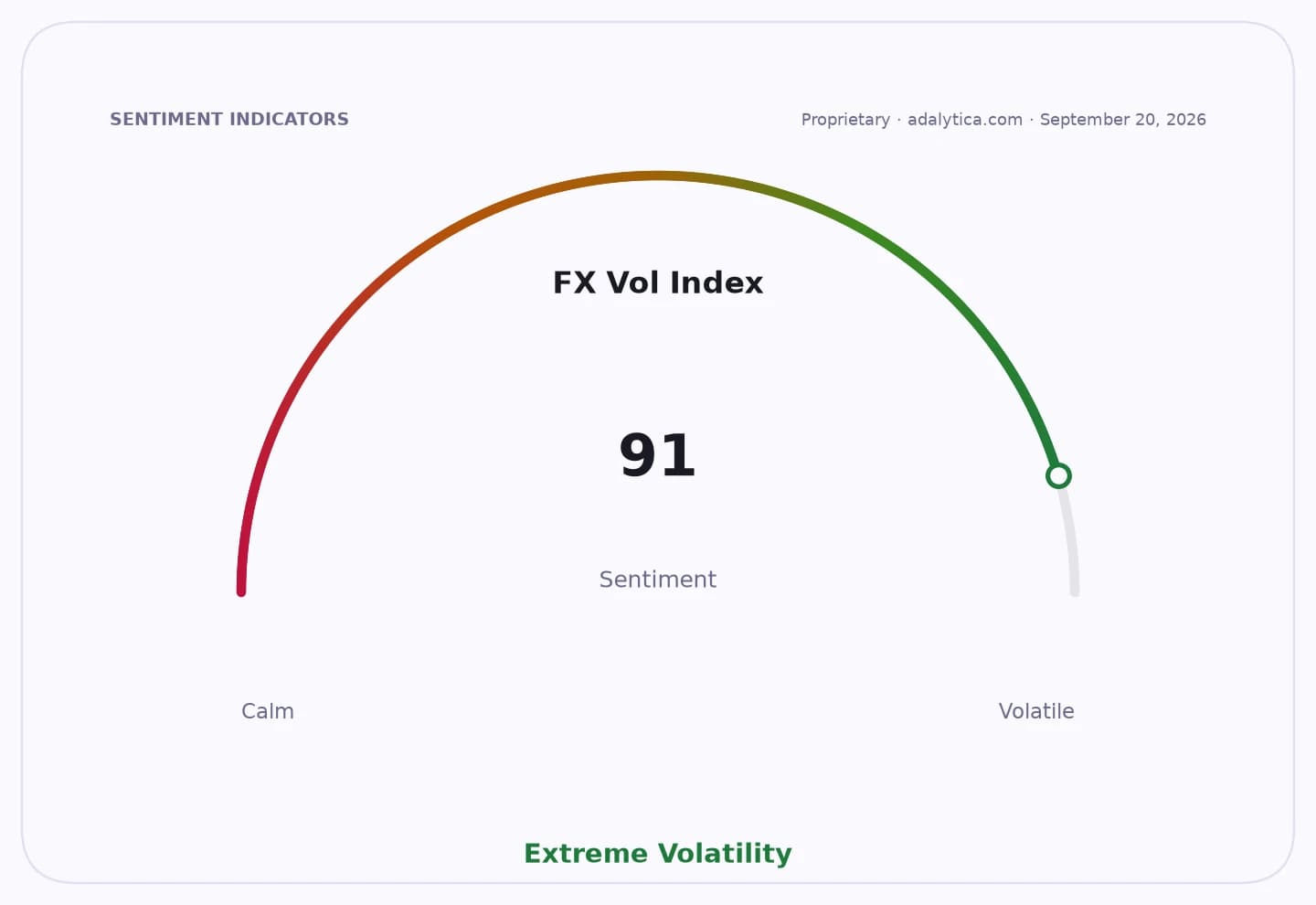
For investors, the immediate market impact is likely to be indirect rather than abrupt, but the story matters for risk pricing. Argentina depends on foreign funding, hard-currency trade and stable diplomatic channels, and any sign that it is becoming harder to work with could weigh on sovereign perceptions and on companies exposed to China-linked demand or financing. The Argentine ETF ARGT was still trading near the upper end of its recent range, while the peso-sensitive backdrop remained fragile, with Adalytica’s FX volatility signals flashing elevated fear. That makes political shocks more relevant than they might otherwise be.
The bull case is that the spat is mostly rhetorical, with both sides having incentives to avoid an outright rupture. The bear case is that it reflects a broader realignment in which Milei seeks to tighten ties with the U.S. even at the cost of frictions with China, increasing uncertainty around export demand, financing and project awards. For now, the key test is whether the Argentine government issues a formal apology or whether Beijing translates the protest into commercial pressure.
| Entity | Gains | Losses |
|---|---|---|
| China | ▲Shows diplomatic leverage | ▼Faces public criticism |
| Argentina’s Milei government | ▲Signals alignment with U.S. camp | ▼Risks China backlash |
| Argentine exporters | ▲Potentially avoid immediate rupture | ▼Exposure to trade retaliation |
| Investors in Argentina assets | ▲May buy on contained fallout | ▼Face higher geopolitical risk |