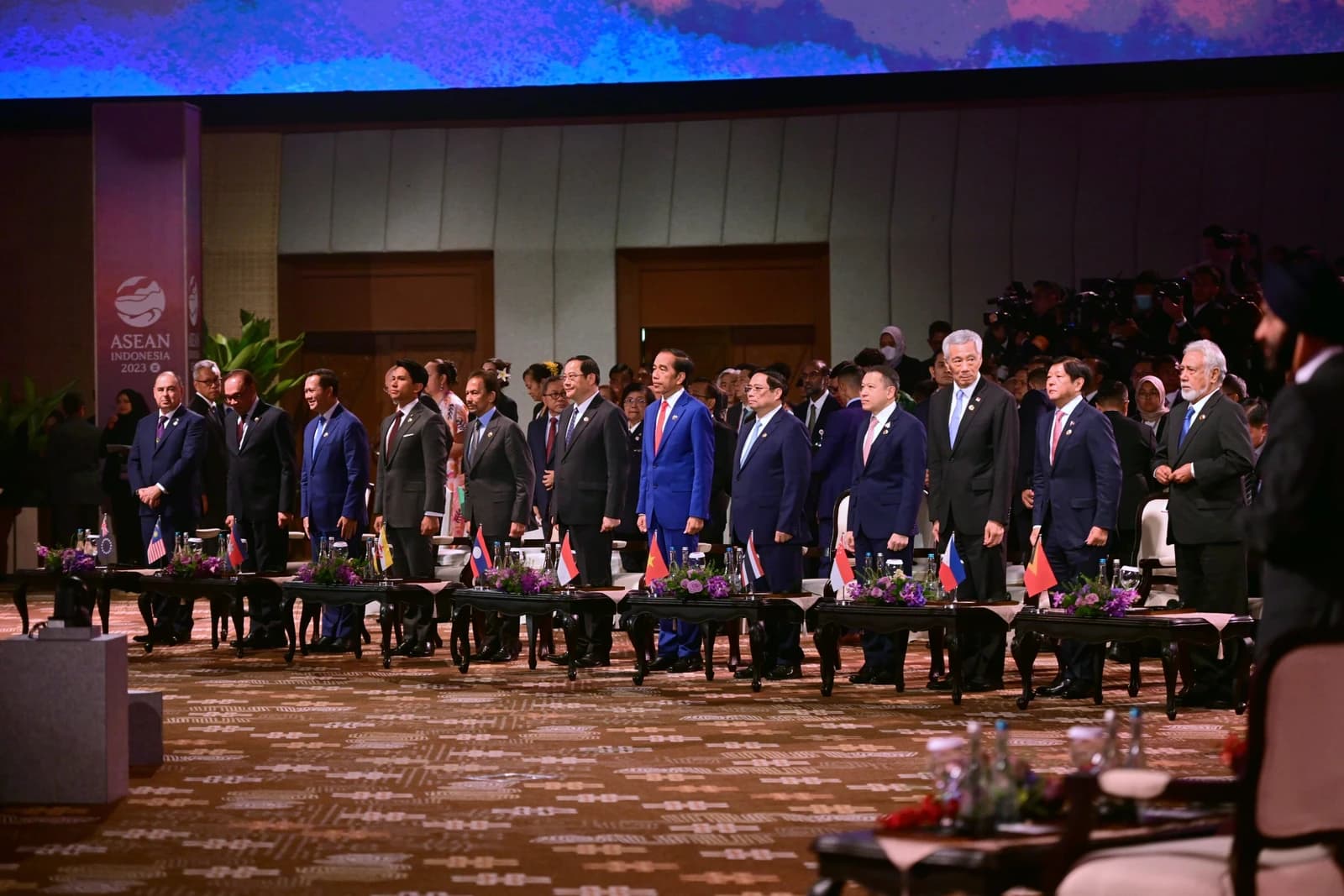
China and ASEAN are using the fifth anniversary of their comprehensive strategic partnership to underline something investors care about far more than ceremonial diplomacy: a deeper, more predictable economic relationship in Asia at a time when global politics remains unsettled.
China-ASEAN trade pact nears effect
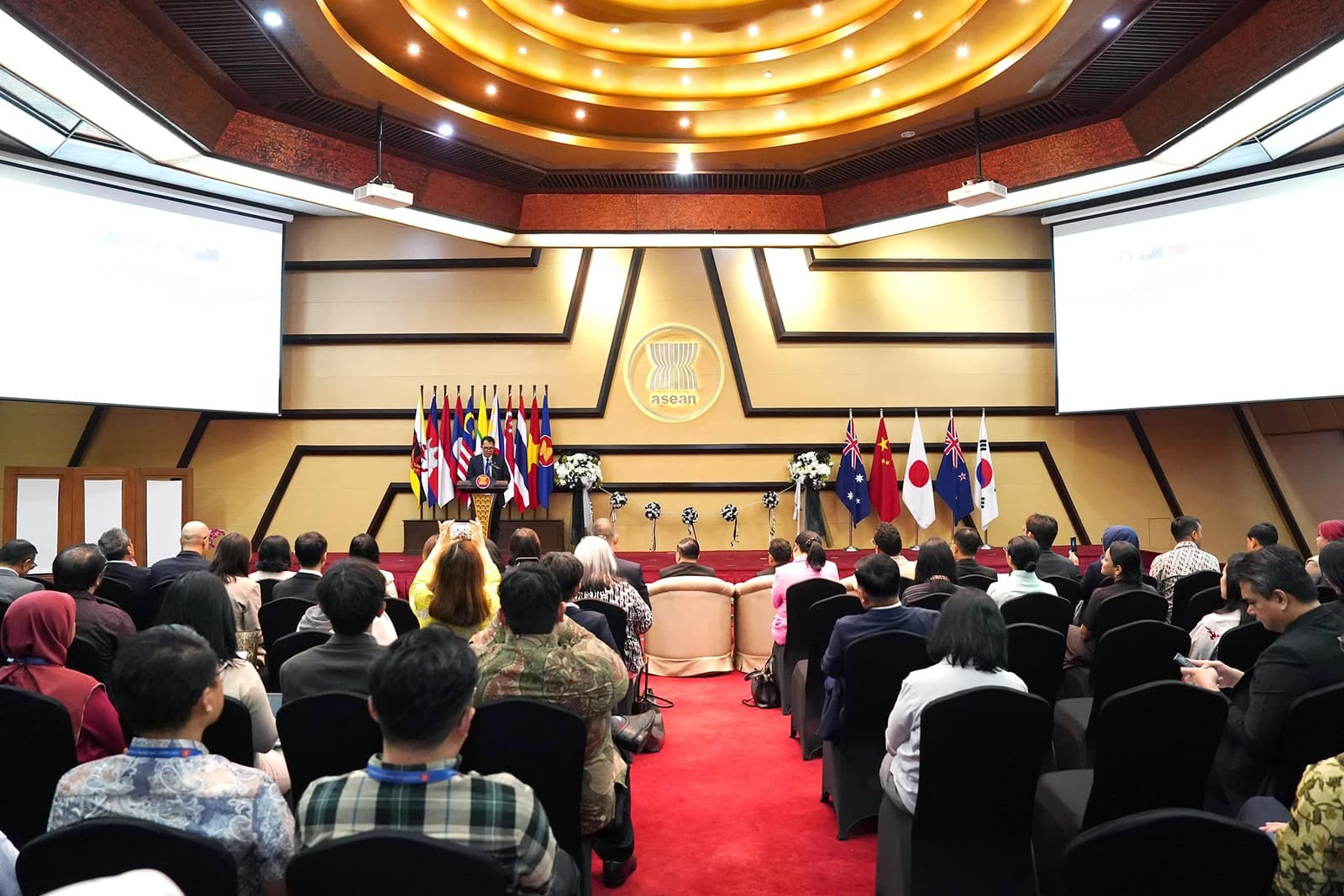
Chinese Foreign Minister Wang Yi and ASEAN Secretary-General Kao Kim Hourn exchanged messages marking the milestone, but the real story is the policy architecture behind the symbolism. China said the two sides have been each other’s biggest trading partners for six straight years, and that the upgraded China-ASEAN free trade area protocol — known as version 3.0 — has already been signed and is set to take effect soon. For businesses, that matters because it points to lower trade barriers, tighter supply chains and a more durable framework for cross-border investment across one of the world’s most important manufacturing and consumption corridors.
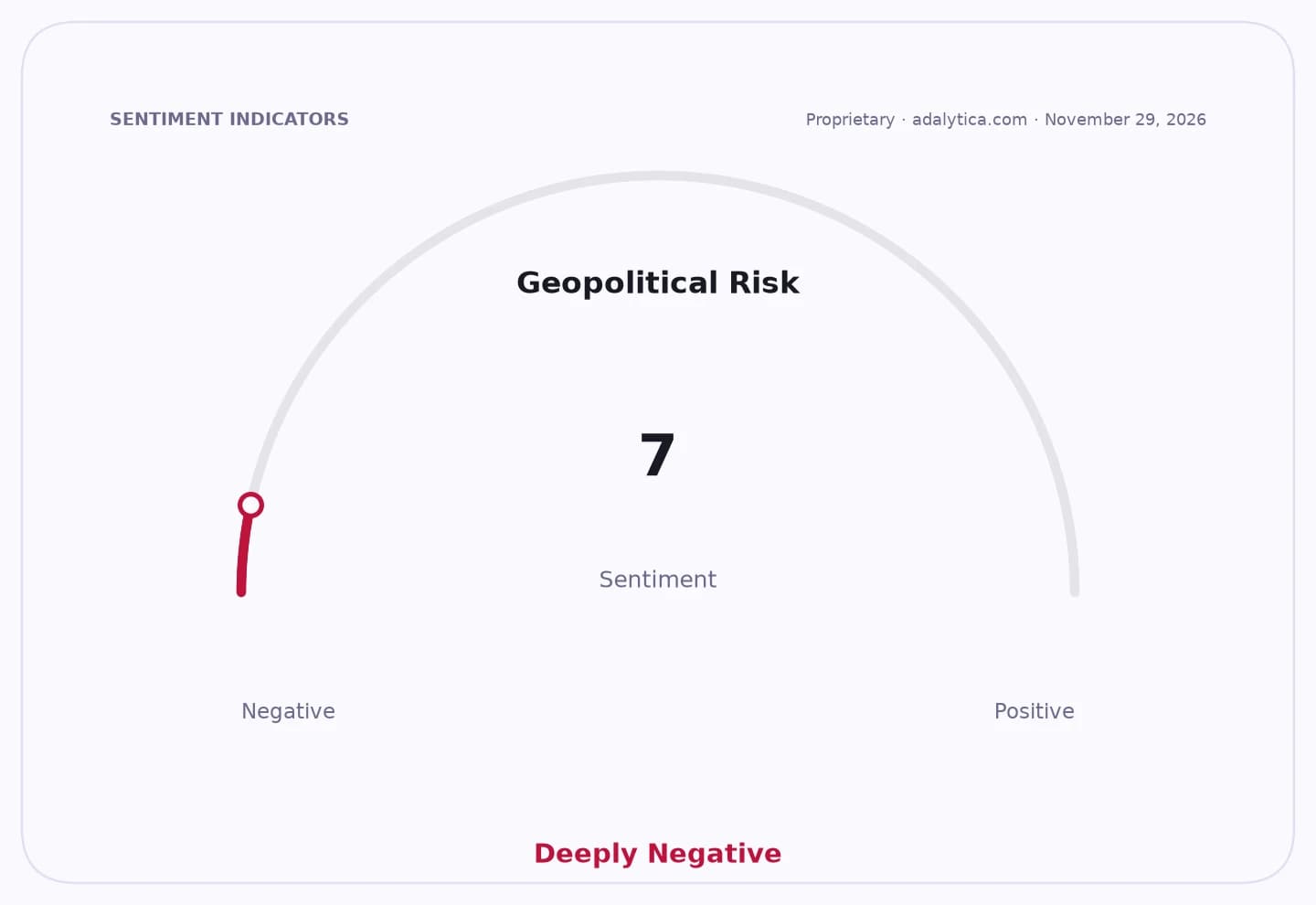
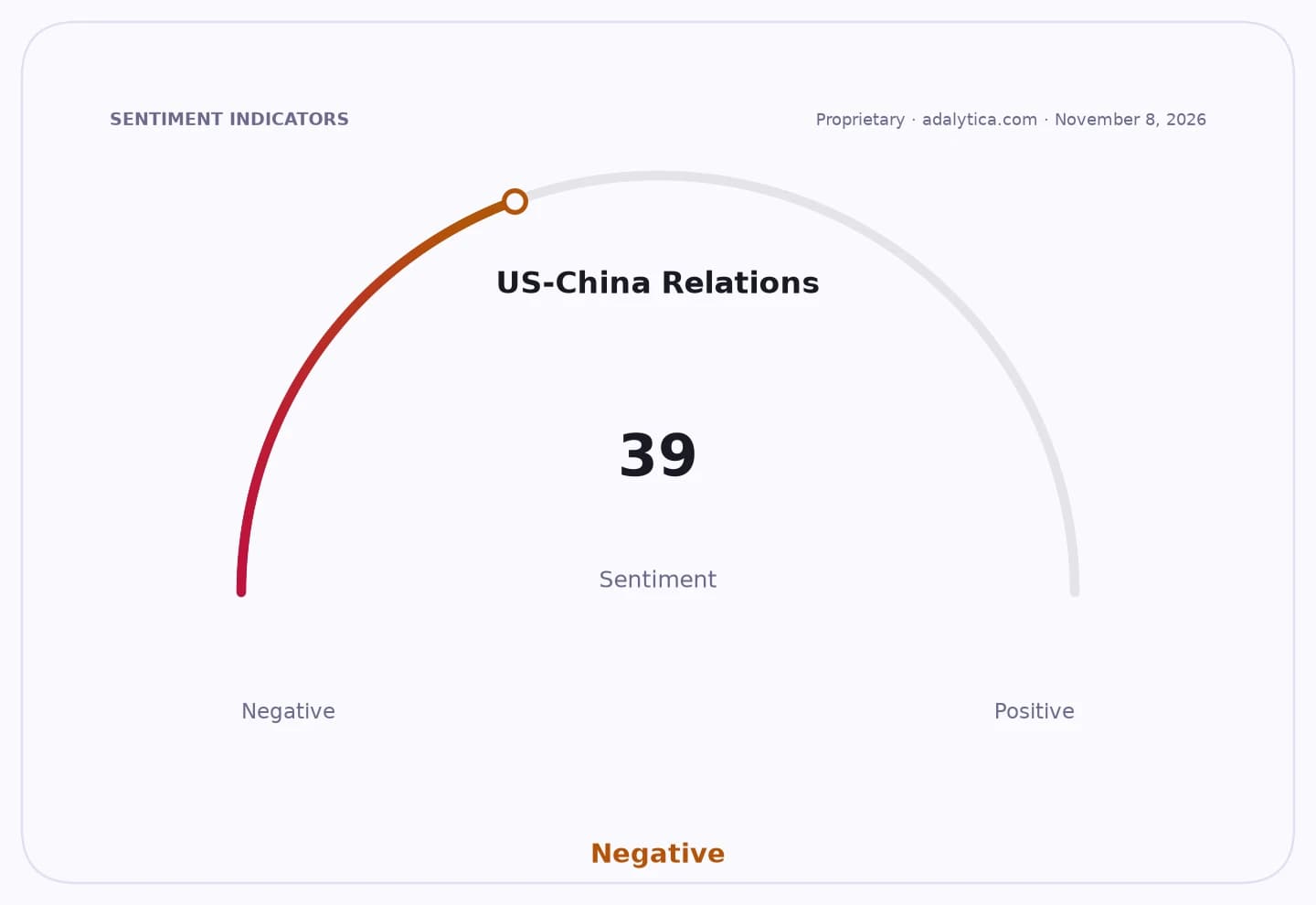
Sentiment Indicators
That growing economic integration matters to investors because it helps explain why China-facing assets can remain relevant even when sentiment around the country is weak. Adalytica’s US–China Relations Sentiment sits in “Extreme Fear,” while its China CCP policy-direction gauge shows “Greed,” a combination that captures the market’s split view: political risk is elevated, but Beijing is still signaling support for regional trade and cooperation. In other words, the long-term case for Asia exposure is being shaped as much by institutions and trade rules as by day-to-day headlines.
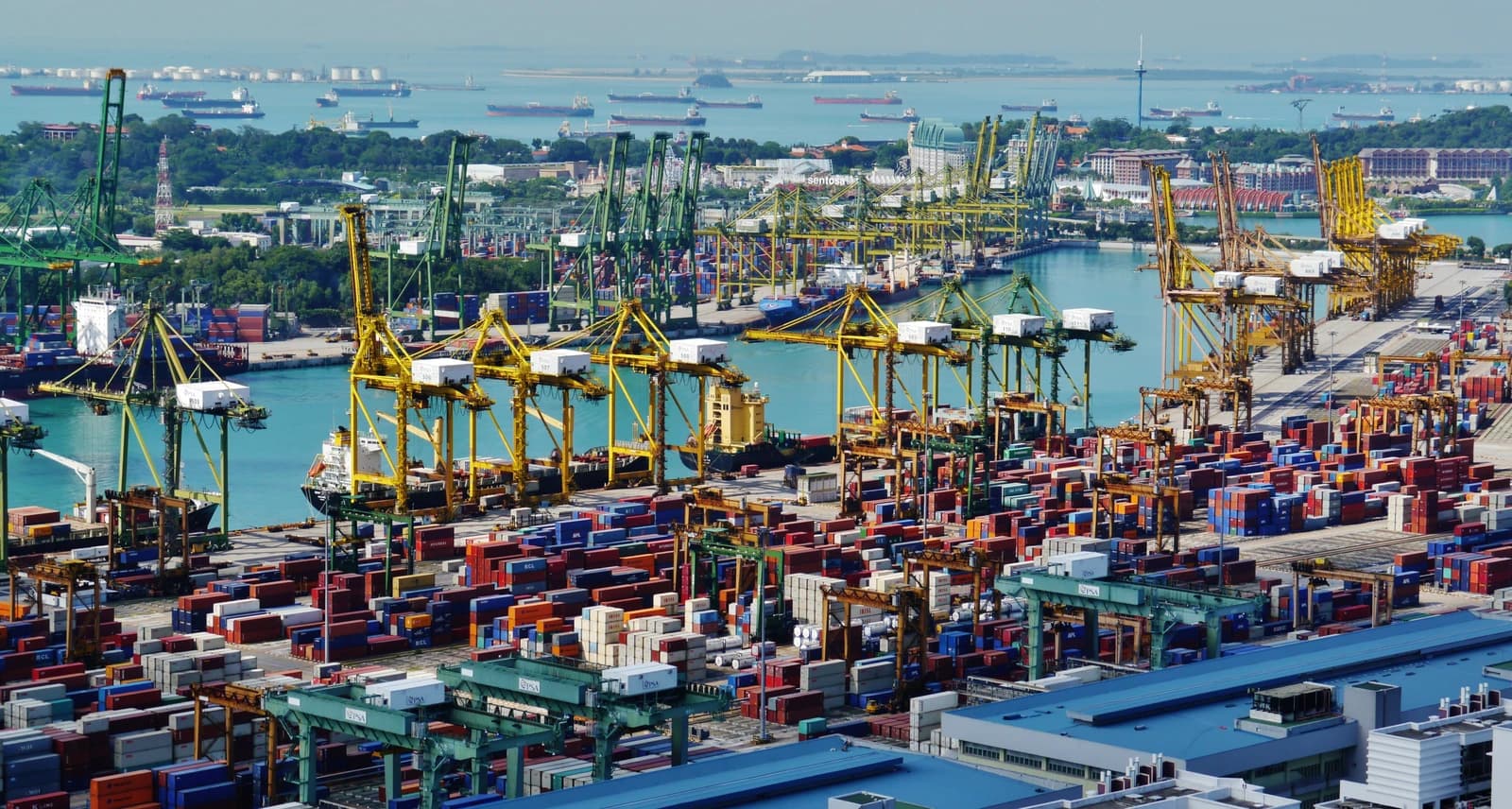
The exchange also comes against a broader push for regional stability, including efforts to advance talks on a South China Sea code of conduct. News context indicates China and ASEAN have reached a provisional agreement covering 80% of the framework, a notable step in a dispute that has long weighed on shipping lanes, energy security and investor confidence. Even partial progress is meaningful because calmer maritime relations reduce the odds of disruption across one of the busiest trade routes in the world.
For equity investors, that backdrop is constructive for companies with heavy China exposure or broad Asia supply chains. ETFs such as FXI and EEM remain sensitive to shifts in diplomacy, tariffs and regional growth expectations, and the price action has reflected that uncertainty: FXI has slipped well below its 50-day and 200-day moving averages, while EEM has also remained under pressure and below both key trend lines. That kind of weakness can create opportunity for patient investors, but it also shows that markets are still discounting geopolitical risk.
The lesson for long-term investors is simple: the China-ASEAN relationship is not just about handshakes and anniversary notes. It is about trade flows, industrial policy, logistics and the political conditions that either support or disrupt them. If the free trade upgrade takes hold and maritime talks keep advancing, the region could become a steadier engine of growth for suppliers, exporters and multinational companies alike. If you invest with a multi-year horizon, this is a relationship worth keeping on your watchlist.
| Entity | Gains | Losses |
|---|---|---|
| China and ASEAN exporters | ▲Easier trade, bigger market access | ▼Protectionist friction |
| Regional supply-chain companies | ▲More predictable cross-border flows | ▼Geopolitical disruption |
| FXI and EEM investors | ▲Long-term policy support | ▼Near-term volatility |
| South China Sea risk premium | ▲Lower tension if talks advance | ▼Investors pricing instability |