A weak South China Sea code of conduct would do more damage than another year of delay, because a symbolic deal that fails to curb clashes could hand Beijing and ASEAN rivals a false sense of progress while leaving the region’s most important shipping lane exposed to fresh escalation.
South China Sea code talks keep markets on edge
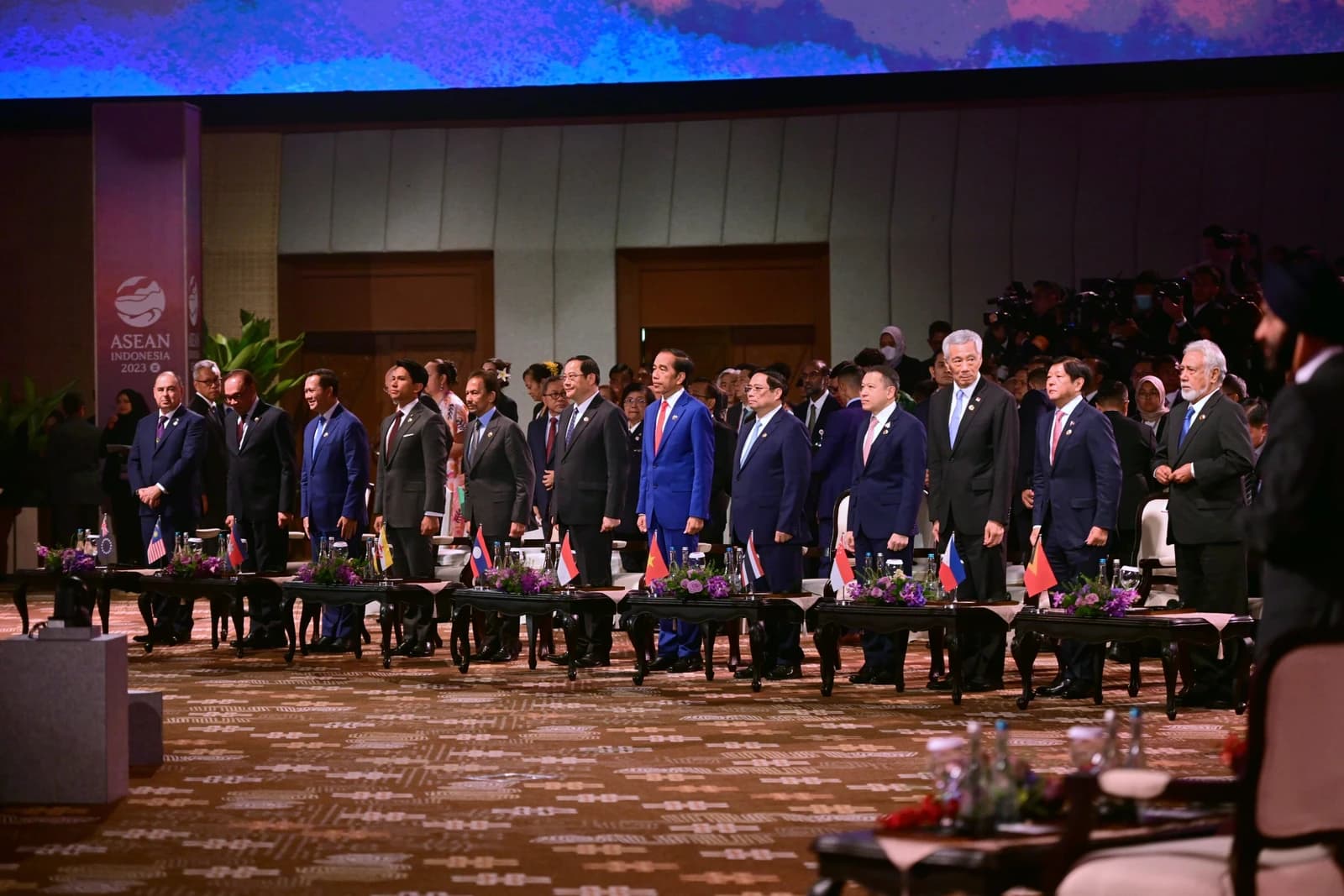
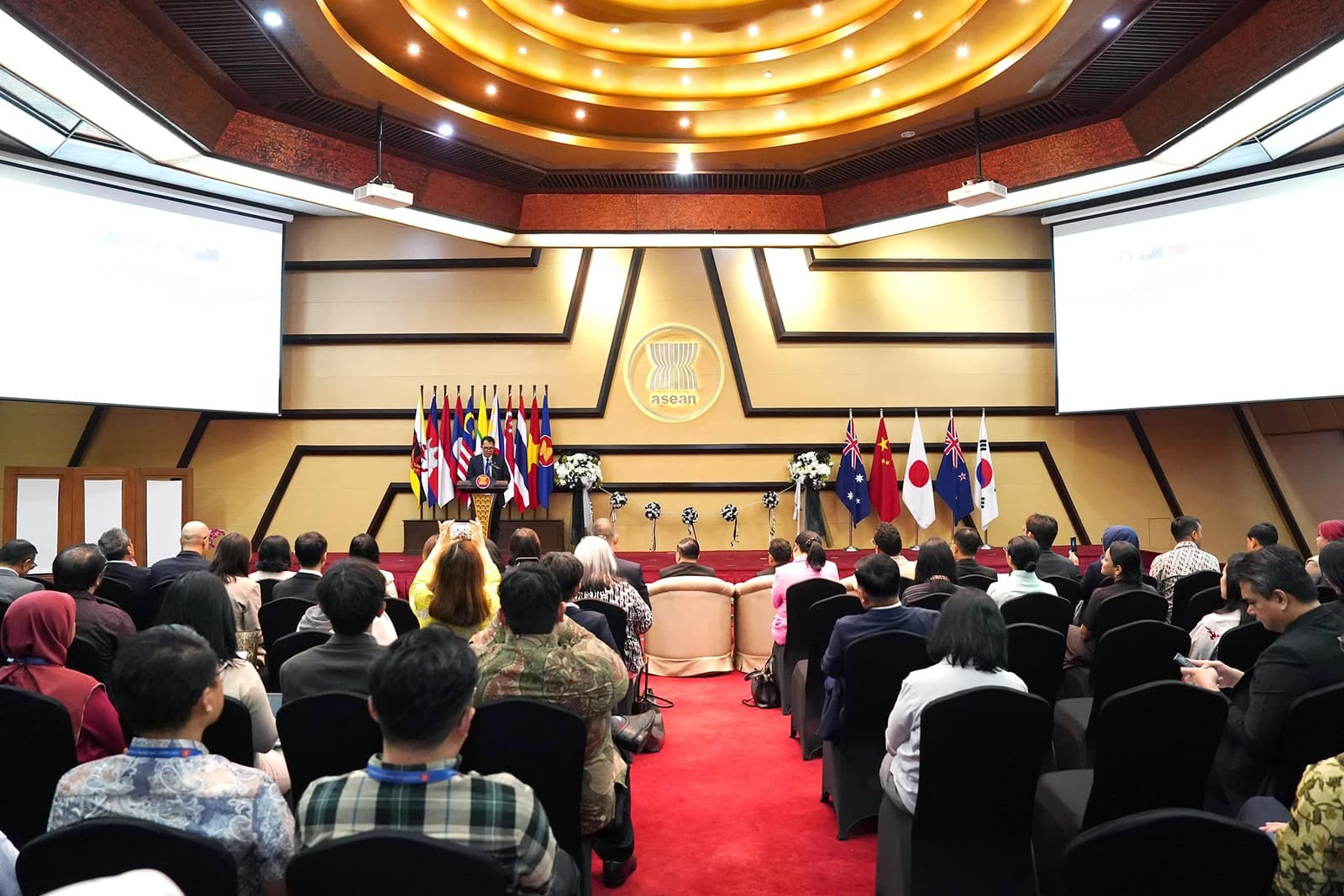
That is the real economic issue behind the stalled talks in Manila: the South China Sea is not just a diplomatic dispute, it is a risk premium on trade, energy flows and capital allocation across Southeast Asia. More than a decade after ASEAN and China first set out to negotiate a code, they are still stuck on the hardest questions — where the rules apply, what “self-restraint” means and who enforces compliance. About 80% of the text has reportedly been agreed, but the last 20% is where the substance lives.
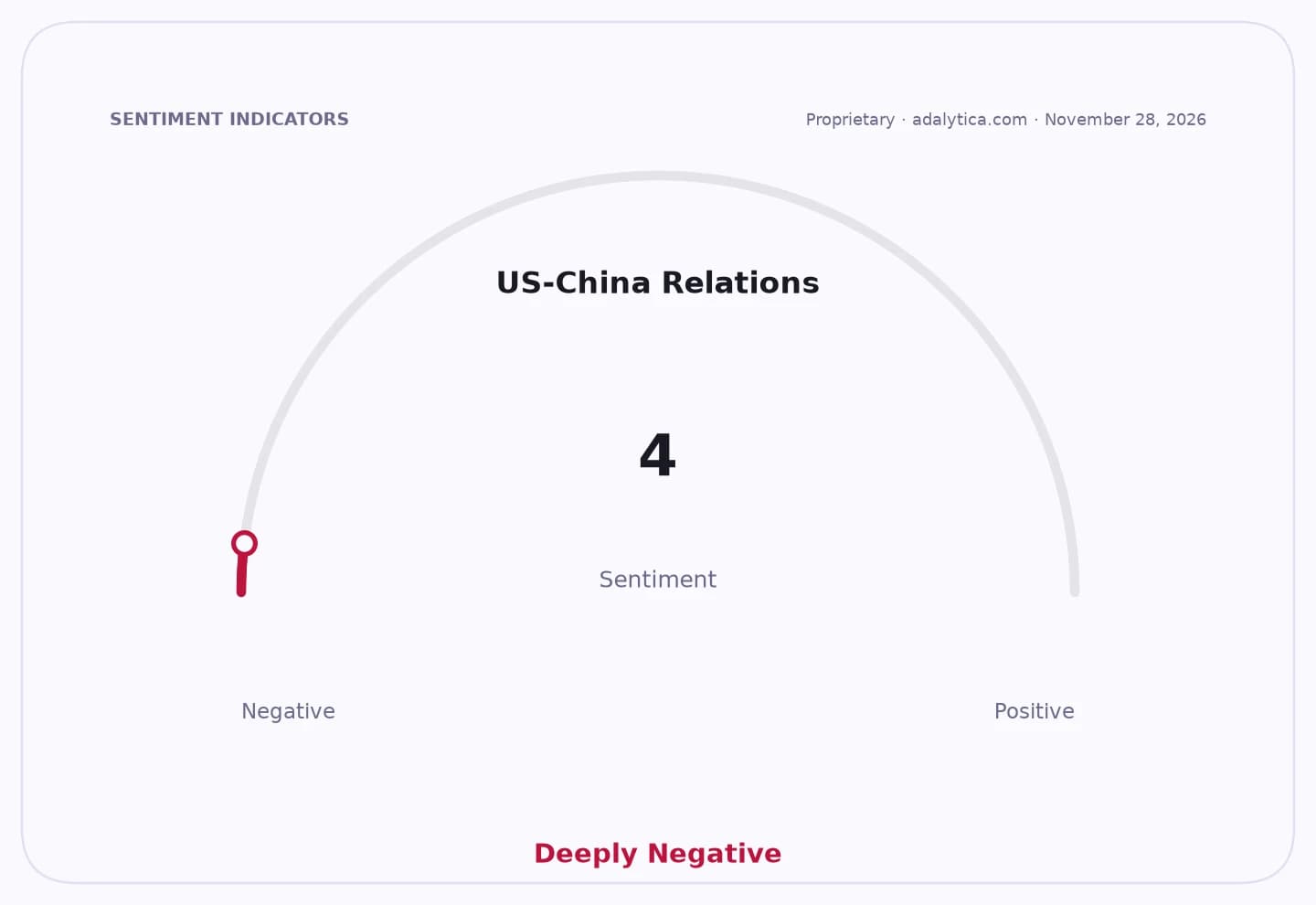
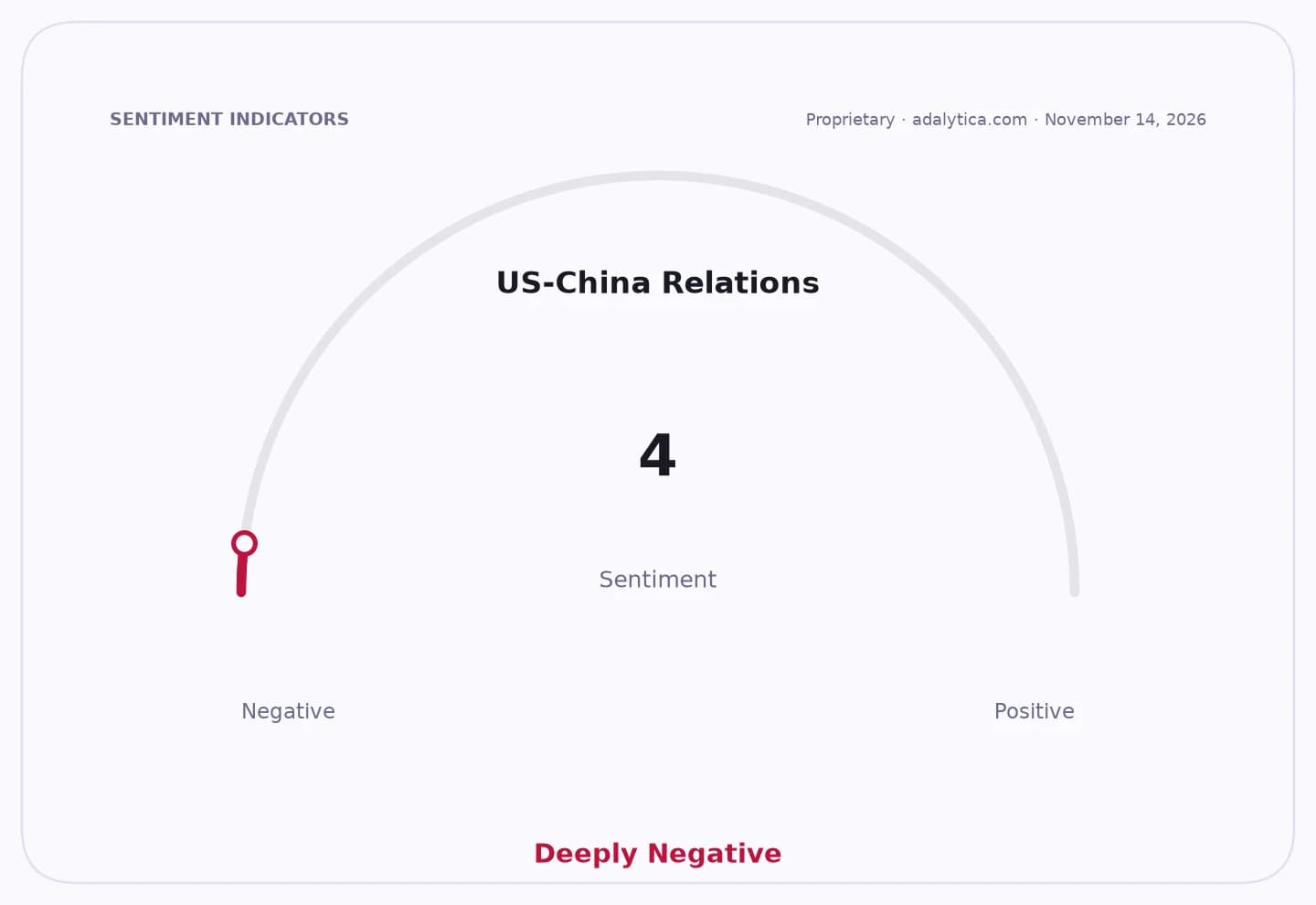
Sentiment Indicators
Geopolitical Risk
For investors, that means the market should not confuse movement with resolution. A paper-thin accord may briefly calm headlines, but it would not remove the strategic uncertainty that hangs over regional supply chains, port infrastructure, maritime insurers and defense spending. If anything, a weak code could preserve the status quo of periodic standoffs between China and the Philippines while giving policymakers cover to claim progress.
The stakes rise as Singapore takes over as ASEAN chair in 2027. Manila has already pushed to finish the code, and ASEAN officials say they expect talks to conclude next year. But pressure for a deadline is exactly what could produce the wrong outcome: a document that is easy to sign and hard to enforce. That would be worse than postponement, because it would validate the criticism that ASEAN remains a talk shop unable to manage one of Asia’s most combustible flashpoints.
Geopolitical Risk vs FXIadalytica.com
Explore this data interactively — full history, time series and cross-market comparisons.
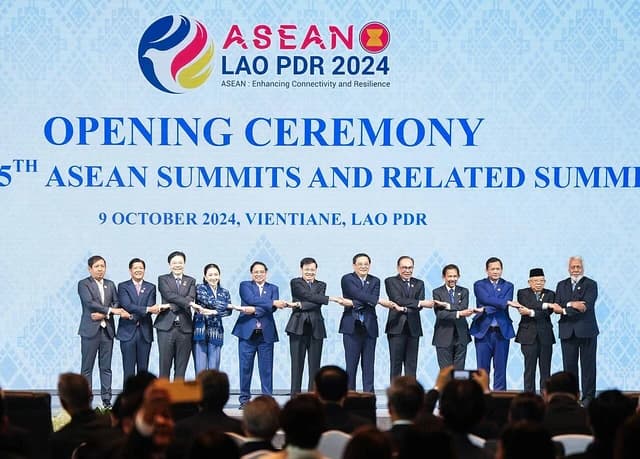
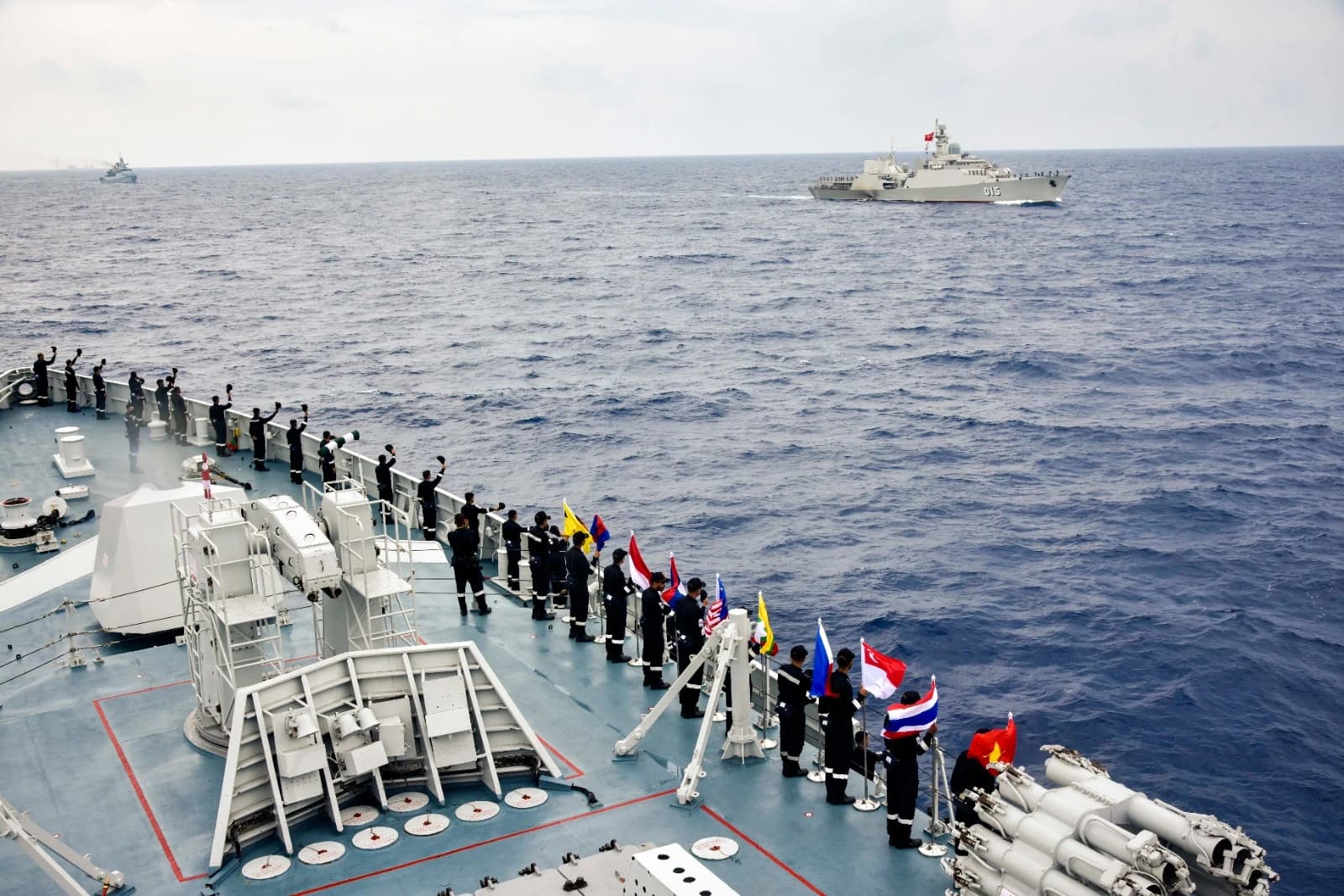
The unresolved provisions are not cosmetic. Beijing’s view of self-restraint could limit military drills with outside powers unless other parties give advance notice and no objection, a formulation many ASEAN states would see as giving China a de facto veto over their defense partnerships with the U.S., India and Japan. Enforcement is just as fraught. Without a credible mechanism to verify breaches and arbitrate disputes, any code risks becoming little more than a rewritten version of the 2002 declaration that did not stop tensions from rising.
That is why the investment implication is not simply “more risk.” It is a clearer divide between winners and losers. Defense contractors, maritime security providers and countries deepening ties with external powers should continue to benefit from prolonged uncertainty. By contrast, any asset class priced for a durable easing in regional friction may be too optimistic. The China-linked trade and market complex still faces recurring headline risk, and the latest technical readings on the FXI China ETF reflect that fragility: it is trading below both its 50-day and 200-day moving averages, with RSI readings in oversold territory, a sign that confidence in a clean geopolitical unwind remains weak.
The broader signal is that ASEAN’s credibility is now part of the economic story. If the bloc settles for a weak agreement, it will not just fail to stabilize the South China Sea; it will also weaken confidence in ASEAN’s ability to protect the rules-based framework that underpins investment, shipping and regional growth. The better trade is to position for a long negotiation cycle, not a premature peace dividend.
| Entity | Gains | Losses |
|---|---|---|
| ASEAN security partners | ▲more demand for defense ties | ▼less room for compromise |
| Defense contractors | ▲higher regional budgets | ▼fewer de-escalation bets |
| Maritime shippers/insurers | ▲pricing power from risk | ▼stability-driven compression |
| China and ASEAN claimants | ▲diplomatic cover from talks | ▼credibility if deal is weak |