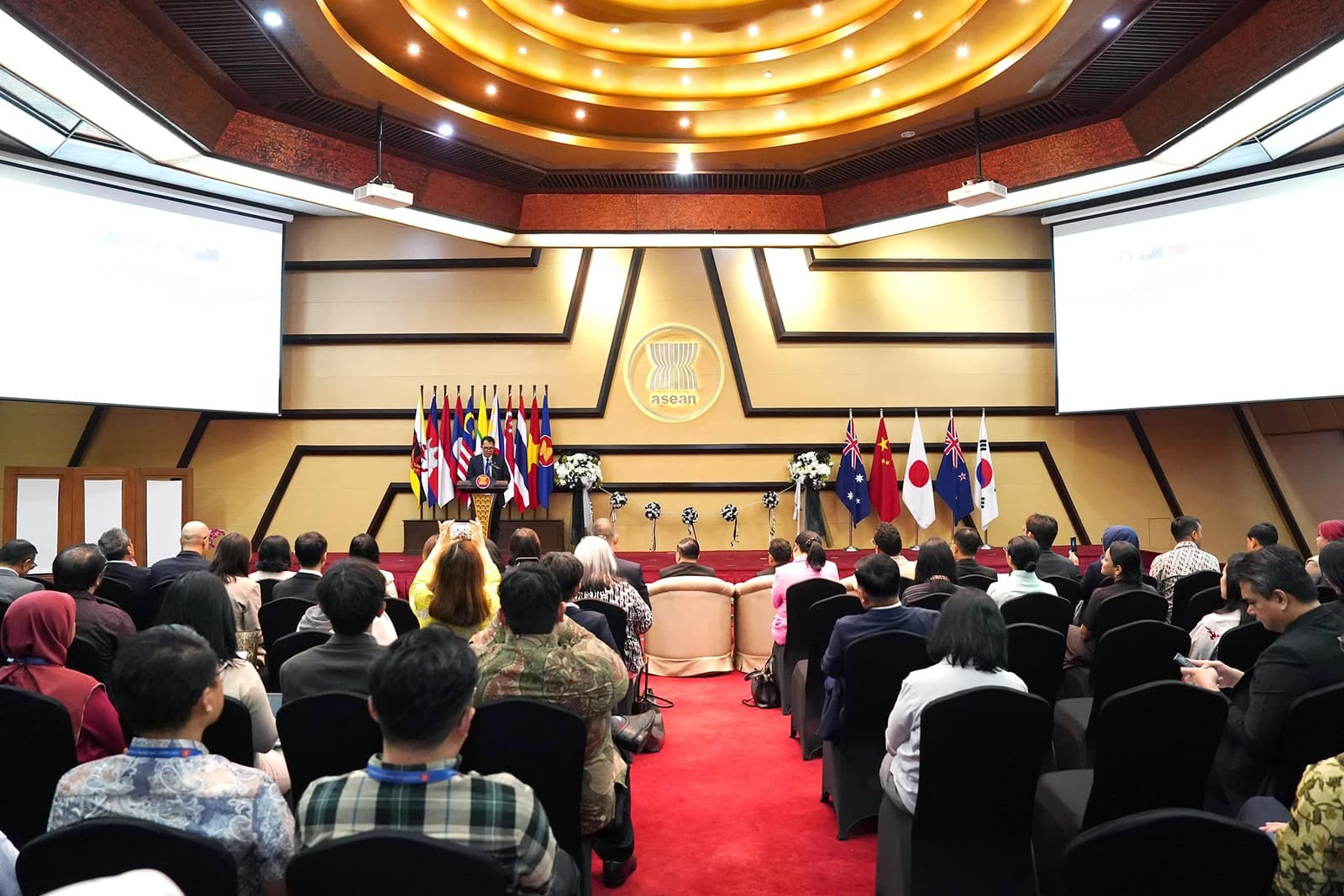
The Solomon Islands has scrapped its China-linked security agreement in favor of a treaty worth about $1 billion with Australia, a sharp realignment in the South Pacific that underscores how the region’s security competition is increasingly translating into hard cash, infrastructure leverage and diplomatic influence.
Solomon Islands Chooses Australia in $1B Security Pact
The move matters well beyond Honiara. Australia is effectively paying up to reassert strategic primacy in a region where Beijing has spent years expanding its reach through policing, infrastructure and political ties. For Canberra, the treaty is both a foreign-policy win and an expensive bid to prevent a China-aligned security foothold so close to Australia’s northern approaches. For China, the loss is a setback in one of the Pacific’s most contested theaters, where access agreements can quickly become gateways to broader commercial and security influence.
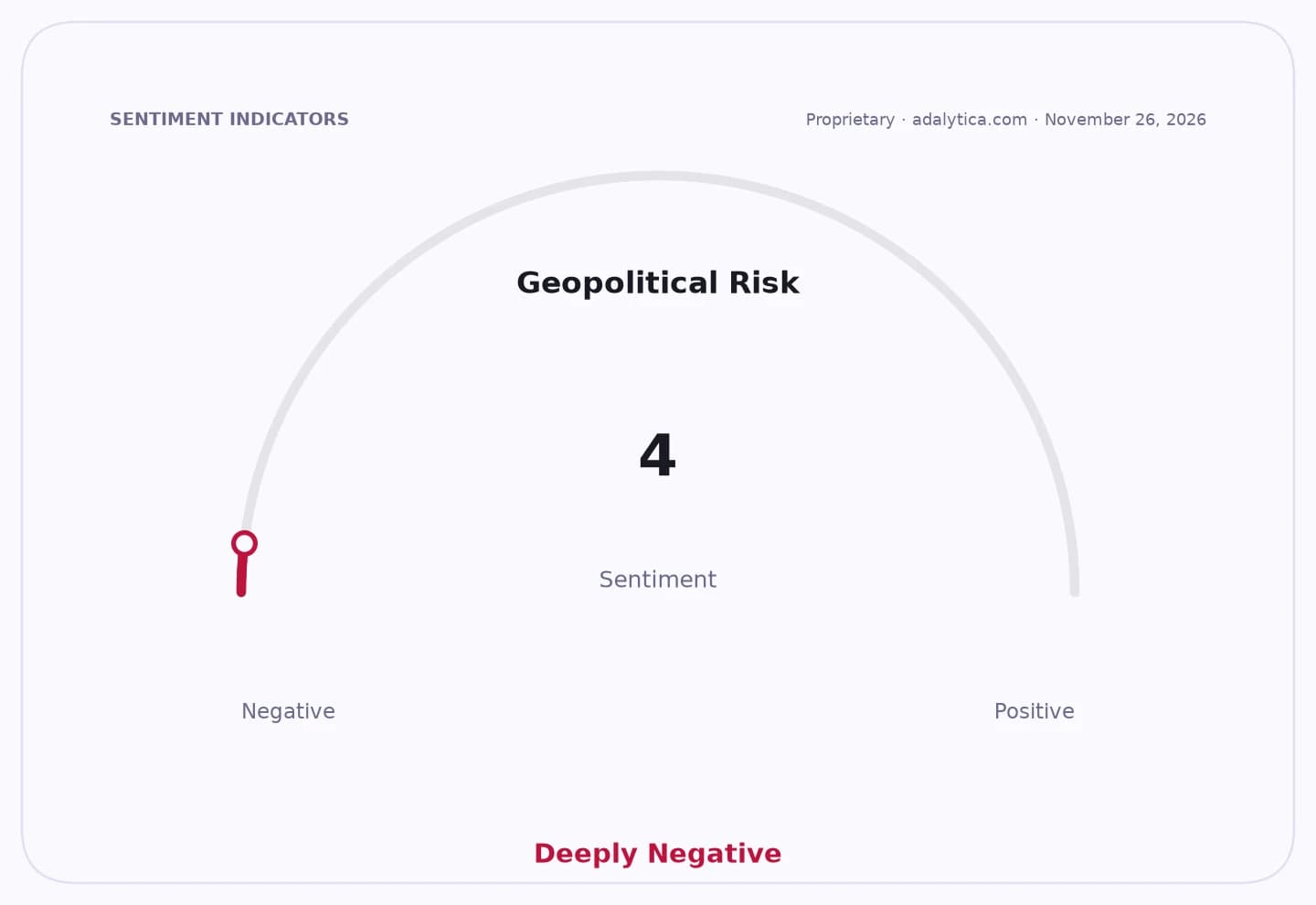
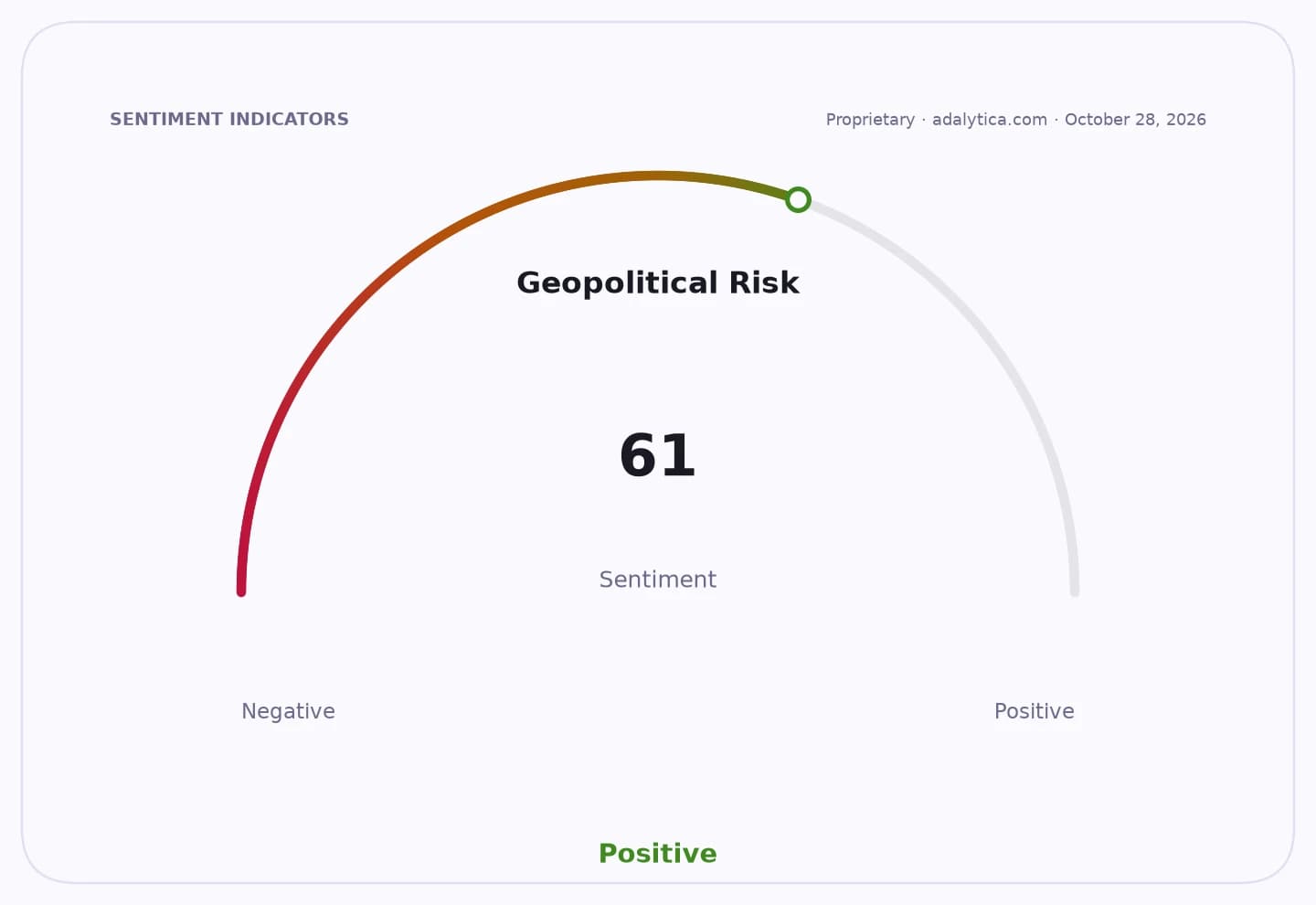
Sentiment Indicators
The size of the package suggests this is more than a symbolic diplomatic reset. A $1 billion commitment is large relative to the Solomon Islands’ economy and highlights how Pacific security arrangements are now being negotiated with aid, funding and long-term support attached. That raises the stakes for neighboring island states, which can expect more competitive bidding from major powers seeking basing access, police training rights, telecommunications influence and political alignment.
For investors, the immediate market impact is likely to show up less in the Solomon Islands than in Australia’s broader strategic and fiscal posture. The treaty could support Australian defense and infrastructure contractors if funding flows into ports, communications, surveillance and logistics. It also reinforces the case for companies exposed to Indo-Pacific security spending, while adding to the long-term strategic risk premium around China-related assets in the region. Conversely, it is another reminder that Pacific geopolitics is becoming more expensive and less predictable, especially for businesses reliant on stable maritime routes and regional policy continuity.
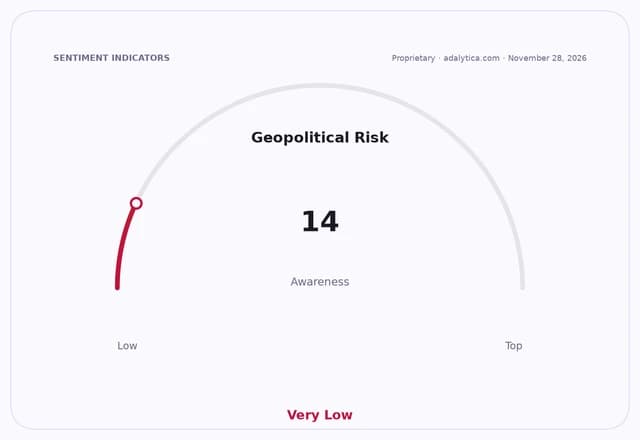
The backdrop is a wider deterioration in U.S.-China relations and an increasingly tense security environment across the Pacific. In that setting, the Solomon Islands’ decision is not an isolated bilateral tweak but part of a larger contest for influence that is reshaping how regional governments finance security and how outside powers buy access. The key question now is whether Australia’s commitment secures durable alignment or merely resets the bidding war for the next Pacific government under pressure.
| Entity | Gains | Losses |
|---|---|---|
| Australia | ▲Strategic influence | ▼Fiscal outlay |
| Solomon Islands | ▲Security support | ▼China leverage |
| China | ▲None | ▼Regional access |
| Defense contractors | ▲Potential contracts | ▼Policy uncertainty |