China’s launch of a foreign astronaut to the Tiangong space station marks a diplomatic milestone as much as a technological one, underscoring Beijing’s intent to turn its independently built orbital outpost into a platform for wider international partnerships.
China Tiangong Hosts First Foreign Astronaut
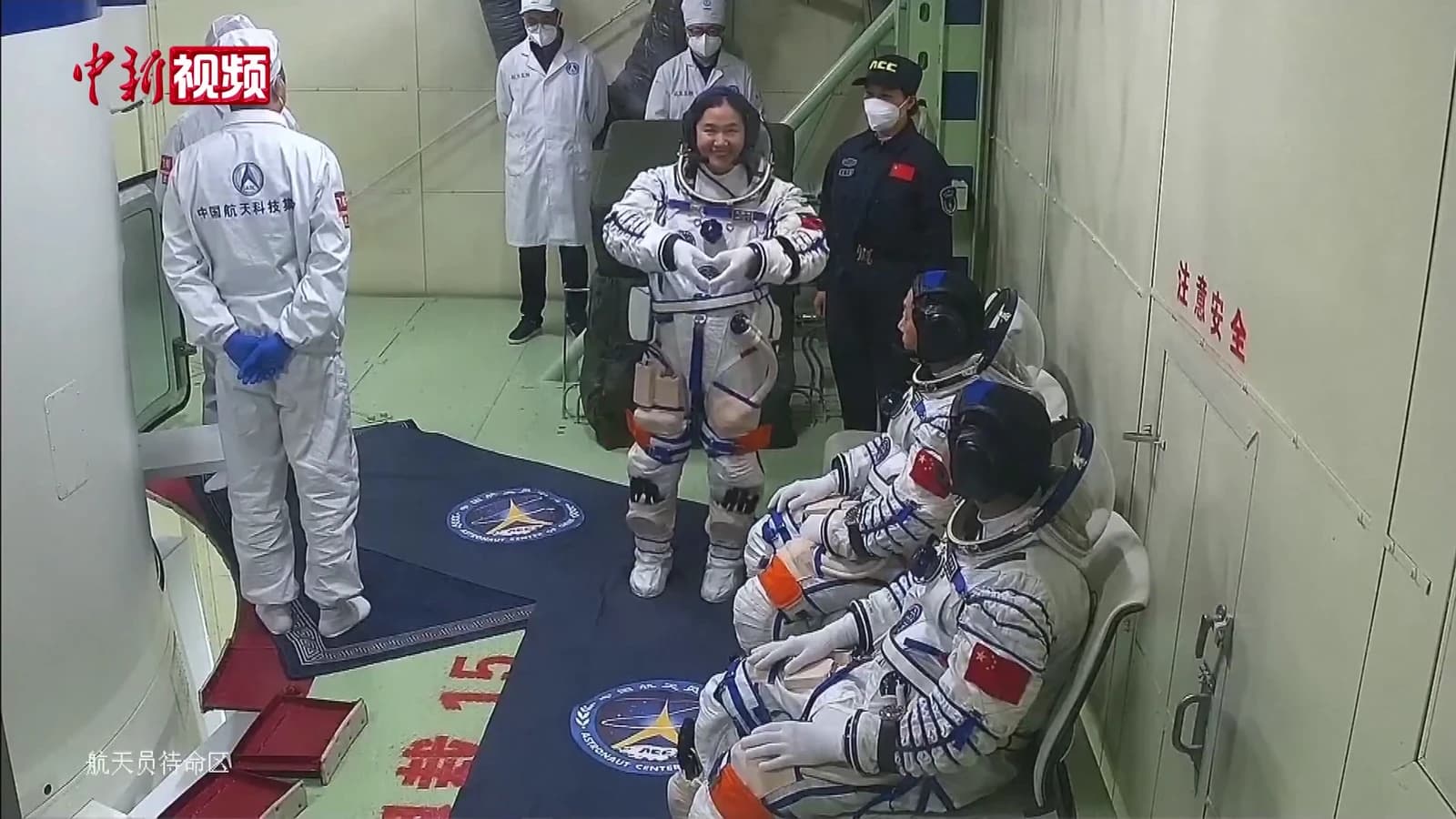
The mission matters economically because it shows China is using space infrastructure not only to demonstrate strategic autonomy, but also to build a broader industrial and geopolitical ecosystem around launch services, crewed missions and downstream aerospace cooperation. For Beijing, opening Tiangong to foreign astronauts expands the value of a program that is already a symbol of national capability and now a potential tool of statecraft.
Sentiment Indicators
For investors, the development reinforces the long-term case for China’s space sector and for contractors tied to human spaceflight, satellite services and launch systems. It also highlights a growing split in the global space race: China is deepening bilateral cooperation with selected partners even as the U.S. and allies keep tightening technology controls and security scrutiny around dual-use aerospace programs.
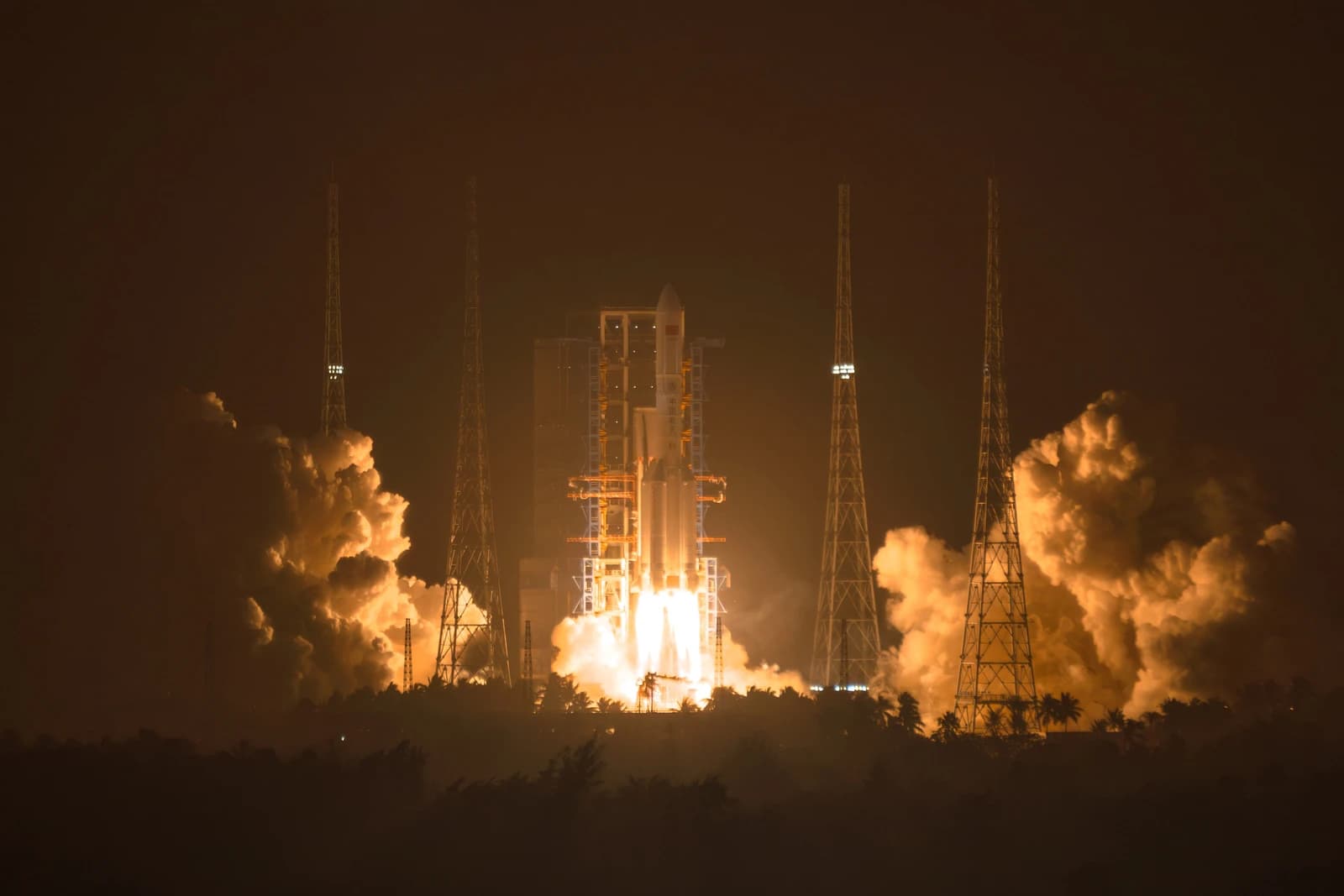
The launch, which carried a foreign astronaut to Tiangong for the first time, adds to the optics of a program that has steadily moved from catching up to competing on its own terms. The symbolic “space handshake” between Chinese and Pakistani astronauts also matters because it signals that Beijing is willing to fold space achievements into broader diplomacy, especially with countries outside the U.S.-led alliance structure.
That has implications beyond prestige. Crewed missions require advanced life-support systems, launch reliability, mission operations and a supply chain that can support repeat flights. As China broadens access to Tiangong, it can more easily justify continued investment in those capabilities and attract partner countries that may seek training, payload access or future joint missions. The result is a potential long-duration demand signal for China’s aerospace and defense-industrial base.
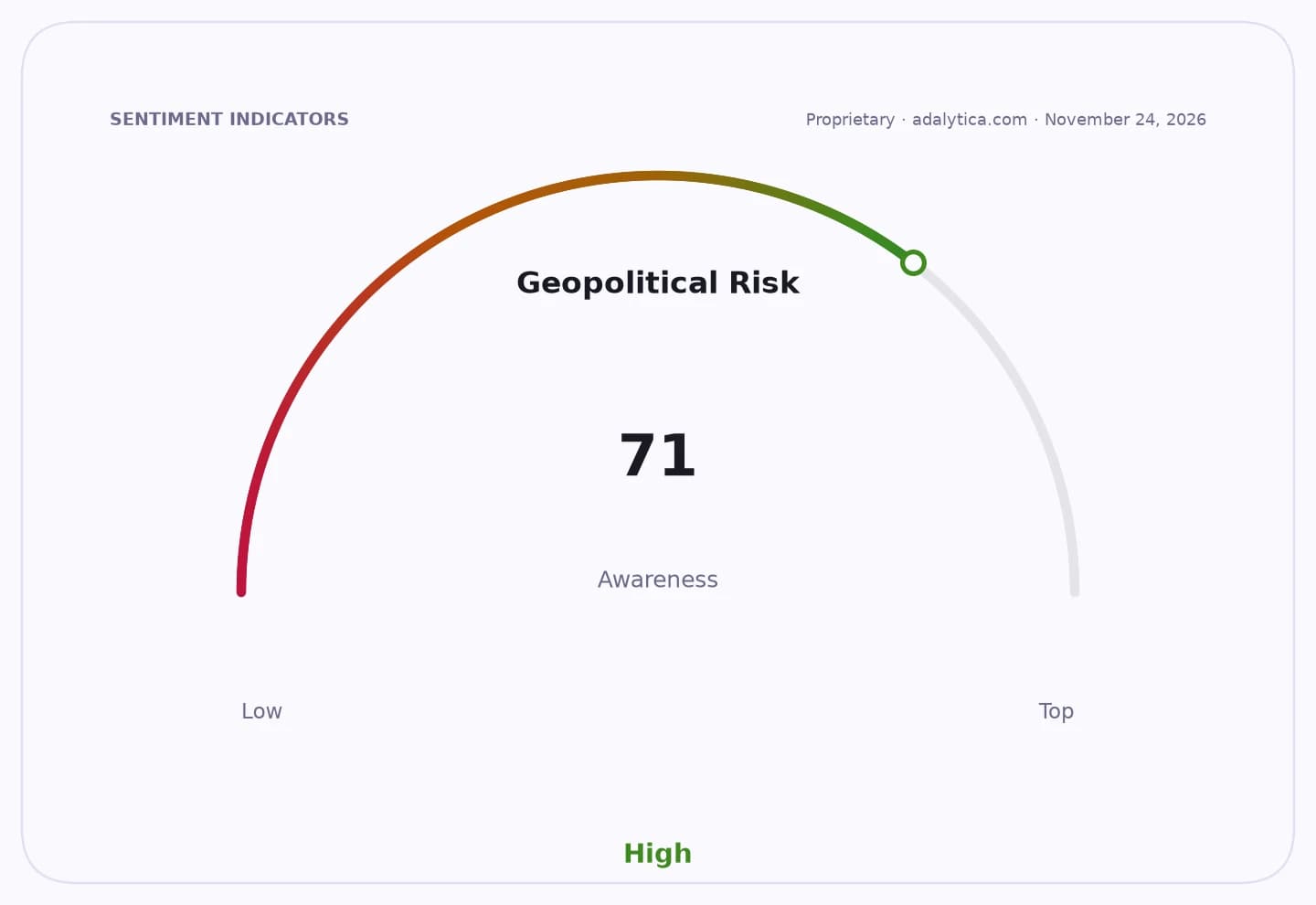
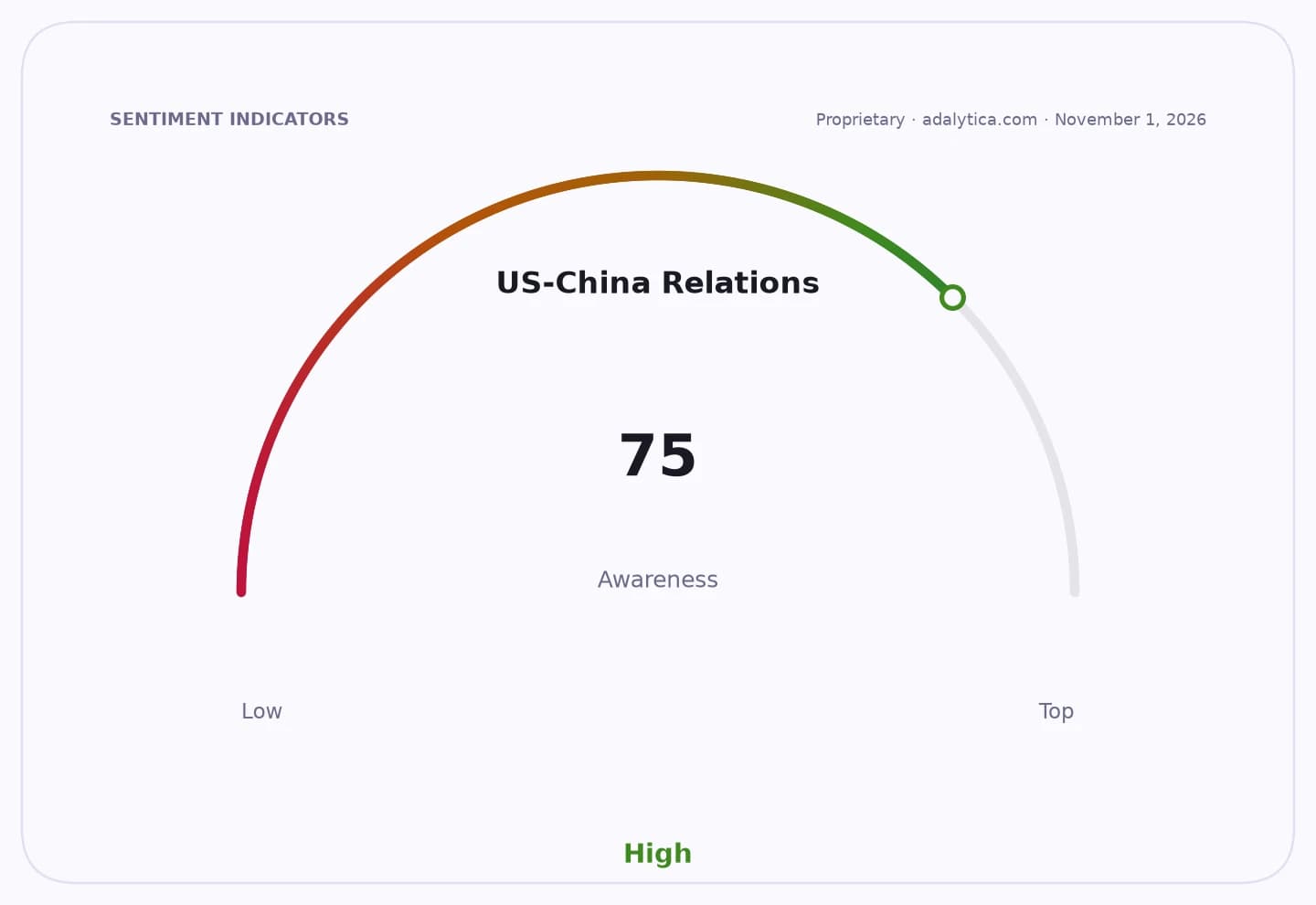
The move also arrives against a backdrop of unusually strained U.S.-China relations, which remain relevant for aerospace investors because the sector is exposed to export controls, procurement restrictions and supply-chain bifurcation. Adalytica’s US-China relations sentiment gauge sits in “Extreme Fear,” while global stability sentiment is also flashing “Extreme Fear,” reflecting the wider geopolitical risk premium hanging over cross-border cooperation.
For listed aerospace names, the read-through is indirect but important. U.S. primes such as Lockheed Martin, Boeing and Honeywell do not benefit from China’s crewed-space opening directly, but the episode underscores how much of the next phase of space investment is being shaped by geopolitics rather than purely commercial demand. In that environment, state-backed programs and domestic champions tend to gain relative advantage, while foreign suppliers face a narrower path into China-linked opportunities.
The bull case is that Tiangong’s foreign-crew debut is a sign of maturity that can unlock more joint missions, deeper scientific collaboration and a larger market for space services across the Global South. The bear case is that the symbolism outruns the economics: limited international access, security concerns and continued rivalry with the U.S. may keep the program politically valuable but commercially contained.
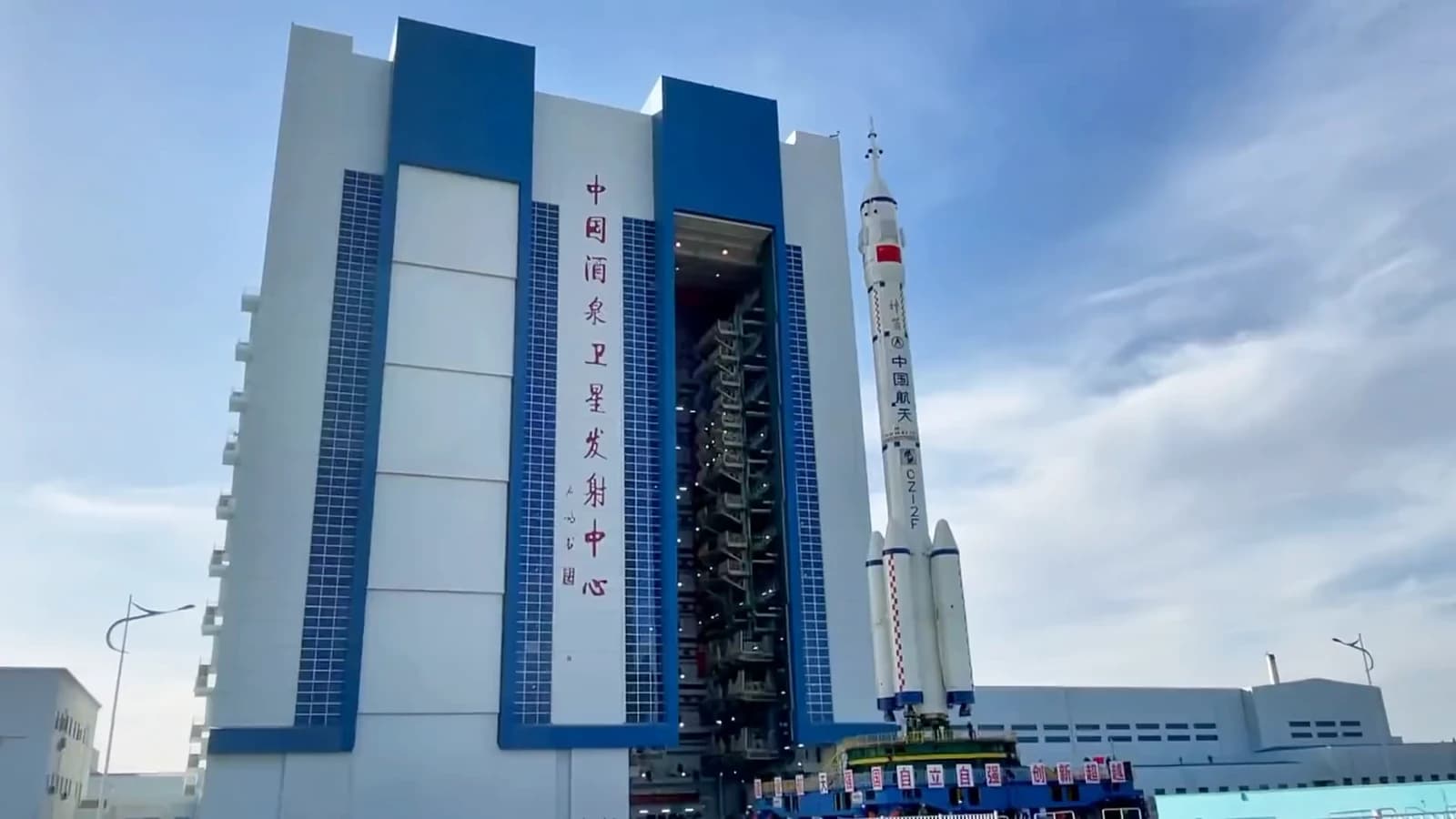
Still, the message from Jiuquan is clear. China wants Tiangong to be more than a national asset; it wants it to be a diplomatic platform, and that could shape where money, partnerships and influence flow in the space industry over the next several years.
| Entity | Gains | Losses |
|---|---|---|
| China space program | ▲Global prestige, partner leverage | ▼Higher diplomatic scrutiny |
| Pakistan | ▲Symbolic status, space cooperation | ▼Dependence on China-led ties |
| U.S.-aligned space rivals | ▲Clearer competitive benchmark | ▼Relative influence in orbit |
| Aerospace suppliers | ▲Potential long-term demand | ▼Tighter geopolitical barriers |