China has launched another nine SatNet internet satellites into low Earth orbit, advancing a state-backed program aimed at building a global broadband constellation that could bolster the country’s digital reach and strategic communications capacity.
China launches nine SatNet satellites
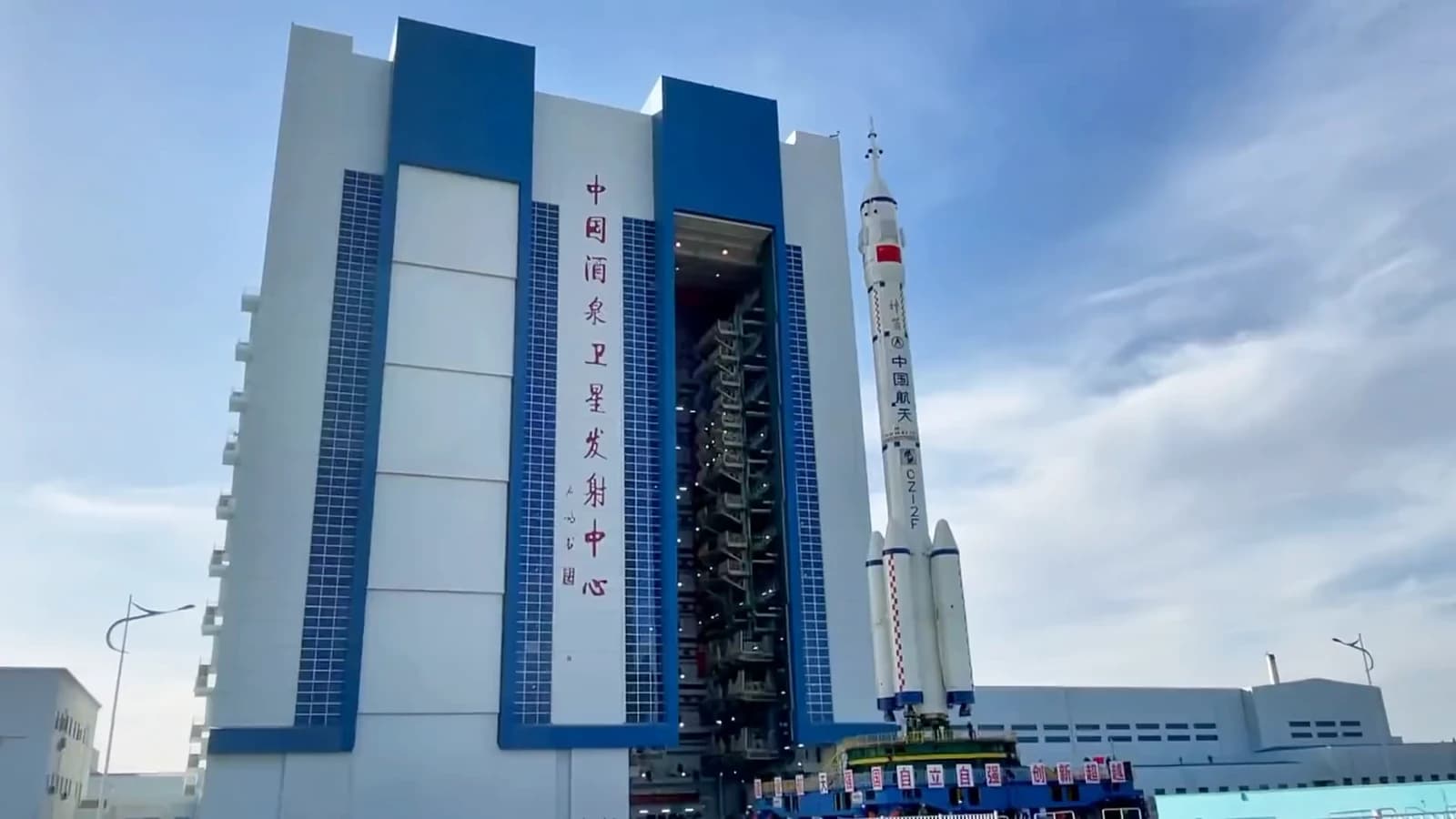
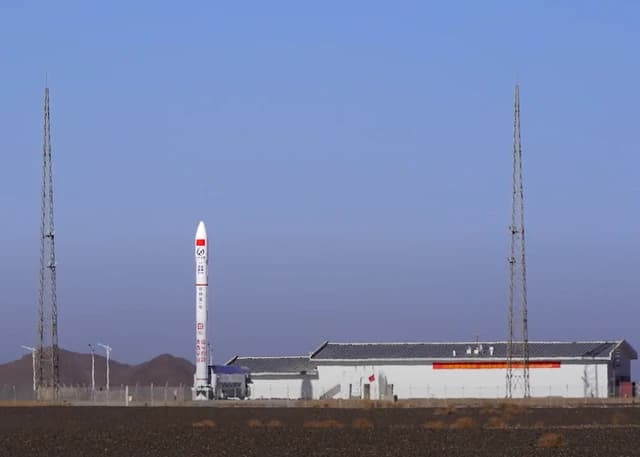
The mission, carried out Monday at 4:24 a.m. Beijing time from the Wenchang spaceport on Hainan island, was executed by a Long March-12 rocket and confirmed by state space contractor CASC, which said all nine spacecraft reached their planned orbit.
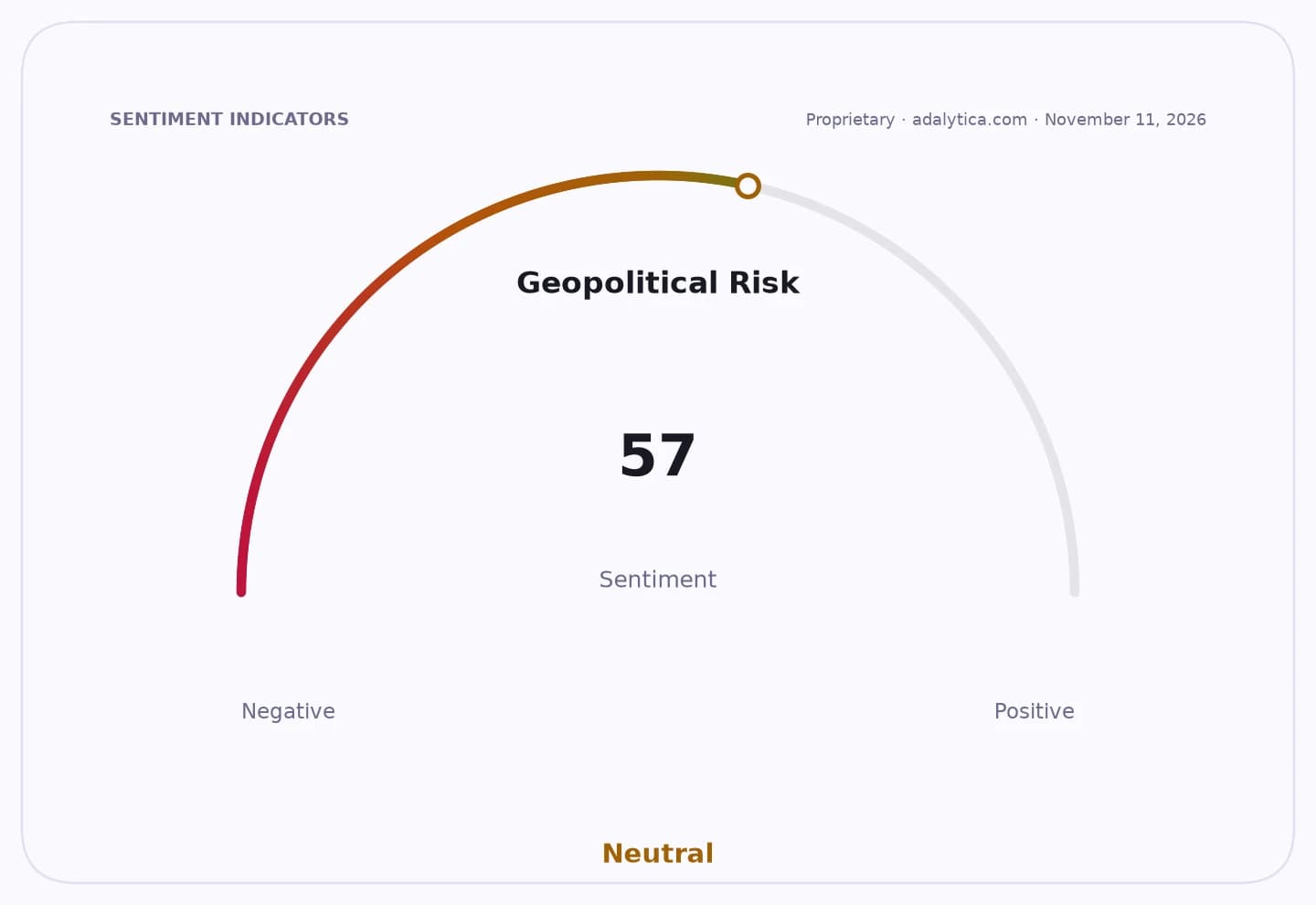
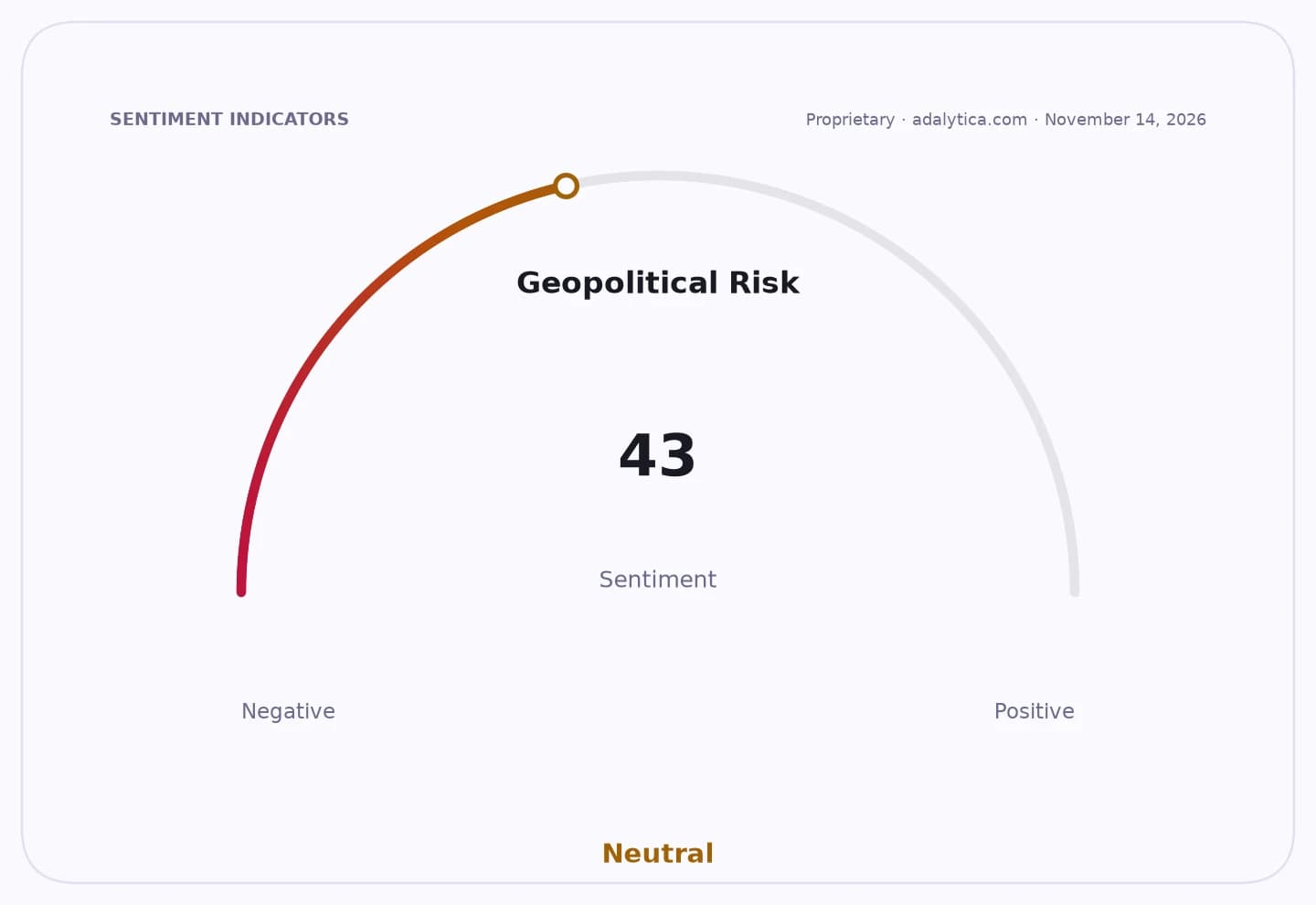
Sentiment Indicators

The launch adds momentum to SatNet, China’s national satellite internet system, which is being developed to provide worldwide broadband coverage while supporting the country’s digital economy and security priorities. For Beijing, the project is part industrial policy, part geopolitical infrastructure: a domestic satellite network reduces reliance on foreign systems and expands China’s potential influence in remote, underserved and strategically sensitive regions.
For investors, the story reinforces the long-cycle buildout in space infrastructure, from launch services and satellite manufacturing to ground systems and communications hardware. It also highlights how satellite internet is becoming a more important layer of national resilience, especially as governments tighten control over data flows, cybersecurity and critical communications.
The development comes as U.S.-China relations remain under strain, with Adalytica’s US–China Relations Sentiment gauge at 4, or “Extreme Fear,” and global stability sentiment also under pressure. That backdrop raises the strategic value of China’s independent space and telecom assets, even if the commercial payoff from SatNet remains years away.
The next catalyst is continued deployment pace: investors will be watching whether China can keep launching at scale and whether the constellation begins to translate into contracts, demand for launch capacity and a wider competitive challenge to global satellite internet providers.
| Entity | Gains | Losses |
|---|---|---|
| China/CASC | ▲Network coverage, strategic autonomy | ▼Near-term capital burden |
| SatNet program | ▲Deployment momentum | ▼Execution and launch risk |
| Global satellite rivals | ▲— | ▼Competitive pressure |
| Launch and space supply chain | ▲More missions, orders | ▼Margin pressure if competition intensifies |