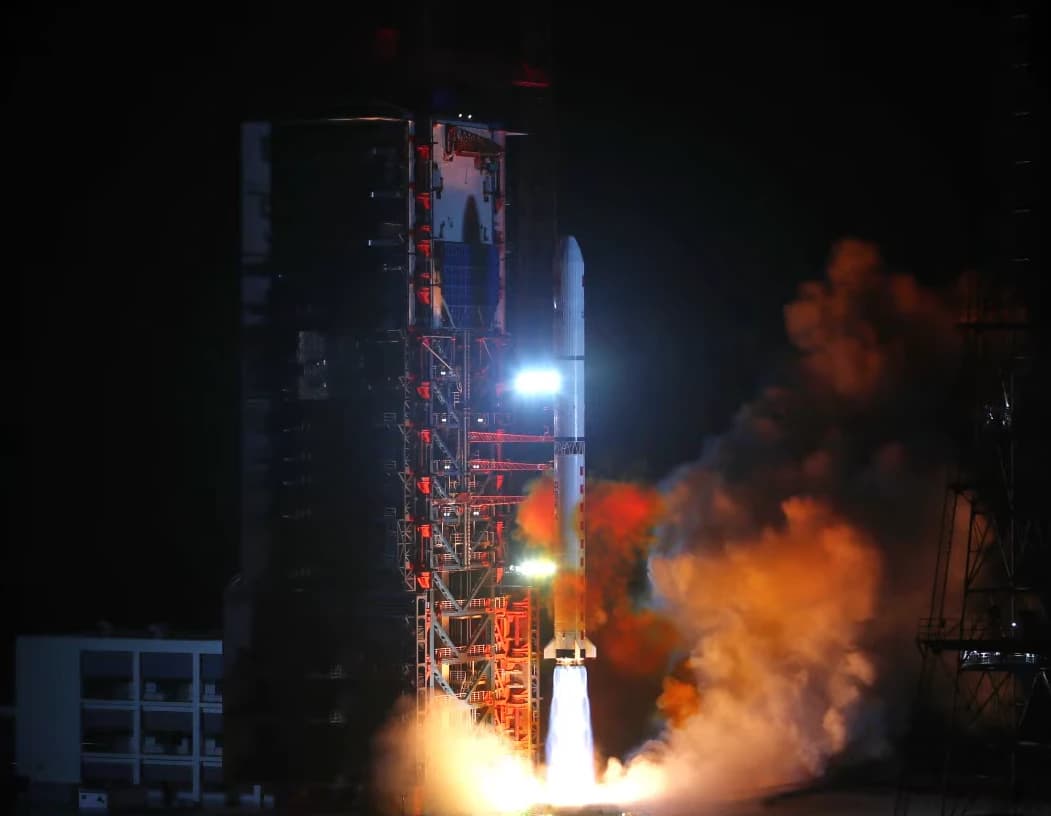
China has launched a new group of remote-sensing satellites, extending a fast-moving space program that has become strategically important for military surveillance, scientific research and the country’s broader contest for technological autonomy.
China launches Yaogan-51 remote-sensing satellites
Geopolitical Risk
The launch of Yaogan-51 satellites 07, 08 and 09 from the Xichang Satellite Launch Center in Sichuan on a Long March-2C rocket underscores how Beijing continues to expand a layered orbital infrastructure that can support intelligence collection and electromagnetic monitoring. For China, these systems are not just about space prestige: remote-sensing assets improve battlefield awareness, maritime monitoring and signals intelligence, while also feeding civilian research and environmental applications.
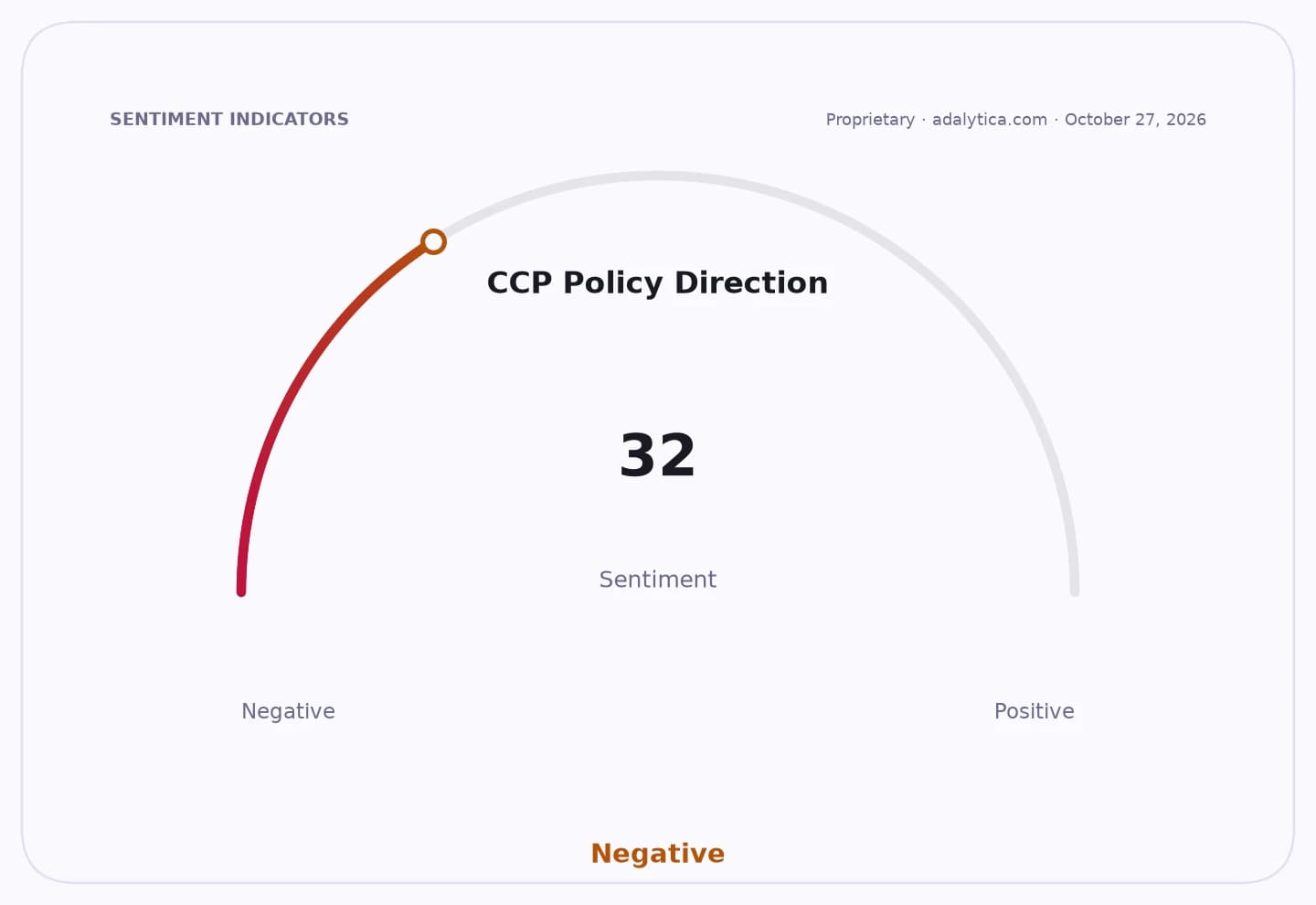
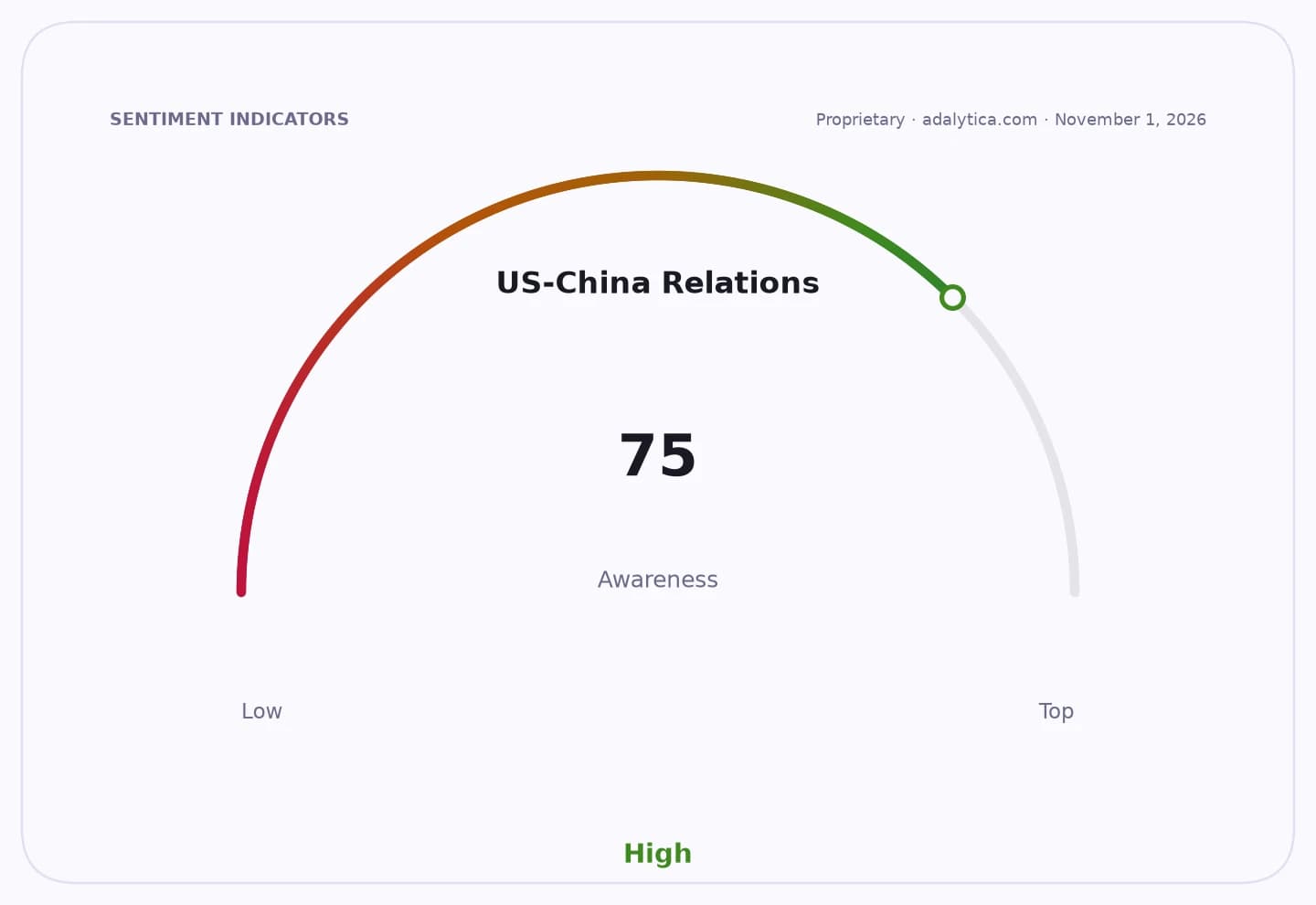
Sentiment Indicators
Xinhua said the satellites entered their planned orbit successfully and will be used mainly for scientific experiments and electromagnetic environment observation. The mission was the 675th launch in the Long March carrier-rocket series, a symbolic marker of the scale and maturity of China’s launch cadence. In practical terms, it also reflects a launch system that is increasingly routine, which lowers the operational barrier to filling out constellations with more frequent deployments.
The development matters geopolitically because it comes as China accelerates a long-term buildout of space-based capabilities across communications, Earth observation and navigation. Recent launches of low-Earth-orbit internet satellites show that Beijing is pursuing both commercial and dual-use space assets in parallel. That mix gives China more resilience in communications and surveillance, and complicates efforts by rivals to gauge exactly how much of the program is civilian versus security-related.
For investors, the immediate read-through is to defense, satellite and aerospace supply chains rather than to Chinese equities alone. A sustained Chinese launch rate supports demand for launch services, sensors, satellite components, ground systems and related software. It also reinforces the strategic case for U.S. and allied spending on space situational awareness, missile warning and counterspace systems. That is constructive for contractors with exposure to space electronics, command-and-control architectures and propulsion, while raising competition risks for Western firms that face a more capable Chinese space industrial base.
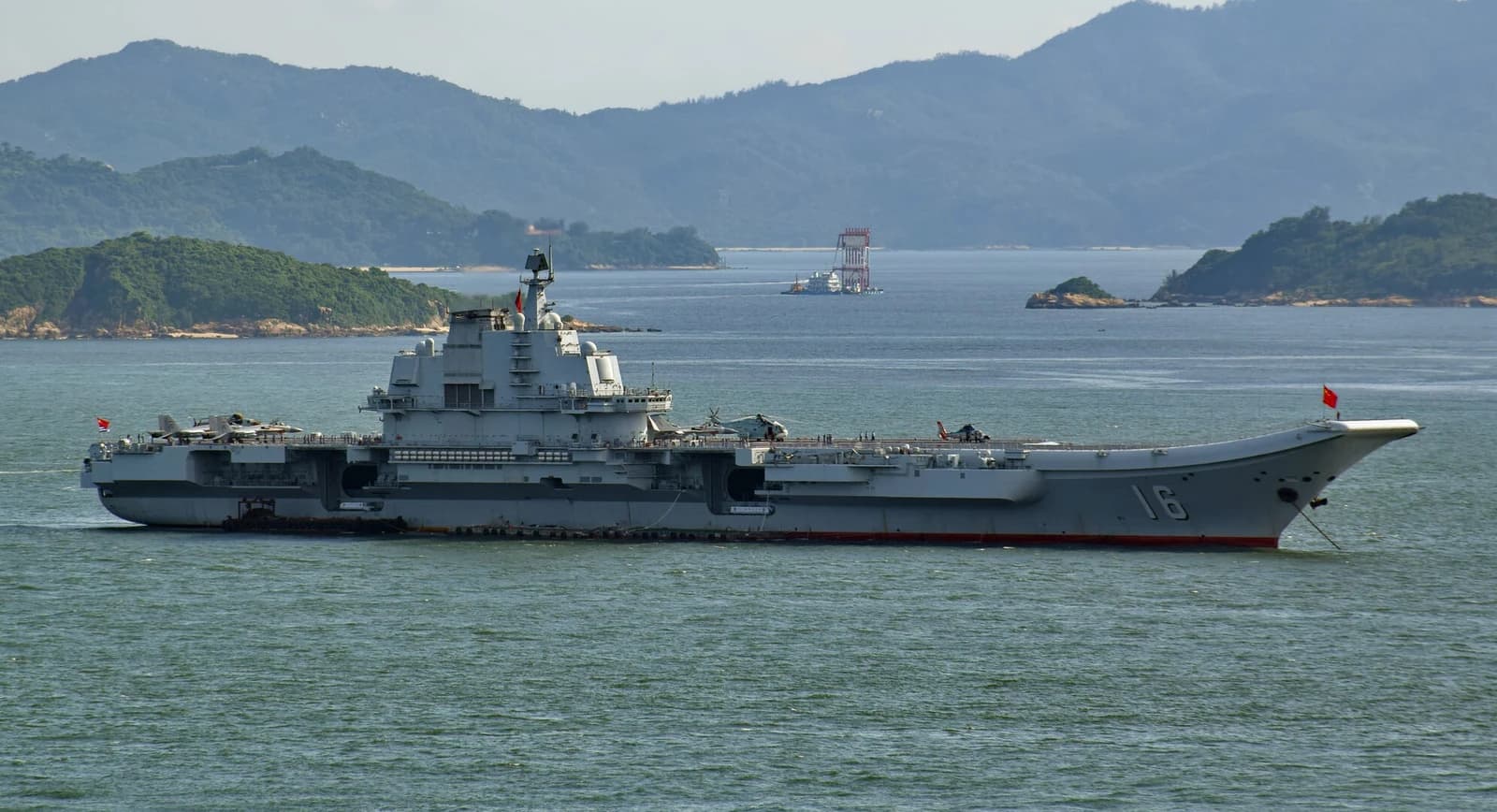
The bullish case for China is that scale eventually translates into capability: more launches mean denser coverage, better data refresh rates and greater redundancy. The bear case is that the program’s military overtones will intensify scrutiny from Washington and its allies, potentially deepening export controls, procurement restrictions and investment constraints around sensitive technologies. Either way, the launch adds another data point showing that space is now a central theater in U.S.-China strategic competition, not a side project.
The key catalyst to watch is whether China keeps pairing remote-sensing missions with internet, navigation and crewed-space milestones. If it does, the country’s space program will increasingly function as an integrated national-security and economic asset — and investors will need to treat space not as a niche, but as a structural defense and technology theme.
| Entity | Gains | Losses |
|---|---|---|
| China space program | ▲Broader orbital capability | ▼Greater international scrutiny |
| Chinese defense and aerospace suppliers | ▲More launch demand | ▼Tighter export controls |
| U.S. and allied space contractors | ▲Higher counterspace spending | ▼More intense competition |
| Rivals monitoring China | ▲More clear evidence of scale | ▼Strategic ambiguity narrowing |