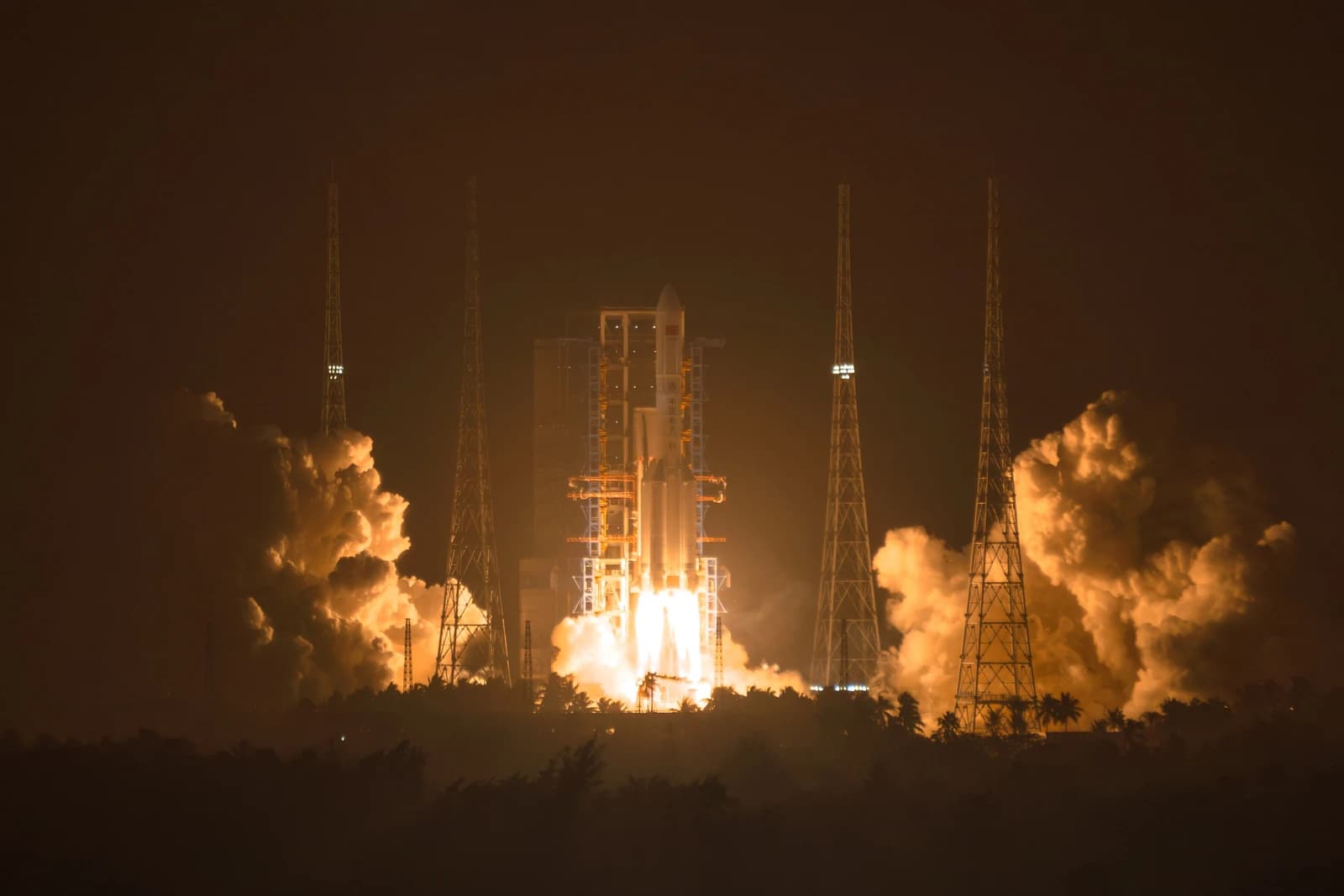
China successfully put a new satellite group into orbit on Tuesday, extending a rapid expansion of its space infrastructure that has drawn closer scrutiny from Washington and underscores how satellite deployment has become a strategic as well as commercial contest.
China Satellite Launch Adds Orbital Capacity
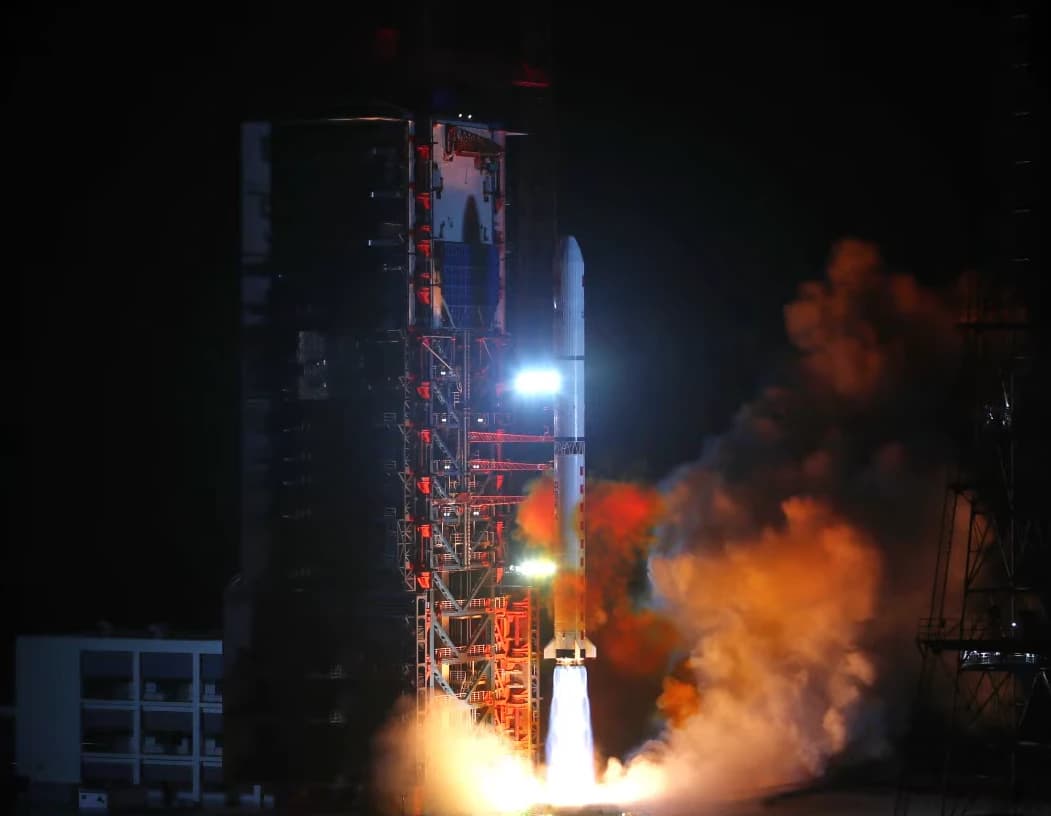
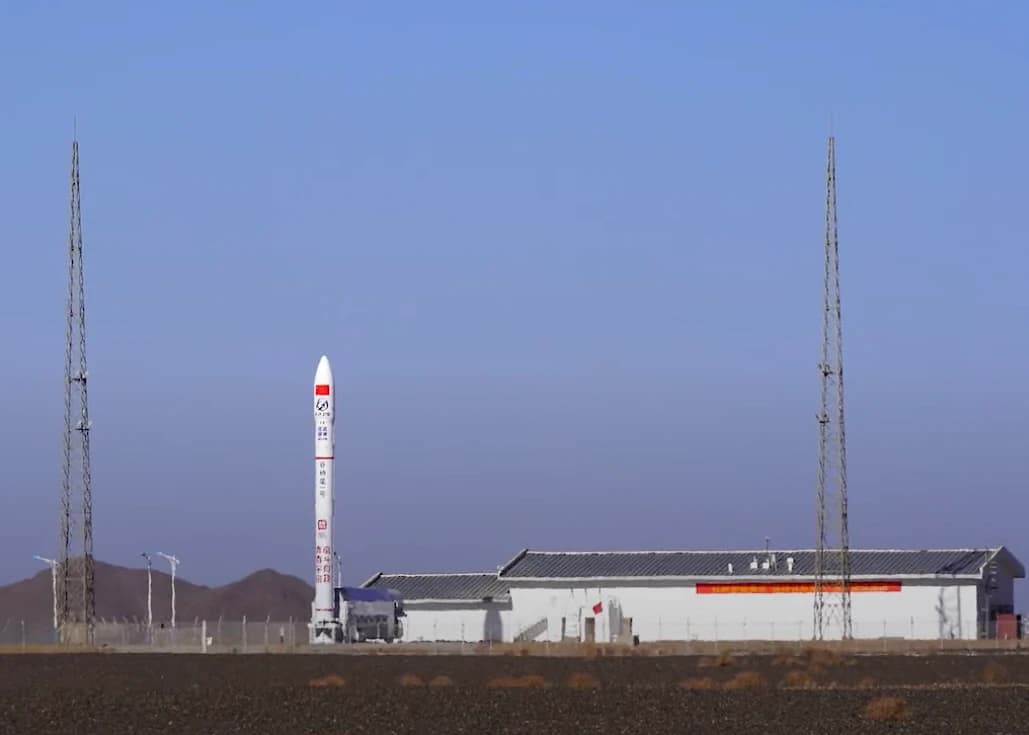
The launch of the Lijian-2 Y2 carrier rocket from the Dongfeng commercial space innovation pilot zone in northwest China adds to Beijing’s push to build out orbital capacity across communications, navigation and other dual-use applications. In economic terms, that means more demand for launch services, satellite manufacturing and downstream data networks; in geopolitical terms, it adds another layer to the race for space domain awareness and resilience in low-Earth orbit.
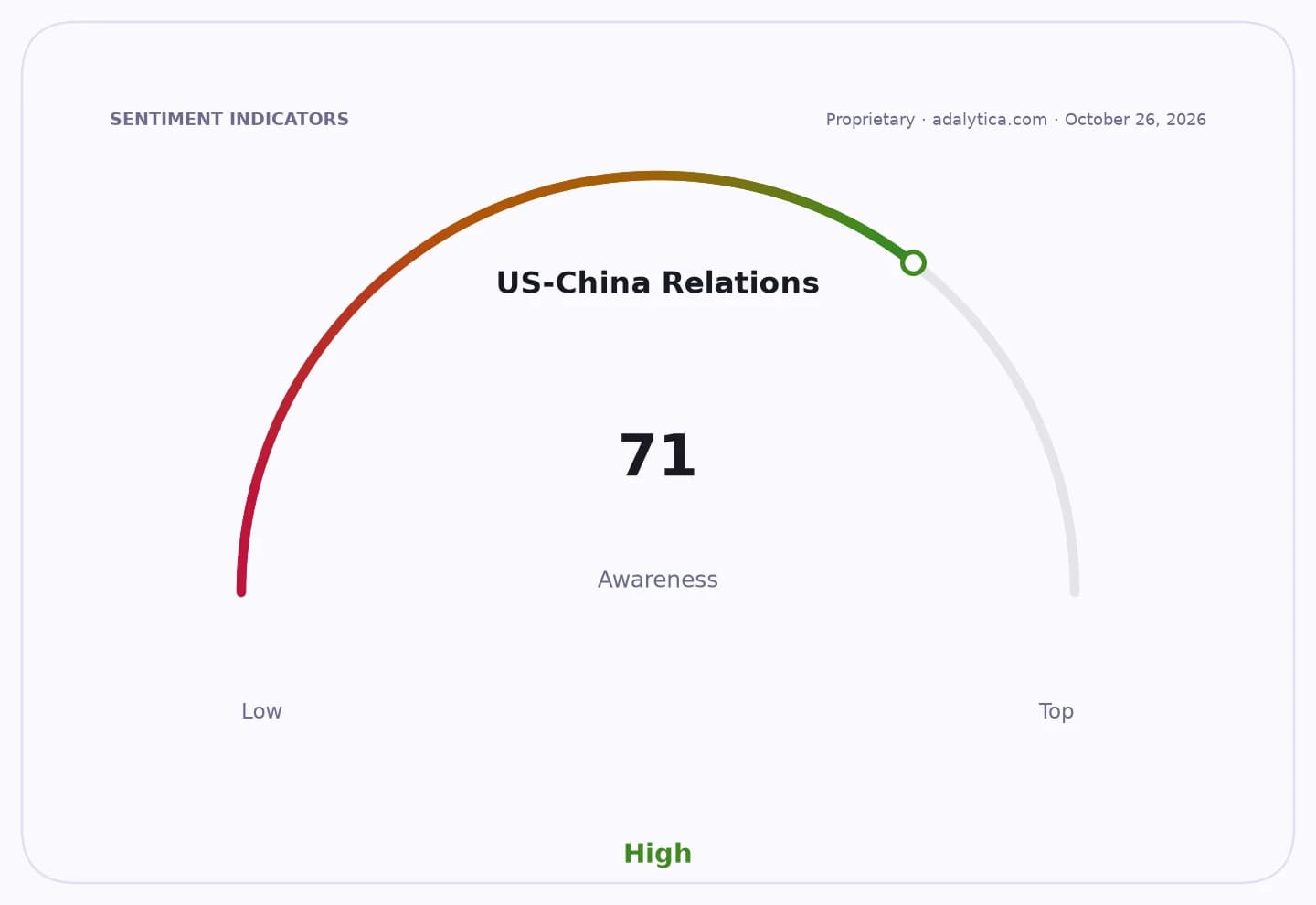
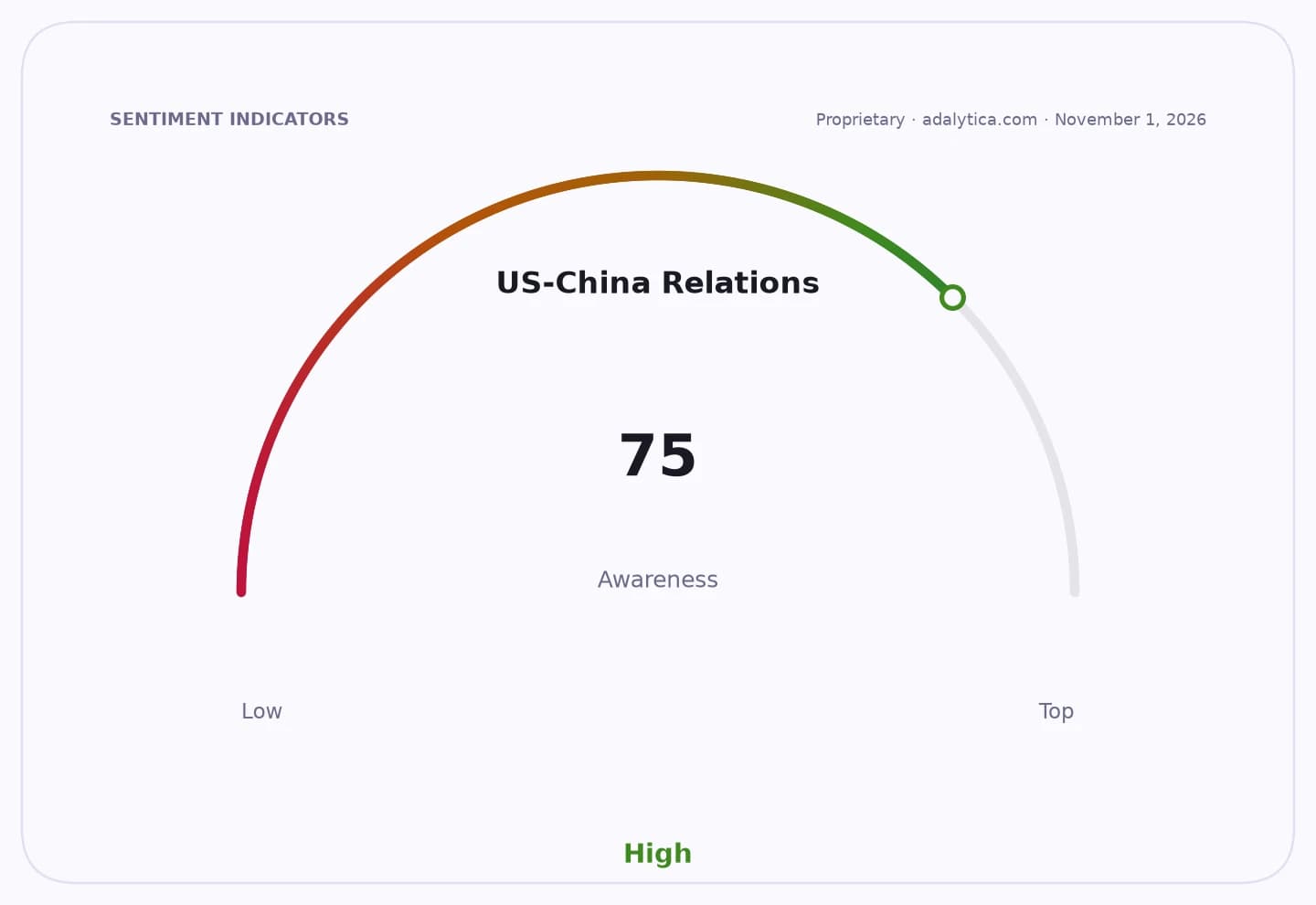
Sentiment Indicators
The timing matters because the launch lands amid rising US concern over China’s space program, including recent disclosure of images of the secretive Shenlong space plane docked with another object in orbit. That revelation sharpened fears in Washington that China is developing increasingly sophisticated rendezvous, inspection and potentially military space capabilities, even as Beijing continues to present much of its orbital buildout as civilian and commercial in nature.
For investors, the significance is less about the single mission than the scale of the ecosystem it points to. More Chinese launches imply a larger market for launch vehicles, payload integration, ground systems and satellite-linked services, while also reinforcing the strategic importance of commercial space operators globally. The stock market has already shown how sensitive satellite names can be to launch cadence and contract visibility, with US-listed peers such as Iridium, Globalstar and AST SpaceMobile all trading against a backdrop of heavy volatility and investor focus on execution, spectrum access and orbital deployment.
The broader narrative is that space is moving deeper into the center of industrial policy and national security competition. China’s repeated launches, alongside its manned lunar ambitions and growing internet satellite plans, suggest it is building an orbital architecture meant to be more resilient, more crowded and harder to disrupt. That raises the stakes for US defense planners and for commercial satellite companies that will compete not just on technology and economics, but on access to spectrum, launch capacity and geopolitical tolerance.
For markets, the near-term read-through is constructive for launch and satellite supply chains, but the medium-term backdrop is more complex. More activity in orbit can support demand, yet it also increases the risk of regulatory friction, export controls and strategic decoupling across the space sector. Investors will be watching whether China’s launch tempo accelerates further and whether the Pentagon responds with faster procurement, deeper industrial spending and tighter scrutiny of commercial space technology flows.
| Entity | Gains | Losses |
|---|---|---|
| China space sector | ▲More launch demand | ▼Higher scrutiny |
| Defense contractors | ▲Faster space spending | ▼Greater policy risk |
| US satellite peers | ▲Industry attention | ▼Competitive pressure |
| US policymakers | ▲Stronger rationale for spending | ▼Lower strategic breathing room |