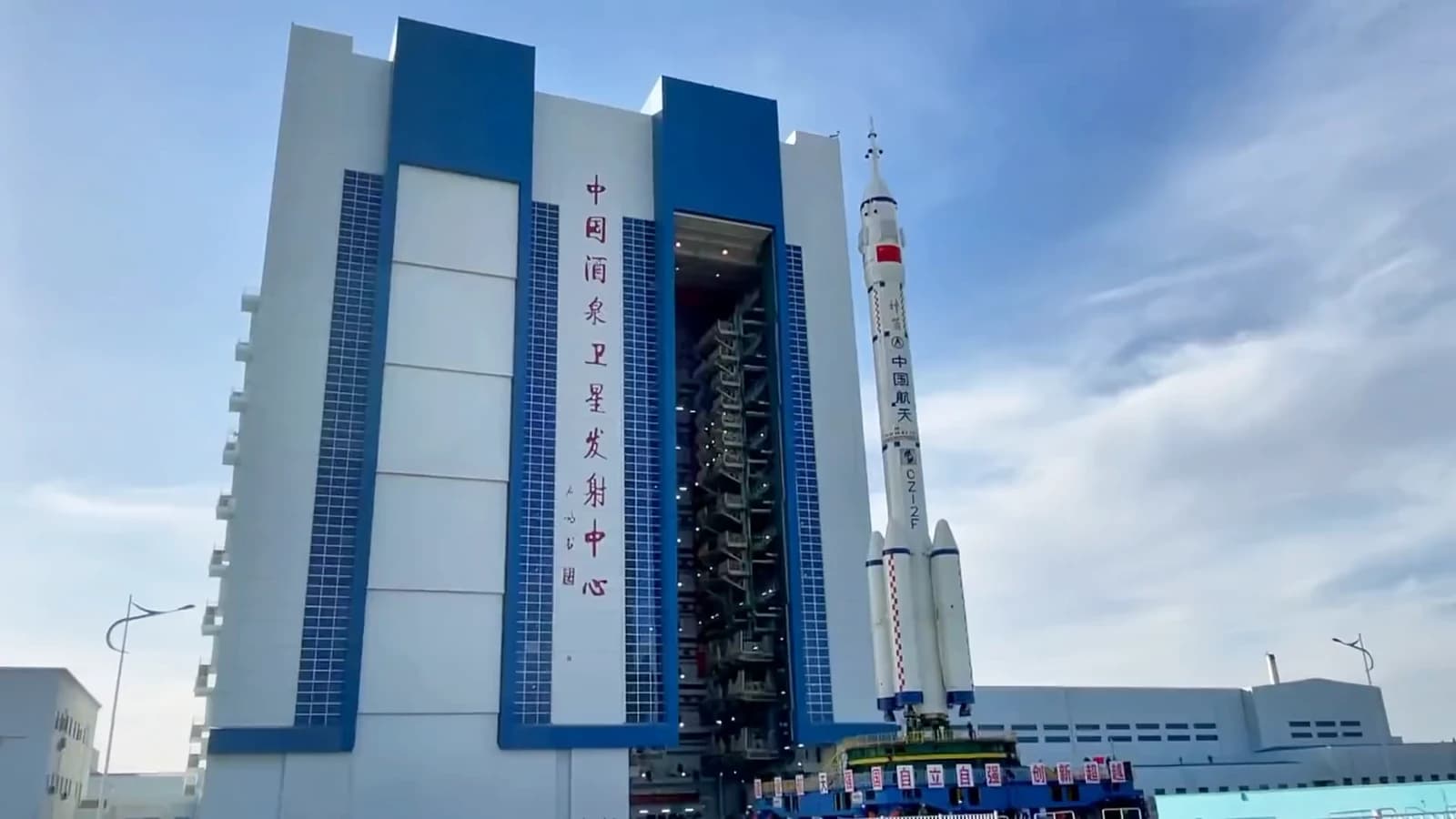
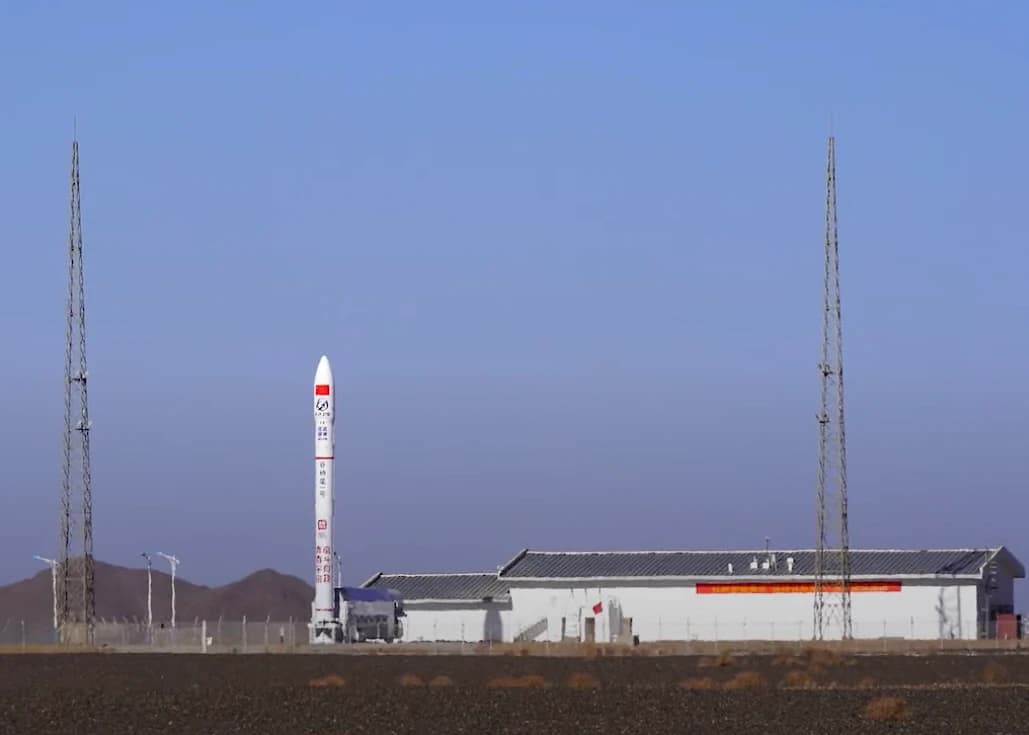
China’s successful launch of four satellites on Galactic Energy’s CERES-2 rocket is another sign that the country’s commercial space industry is moving from experimentation to repeatable business.
China Galactic Energy CERES-2 Launch Success
That matters because launch capability is the bottleneck behind everything from Earth observation to internet megaconstellations and defense-linked space systems. Once a rocket can reliably put payloads into orbit on schedule, it becomes more than a science project; it becomes infrastructure. For China, each successful flight strengthens a domestic launch market that is trying to reduce dependence on state-heavy programs and compete for a growing wave of small- and medium-satellite demand.
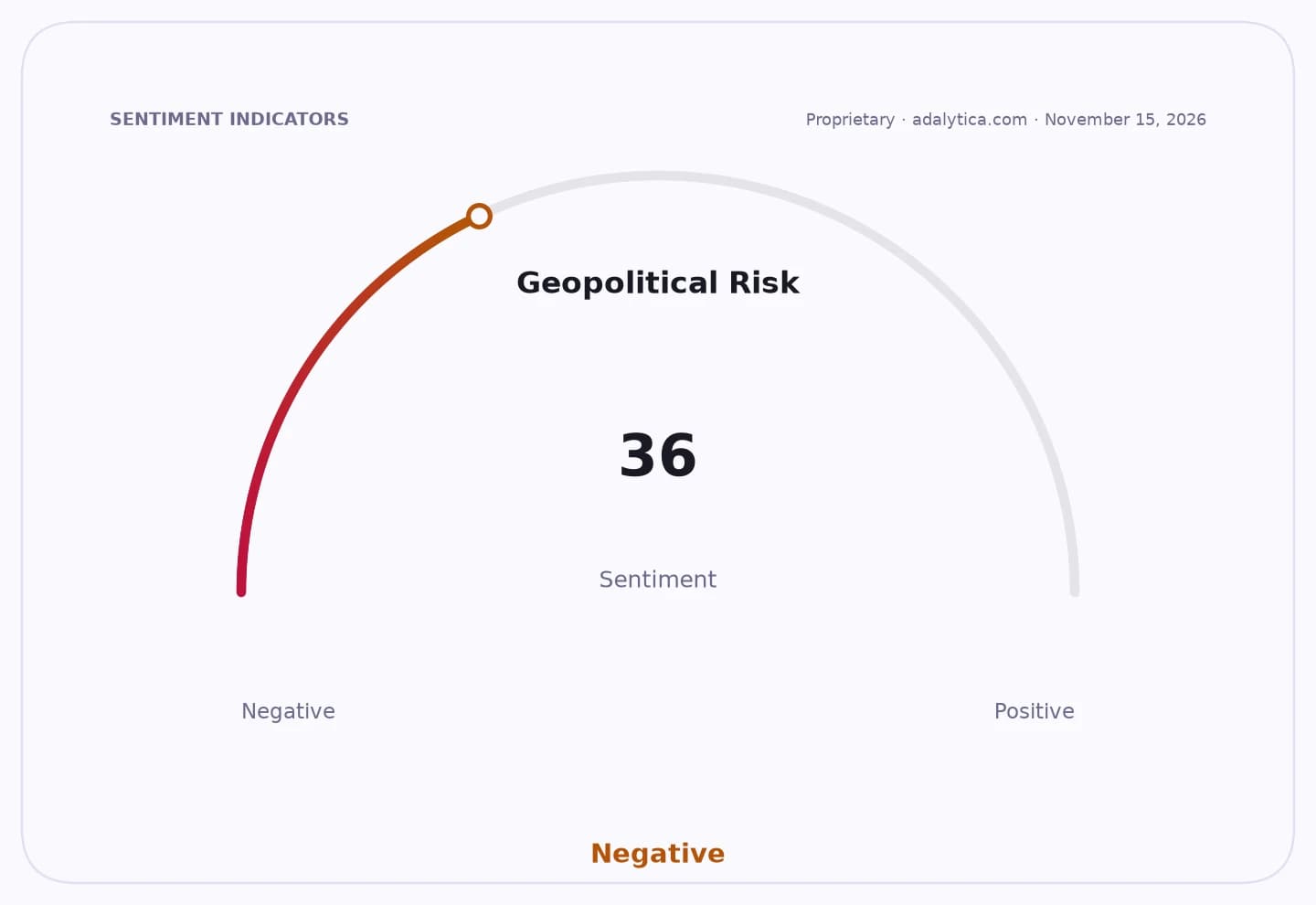
Sentiment Indicators
Galactic Energy said the medium-class CERES-2 completed its first successful launch, placing all four satellites into a 535-kilometer sun-synchronous orbit. The rocket, with a launch mass of about 100 tons and capacity of up to 1.3 tons to that orbit, is designed for commercial deployments and can be launched from land or sea platforms. That flexibility is important in a market where customers want more frequent launches, more tailored inclinations and lower costs.
The payloads themselves also show where the opportunity lies. The satellites are aimed at ocean remote sensing, commercial meteorology, university research and space environment monitoring. Those are not one-off missions; they are the building blocks of recurring services. In other words, the demand is shifting from simply getting hardware into orbit to building constellations that generate data, subscriptions and long-lived cash flow.
For investors, the launch reinforces a broader trend: space is increasingly becoming a pick-and-shovel industry. Companies that can manufacture rockets, integrate satellites, provide launch services or sell the data those satellites produce stand to benefit as the market matures. That includes U.S. names such as Rocket Lab, which has built a launch-and-space-systems model around frequent missions and small-satellite demand, and AST SpaceMobile, which depends on affordable and reliable access to orbit to expand its network. Competition may intensify, but the addressable market also grows when more launch providers prove they can fly successfully.
China’s advance also fits into the bigger geopolitical picture. The latest launch comes as U.S.-China relations remain under heavy strain, and space is one of the arenas where strategic competition is most visible. A stronger Chinese launch sector means more domestic capability for civil programs and more optionality for government and dual-use missions. That keeps the space race from being just a technological story; it is also an industrial-policy story.
The long-term takeaway is simple: successful launches like CERES-2 are how commercial space moves from promise to platform. Investors do not need to predict every mission to benefit from the trend. They need to own durable businesses with real moats, improving launch cadence and exposure to satellite demand over the next three to 10 years. This is a space to watch closely, not chase blindly.
| Entity | Gains | Losses |
|---|---|---|
| Galactic Energy | ▲Credibility and launch revenue | ▼Development risk eases |
| China’s space industry | ▲More launch capacity | ▼Dependence on rivals falls |
| Small-satellite customers | ▲Lower-cost access to orbit | ▼Fewer launch bottlenecks |
| Global launch rivals | ▲Bigger market opportunity | ▼More competition on price |