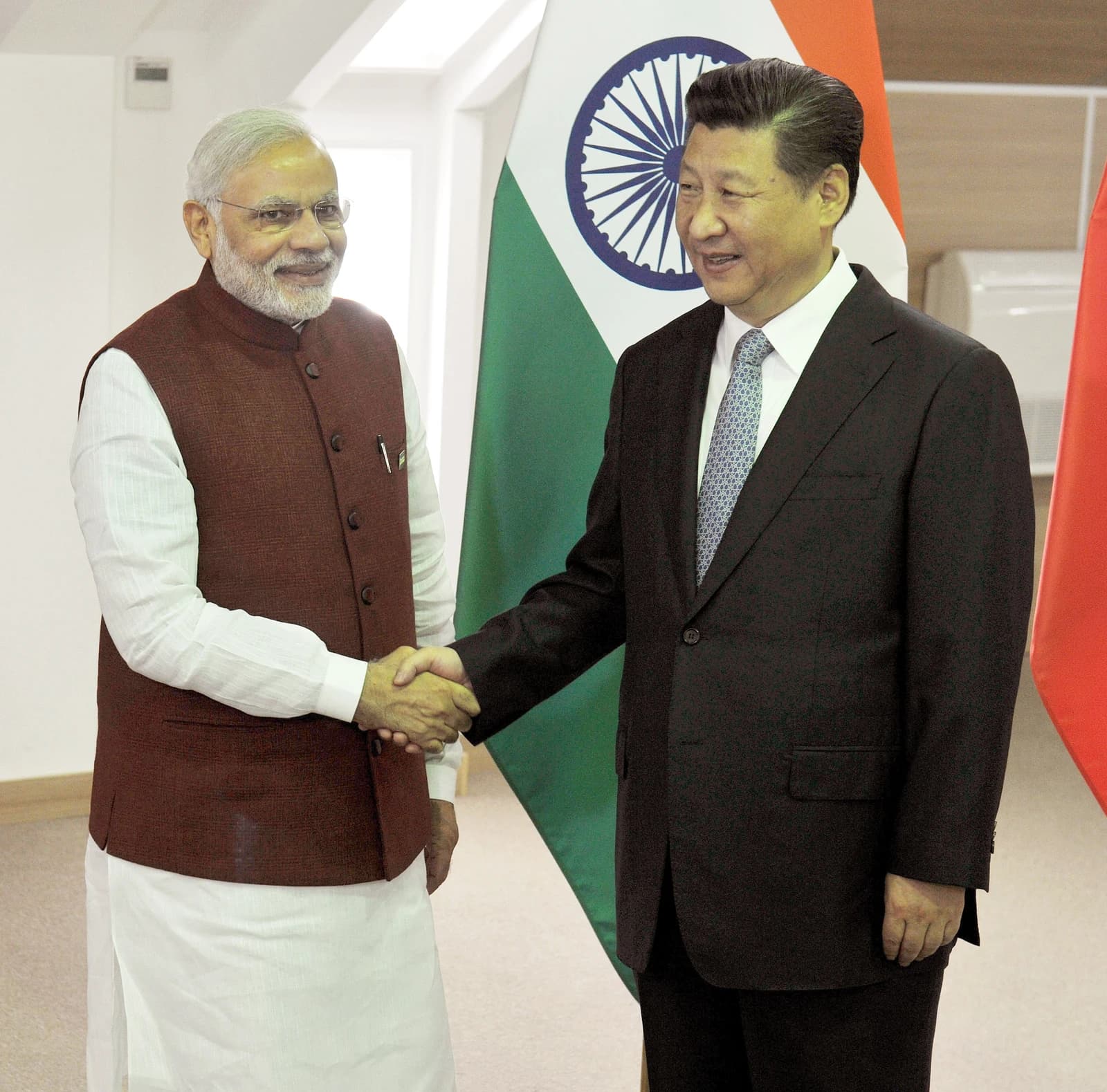
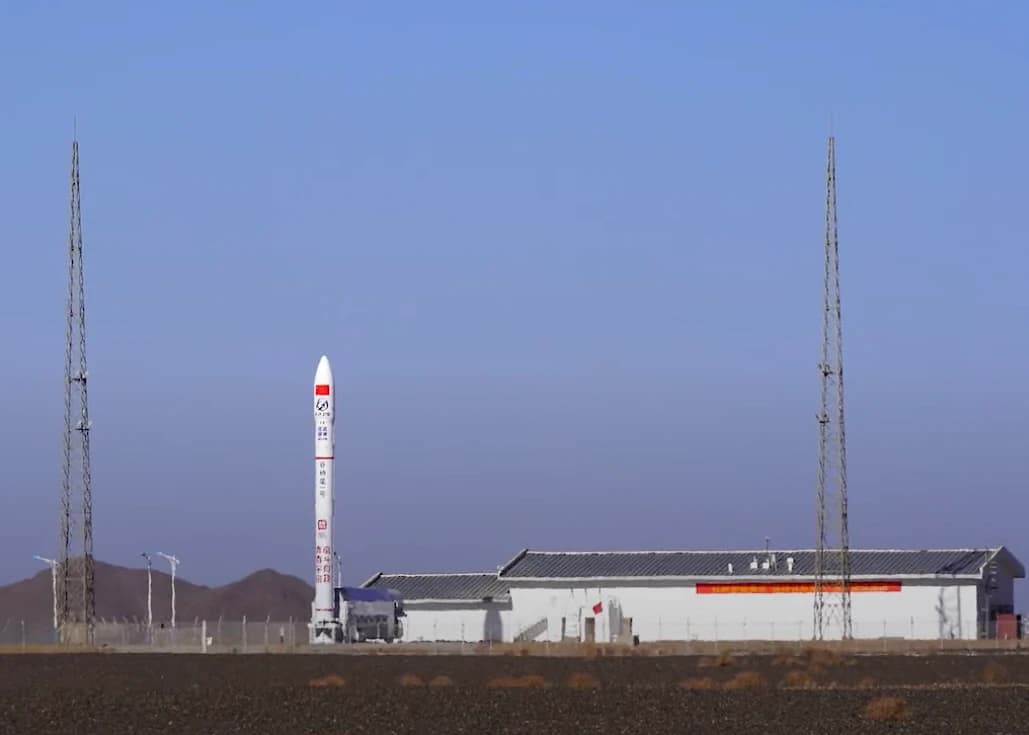
China’s launch of a mission carrying Pakistan’s first astronaut into space marks a diplomatic and strategic win for Beijing, underscoring how the country is using its space program to deepen ties with partners beyond the West while showcasing its own rising launch capability.
China launches Pakistan's first astronaut
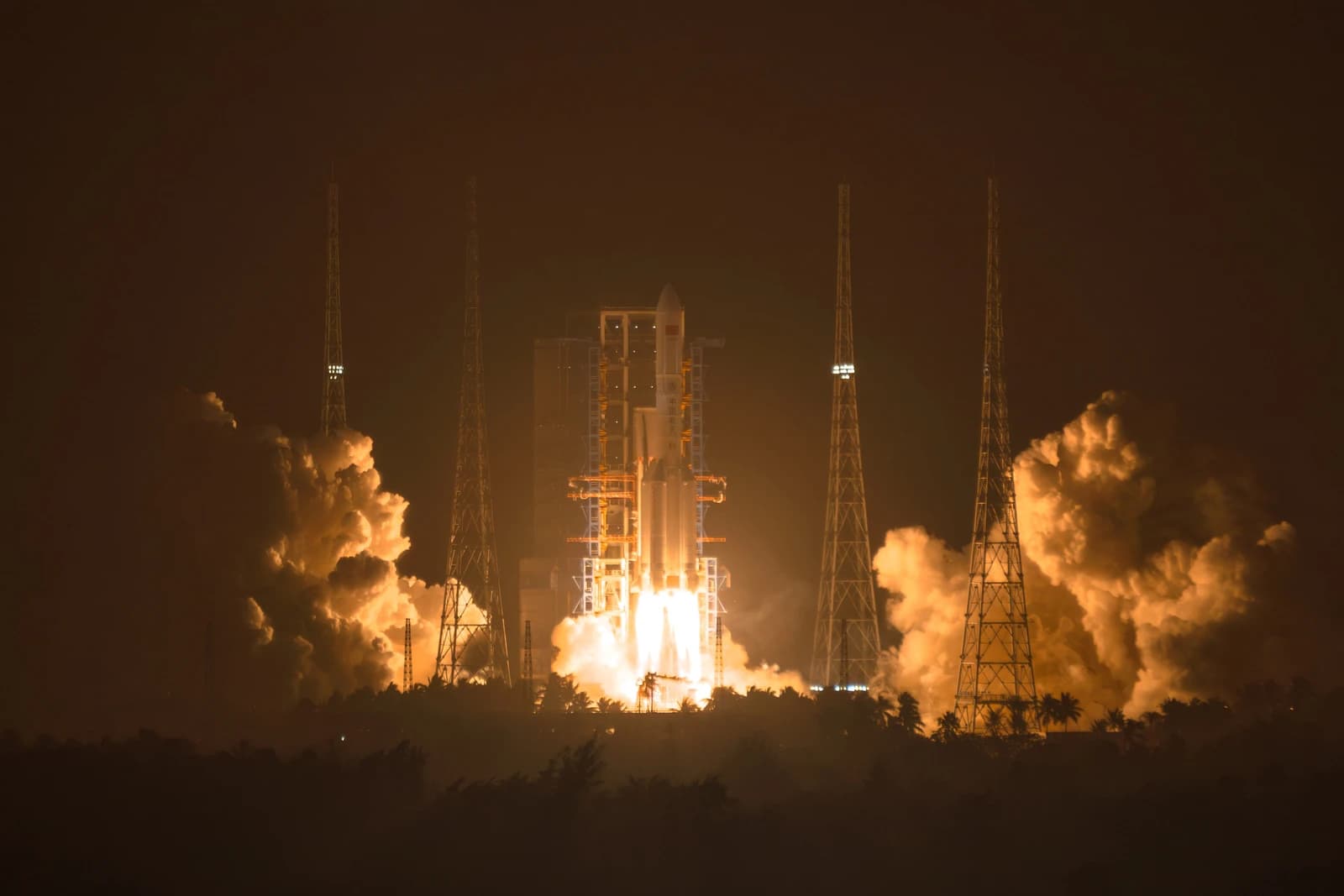
The mission matters because human spaceflight is no longer just about prestige. For China, putting a foreign crew member on board signals that its space program is mature enough to move from purely domestic milestones to international partnerships, a shift that can broaden its influence in emerging markets and reinforce its claims to leadership in a sector increasingly tied to geopolitics.
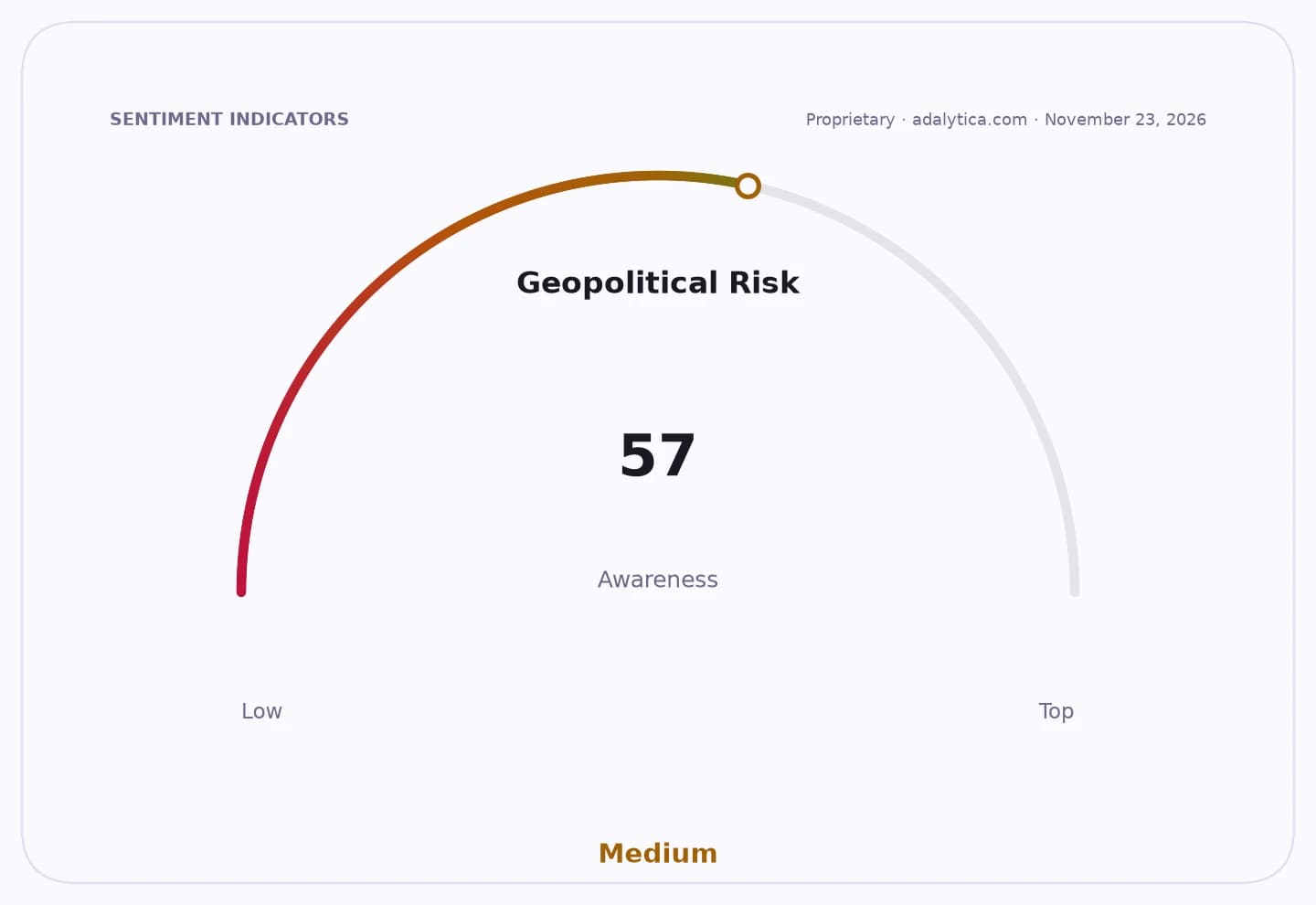
Sentiment Indicators
For Pakistan, the flight offers rare access to China’s advanced space infrastructure and a symbolic boost to its scientific standing. For Beijing, it adds another layer to a wider diplomatic campaign that has already drawn in countries across Asia, the Middle East and Africa through infrastructure, defense and technology cooperation.
The timing also comes as global space competition intensifies. The U.S. and Europe continue to frame Artemis and related programs as symbols of transatlantic coordination, while China is working to present its own program as an alternative pole of cooperation. A mission with a foreign astronaut helps Beijing argue that its space station and launch system are not just national assets, but international platforms.
Investors watching the aerospace and defense complex will read the move less as a direct market catalyst than as a reminder that space spending is becoming a durable strategic priority for major powers. That supports demand for launch services, satellite systems, communications payloads and space infrastructure, even as failures and delays elsewhere in the sector keep execution risk high.
For Washington and its allies, the mission adds to the pressure to maintain technological leads in human spaceflight and orbital infrastructure. For China, the next test is whether it can turn one symbolic flight into a repeatable model for foreign participation without sacrificing control of its program or its broader strategic messaging.
| Entity | Gains | Losses |
|---|---|---|
| China | ▲Space prestige and diplomacy | ▼None immediately |
| Pakistan | ▲First astronaut in space | ▼Reliance on Chinese access |
| U.S./EU space bloc | ▲Renewed focus on Artemis | ▼Narrative monopoly in space |
| Aerospace contractors | ▲More strategic space spending | ▼Higher competition from China |