China’s embassy in Bahrain marked the 77th anniversary of the founding of the People’s Republic with a public reception that underscored how Beijing is using diplomatic anniversaries to reinforce strategic ties in the Gulf, a region increasingly important to trade, energy security and regional influence.
China Bahrain reception marks 77th PRC anniversary
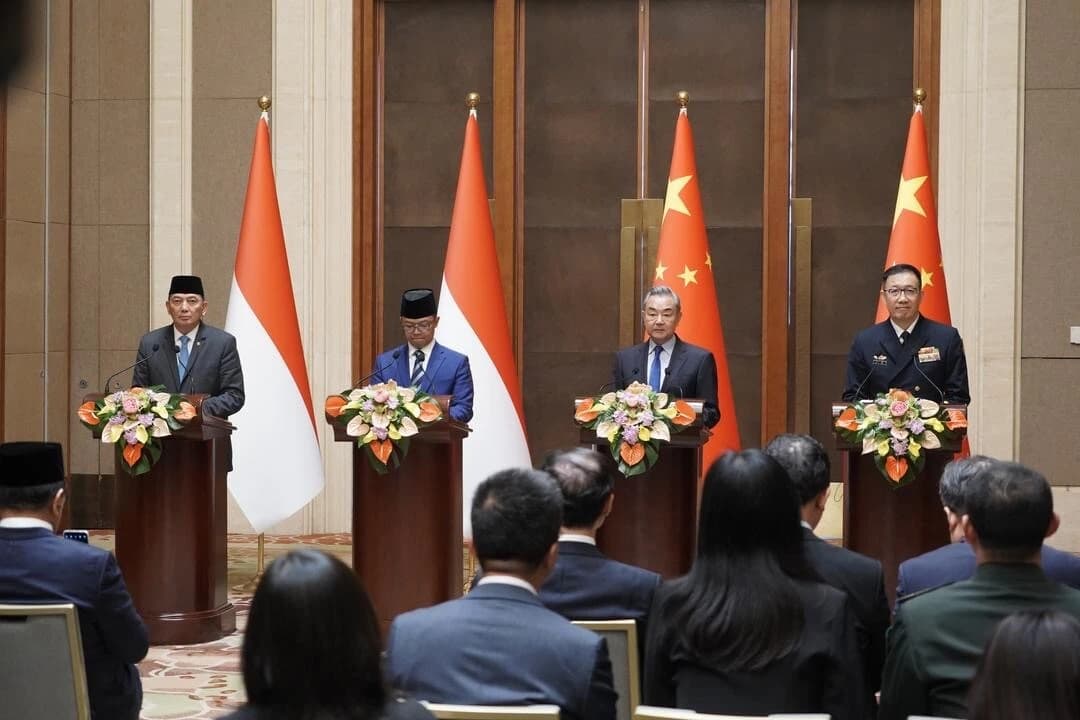
The event itself was ceremonial, but the message was economic and geopolitical: China wants to keep widening its footprint in Bahrain and, by extension, the broader Gulf Cooperation Council market. Chinese Ambassador Ni Ruchi said bilateral ties were developing steadily across sectors and described the relationship as a comprehensive strategic partnership built on political trust. Bahrain’s presence at senior government level, including the speaker of parliament and the industry and commerce minister, signals that the relationship is not limited to protocol but is tied to commerce, investment and policy coordination.
For China, maintaining visible momentum in Gulf capitals matters because the region sits at the intersection of energy flows, logistics routes and sovereign investment. Even without a new deal announced, the optics of high-level attendance suggest continuity in a relationship that can support Chinese firms seeking market access, infrastructure work and trade financing. For Bahrain, closer ties with China offer another channel for investment and diversification as it seeks to broaden its economic base beyond hydrocarbons.
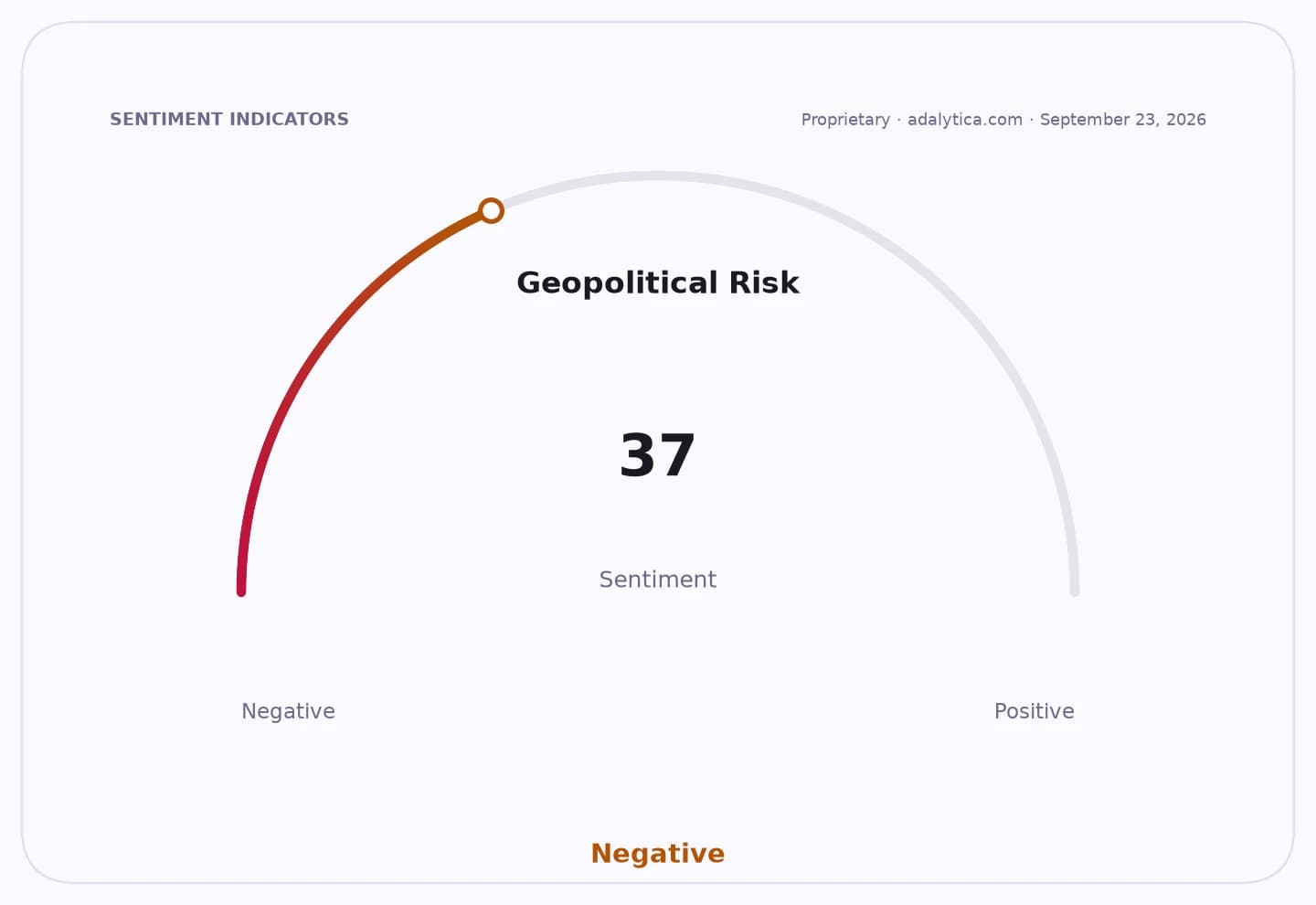
The broader backdrop also helps explain why this kind of diplomacy is drawing attention. Adalytica’s US–China Relations sentiment gauge is in “Extreme Greed” territory at 96, while its global stability gauge is at 30, reflecting elevated geopolitical unease despite strong appetite for engagement. That mix points to a world in which states are still deepening commercial links even as strategic rivalry intensifies.
For investors, the key takeaway is that China’s Gulf diplomacy remains a live channel for future deal flow, especially in energy, industrial cooperation and logistics. The near-term market impact is limited, but the longer-term implication is that Beijing is continuing to build relationships that could support Chinese exporters, contractors and financing institutions across the region. The main risk is that any deterioration in US-China tensions or regional security could complicate those ambitions, while the bull case is that sustained engagement translates into more contracts and capital movement between China and Gulf economies.
| Entity | Gains | Losses |
|---|---|---|
| China | ▲Gulf influence | ▼Diplomatic leverage |
| Bahrain | ▲Investment access | ▼Dependence on external partners |
| Chinese firms | ▲Market opportunities | ▼Policy risk |
| US-aligned rivals | ▲— | ▼Relative regional influence |