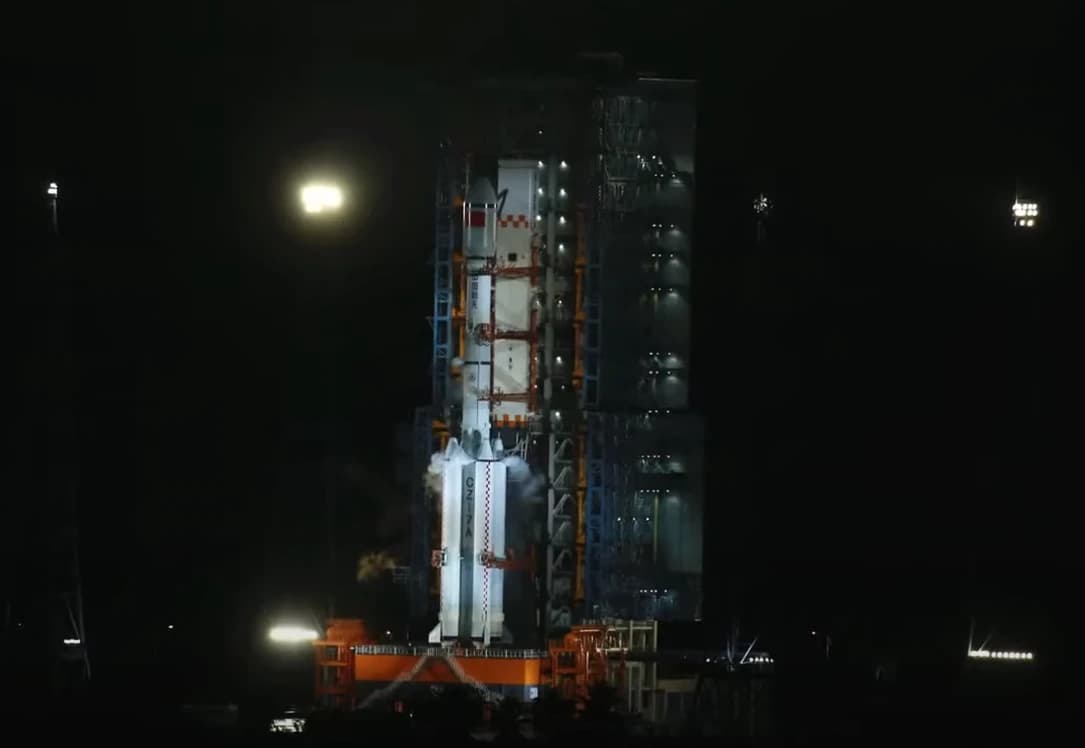
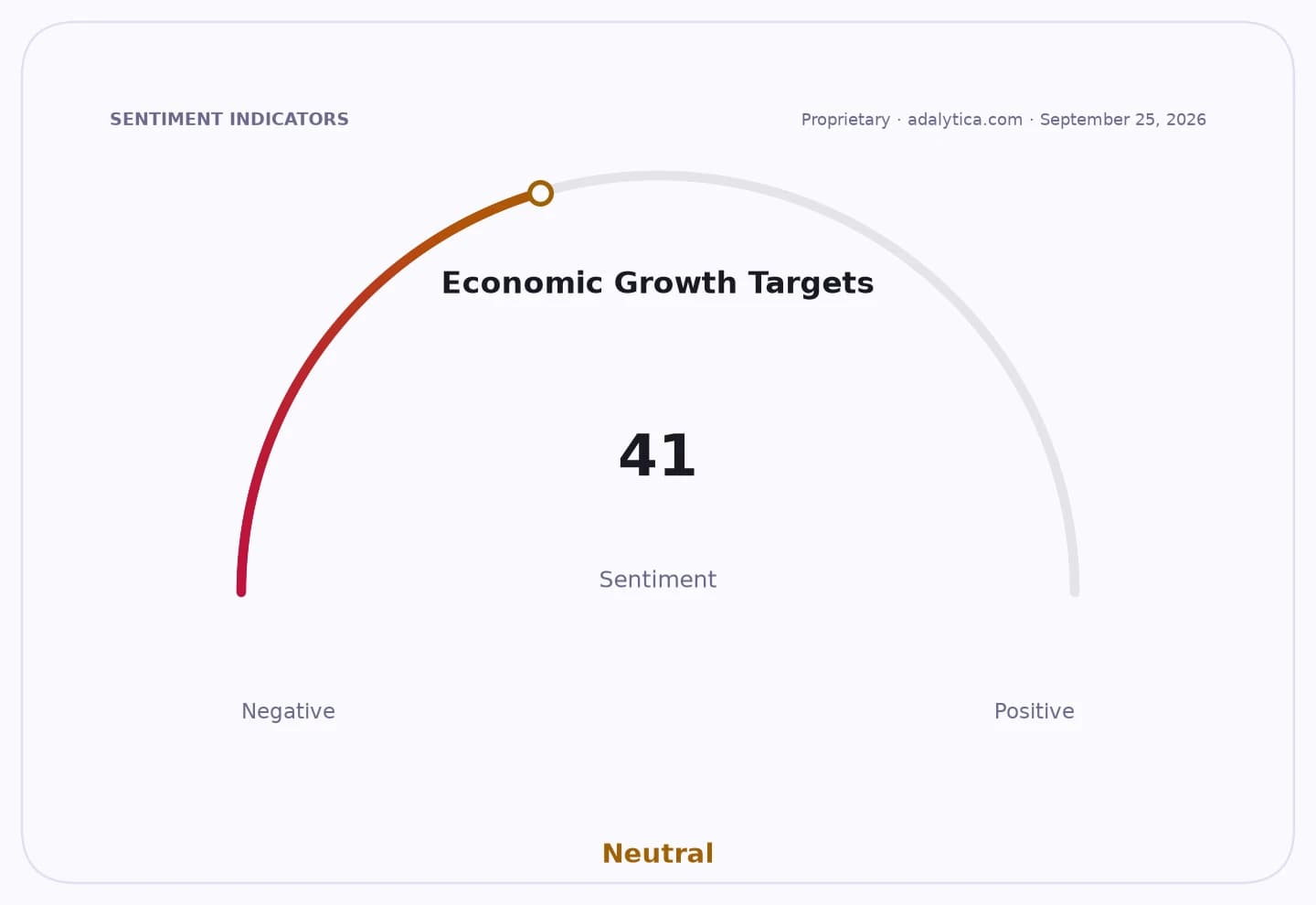
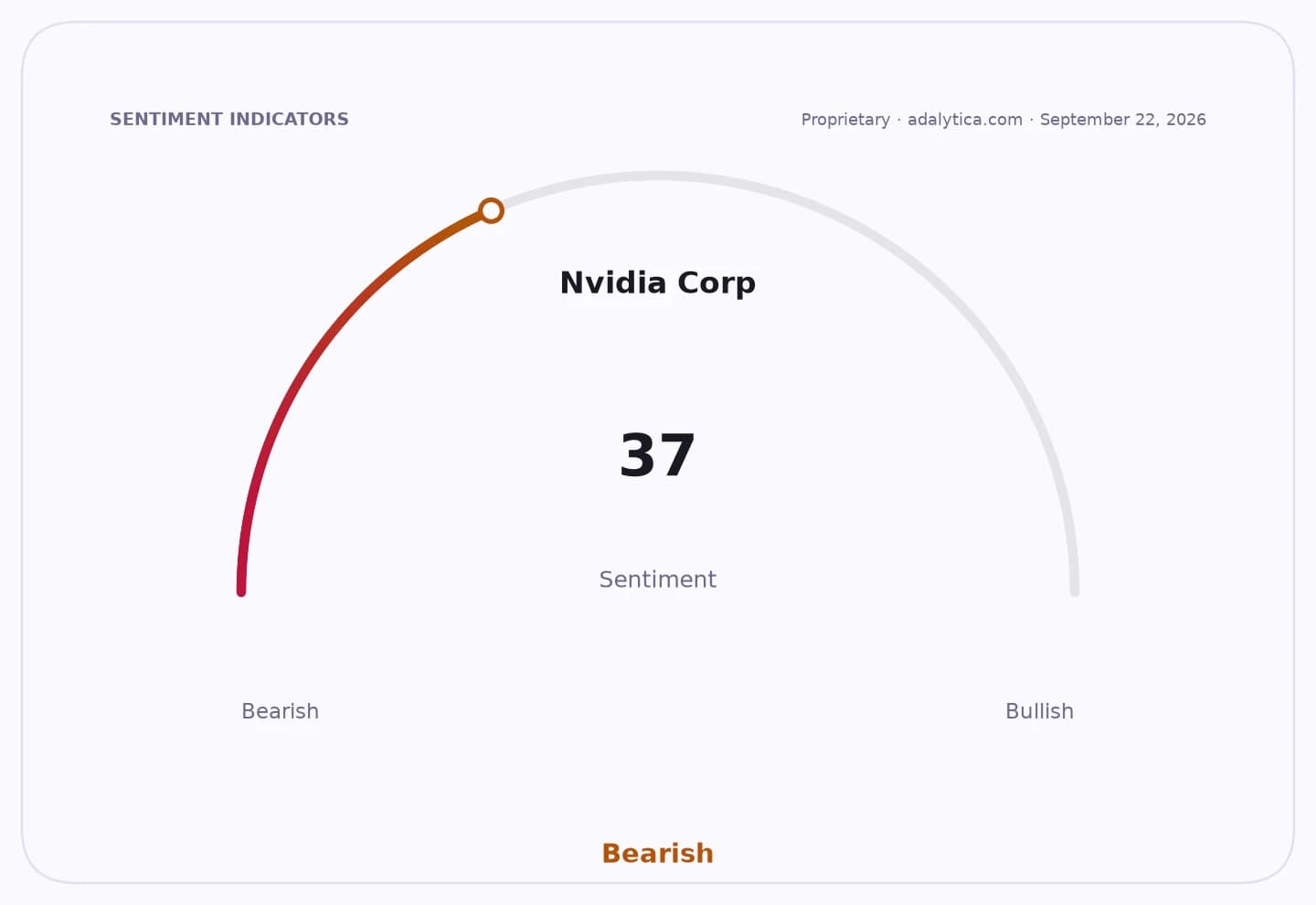
China has drawn a vast flight-restriction zone around Beijing, a move that tightens control over one of the country’s most sensitive corridors after a recent crash and underscores how security priorities continue to outweigh convenience in the world’s second-largest economy.
China expands Beijing flight restriction zone

The restricted area spans more than 280,000 square kilometers, covering Beijing, Tianjin, much of Hebei and parts of Inner Mongolia, Shanxi, Shandong, Liaoning and the Bohai Sea. In practical terms, that is a major expansion of airspace control around the capital, and it matters because aviation is not just a transport issue in China — it is a symbol of state oversight, industrial capacity and emergency preparedness.
Authorities said the rule applies from ground level to unlimited altitude, with only commercial flights, approved civilian flights and government, military, customs, police and fire-rescue operations allowed to operate. Any permitted flight must follow an approved plan, maintain two-way communication with air traffic control and carry tracking equipment so it can be monitored continuously. That is the kind of regulatory tightening investors should notice: it raises the bar for access, increases compliance demands and makes airspace management around Beijing even more centralized.
The timing is telling. State media said the capital’s no-fly zone was set to begin on Sept. 20, only months after a light aircraft crashed into Beijing’s 108-story CITIC Tower in June, killing the pilot and injuring people on the ground. When accidents happen near political and financial centers, regulators often respond with sweeping controls rather than incremental ones. In China, that usually means faster rules, tighter approvals and less room for operational flexibility.
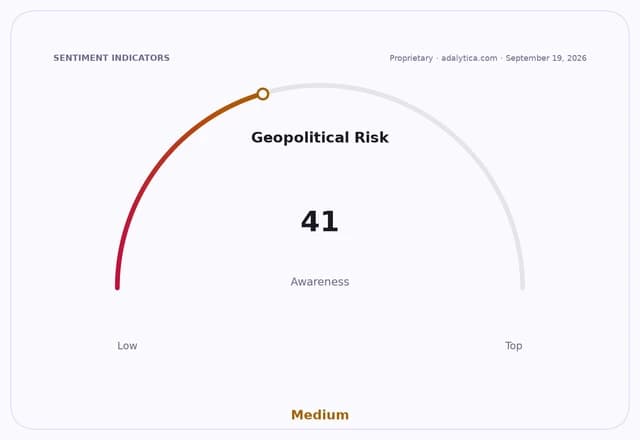
For investors, the bigger lesson is about the balance China continues to strike between growth and security. The immediate economic impact on airlines and aviation services should be limited because commercial operations are still allowed, but the policy reinforces a broader investment climate where state priorities can quickly reshape how businesses move goods, people and equipment. That is especially relevant for operators exposed to China, from global aircraft makers to travel, logistics and business aviation firms.
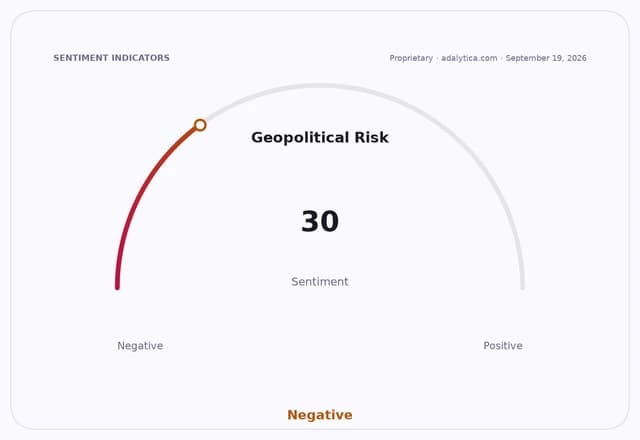
It also fits a wider pattern of elevated caution around Beijing as geopolitical tensions and domestic safety concerns persist. For long-term investors, the story is less about a single flight zone than about the operating environment in China: highly regulated, highly responsive to shocks and increasingly unwilling to tolerate risk near the capital. Worth watching, but as a reminder that in China, policy can move faster than markets expect.
| Entity | Gains | Losses |
|---|---|---|
| Chinese authorities | ▲tighter airspace control | ▼none on security grounds |
| Commercial airlines | ▲clear approved routes | ▼less operational flexibility |
| Business aviation/private flyers | ▲none | ▼restricted access |
| Aircraft and aviation service firms | ▲eventual rule clarity | ▼higher compliance burden |