China’s captive giant panda population has climbed to 830, a milestone that shows the country’s decades-long conservation spending is still delivering results and turning one of its most famous national symbols into a durable tourism and soft-power asset.
China captive panda population reaches 830
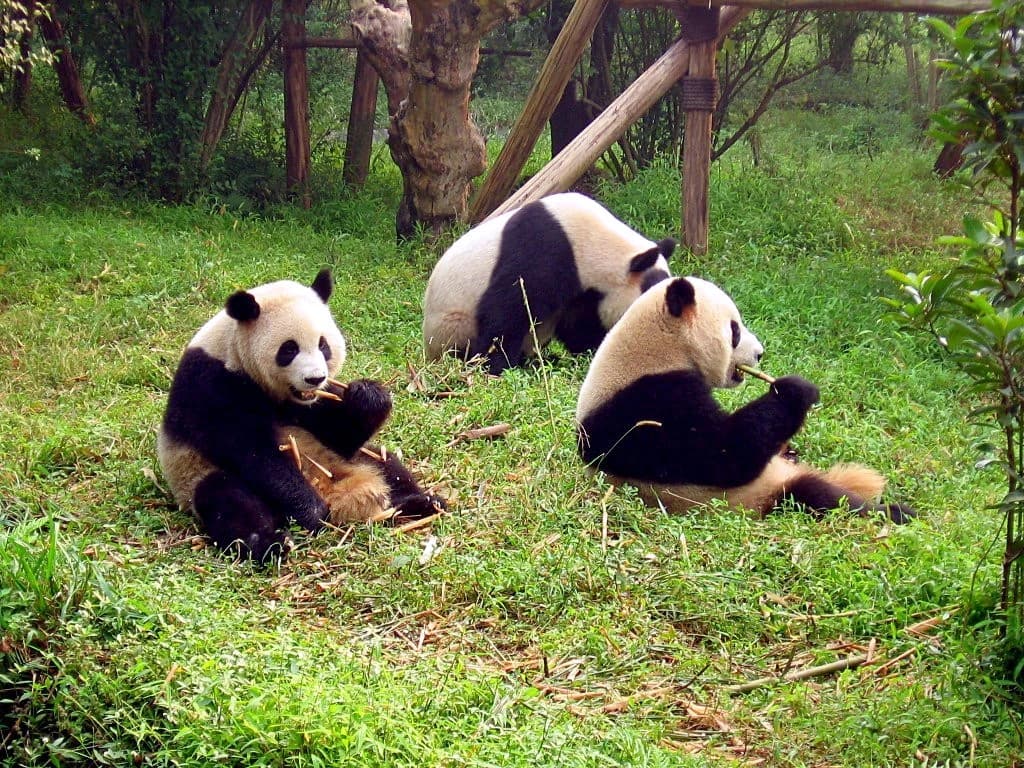
That may sound like a wildlife headline, but investors should read it as a reminder that China continues to pour money and policy attention into sectors that support domestic consumption, public image and rural development. Panda breeding, habitat protection and reserve management have become part of a broader state-backed conservation economy that benefits zoos, nature parks, local tourism operators and the companies that service them.
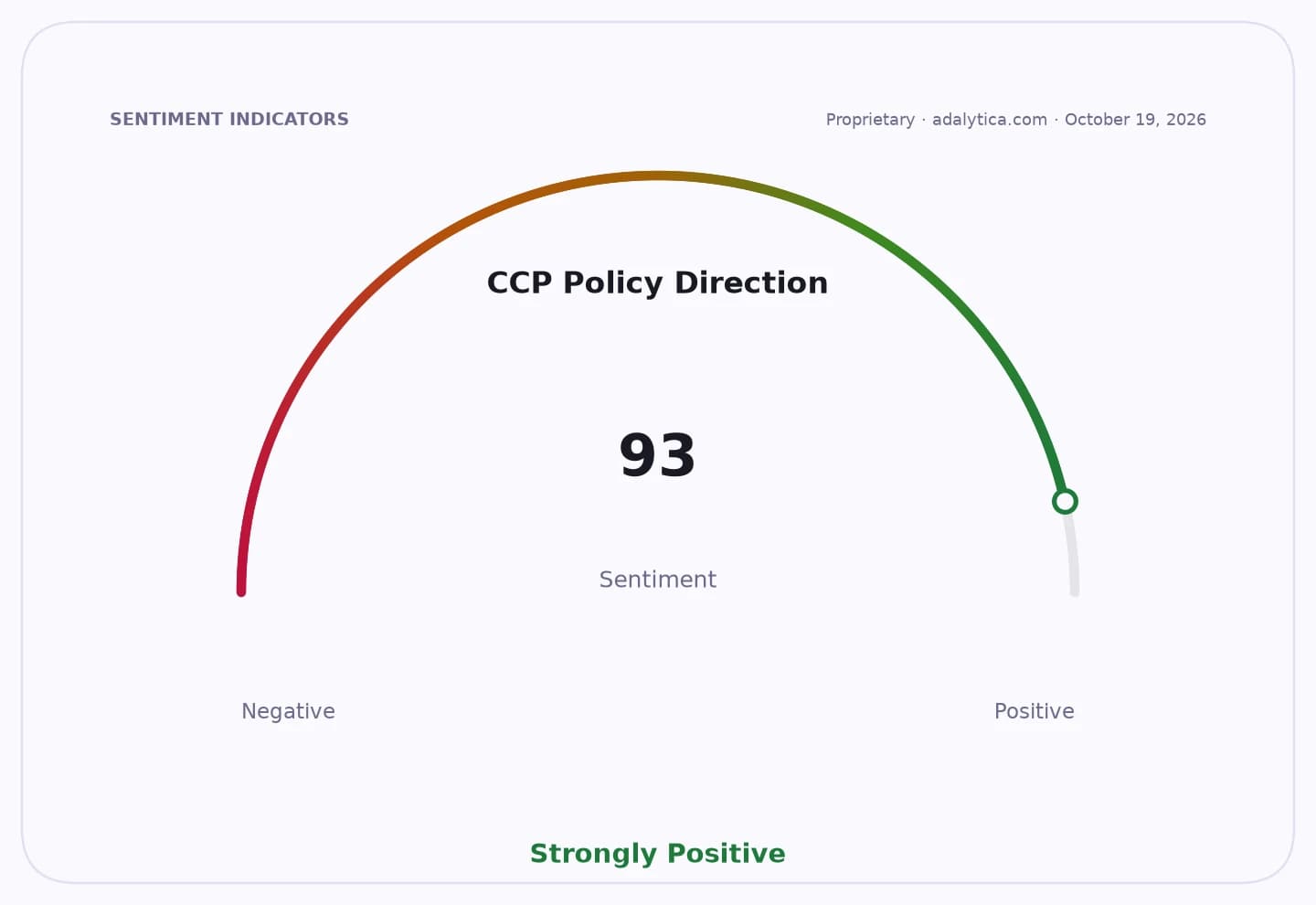
Sentiment Indicators
The bigger economic point is that conservation in China is no longer just about ecology. It is also about brand value. Giant pandas draw visitors, support ticket sales and merchandising, and help anchor “green” and cultural tourism destinations that can generate recurring revenue over many years. In a slower-growth environment, those assets matter because they are tied to experiences consumers still pay for.
The captive population reaching 830 also underscores the scale and persistence of China’s policy machine. Breeding programs, veterinary care, research facilities and reserve expansion are all expensive, long-duration investments with no quick payoff. Yet they can strengthen local economies in western and southwestern provinces, where governments often look to ecotourism and protected-area development as a way to diversify growth.
For investors, the significance is less about a direct stock trade and more about the type of economy China is building around domestic leisure, environmental stewardship and national branding. Travel companies, zoo operators, theme parks and regional hospitality businesses can all benefit when a flagship species becomes a year-round attraction. That is especially relevant for long-term investors looking for businesses exposed to China’s experience economy rather than its more volatile industrial cycle.
There is also a broader narrative here about resilience. China is using conservation as a low-carbon, high-visibility form of nation-building, and pandas sit at the center of that strategy. The milestone suggests the system is working well enough to sustain one of the country’s most recognizable symbols while keeping it economically useful.
For investors, the takeaway is simple: this is not a catalyst for a quick move, but it is a sign that China’s long-term spending priorities continue to favor assets that support tourism, local development and national image. Worth watching for anyone tracking China’s consumer and travel themes over the next several years.
| Entity | Gains | Losses |
|---|---|---|
| China’s panda conservation system | ▲Policy credibility | ▼Budget discipline |
| Local tourism and zoo operators | ▲Visitor demand | ▼Seasonal volatility |
| Rural host regions | ▲Jobs and spending | ▼Short-term profit pressure |
| Investors in China leisure themes | ▲Long-term foot traffic | ▼Fast near-term upside |