China’s central bank just did what long-term gold bulls have been waiting for: it bought more gold even as prices pulled back, extending a buying streak that now runs 23 months straight.
China central bank buys 21 tons of gold in September
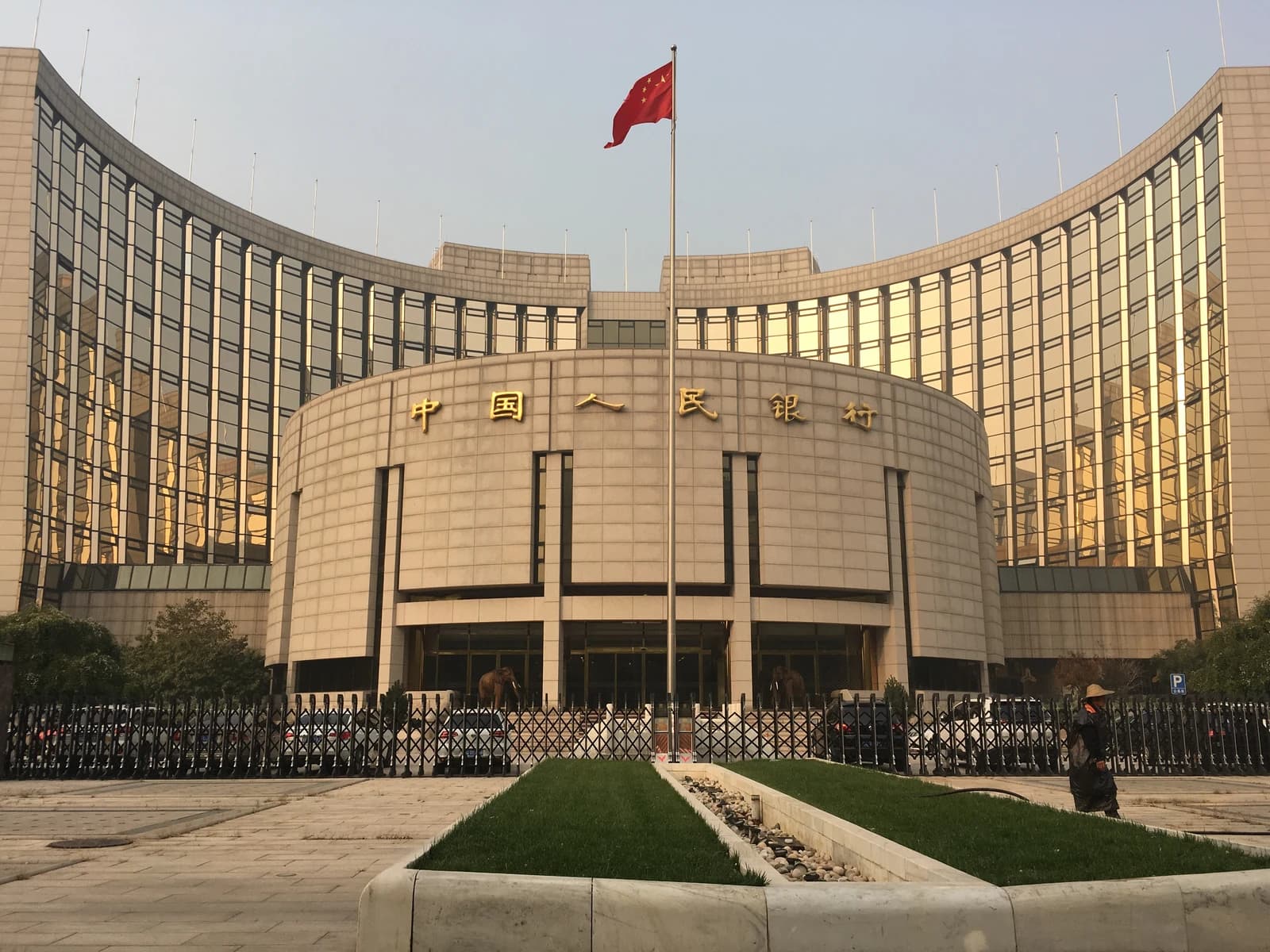
That matters because central-bank demand is one of the most powerful forces in the gold market. Unlike speculative flows, official buying tends to be slow, persistent and strategic. When the People’s Bank of China adds 21 tons in a single month — its biggest monthly increase since September 2023 — it tells investors the bid for gold is not just alive, but broadening on weakness.
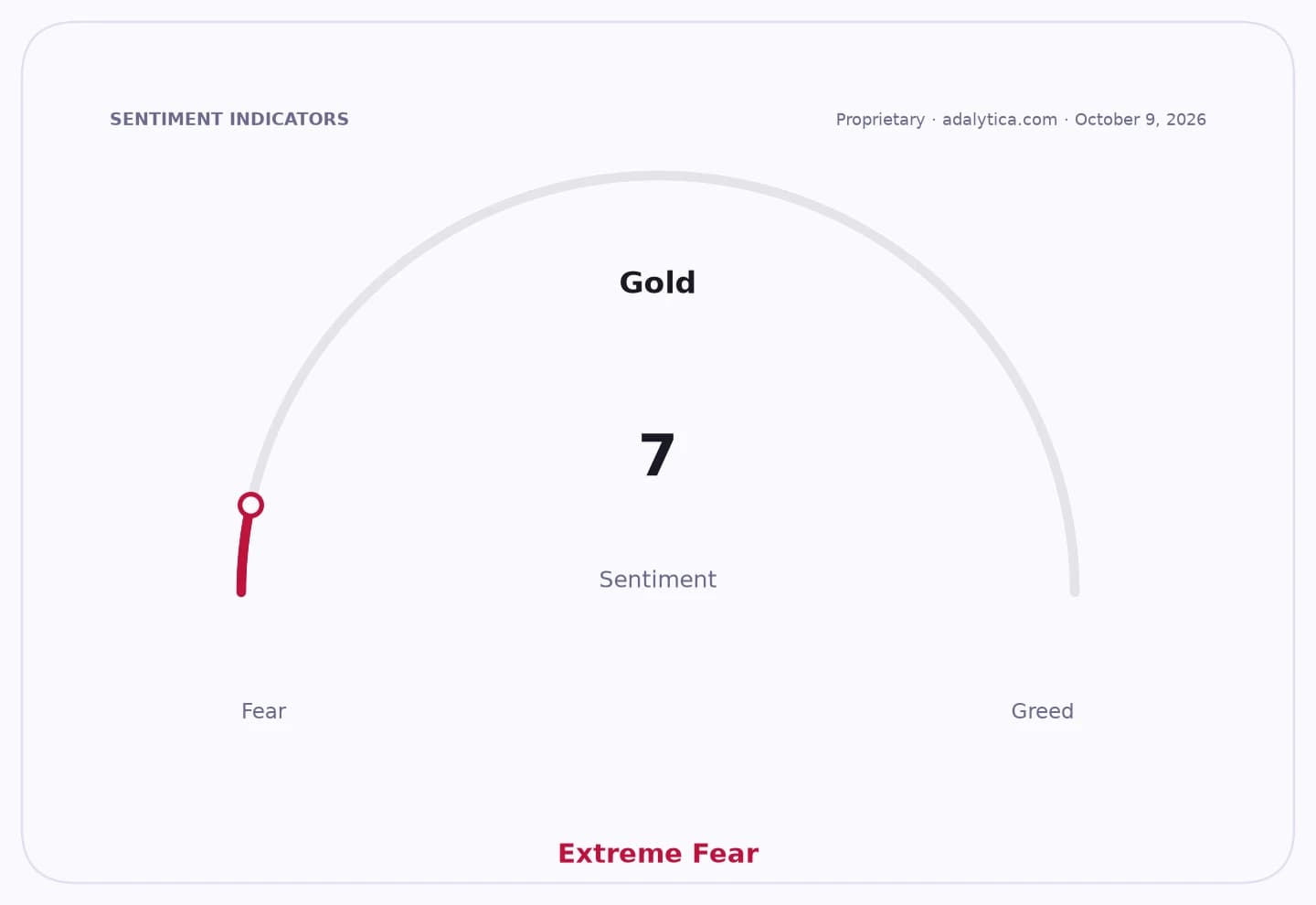
Sentiment IndicatorsⓘProprietary · adalytica.com · October 9, 2026
This is a snapshot — live sentiment, awareness and momentum for 130+ markets update continuously in the dashboard.Open AlphaPulse
The latest purchase lifted China’s official gold reserves to 2,196 tons at the end of September, up from the prior month’s 2,175 tons. It also marked a step up from the 18 tons bought in July and the 18.5 tons added in August, suggesting Beijing is using softer prices to accelerate accumulation rather than waiting for the next rally. For investors, that is a meaningful signal: dips in gold may increasingly be met by structural demand from central banks, not just retail or ETF buyers.
The backdrop is a global central-bank buying cycle that has become one of the defining themes in precious metals. The World Gold Council said central banks bought a net 39 tons in August, with China, Uzbekistan and Poland among the biggest buyers. Through August, central banks had reported roughly 170 tons of purchases this year, and China alone had already added about 80 tons. With September’s 21-ton increase, China’s year-to-date buying is now above 100 tons, putting it firmly among the most aggressive official-sector buyers in the world.
That has real economic meaning. Central banks are not chasing momentum; they are diversifying reserves. In a world of sticky geopolitical risk, volatile currencies and questions about the durability of dollar assets, gold offers something paper reserves do not: no counterparty risk. China’s continued accumulation fits that playbook and reinforces the broader trend of reserve diversification away from pure dependence on foreign-exchange holdings.
There is also a market message here. Gold itself has cooled, giving official buyers a better entry point. GLD, the largest gold-backed ETF, closed at $378.62 on Oct. 8, below its 50-day moving average of about $396.88 and well under its 200-day average near $415.77, while its relative strength index sat at 29.2 — a reading that typically points to an oversold market. Gold futures were also softer, with December futures around $4,209 on Oct. 9 after trading above $4,500 in early September. In plain English, the recent pullback looks more like a pause than a collapse, and that is exactly the kind of environment in which central banks often step in.
Adalytica’s Gold Fear & Greed Index now shows “Extreme Fear,” underscoring how quickly sentiment has cooled. For long-term investors, that can be useful. Extreme fear does not guarantee an immediate rebound, but it often creates the kind of tape that rewards patience in structurally supported assets. If central banks keep buying on weakness, the floor under gold may prove firmer than many traders expect.
China’s broader reserve picture also helps explain the strategy. Its foreign-exchange reserves fell by $38.1 billion in September to about $3.4 trillion, reflecting currency moves and asset-price changes. Against that backdrop, gold remains the reserve asset that Beijing can build without taking on someone else’s liability. That is why this story matters beyond one month’s data: it is part of a long-run reweighting of reserves toward hard assets.
For investors, the takeaway is simple. Central-bank buying is not the kind of catalyst that sparks a one-day fireworks display, but it can support gold over years, not weeks. If you own gold through physical bullion, mining shares or an ETF like GLD, China’s 23-month buying streak is a reminder that the long-term demand case remains intact. It is worth watching, and for patient investors, worth respecting.
| Entity | Gains | Losses |
|---|---|---|
| China’s central bank | ▲Bigger reserve diversification | ▼Higher near-term cash outlay |
| Gold bulls | ▲Stronger structural demand | ▼Fewer cheap entry points if buying persists |
| GLD and bullion holders | ▲Support for long-term prices | ▼Volatility from pullbacks |
| Dollar reserve assets | ▲None | ▼Share of reserves at risk |