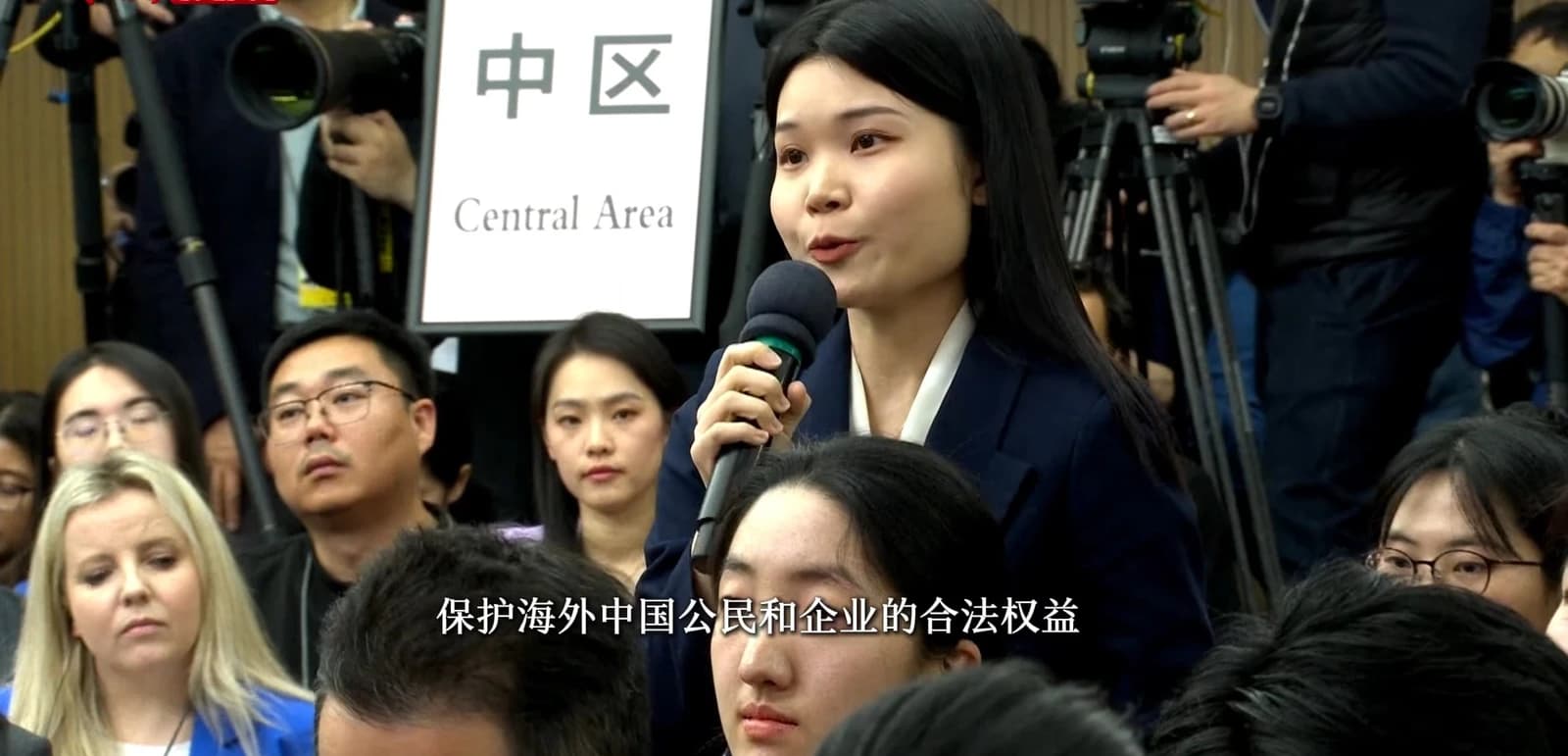
China’s condemnation of Washington’s Cuba policy, including calls to end military threats and the embargo, is another sign that U.S.-China tensions are broadening beyond trade and technology into the Western Hemisphere, with implications for risk appetite across emerging markets and energy.
China-Cuba Rhetoric Lifts Geopolitical Risk Premium

The immediate economic importance is less about Cuba’s small direct footprint in global trade than about the precedent it sets: Beijing is signaling it will use high-profile policy disputes to counter U.S. influence in regions traditionally considered within Washington’s sphere. That raises the probability of more frequent diplomatic retaliation, sanctions tit-for-tat and added friction in multilateral forums, all of which can slow cross-border capital flows and complicate investment decisions in Latin America and other politically sensitive markets.
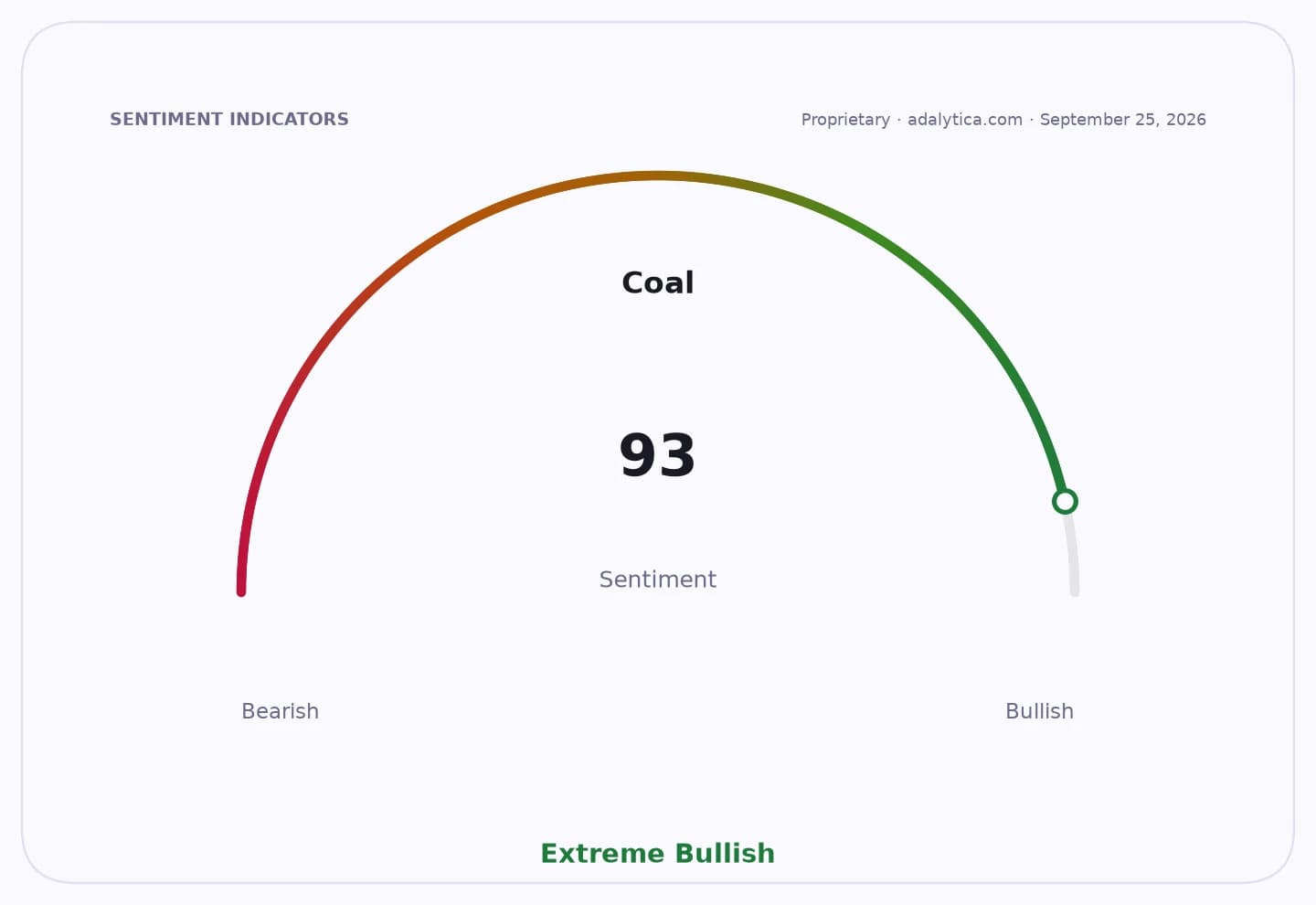
Sentiment IndicatorsⓘProprietary · adalytica.com · July 21, 2026
This is a snapshot — live sentiment, awareness and momentum for 130+ markets update continuously in the dashboard.Open AlphaPulse

For investors, the read-through is a modest but real uptick in geopolitical risk premium rather than a direct sector shock. Adalytica’s Global Stability Sentiment gauge has dropped to “Extreme Fear,” while its U.S.-China Relations Sentiment sits in “Fear,” underscoring how quickly relations can sour when disputes spill into third countries. That matters for equity allocations to China, Latin America and global cyclicals, as well as for commodities and currencies that are sensitive to policy shocks and shifts in supply-chain expectations.
The move also comes against a fragile backdrop for Cuba itself. The island has suffered a third nationwide blackout in less than 10 days, a symptom of a deepening energy crisis that is worsening social strain and making the country more dependent on external support. Beijing’s rhetoric, while unlikely to alter the basic balance of power, gives Havana political cover and keeps pressure on Washington at a moment when the U.S. has also boosted military readiness in Latin America.
Market signals remain mixed. The iShares China Large-Cap ETF, FXI, has stabilized above its 50-day moving average after a volatile stretch, while the U.S. dollar ETF, UUP, is still trading near recent highs and holding above its 200-day average, suggesting investors are not yet making a wholesale shift into risk assets. Oil has also been firmer, with geopolitical headlines offering another bid under Brent and WTI as traders weigh whether broader regional tensions could eventually affect logistics, sanctions enforcement or shipping routes.
The bull case for Beijing is that forceful rhetoric helps portray China as a defender of sovereignty and a champion of developing nations, strengthening diplomatic ties in the region without requiring major economic commitments. The bear case is that the sharper the language, the more it reinforces the view that U.S.-China rivalry is becoming structural and global, increasing the odds of policy surprises that can hit markets with little warning.
For investors, the key question is whether this remains symbolic diplomacy or becomes part of a wider pattern of escalation involving sanctions, military posturing or economic coercion. If the latter, the cost would show up first in higher volatility, wider credit spreads in vulnerable sovereigns and a stronger bid for defensive assets.
| Entity | Gains | Losses |
|---|---|---|
| China | ▲diplomatic leverage | ▼relations with Washington |
| Cuba | ▲political backing | ▼policy relief |
| U.S. hawks | ▲justification for pressure | ▼room for de-escalation |
| Emerging markets | ▲no clear gain | ▼higher geopolitical risk |