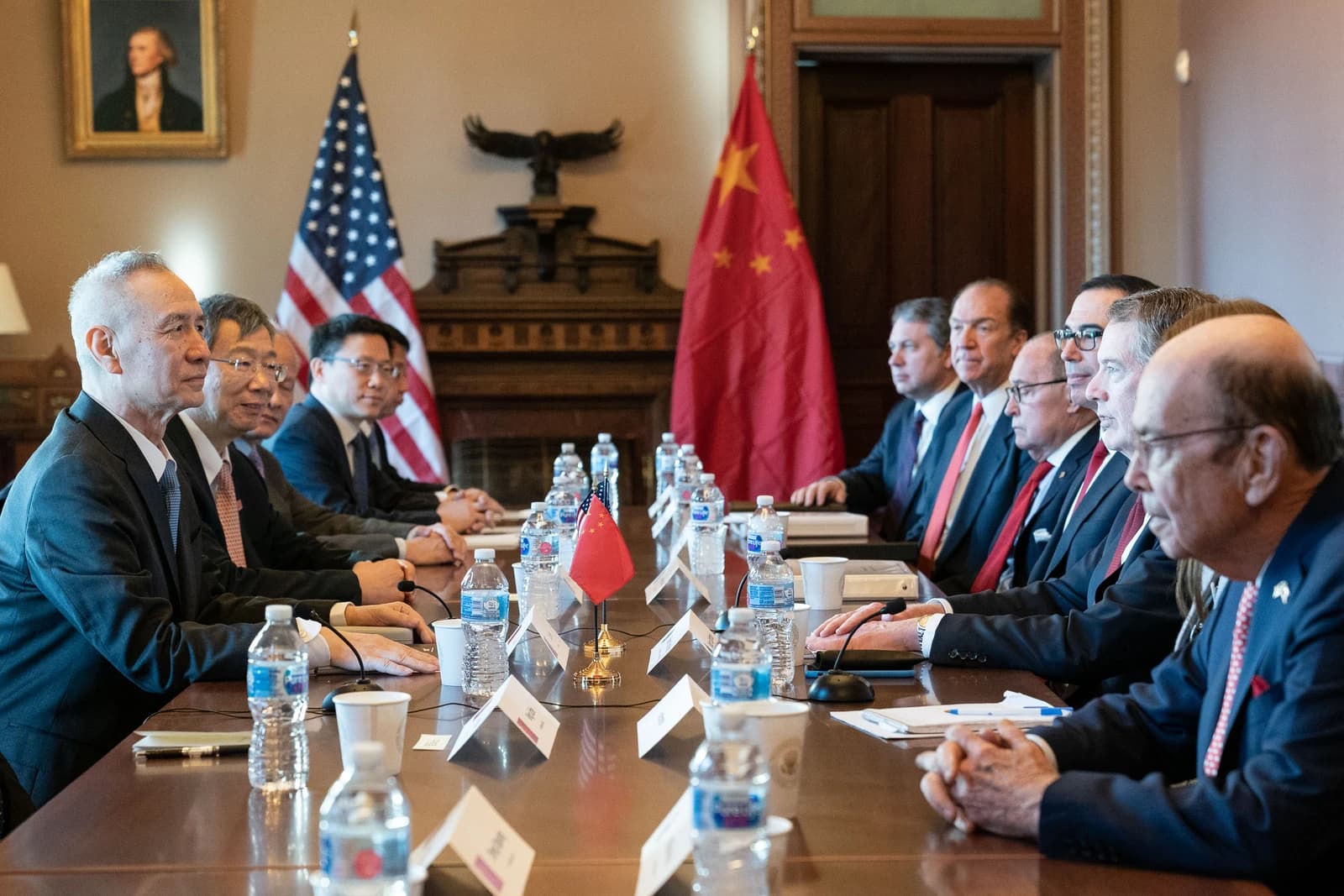
China is keeping a tight grip on one of its most powerful trade weapons, extending for another two months its suspension of export controls on gallium, germanium, antimony and related dual-use materials to the US as leaders prepare to meet again.
China extends export controls suspension on key minerals
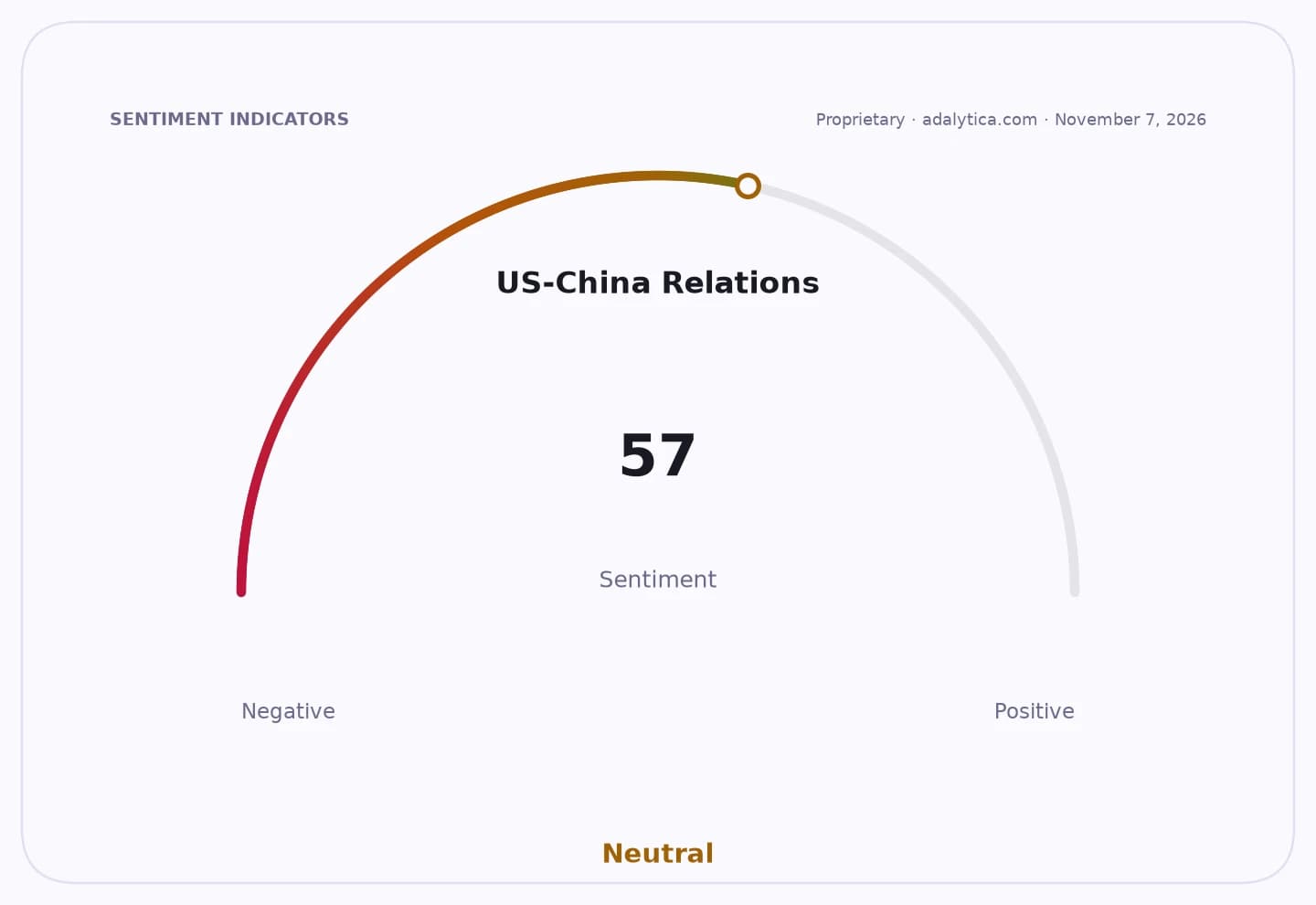
US-China Relations
That matters because these are not just obscure minerals. They sit inside semiconductors, solar panels, lasers, batteries and defense systems, which means the policy touches everything from chip supply chains to military procurement. By delaying enforcement until Jan. 27, Beijing is signaling that it still wants leverage, but is also willing to keep a narrow channel open before a high-stakes round of diplomacy.
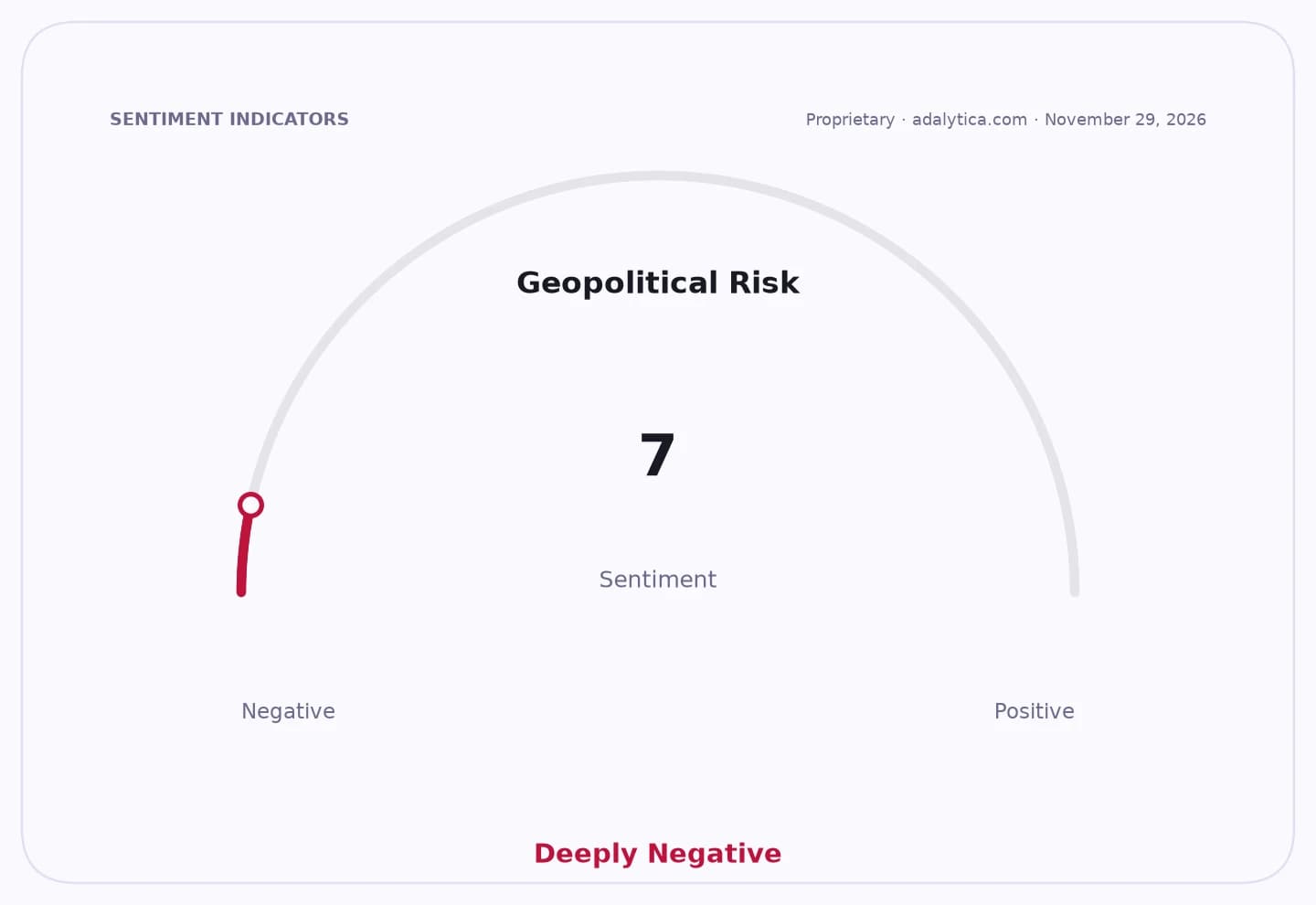
Sentiment Indicators
The move covers a rule that had effectively barred exports of gallium, germanium, antimony and superhard materials to the US, while applying tougher end-user checks to graphite shipments. China had already paused the restrictions for a year after the Busan summit last October, and the latest extension pushes the standoff into the next phase of US-China talks.
For investors, the message is simple: supply risk has not disappeared, but neither has the possibility of relief. Companies exposed to critical minerals, battery materials, chips and defense supply chains may see near-term breathing room, yet they cannot assume the freeze will last. The strategic competition between the world’s two largest economies is still the central investment risk, and China’s willingness to weaponize raw materials remains part of the backdrop.
That is why the extension is worth watching well beyond the headlines. Every pause lowers the immediate chance of disruption, but it also underlines how vulnerable global manufacturing still is to policy decisions in Beijing and Washington. In markets, that favors diversification, alternative sourcing and a long-term view over any assumption that trade tensions are easing for good.
Shares tied to critical minerals have already reflected that volatility. MP Materials, Albemarle and Taiwan Semiconductor have all seen sharp swings this year as investors priced in supply-chain shifts, policy risk and the push to localize strategic materials. The broader lesson for long-term investors is that this kind of geopolitical leverage tends to fade and return in cycles, but the companies that can secure supply, build processing capacity and reduce dependence on China are better positioned to compound over time.
The most important takeaway is that Beijing is choosing temporary restraint, not a retreat. That keeps the negotiating table intact ahead of the leaders’ meeting in Florida, but it also leaves the critical-minerals market one announcement away from renewed pressure. Investors should keep the sector on the watchlist, not the sidelines.
| Entity | Gains | Losses |
|---|---|---|
| China | ▲Diplomatic leverage | ▼Immediate export bargaining power |
| US manufacturers | ▲Short-term supply relief | ▼Long-term supply certainty |
| Critical-minerals producers outside China | ▲Strategic importance | ▼Policy-driven volatility |
| China-linked rivals in materials supply chains | ▲Temporary export flow | ▼Pricing leverage |