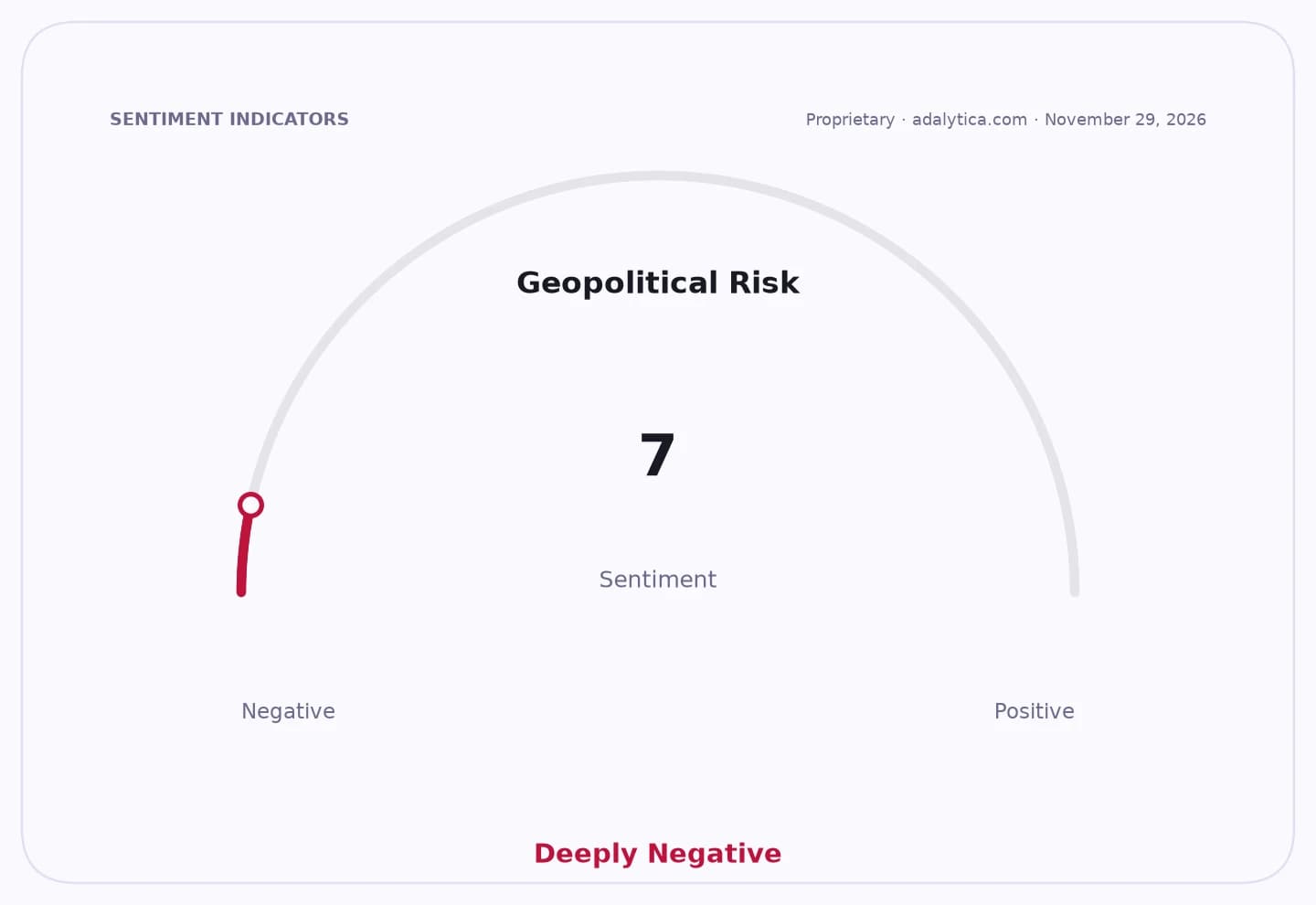
Washington is preparing to impose fresh customs duties on China and dozens of other countries, and the immediate economic message is simple: global trade is entering another inflationary shock just as investors had begun to price in stability. China has already vowed retaliation, raising the odds that tariffs become a broader tax on growth, margins and cross-border supply chains rather than a narrow negotiating tactic.
Tariff Risks Hit China ETFs and U.S. Imports
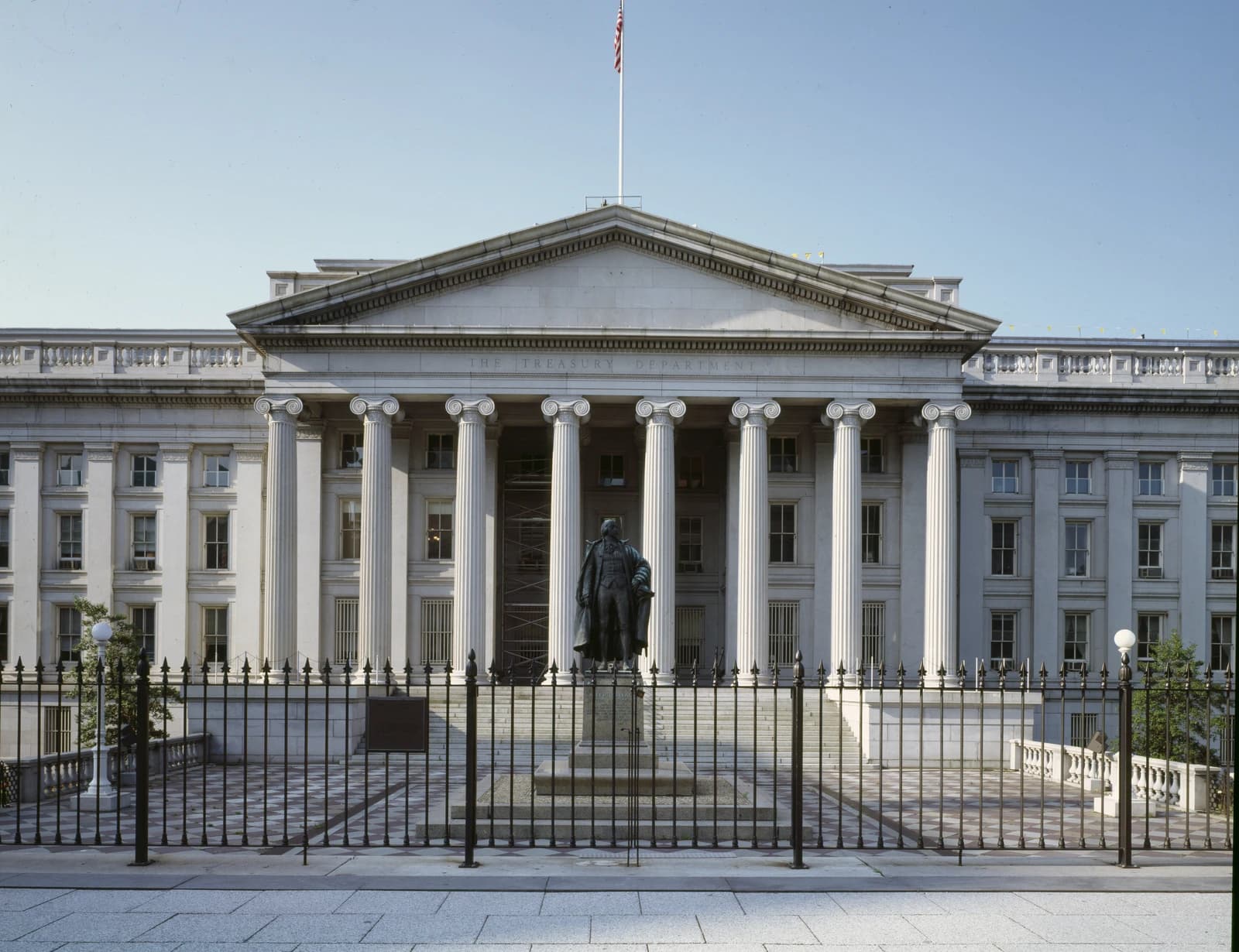
The stakes are highest for industries that sit closest to the flow of goods. New tariffs on Chinese imports, alongside duties aimed at Vietnam, the European Union, Thailand and India, would feed directly into landed costs for manufacturers, retailers and transport companies, while also threatening to slow demand if companies pass those costs on to consumers. That is why the move matters beyond diplomacy — it changes the earnings math for a wide swath of the market.
Sentiment Indicators
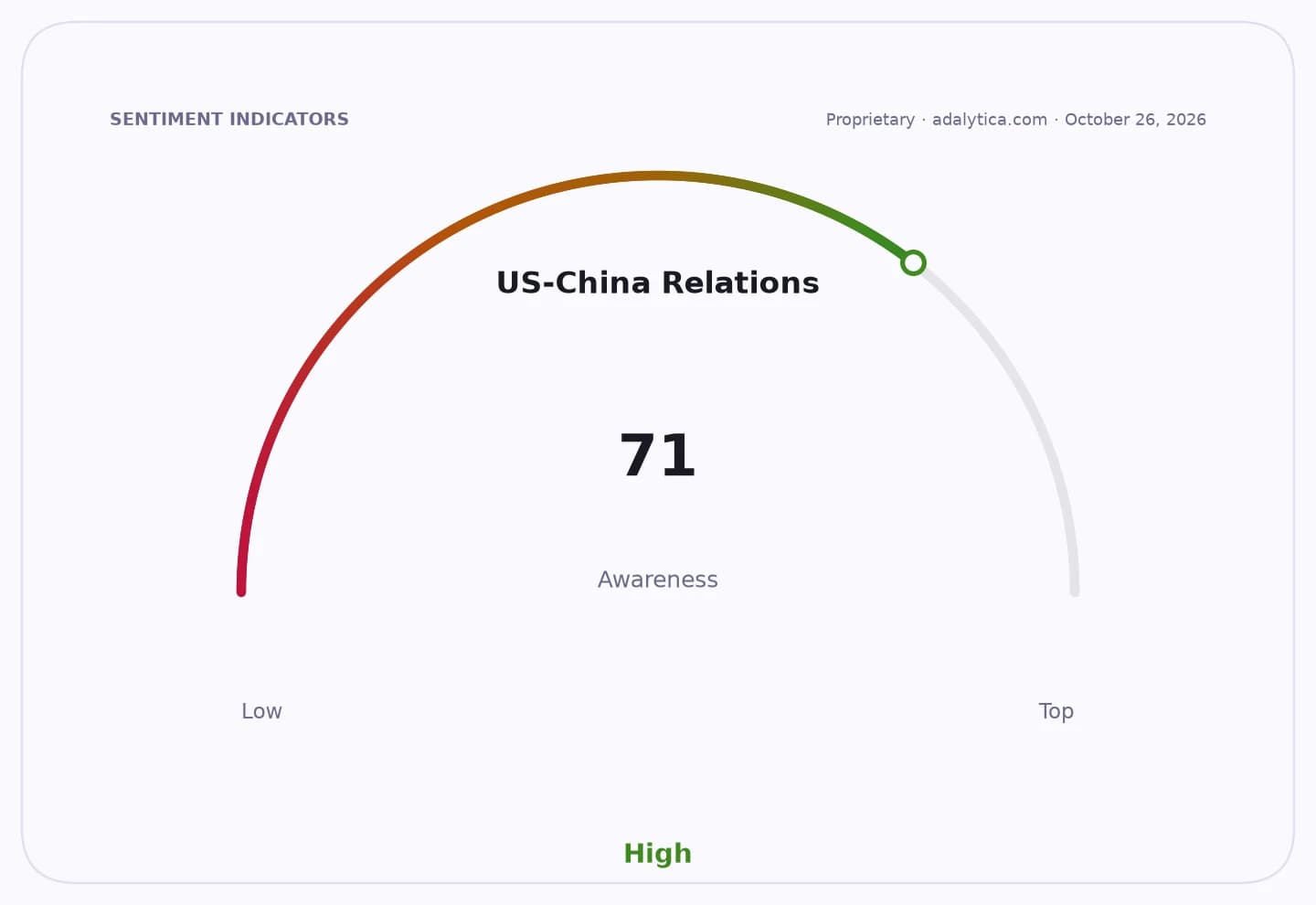
US-China Relations
The bond market is already flashing caution. The U.S. 10-year Treasury yield, at 4.81% in the latest forecast and near 4.85% in recent trading, suggests investors are still forcing a higher-for-longer discount rate on equities even before the full tariff impact shows up in prices. That combination — sticky rates and a new trade shock — is usually a tough backdrop for risk assets, because it squeezes both valuation multiples and profit margins at the same time.
Equities are telling the same story. The S&P 500, tracking near 728, has clawed back some of its earlier selloff, but Adalytica’s trade-signal snapshot shows “extreme greed” around the index even as the tariff headlines turn darker. That gap between complacent positioning and deteriorating policy risk is exactly where the market can get surprised. In my view, the biggest mistake investors can make here is treating tariffs as yesterday’s story. They are not. They are a renewed catalyst for inflation, supply-chain re-routing and sector rotation.
US-China Relations — 30-day sentimentadalytica.com
Explore this data interactively — full history, time series and cross-market comparisons.
US-China Relations
China exposure is already under pressure. FXI, the iShares China large-cap ETF, has slid to about 31.99 from above 40 earlier in the year, while its technical profile remains weak, with the price below both the 50-day and 200-day moving averages and RSI readings still subdued. That is not just a chart issue. It reflects the market’s belief that U.S.-China trade friction will keep compressing earnings visibility for Chinese exporters, multinationals with China exposure and firms tied to discretionary import demand.
Mexico is another important tell. EWW, the Mexico ETF, has also been hit, though less severely, showing how tariff risk can spill into every integrated North American and emerging-market supply chain even when the country is not the primary target. Once tariffs broaden, investors should expect more volatility in industrials, logistics, consumer goods and commodity-linked names as companies scramble to protect margins and reroute sourcing.
The more actionable opportunity, however, is not in chasing the damaged names. It is in owning the beneficiaries of deglobalization. U.S. domestic manufacturers with pricing power, defense and industrial automation names, logistics firms that can win from supply-chain redesign, and select energy and infrastructure plays should all gain relative strength if tariffs persist. The market underestimates how persistent these second-order effects can be: once companies retool supply chains, the capex cycle often lasts years, not quarters.
| Entity | Gains | Losses |
|---|---|---|
| U.S. domestic manufacturers | ▲Pricing power | ▼Import competition |
| China exporters | ▲— | ▼Tariff burden |
| Logistics and freight firms | ▲Supply-chain rerouting demand | ▼Trade volume slowdown |
| Import-heavy retailers | ▲— | ▼Higher input costs |