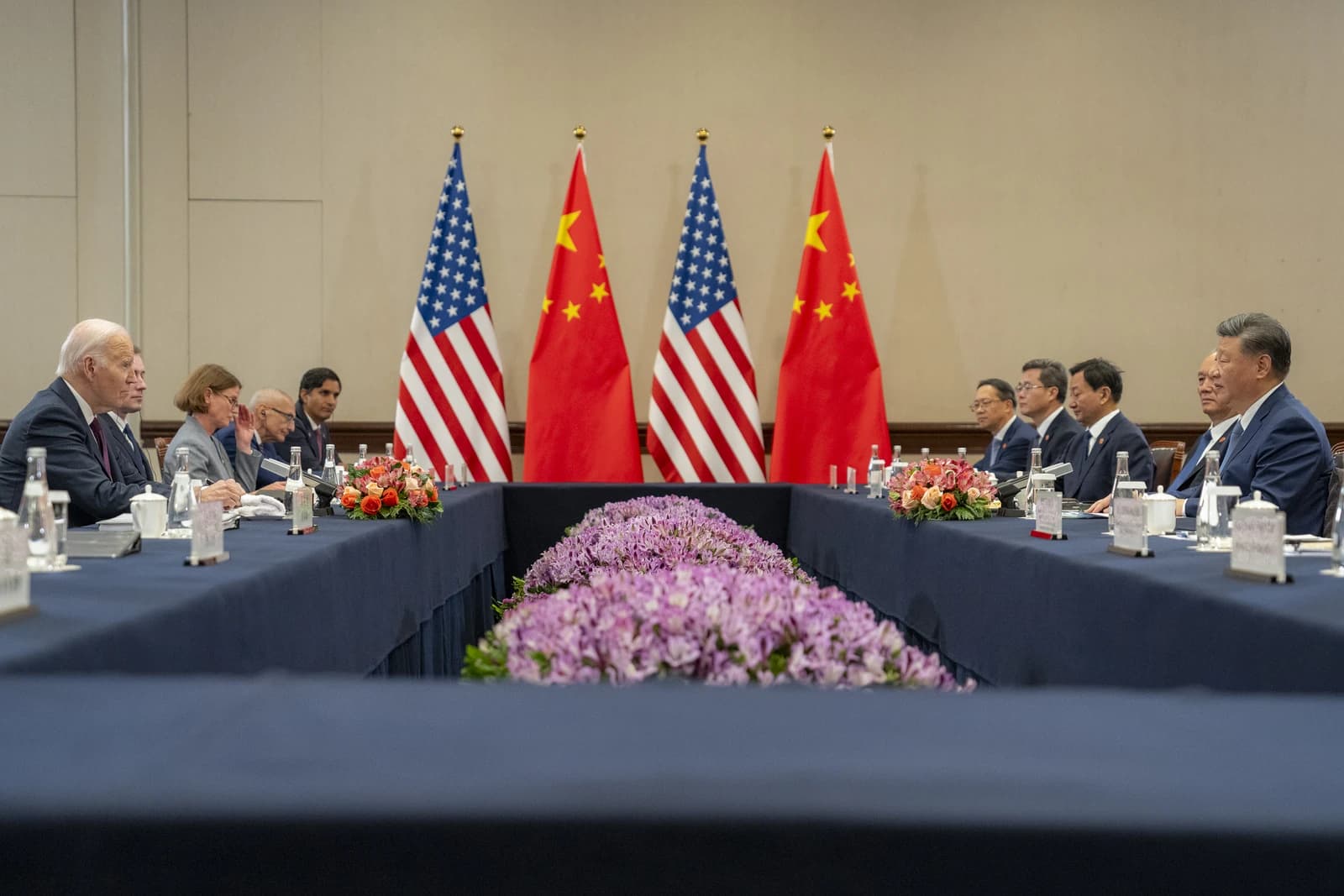
Copper traders are reversing a trade that had filled U.S. warehouses ahead of a possible tariff, and that shift matters because it is exposing just how fragile the market has become after months of policy-driven stockpiling.
Copper cargoes shift from U.S. to China
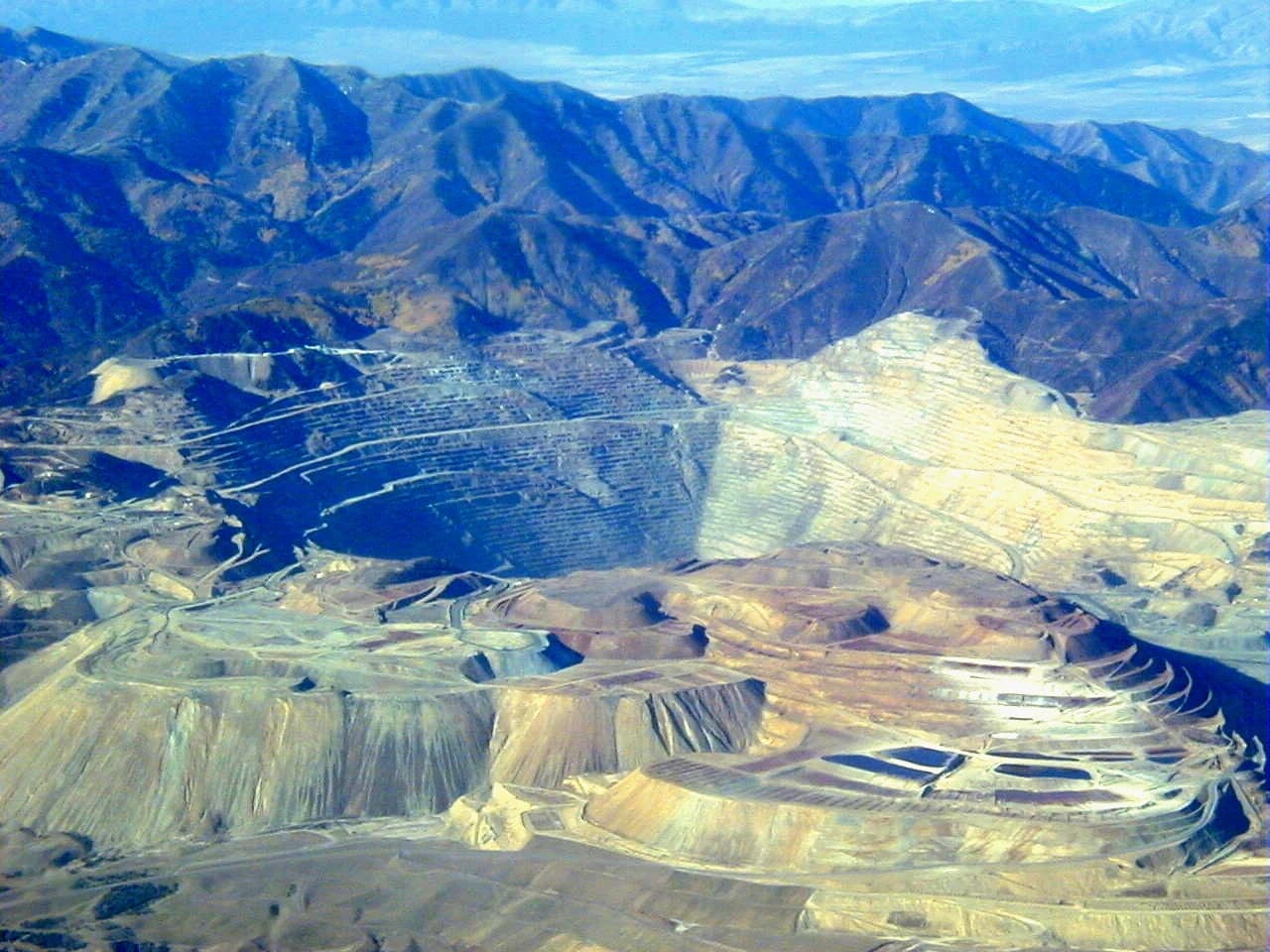
An estimated 30,000 to 100,000 tonnes of refined copper have been booked to move from the U.S. West Coast to China, according to BMO Capital Markets, as record Chinese premiums and a narrower pricing gap make Asia the better destination. That is a striking turn in a market that was built around the opposite assumption: that Washington would eventually slap duties on refined metal and trap supply in the U.S.
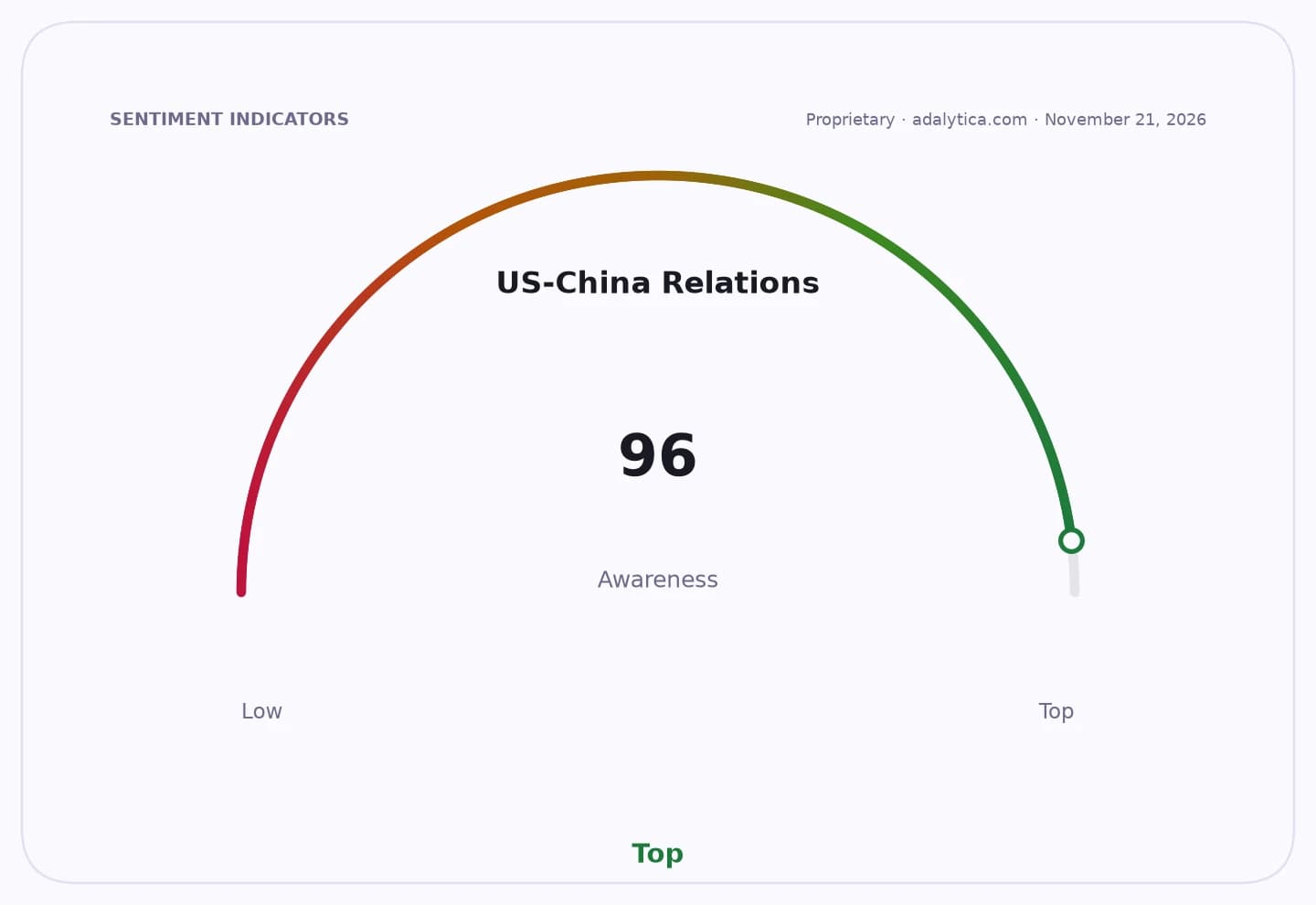
Sentiment Indicators

The move is economically important because it is not just a shipping arbitrage. It tells you where physical demand is strongest, where inventories are most valuable, and how quickly trade policy can distort a globally traded industrial commodity. China’s Yangshan warrant premium hit a record $500 a tonne above London prices, a clear sign that nearby supply in Asia is tight even as copper futures in London have slid to a seven-month low.
For investors, the message is twofold. First, copper is still being pulled by competing forces: a tariff overhang in the West, tight physical availability in China, and a broader unwind in AI-related commodity trades. Second, the market may be underestimating how much optionality sits in a policy reversal from Washington. If the Trump administration drops the refined-copper duty threat, the current flow of metal to China could accelerate and keep pressure on Western prices.
BMO said traders had booked cargoes totaling as much as 100,000 tonnes, a meaningful volume even in a global copper market measured in millions of tonnes. The firm also said this was an event it had assigned a very low probability to, underscoring how quickly the tariff narrative has changed. In BMO’s view, Western participants still lean toward a duty, while traders in China increasingly expect the White House to walk away from it.
That split matters because tariff expectations have already reshaped inventories. U.S. warehouses had been bulked up in anticipation of import restrictions, while Asia was left short. Now those barrels are rolling back in the other direction. The result is a market in which U.S. copper stocks may become less of a cushion and more of a temporary parking place for metal that ultimately needs to reach Chinese buyers.
The price action reflects that tension. Three-month copper on the London Metal Exchange was quoted at $12,310.50 a tonne Friday, down about 8.2% on the week, as investors also retreated from parts of the artificial-intelligence trade. Yet physical fundamentals in China have not loosened in step with the futures selloff. BMO said the market may need copper to fall toward $10,000 to $11,000 a tonne to curb scrap supply or higher-cost production if Washington gives no further signal.
That is why the trade is important for miners, smelters and commodity investors alike. Freeport-McMoRan and other copper producers are exposed to the price reset, while copper ETFs and futures-linked strategies will remain hostage to the tariff timetable. Longer term, BMO kept its bullish copper view intact, and that is the key point: this is not a demand collapse story, it is a distribution story. The metal is moving from one region to another because policy created an artificial premium, and now that premium is being arbitraged away.
For now, the smarter position is not to chase the headline price weakness but to watch for a Washington signal. If the tariff threat truly fades, copper could stop being a U.S.-inventory story and revert to what it always has been: a China demand and global supply story. That is where the next trade begins.
| Entity | Gains | Losses |
|---|---|---|
| China buyers | ▲More physical supply | ▼Higher import premiums ease |
| U.S. warehouse holders | ▲Monetize trapped inventories | ▼Lose tariff hedge value |
| Copper producers | ▲Potential medium-term demand support | ▼Near-term price pressure |
| Short sellers | ▲Lower London prices | ▼Risk of policy-driven rebound |