China is using its next five-year industrial blueprint to force a greener manufacturing model, a policy shift that could redirect capital toward energy-efficient equipment, electrification and low-carbon materials while pressuring the dirtiest parts of the supply chain.
China five-year plan targets greener manufacturing
That matters because China remains the world’s factory floor: even modest changes in its industrial standards can reshape global demand for steel, chemicals, heavy equipment, semiconductors and industrial software. A greener policy mix can lift costs in the near term, but it also creates a new investment cycle in efficiency upgrades, grid hardware, electrified transport and pollution-control systems — the kind of capex that tends to favor the suppliers, not the laggards.
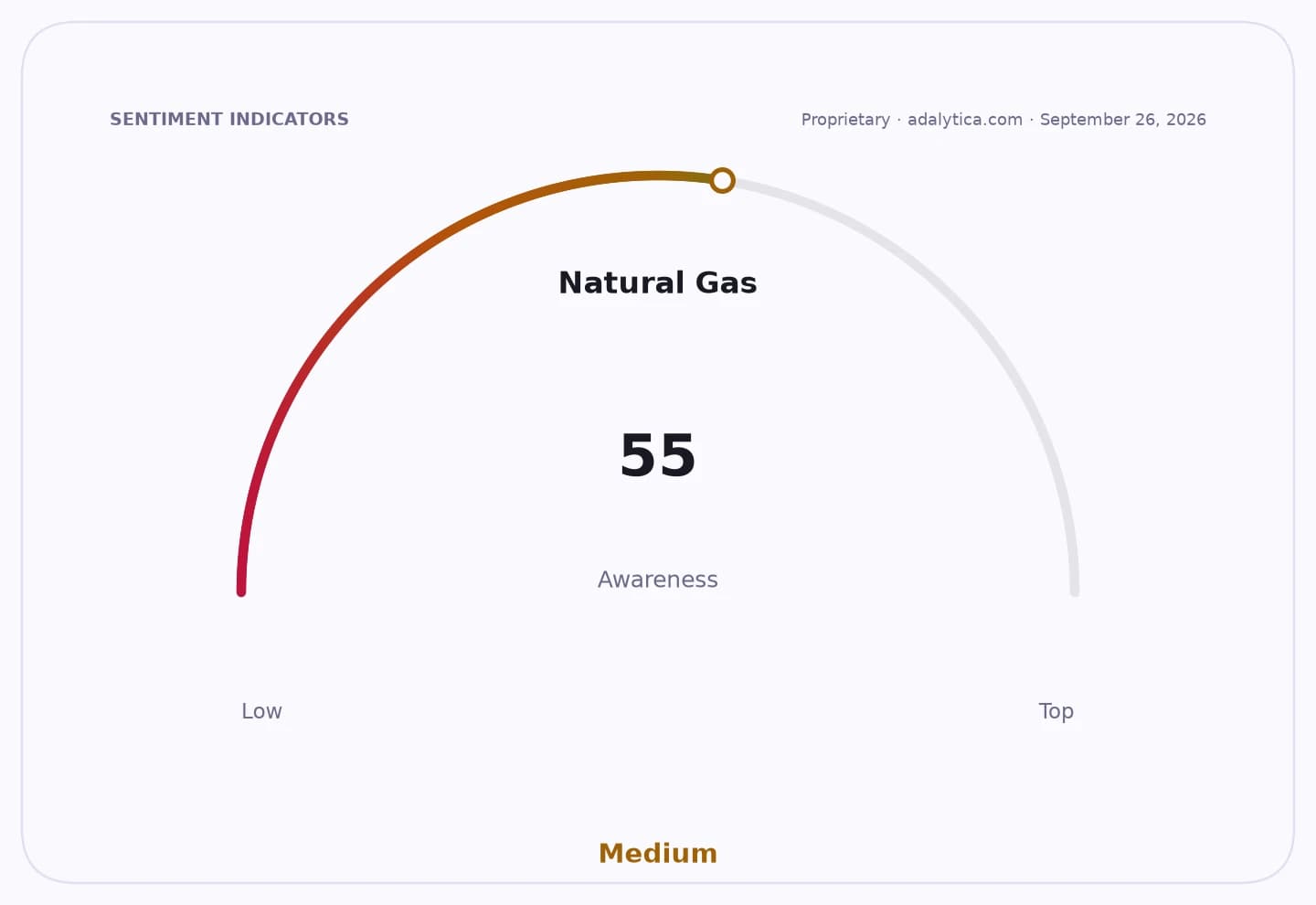
Sentiment IndicatorsⓘProprietary · adalytica.com · July 31, 2026
This is a snapshot — live sentiment, awareness and momentum for 130+ markets update continuously in the dashboard.Open AlphaPulse
The timing is important. Industrial producer prices in China have been soft and uneven, with the country’s factory-gate price gauge still showing only a tentative forecast rebound after years of volatility. That suggests Beijing is not just chasing environmental goals; it is trying to retool industry at a moment when margins are already under pressure and the economy needs a higher-quality source of growth. For investors, that combination often marks an inflection point: policy-driven spending can begin where old-economy demand has stalled.
The market is already telling part of that story. Hong Kong and China equity proxies have been volatile, but the rebound in the EWH and FXI ETFs shows traders are quick to price in any policy that could stabilize growth and spark another round of domestic stimulus. The bigger opportunity, in our view, sits one level down the chain. If Beijing follows through with tougher green industrial standards, the winners are likely to be firms tied to power systems, emissions technology, industrial automation, advanced materials and energy infrastructure — the picks-and-shovels that collect fees from every factory upgrade.
There is also a geopolitical edge to this plan. A cleaner industrial base can help China defend export access as trading partners tighten climate and supply-chain rules, especially in Europe and other developed markets where carbon intensity is becoming a trade issue. At the same time, a greener Chinese industrial model could deepen the global split between companies that can meet decarbonization standards and those that cannot. That is why this is not just an environmental headline; it is a capital-allocation story.
The most compelling way to play it is to look beyond broad China beta and toward the enablers of industrial transition: equipment makers, automation leaders, grid and power-systems suppliers, and clean-tech franchises with exposure to Chinese capex. If Beijing turns policy into procurement, the upside could extend for years. In a market still debating whether China is investable, the real answer may be that the next bull market is not in old China industrials, but in the companies that help China clean them up.
| Entity | Gains | Losses |
|---|---|---|
| Clean-tech suppliers | ▲Higher policy-driven demand | ▼Old high-emission producers |
| Industrial automation firms | ▲Upgrade and efficiency capex | ▼Low-margin legacy manufacturers |
| Grid and power equipment makers | ▲Electrification spending | ▼Fossil-heavy utilities |
| Broad China equities | ▲Growth-stabilization hopes | ▼Cyclical heavy industry |