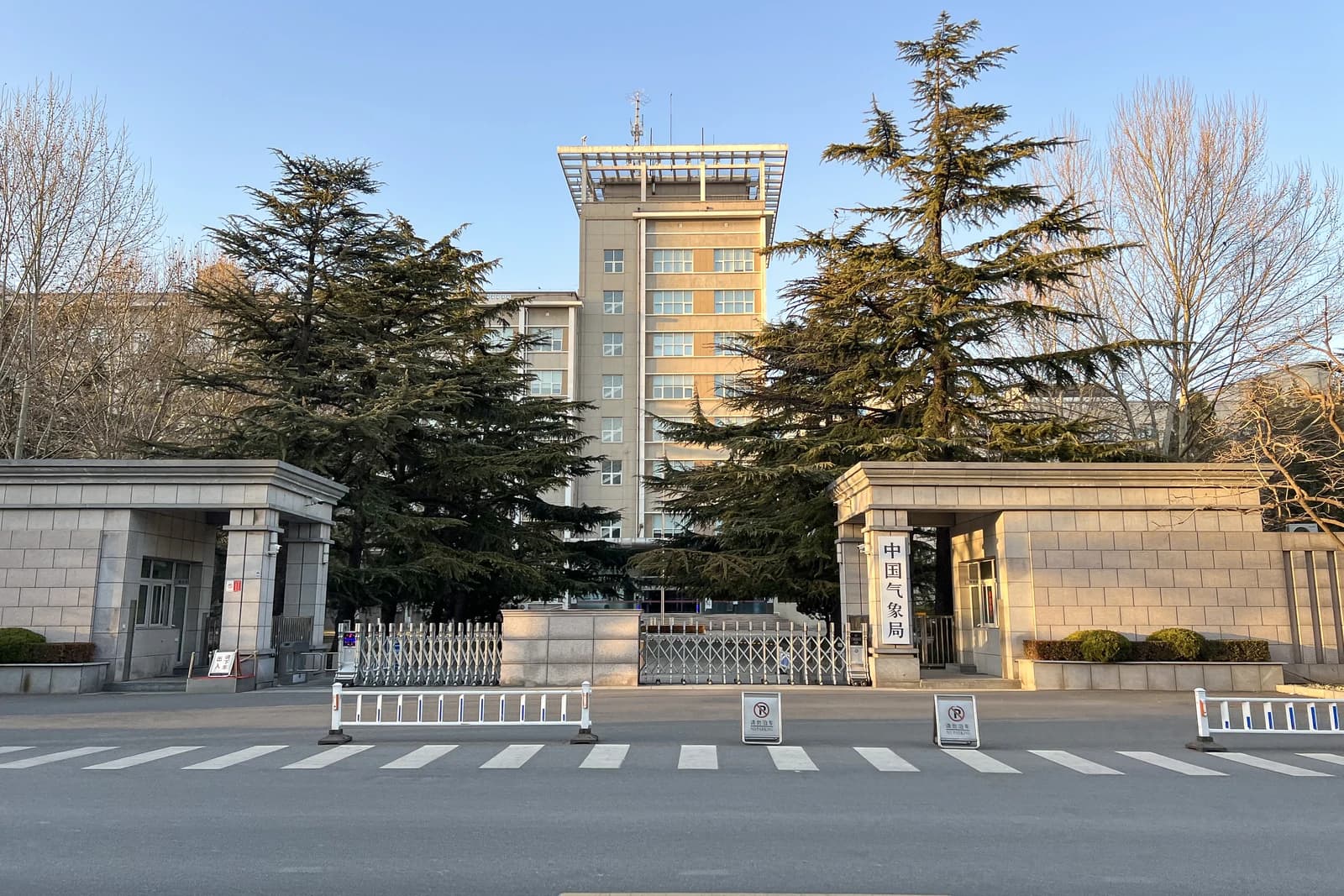
Typhoon Sawdell’s third landfall in southeastern China is now more than a weather event for investors: it is another reminder that repeated storm damage can interrupt transportation, factory output and local consumption across one of the country’s most economically important coastal belts.
China FXI ETF Flat as Typhoon Sawdell Hits Fujian
The storm came ashore along the coast of Fujian province near Zhangzhou with maximum sustained winds of 23 meters per second, according to local meteorological authorities. More than 83,000 people were evacuated in Fujian as heavy rain and flooding spread, while schools, production facilities and maritime links were suspended in the wider region. For an economy that still depends heavily on efficient movement through its eastern seaboard, that kind of disruption can ripple quickly through inventories, shipping schedules and near-term retail demand.
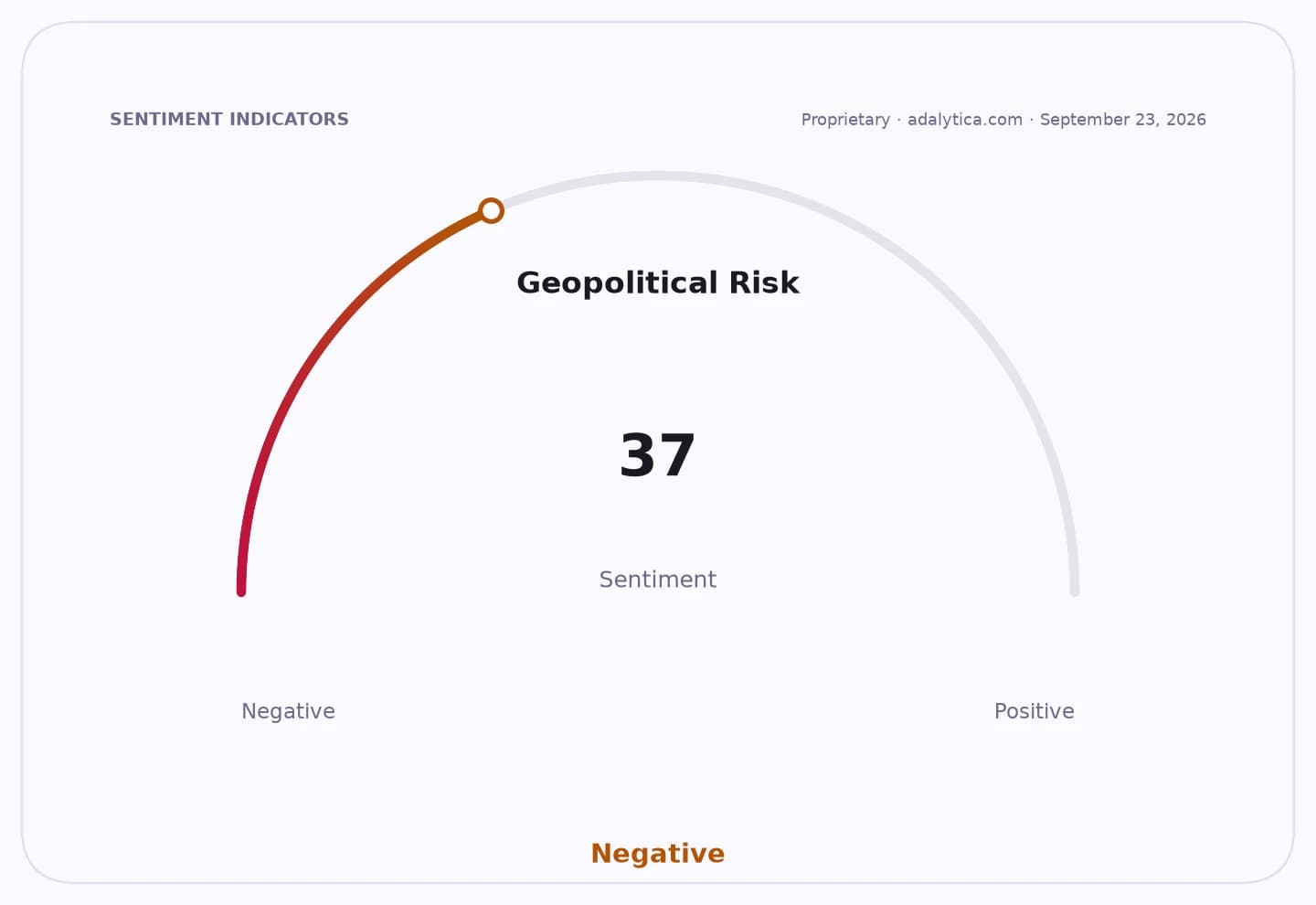
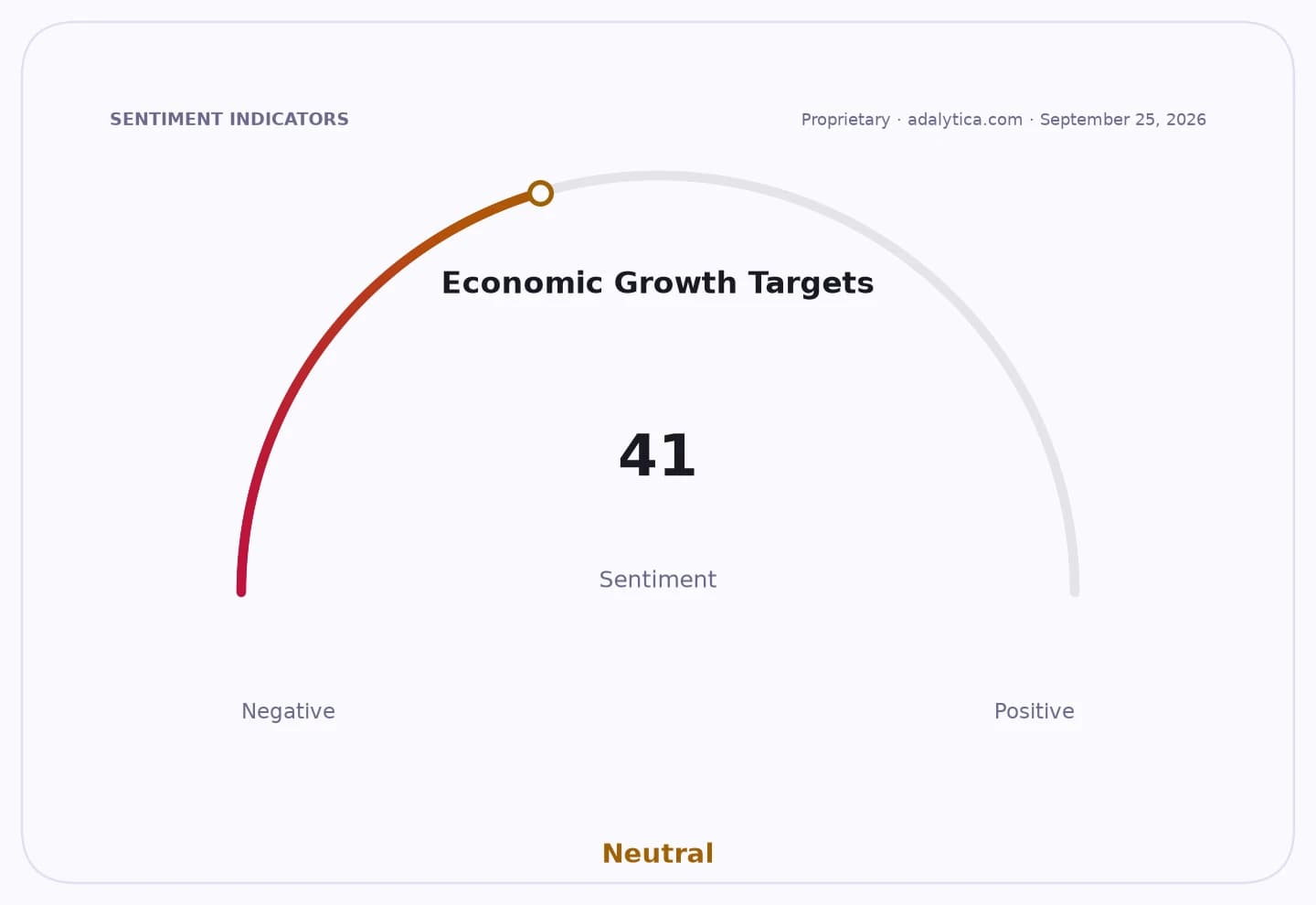
Sentiment IndicatorsⓘProprietary · adalytica.com · September 3, 2026
This is a snapshot — live sentiment, awareness and momentum for 130+ markets update continuously in the dashboard.Open AlphaPulse
The bigger issue is not just the immediate damage, but the frequency. Sawdell had already made landfall twice in Zhejiang and then returned to hit Fujian, underscoring how a single storm system can keep hammering the same industrial corridor. That raises the economic cost for local governments, insurers and companies exposed to logistics bottlenecks, even if the typhoon weakens after its next landfall. Repeated flooding also tends to delay rebuilding work, which can extend the drag on construction materials, machinery use and consumer traffic.
For investors, the market takeaway is straightforward: weather shocks like this rarely move broad benchmarks for long, but they can matter in the margins for China exposure. The FXI China ETF was little changed around $35.31, with its price sitting just above the 50-day moving average but still below the 200-day average, suggesting the market is more focused on policy and growth than on a single storm. Still, sustained disruption in Fujian and neighboring provinces can weigh on companies tied to ports, shipping, industrial production and local discretionary spending, while potentially helping emergency-repair and infrastructure names over time.
There is also a broader macro angle. Adalytica’s Global Stability Sentiment remains neutral, but its China policy-direction gauge shows extreme fear, a sign that investors are already wary about the policy and growth backdrop. In that environment, another round of flooding does not have to trigger panic to matter; it simply adds to the list of operational risks investors have to price into Chinese assets.
Long term, the important question is not whether one typhoon changes China’s growth story. It usually does not. The question is whether more frequent extreme weather keeps raising the cost of doing business along the coast, forcing companies and governments to spend more on resilience, drainage, logistics redundancy and disaster response. That is a slower-moving investment theme, but it is one worth watching if you own China through broad funds or sector-specific bets.
| Entity | Gains | Losses |
|---|---|---|
| Emergency-response firms | ▲More cleanup demand | ▼None immediate |
| Local governments | ▲Test resilience plans | ▼Budget strain |
| Coastal manufacturers | ▲Faster infrastructure upgrades | ▼Factory and shipping disruptions |
| China-focused investors | ▲Potential entry points on weakness | ▼Near-term volatility |