China has returned to the world’s top 100 in gender equality for the first time since 2016, a modest but politically and economically relevant improvement that highlights progress in women’s labor participation even as the country still lags badly in political representation.
China Returns to Global Gender Gap Top 100
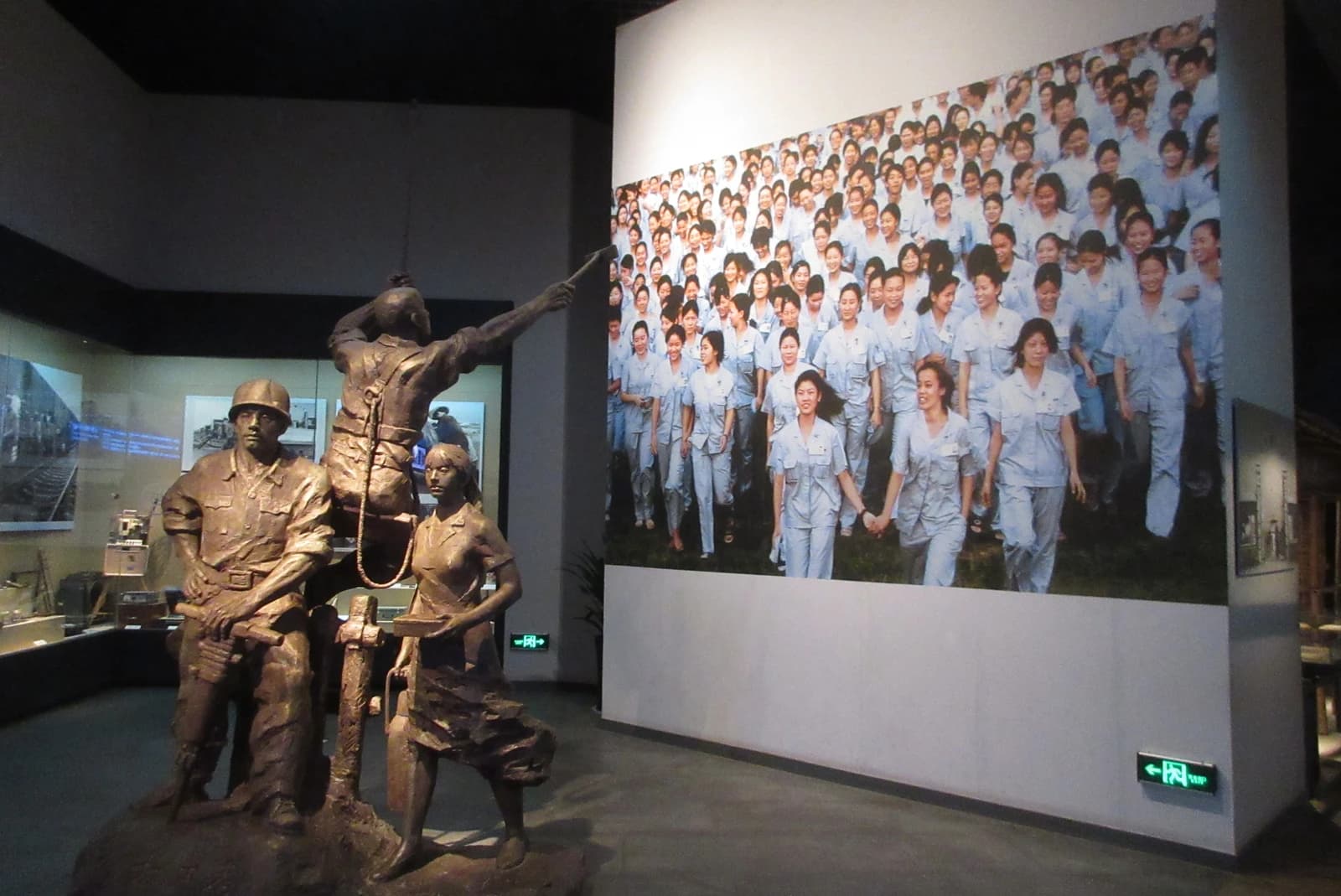
The World Economic Forum’s 2026 Global Gender Gap Report ranked China 96th out of 145 economies, up from 103rd a year earlier, after the country closed 69.9% of its overall gender gap. The gain was driven mainly by the “economic participation and opportunity” measure, where China’s gap closure reached 72.3% on the back of better estimated earnings, labor-force participation and career prospects for women.
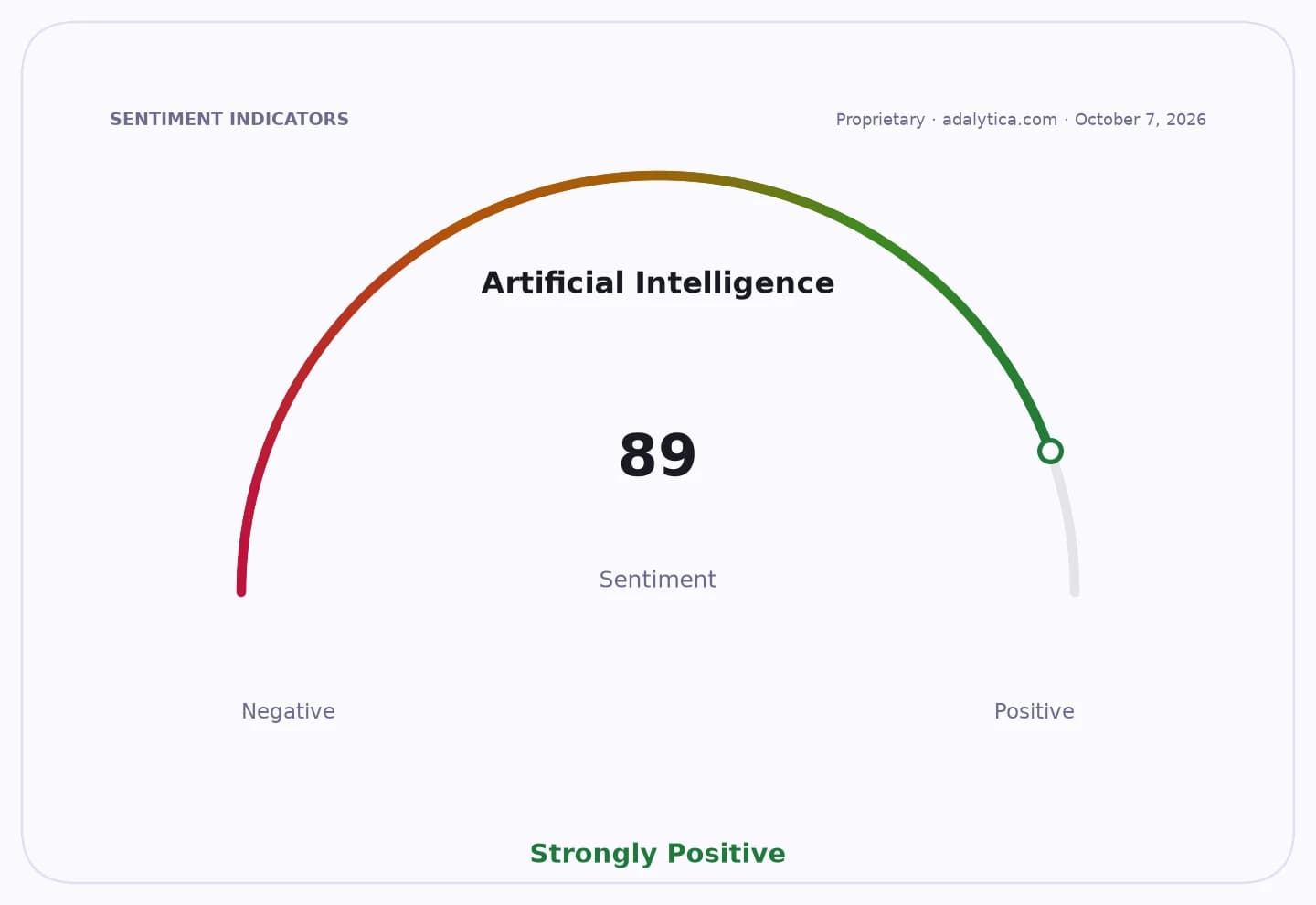
Sentiment IndicatorsⓘProprietary · adalytica.com · October 4, 2026
This is a snapshot — live sentiment, awareness and momentum for 130+ markets update continuously in the dashboard.Open AlphaPulse
That matters economically because labor supply is one of China’s clearest structural constraints as growth slows and the population ages. Higher female participation can cushion shortages, support household income and broaden the base for consumption, while a stronger record on workplace access may help companies tap a larger talent pool in a tightening labor market.
The report also underscores how uneven China’s progress remains. WEF said women are still underrepresented in senior political and ministerial roles, leaving the country well short of parity in decision-making power even as it improves on employment measures.
For investors, the ranking is less a tradable catalyst than a signal on labor-market depth, social policy and the longer-term quality of China’s growth model. It also places China ahead of South Korea, Japan and India in Asia, but behind Singapore and Thailand, reinforcing a regional split in how quickly economies are translating education and employment gains into broader equality.
Globally, the gender gap has narrowed to 69.2%, the highest on record, but WEF said the world would still need about 120 years to reach full parity if progress continues at the current pace. Iceland kept first place for a 17th straight year, while the United States ranked 47th.
The next tests for China will be whether the improvement in labor participation can be sustained and whether it spreads beyond the workplace into leadership and political representation, areas that remain the biggest drag on its overall score.
| Entity | Gains | Losses |
|---|---|---|
| China | ▲Higher gender-gap rank | ▼Still weak political parity |
| Women workers | ▲Better labor access | ▼Limited leadership roles |
| Investors in China | ▲Larger labor pool | ▼Slow structural reform |
| Japan, South Korea, India | ▲— | ▼Trail China in rank |