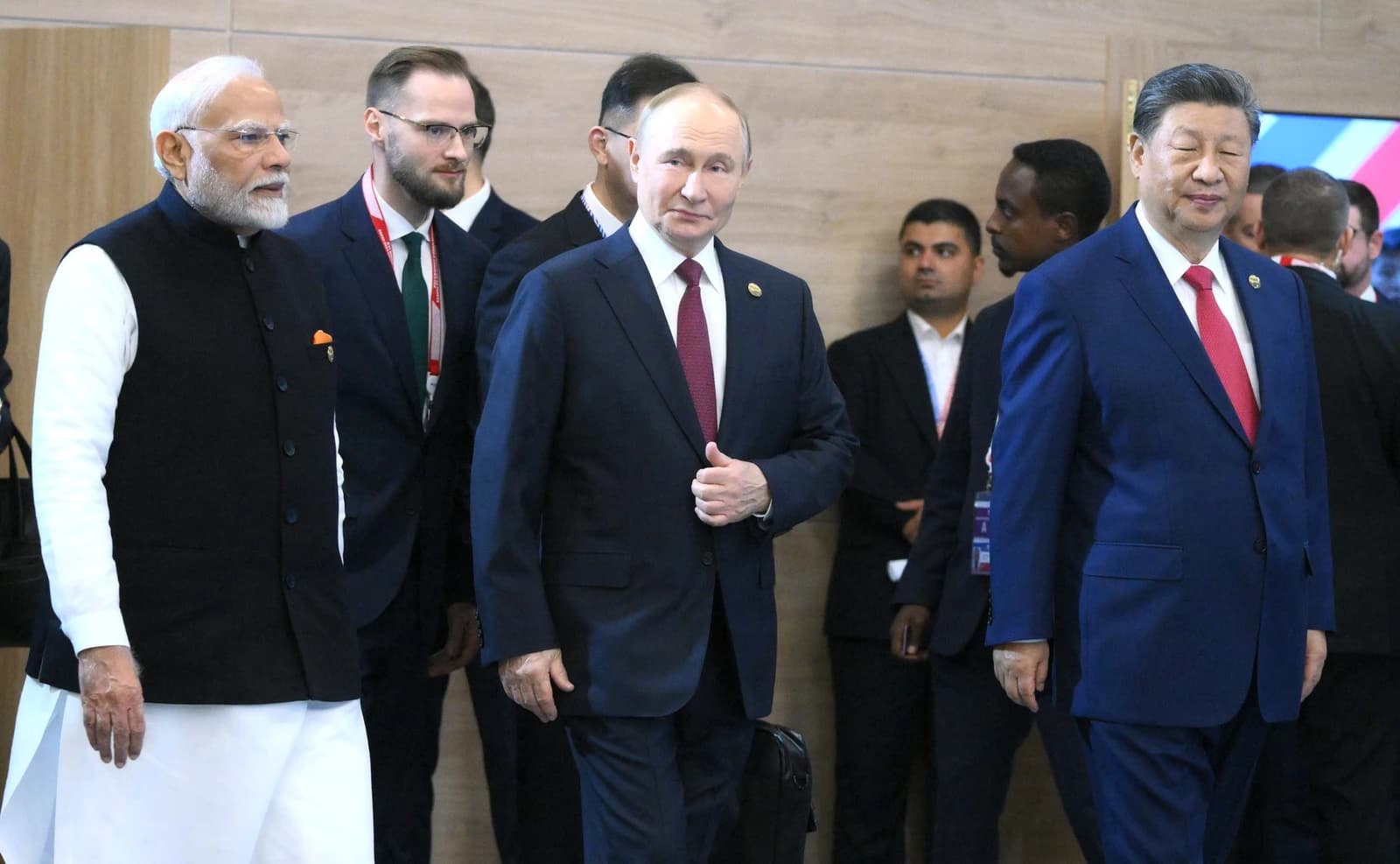
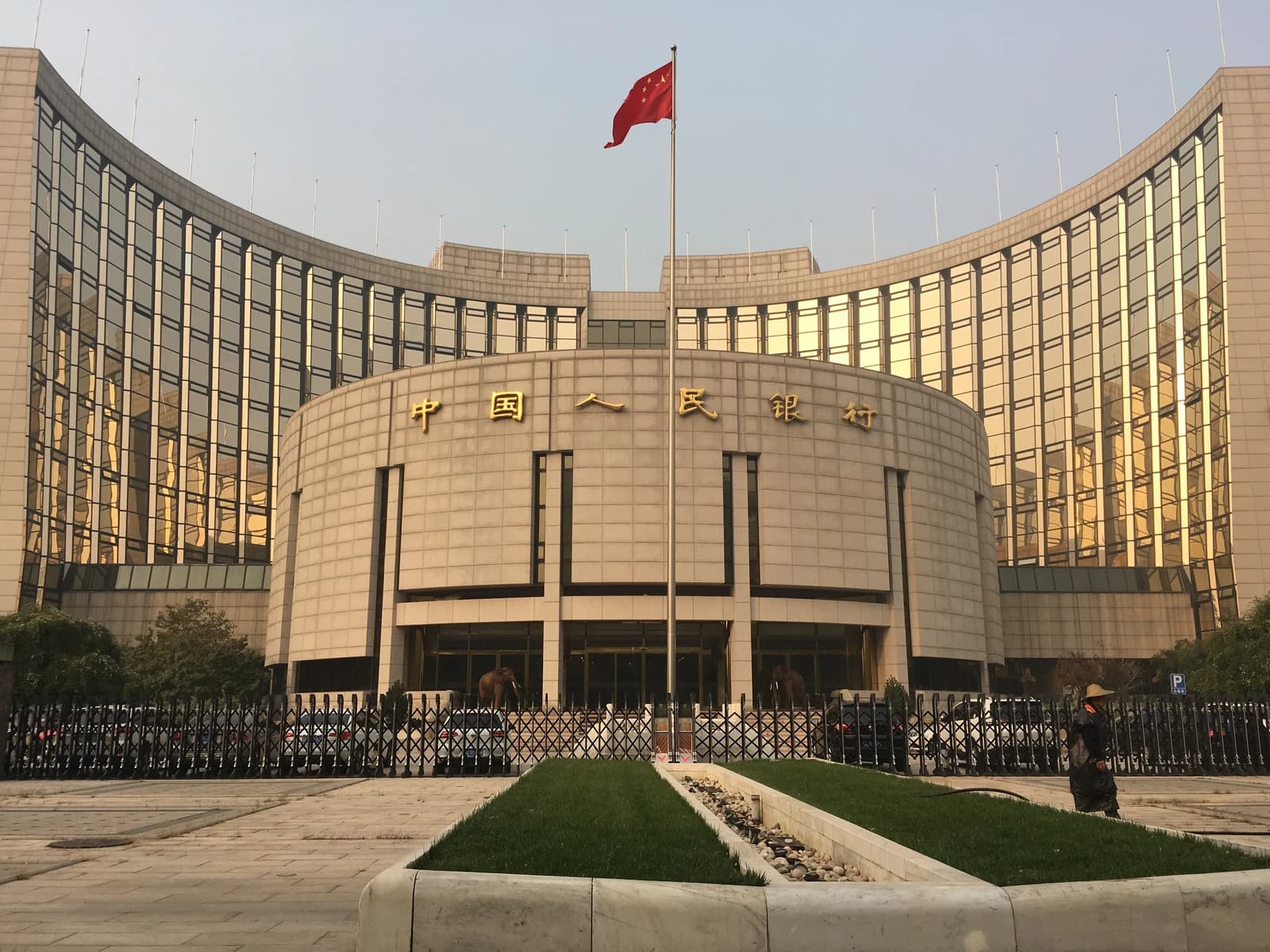
The most important development in the latest de-dollarization narrative is not a sudden collapse in the dollar, but the steady buildout of alternative payment and trade channels by China, Russia and India. That matters because the dollar’s role in global commerce and reserves gives the U.S. unusual financing advantages, while any credible shift in invoicing or settlement would gradually alter capital flows, sanctions leverage and foreign-exchange demand.
China, India, Russia Build Non-Dollar Payment Channels

Markets are not pricing a regime change yet. The dollar remains firm on the back of higher-for-longer U.S. rates and safe-haven demand, while Adalytica’s US Dollar Trade Signals sit at a neutral 57 with a 7-day improvement of 31 points. The broader message from the data is that the dollar’s near-term resilience can coexist with a longer-run erosion at the margins if major economies keep routing trade outside the greenback.
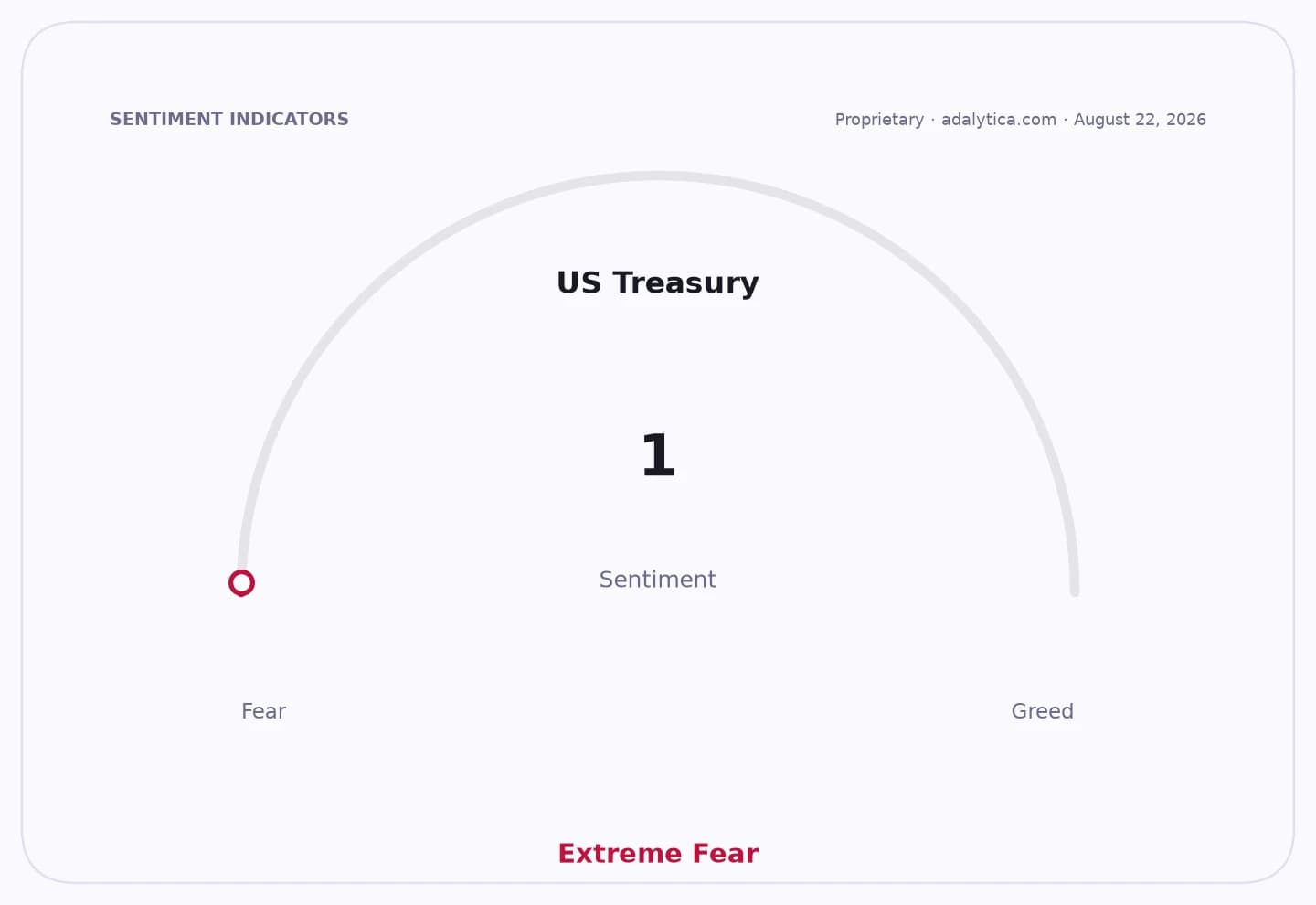
Sentiment IndicatorsⓘProprietary · adalytica.com · September 4, 2026
This is a snapshot — live sentiment, awareness and momentum for 130+ markets update continuously in the dashboard.Open AlphaPulse

India has been among the clearest proponents of settling trade in local currencies, part of a wider effort to reduce exposure to dollar funding and currency volatility. China has already spent years expanding yuan-based trade settlement and cross-border payment infrastructure, while Russia has accelerated non-dollar channels under sanctions pressure. Together, the three countries are not yet building a full rival reserve system, but they are chipping away at the dollar’s monopoly in the plumbing of trade finance.
That distinction matters economically. The dollar’s advantage is less about sentiment than network effects: commodities are priced in dollars, banks clear in dollars and central banks hold dollars because everyone else does. Replacing that architecture is slow and costly. But even modest shifts in invoicing can reduce demand for dollars at the margin, raise transaction costs for firms that rely on dollar liquidity and create more segmented financial blocs.

The investor implication is twofold. First, a de-dollarization trade is not a call to short the dollar indiscriminately; the U.S. currency can stay strong for long stretches when Fed policy is restrictive and global growth is fragile. Second, investors should watch for beneficiaries of a more multipolar currency system: Asian settlement rails, non-U.S. payment infrastructure, commodity hedging alternatives and local-currency debt markets in emerging economies.
The market backdrop is also consistent with a slow-burn story rather than a shock event. The euro has softened as investors prefer the dollar, the yen has moved on Bank of Japan rate-hike expectations and oil prices have supported the greenback. Geopolitical tensions, including the Iran conflict and risks around the Strait of Hormuz, are reinforcing demand for liquid dollar assets even as countries seek to insulate themselves from U.S. financial leverage.
That is why the real narrative is not “the dollar is being replaced,” but “the dollar is being worked around.” For now, the greenback still dominates global pricing power and portfolio allocation. Over time, however, every bilateral trade deal settled in local currency, every payment corridor built outside the U.S. system and every sanctions workaround adds up — not to a new world currency, but to a less dollar-centric one.
| Entity | Gains | Losses |
|---|---|---|
| China, Russia, India | ▲More trade autonomy | ▼Less dollar dependence |
| U.S. dollar system | ▲Near-term safe-haven demand | ▼Long-term network erosion |
| Local-currency payment rails | ▲Higher usage | ▼Dollar clearing volumes |
| Multinational importers/exporters | ▲Lower FX flexibility | ▼Higher fragmentation risk |