China will require importers of Japanese dichlorosilane to post deposits of as much as 99.2% starting Tuesday, a move that raises the cost of a key semiconductor chemical and adds another layer of strain to already fragile China-Japan economic ties.
China raises deposits on Japanese dichlorosilane imports

The provisional anti-dumping measures matter because DCS is a niche but strategically important input used in thin-film deposition for logic, memory and analog chipmaking. By forcing deposits on imports at rates of 80.8% to 99.2%, Beijing is effectively making Japanese supply far less competitive in China, the world’s largest electronics manufacturing base. That could tighten supply chains for some domestic chipmakers in the near term, but it also gives Chinese producers room to gain share in a market the government says was being harmed by dumping.
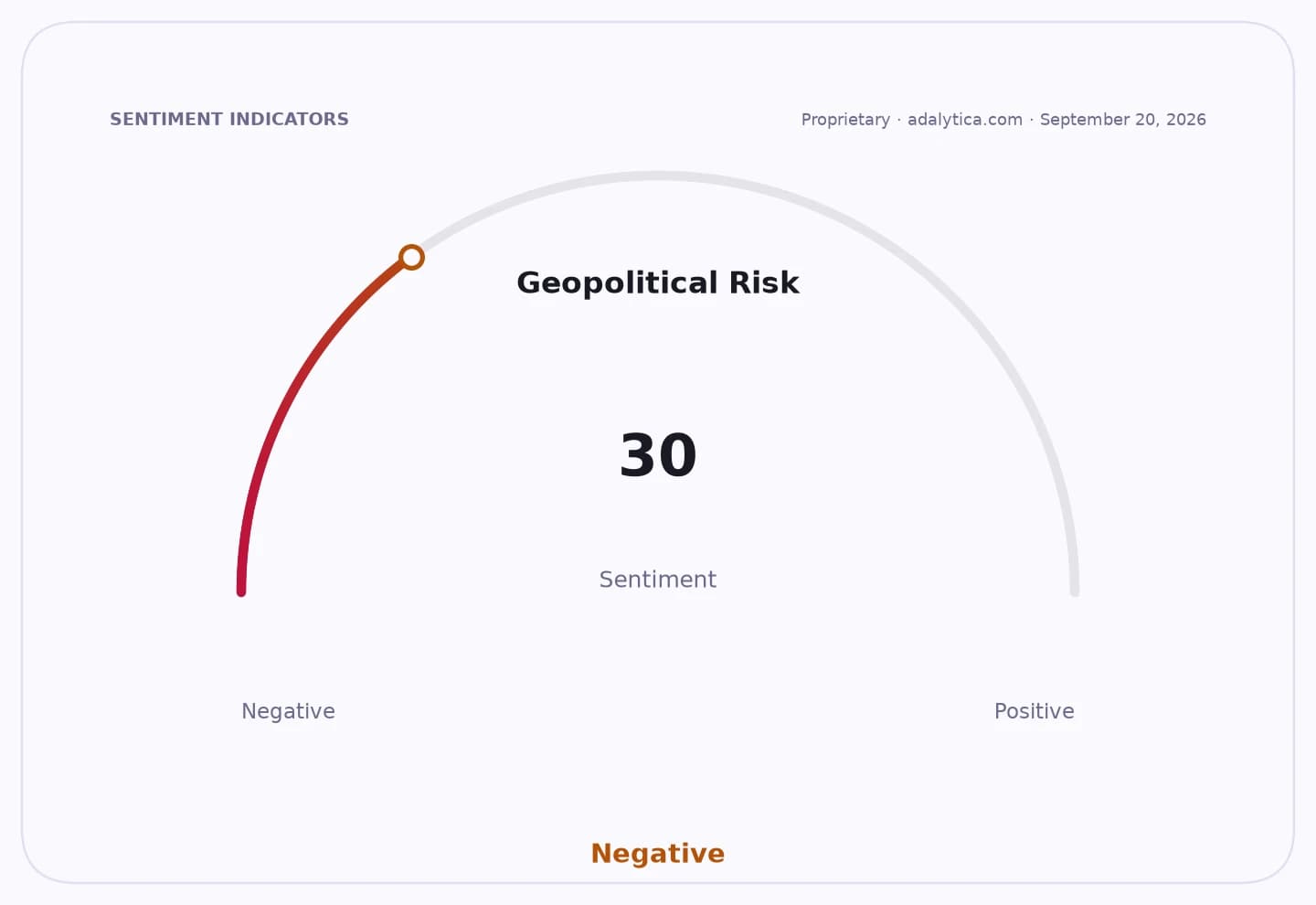
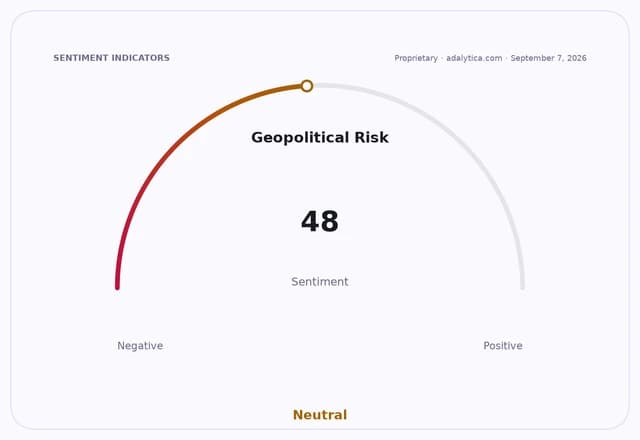
Sentiment IndicatorsⓘProprietary · adalytica.com · September 7, 2026
This is a snapshot — live sentiment, awareness and momentum for 130+ markets update continuously in the dashboard.Open AlphaPulse
The Commerce Ministry said its preliminary ruling found Japanese DCS was dumped into the Chinese market and caused material injury to the domestic industry. The investigation, opened on Jan. 7, also looked at dumping margins and causation, suggesting Beijing is using a formal trade remedy process rather than an ad hoc restriction. The measures, however, land in a broader geopolitical setting: Japan has been hardening its defense posture, while China has been warning against Tokyo’s military expansion. Trade actions against industrial inputs can easily bleed into that political backdrop.
For investors, the immediate question is not just who loses market access, but where the pain lands along the semiconductor value chain. Shin-Etsu Chemical Co. faces the steepest provisional deposit rate at 99.2%, with Denal Silane Co. at 80.8% and other Japanese suppliers also at 99.2%. For Japanese specialty chemical makers, that threatens revenue in a high-value segment where China demand is important. For Chinese chip and materials producers, the ruling could provide a near-term competitive tailwind if they can ramp output and maintain quality. For downstream semiconductor manufacturers, the risk is higher input costs, more supply-chain friction and a fresh reminder that critical materials can become policy tools.
Market moves in Japanese chemical stocks have been mixed, but technical readings suggest investors have already been pricing a degree of strain into the group. Shin-Etsu’s shares have recently hovered around and below their 50-day moving average, with the relative strength index falling into oversold territory, while Mitsubishi Chemical’s chart has also weakened markedly, pointing to caution around Japan’s materials exporters. The message is that trade friction is no longer just a diplomatic headline; it is being reflected in equity positioning and in expectations for margin pressure.
The longer-term risk is escalation. Beijing could convert provisional duties into permanent measures after the investigation concludes, while Tokyo could contest the decision through trade channels or absorb the hit by redirecting supply. But if the ruling stands, it will reinforce a familiar pattern in Asia: industrial policy and national security concerns increasingly overlapping, with semiconductor supply chains among the first places where that tension shows up in pricing, sourcing and valuation.
| Entity | Gains | Losses |
|---|---|---|
| Chinese DCS producers | ▲Larger domestic share | ▼— |
| Japanese suppliers, led by Shin-Etsu | ▲— | ▼Access to China market |
| Chinese chipmakers | ▲Potential local sourcing | ▼Higher input costs |
| Investors in Japanese materials stocks | ▲— | ▼Margin and sales risk |