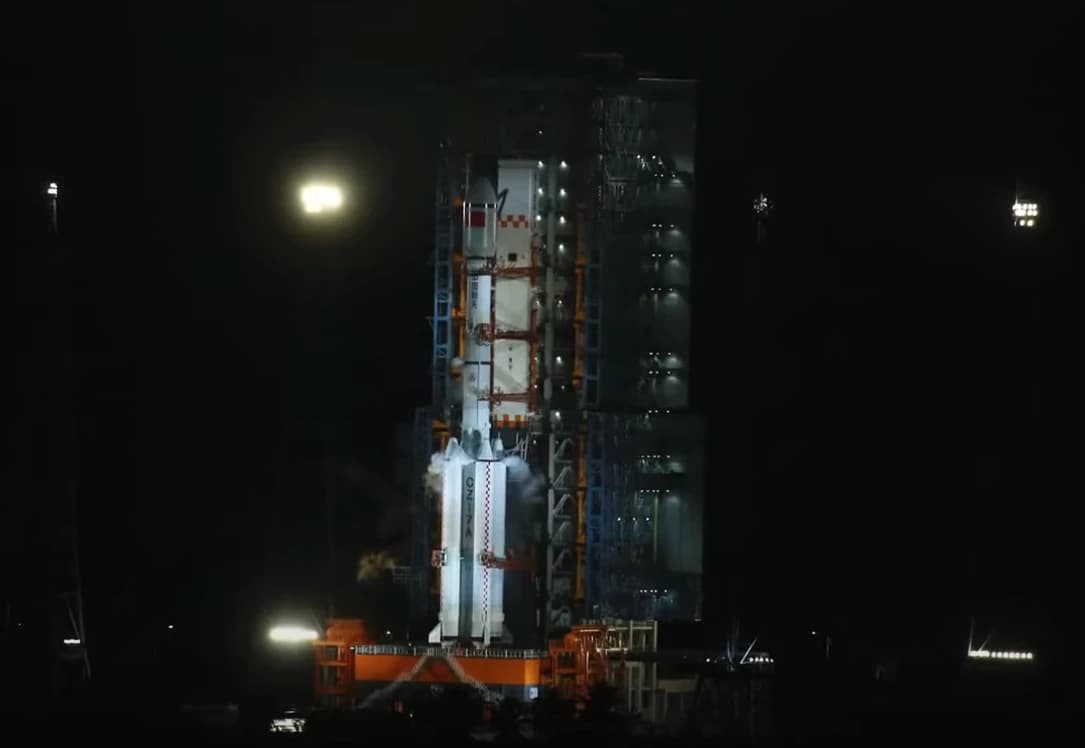
China’s space program has moved a step closer to a planned 2030 mission to Jupiter after researchers successfully tested a Nasa-funded deep-space navigation method that could let probes steer themselves far from Earth.
China Jupiter Mission Tests Deep-Space Navigation
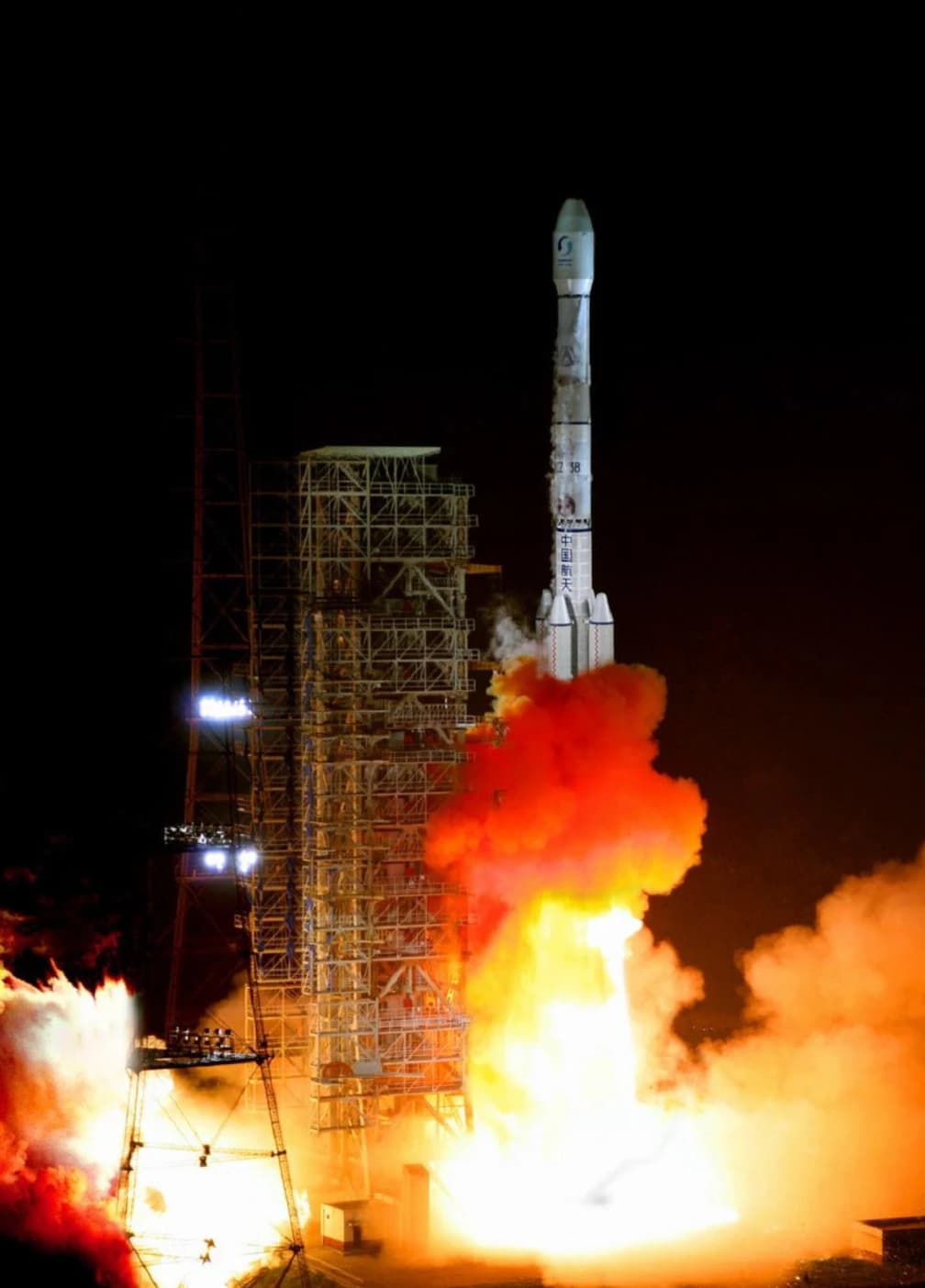
The advance matters because interplanetary missions become harder, more expensive and more dependent on ground-based tracking the farther a spacecraft travels. If the technique proves reliable in practice, it could reduce reliance on constant command links from Earth, lower operational risk and improve the odds of long-duration missions reaching distant targets such as Jupiter.
Sentiment IndicatorsⓘProprietary · adalytica.com · October 1, 2026
This is a snapshot — live sentiment, awareness and momentum for 130+ markets update continuously in the dashboard.Open AlphaPulse
Known as stellar aberration navigation, the method uses minute shifts in the apparent position of stars to determine a probe’s speed and direction in deep space. Chinese researchers said they had now put the concept into practice, a technical step that brings Beijing closer to operating spacecraft more autonomously on one of the most demanding missions in planetary exploration.
That has strategic as well as scientific significance. Jupiter missions require navigating across vast distances where communication delays can stretch to tens of minutes each way, making real-time control impossible. Autonomous navigation is therefore not just a convenience but a capability that can determine whether a mission stays on course, conserves fuel and completes complex maneuvers around launch windows and planetary flybys.
The test also underscores how space competition is increasingly defined by engineering depth rather than headline launches. China has steadily expanded its deep-space ambitions, and success here would strengthen its position in the outer solar system race, where the European Space Agency’s Juice probe and Nasa’s own planetary programs are setting the pace. For China, the ability to adapt and operationalize a technique backed by Nasa funding highlights both a narrowing technology gap and the value of reusable navigation tools across future lunar, Martian and Jovian missions.
For investors, the broader market relevance lies in the growing demand for autonomous guidance, deep-space communications, sensors and mission software across the global space supply chain. Prime contractors and specialty suppliers tied to spacecraft avionics, star trackers, guidance systems and planetary programs stand to benefit if agencies and commercial operators increasingly prioritize autonomy to cut mission risk and operating costs. That includes major U.S. aerospace and defense names with exposure to space systems, even as geopolitical restrictions continue to complicate cross-border technology transfer.
The immediate commercial impact is limited, but the long-term implication is clear: deep-space missions are becoming a test bed for autonomous systems that will shape the next phase of the space economy. If China’s Jupiter program advances on schedule, the result will be measured not only in scientific return but in a stronger industrial base for future exploration hardware, software and navigation technologies.
| Entity | Gains | Losses |
|---|---|---|
| China space program | ▲Mission readiness | ▼Navigation dependence |
| Nasa-backed concept | ▲Validation | ▼Exclusivity |
| Space suppliers | ▲Future demand | ▼Delayed adoption |
| Competing space agencies | ▲Benchmark pressure | ▼Technology edge |