China’s marriage registrations fell to their lowest level in 18 years in the January-September period, reinforcing fears that the world’s second-largest economy is heading toward a deeper population slide that will weigh on consumption, labor supply and long-term growth.
China marriage registrations hit 18-year low

The drop matters because marriage in China remains closely linked to childbearing, making the latest data an early warning sign for births in the next few years. With fewer couples marrying now, demographers expect the country’s already weak birth rate to come under renewed pressure by 2027, complicating Beijing’s effort to stabilize a shrinking workforce and an aging society.
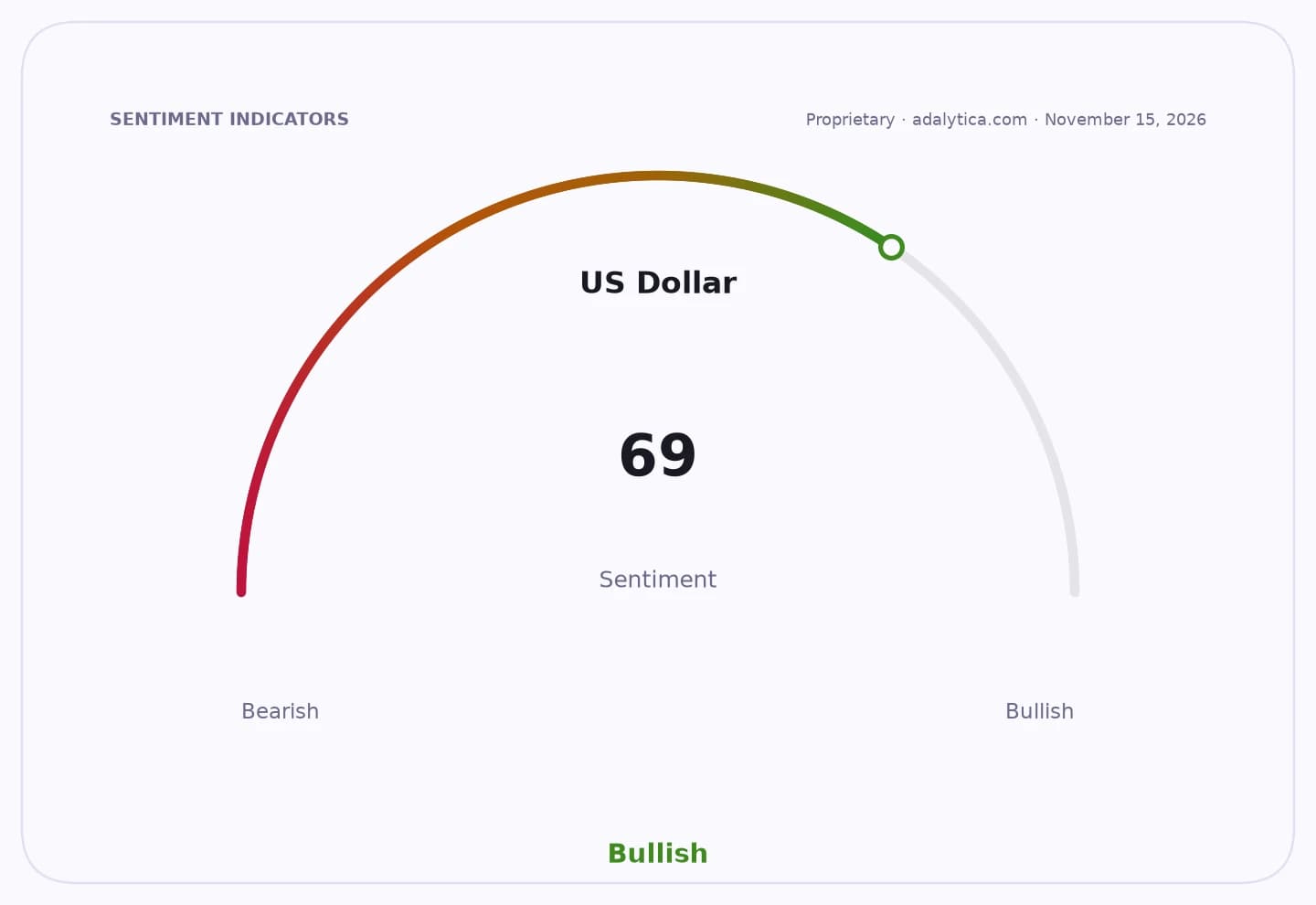
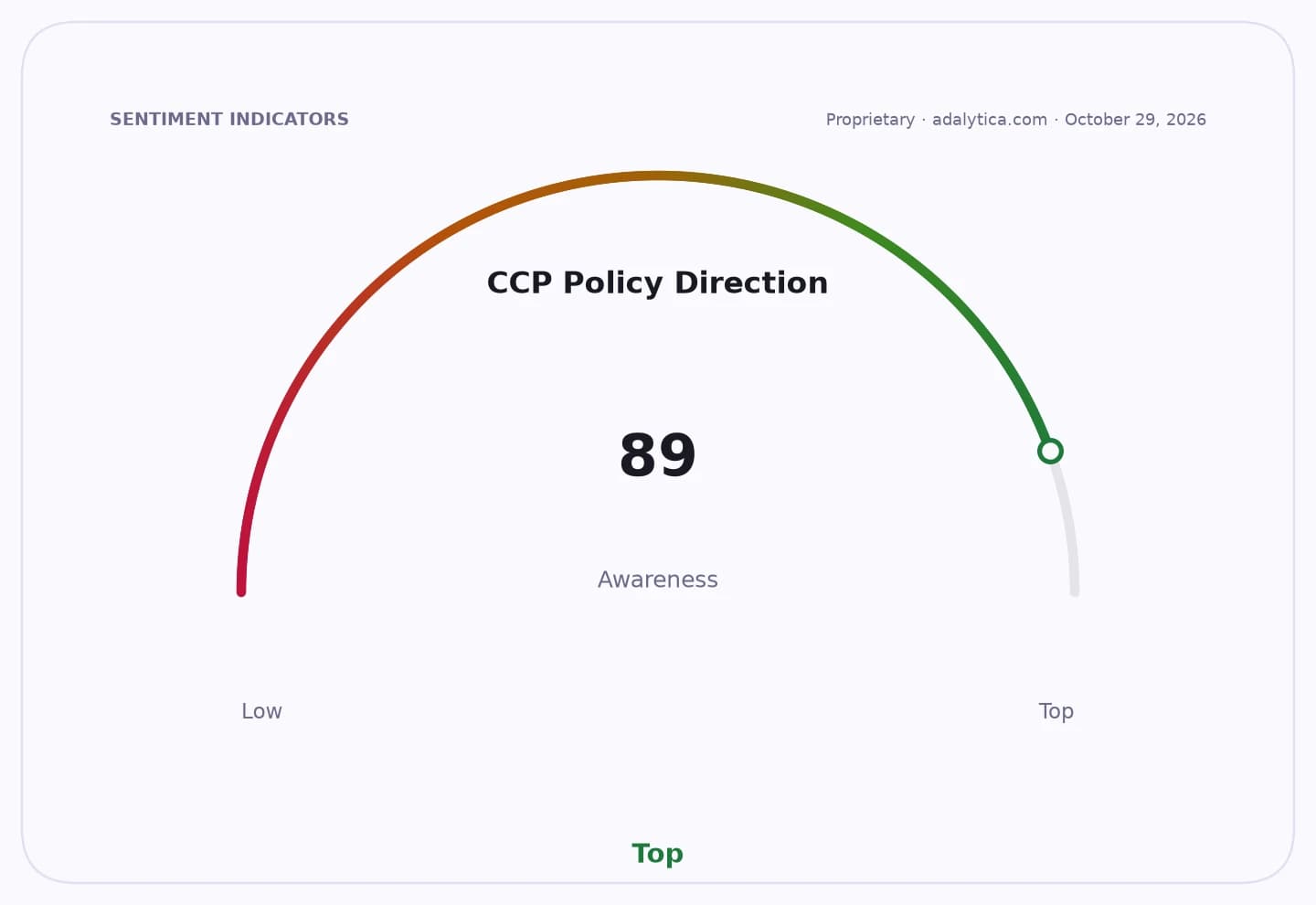
Sentiment Indicators
The decline also reflects a stubborn mix of high living costs, job-market uncertainty and changing social attitudes among younger Chinese adults, many of whom are delaying or avoiding marriage altogether. That shift is not just a social trend; it is a macroeconomic one, because fewer households are likely to form, buy homes, spend on weddings and raise children in an economy already struggling to restore demand.
For policymakers, the setback highlights the limits of small-bore measures such as streamlining marriage registration or promoting so-called “sweet economy” spending tied to weddings and relationships. Those steps may support niche consumer activity, but they do little to reverse the structural forces behind China’s demographic slowdown.
For investors, the implications are broad. A weaker marriage and birth pipeline points to softer long-term demand for housing, baby products, education, consumer staples and discretionary spending, while adding pressure on local governments and companies that depend on a growing population. It also reinforces the case for policy support aimed at household income, childcare and labor-force participation rather than purely symbolic pro-natal measures.
The demographic drag comes as markets remain sensitive to any sign that China’s domestic-demand recovery is losing momentum. Chinese equity products such as the iShares China Large-Cap ETF, or FXI, have recently traded below both their 50-day and 200-day moving averages, while the China MSCI ETF, MCHI, has also been under pressure, underscoring investor caution around the country’s growth outlook.
The broader message is that China’s population problem is no longer a distant structural concern; it is showing up in near-term family formation data that can shape spending, births and labor supply over the next decade. Unless Beijing finds more forceful ways to lower the cost of raising children and improve household confidence, the marriage slump is likely to keep feeding the same demographic headwinds that have become one of the biggest risks to China’s economic model.
| Entity | Gains | Losses |
|---|---|---|
| Young singles / households | ▲More lifestyle flexibility | ▼Delayed family formation |
| Consumer firms tied to weddings | ▲Limited niche demand | ▼Fewer marriages and events |
| China policymakers | ▲Clearer urgency for reform | ▼Harder demographic backdrop |
| Long-term China growth prospects | ▲None | ▼Lower births, weaker labor supply |