China’s marriage market is rolling over again, and that matters because fewer weddings today usually means fewer babies tomorrow in the world’s second-largest economy.
China marriage registrations fall 10% in 2026
Registration data from the Ministry of Civil Affairs show 4.648 million couples registered marriages in the first nine months of 2026, down nearly 10% from a year earlier, putting the country on track for another annual decline after last year’s rebound. For investors and policymakers, this is more than a social statistic: marriage remains closely tied to family formation in China, so a weaker pace of weddings points to another year of pressure on births, the labor force and long-term consumer demand.
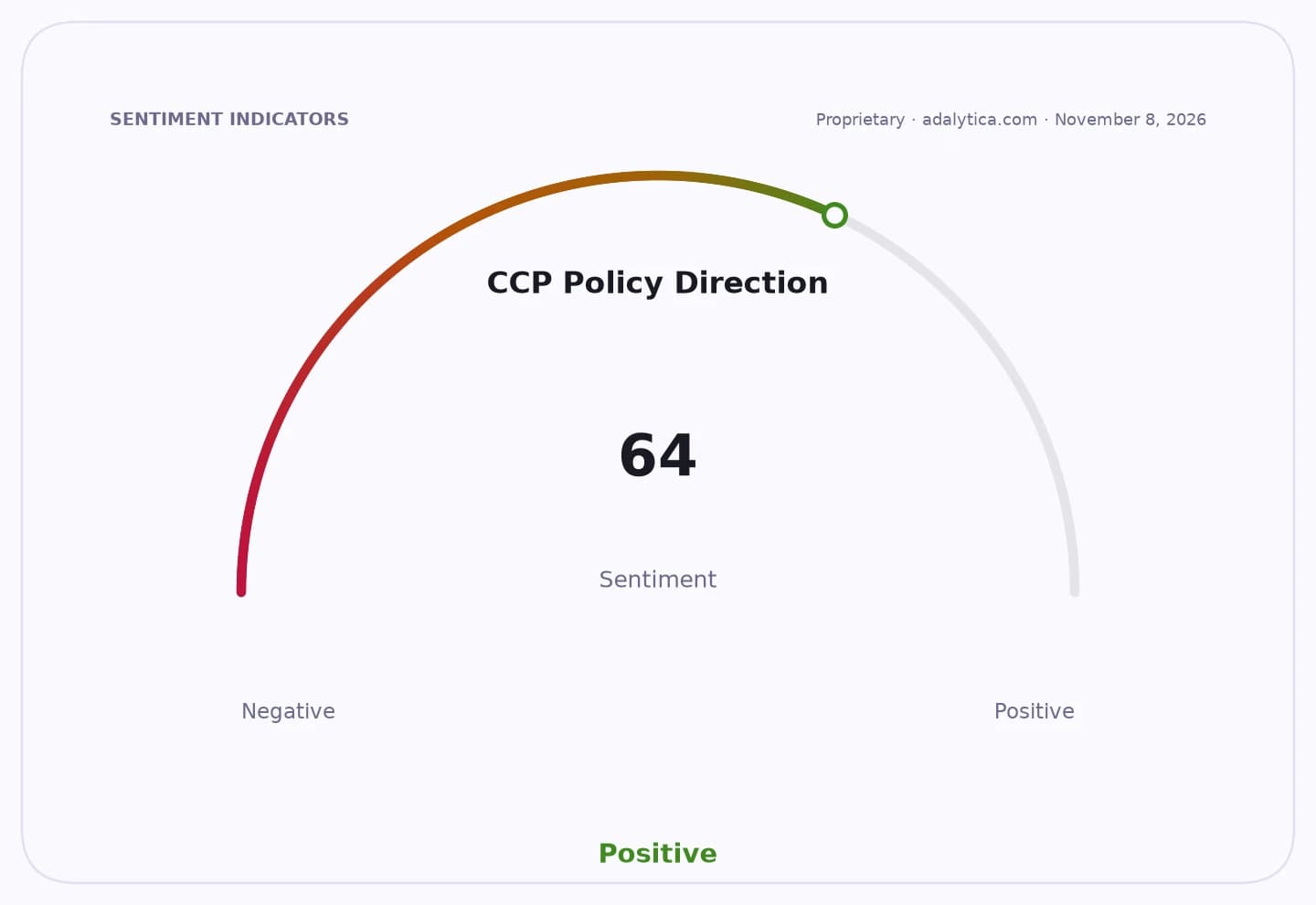
Sentiment Indicators
Demographic headwinds are already one of China’s biggest economic problems. Births fell to a record low in 2025, more than 10 million below the 2016 peak, and the marriage decline suggests the pipeline for future births is still shrinking. That makes the slowdown relevant far beyond family policy. A smaller cohort of young workers can weigh on productivity, housing demand, spending on everything from baby products to education, and eventually the scale of the domestic market that many companies rely on.
The government has not been passive. Local authorities have stretched marriage leave, simplified registration and opened venues in hospitals, banks and even subway stations to make it easier to wed. Some regions are also dangling cash incentives, from 3,000 yuan in Fujian’s Minxi county to as much as 40,000 yuan in one village in Guangzhou for couples who stay married at least a year. But the persistence of the slide shows how limited those levers are when matched against higher living costs, weaker job security and changing attitudes among younger Chinese adults.
There was a brief reprieve in 2025, when registrations rose 10.8% to 6.765 million, helped by easier procedures and local incentives. This year’s reversal suggests that bounce was more a temporary lift than a lasting turn. Divorce registrations also edged higher in the first nine months of 2026, adding to the sense that household formation remains fragile.
For long-term investors, the message is clear: China’s demographic story is still deteriorating, and that is a slow-burning drag on growth rather than a one-quarter macro headline. The companies most exposed to household formation, retail and broad domestic consumption face a tougher operating backdrop over time, while sectors tied to aging, healthcare and automation may look relatively more resilient. If you invest in China, this is one more reason to favor businesses with pricing power, export exposure or durable free cash flow — and to think in years, not months.
| Entity | Gains | Losses |
|---|---|---|
| Chinese local governments | ▲More policy tools | ▼Limited impact on fertility |
| Young couples | ▲Cash perks, easier registration | ▼Higher family costs, weaker incentives |
| China’s consumer economy | ▲Select baby/holiday-related spending | ▼Slower household formation |
| Long-term healthcare/automation plays | ▲Aging-theme support | ▼Consumer-facing family-growth stocks |