Dalian iron ore futures fell for a third straight session on Tuesday, underscoring how seasonal mill maintenance in China is still capping near-term demand even as some steel and ore benchmarks have shown signs of resilience.
China Mill Maintenance Pressures Iron Ore Prices
The move matters because iron ore remains the key raw material for China’s blast furnaces, and China still sets the tone for global steelmaking economics. When mills pull back for maintenance, spot buying usually softens first, pressuring ore prices and narrowing margins for miners, traders and steelmakers that depend on a steady draw from the world’s largest consumer.
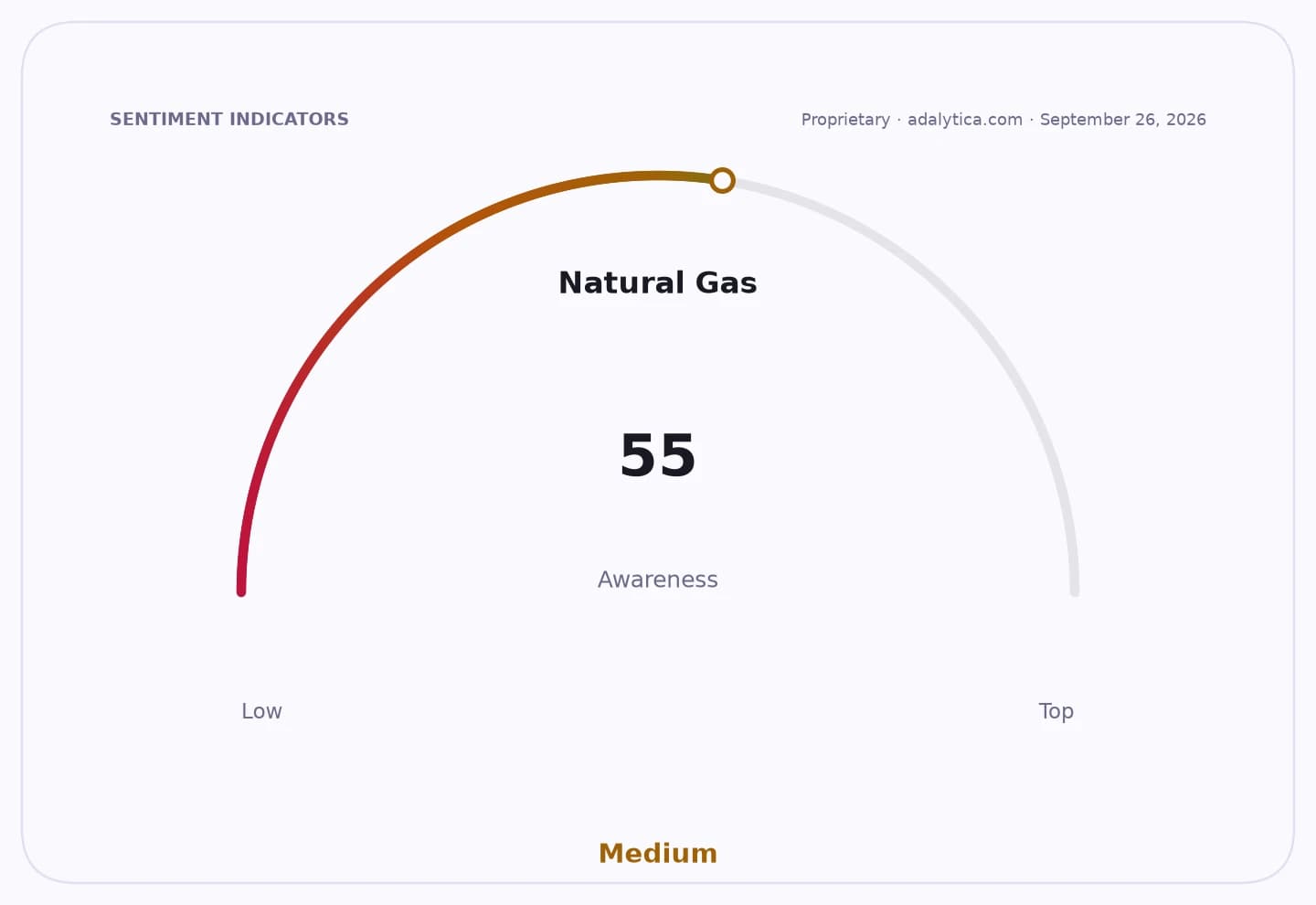
Sentiment IndicatorsⓘProprietary · adalytica.com · July 29, 2026
This is a snapshot — live sentiment, awareness and momentum for 130+ markets update continuously in the dashboard.Open AlphaPulse
The latest weakness comes after a period of choppy trading in which iron ore and steel futures have struggled to sustain rallies. Reuters market commentary has pointed to two competing forces: weaker steel demand in China, which has weighed on ore, and expectations that policymakers may eventually support the sector, which has offered some floor to prices. For now, the maintenance cycle is winning.
That cautious tone is also visible in broader industrial data. U.S. producer prices for iron and steel products have trended higher over time, while U.S. industrial output has continued to expand modestly, suggesting that the global steel cycle is not in outright contraction. But the immediate driver for Chinese ore pricing is still local mill behavior, not the broader macro backdrop.
For investors, the takeaway is uneven. Steelmakers with strong domestic pricing or diversified product mix can absorb softer ore and energy costs, while miners and iron ore-linked producers face more pressure if Chinese restocking remains muted. Shares of U.S. steelmakers Steel Dynamics and Nucor have held up on the back of firmer hot-rolled coil prices and subdued imports, but the latest drop in ore is a warning that the upcycle is still vulnerable to demand pauses in China.
The technical picture in U.S. hot-rolled coil futures shows the market has remained elevated, with prices above both the 50-day and 200-day moving averages, but the rally has also become more stretched. That leaves the sector sensitive to any sign that China’s maintenance season is turning into a more persistent demand slowdown.
The next catalyst will be whether post-maintenance restocking lifts Chinese mill buying quickly enough to stabilize ore, or whether weak downstream steel demand keeps raw material markets under pressure into August. If the latter, the downside would likely fall first on iron ore and miners, while steel margins outside China could stay relatively firmer for longer.
| Entity | Gains | Losses |
|---|---|---|
| Chinese steel mills | ▲Lower raw material costs | ▼Reduced output during maintenance |
| Iron ore miners | ▲Stable restocking demand | ▼Softer spot pricing |
| Steelmakers with strong margins | ▲Better input-cost relief | ▼Weaker end-demand signals |
| Traders and short-term bears | ▲More downside momentum | ▼Failed rebound in ore prices |