China is keeping anti-subsidy duties on U.S. n-Propanol imports for another five years, preserving a trade barrier on a chemical used in packaging, solvents and battery-related applications and adding to the list of sector-specific frictions between Beijing and Washington.
China keeps n-Propanol duties on U.S. suppliers
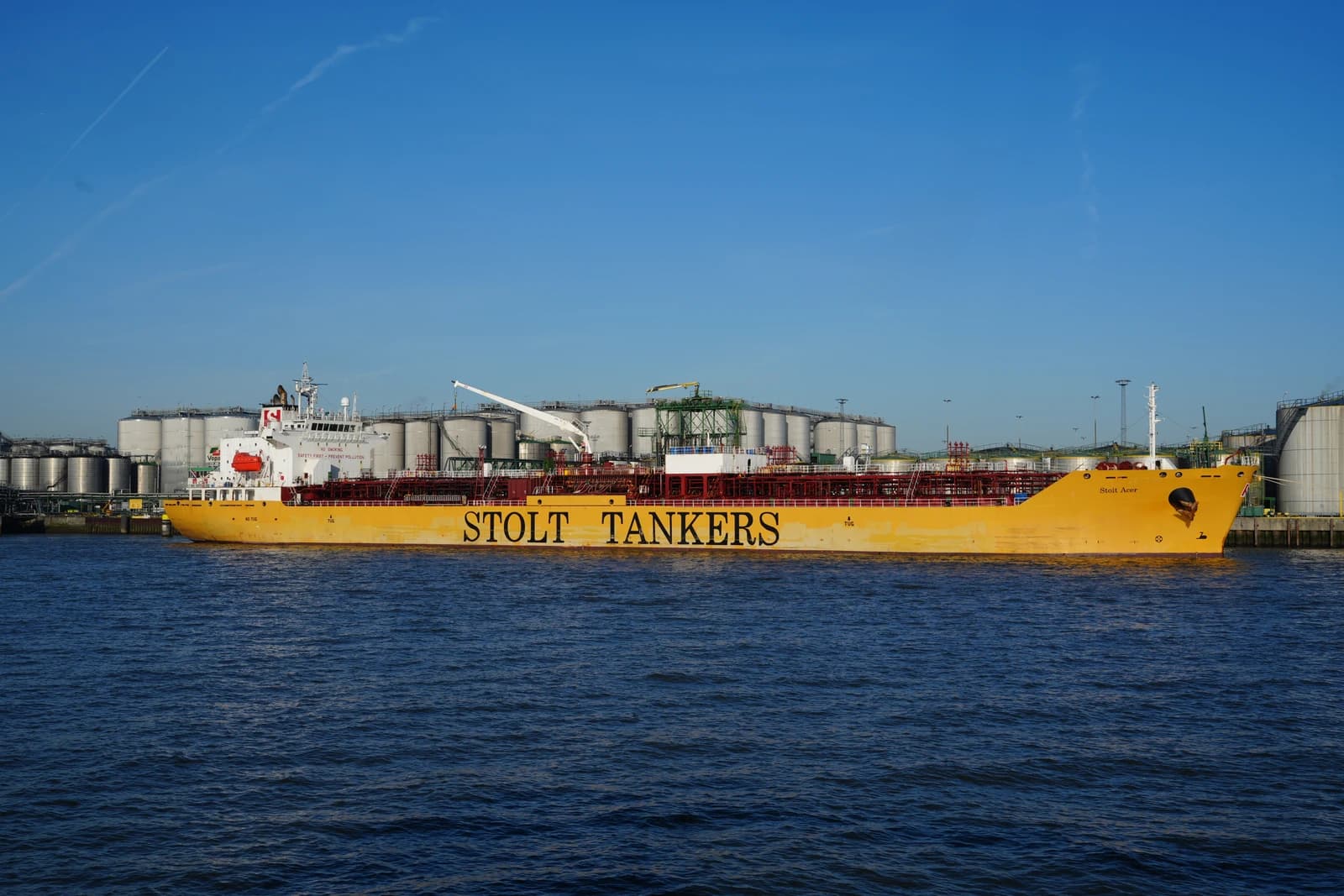
The Ministry of Commerce said on Thursday the countervailing measures, effective Friday, will continue at 37.7% for Dow Chemical, 34.2% for OQ Chemicals and 37.7% for all other U.S. suppliers. The duties were first imposed in November 2020 and were set to expire after an expiry review launched at the request of China’s n-Propanol industry.
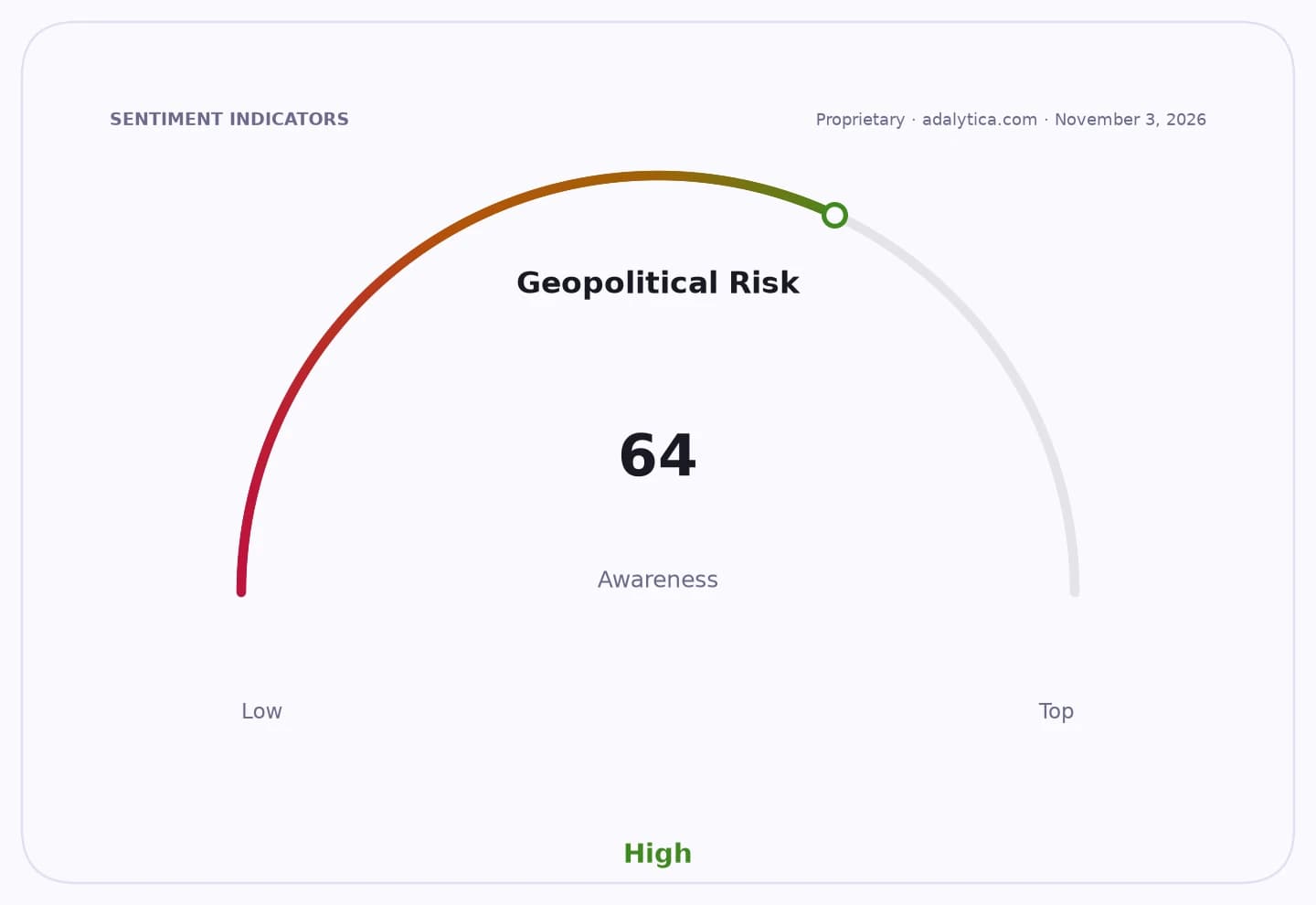
Sentiment Indicators
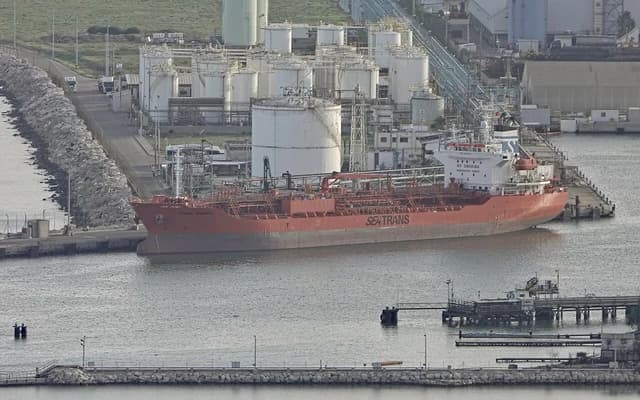
For China, the extension protects a domestic producer base in a material feedstock used directly or as a precursor to n-propyl acetate, which the ministry said is widely used in food-packaging inks and electrolyte solutions for lithium-ion batteries. n-Propanol is also used in pharmaceuticals, coatings, adhesives, cosmetics and plastics, making the ruling relevant to several downstream manufacturing chains.
For investors, the decision reinforces the risk that China will keep using trade remedies to shield strategic or politically sensitive industries even as the two countries maintain a broader trade truce. That raises the odds of continued margin pressure and market access uncertainty for U.S.-linked chemical exporters, while supporting local Chinese suppliers that compete on imported raw material pricing.
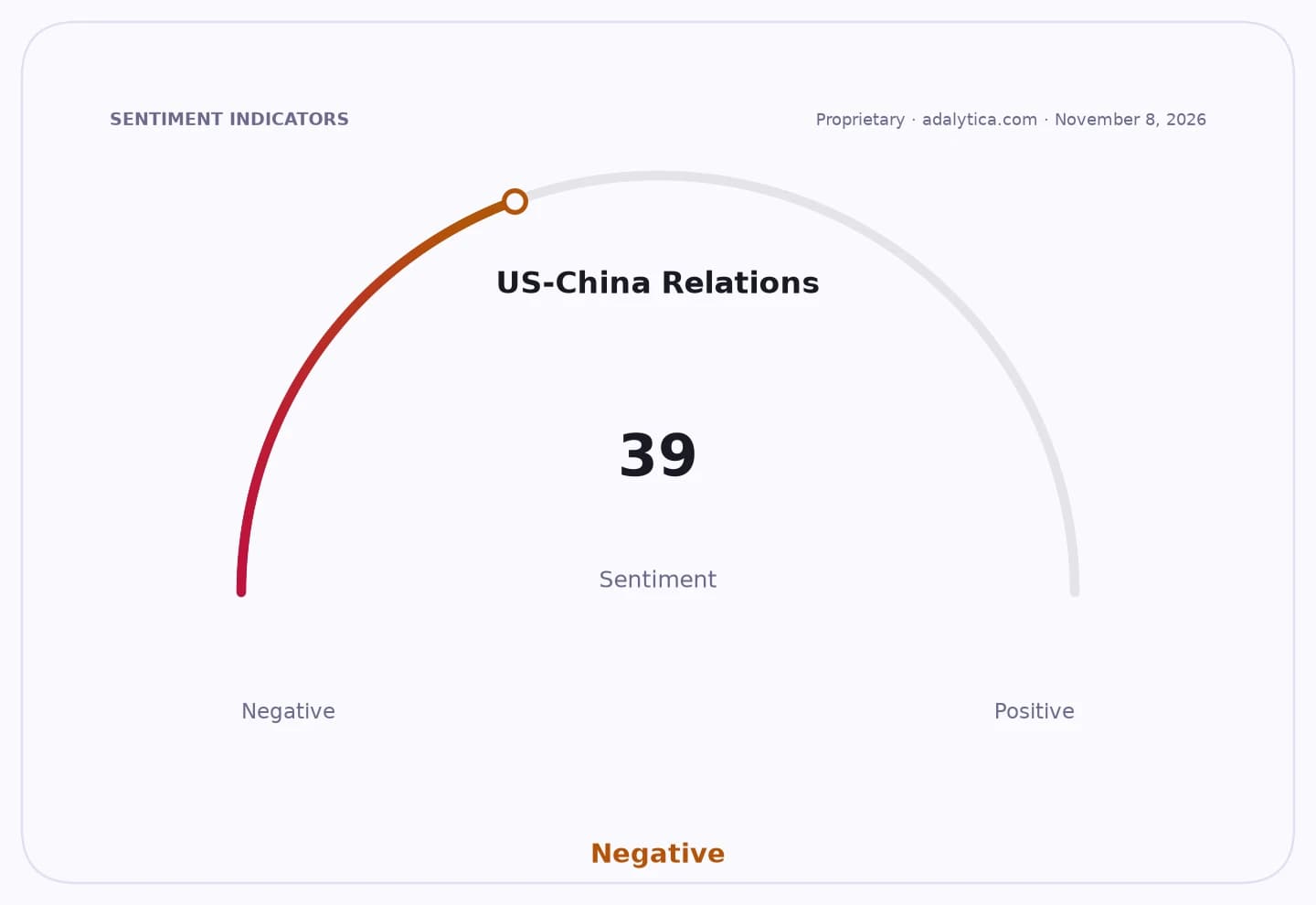
US-China Relations
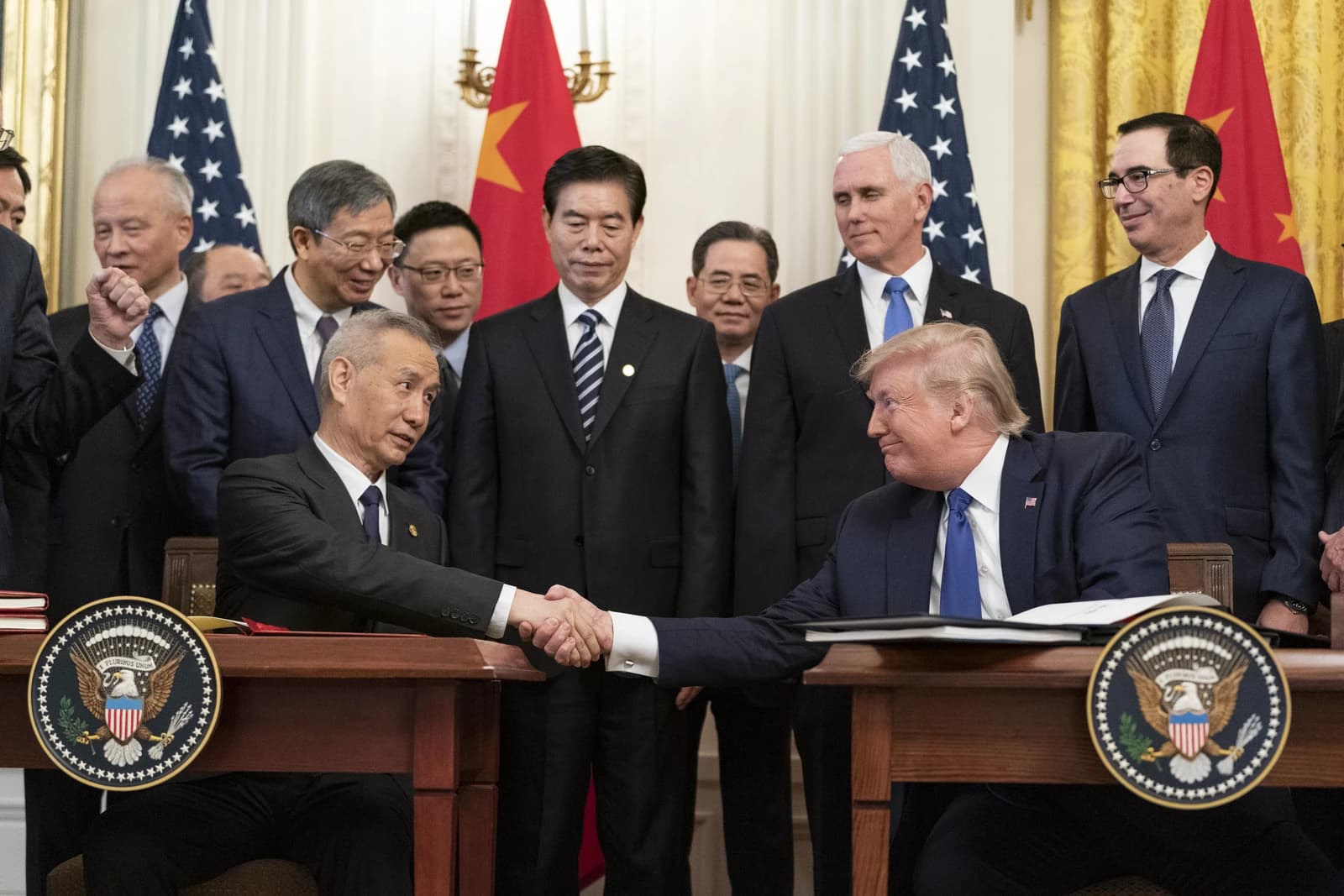
The move comes as China and the U.S. remain locked in a fragile détente, with Beijing extending the trade truce for two months even as tariff disputes and retaliation risks linger. Adalytica’s US–China relations sentiment gauge shows “Extreme Fear,” underscoring how quickly bilateral trade steps can revive volatility across chemicals, industrials and export-exposed names.
Shares of Dow, already sensitive to tariff and trade headlines, remain a key stock to watch if enforcement expands or if Beijing moves further to protect domestic chemical supply chains. For the market, the immediate question is whether this ruling stays a narrow chemical case or becomes part of a wider pattern of targeted trade defenses ahead of the next round of U.S.-China talks.
| Entity | Gains | Losses |
|---|---|---|
| Chinese n-Propanol producers | ▲Import protection | ▼U.S. price competition |
| Dow Chemical | ▲— | ▼Higher trade barriers |
| OQ Chemicals | ▲— | ▼Lost China market access |
| Chinese downstream buyers | ▲Supply stability | ▼Higher input costs |