China’s rapid expansion of its nuclear arsenal is becoming a bigger market and geopolitical issue after President Donald Trump said Beijing could reach parity with the U.S. within a decade, a warning that underscores the pressure on Washington to lift spending on deterrence, missiles and missile defense.
China nuclear buildup lifts U.S. defense spending outlook
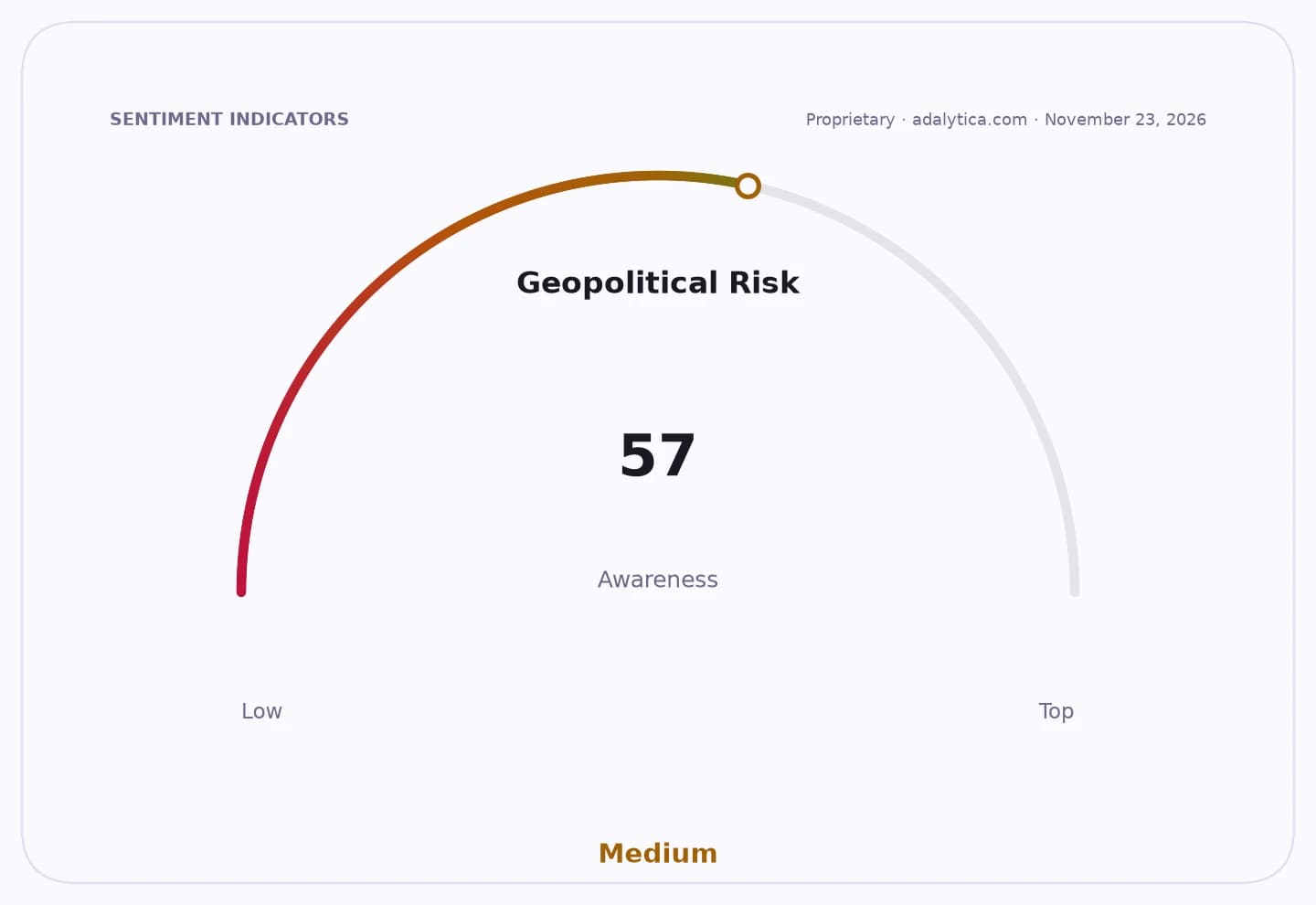
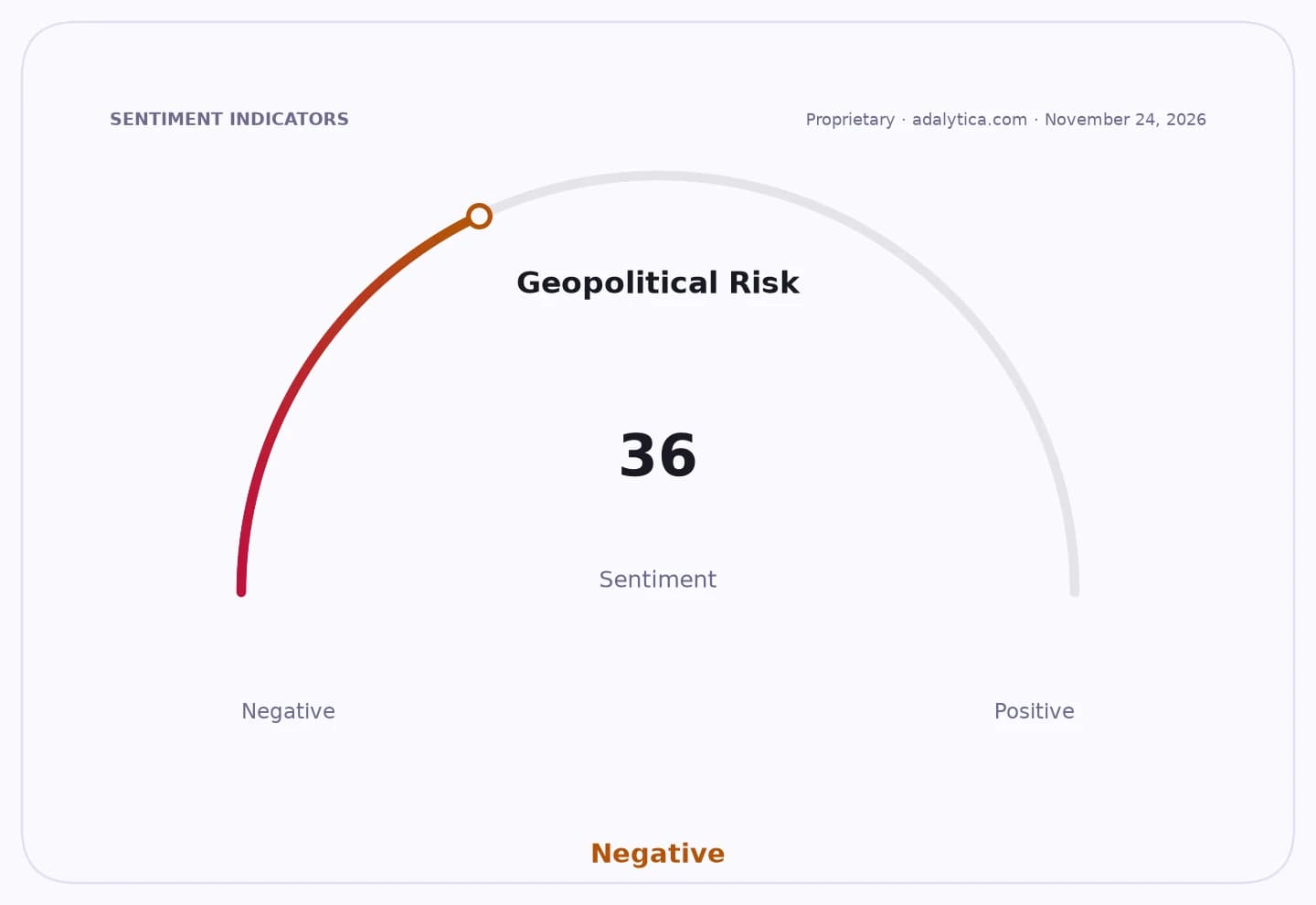
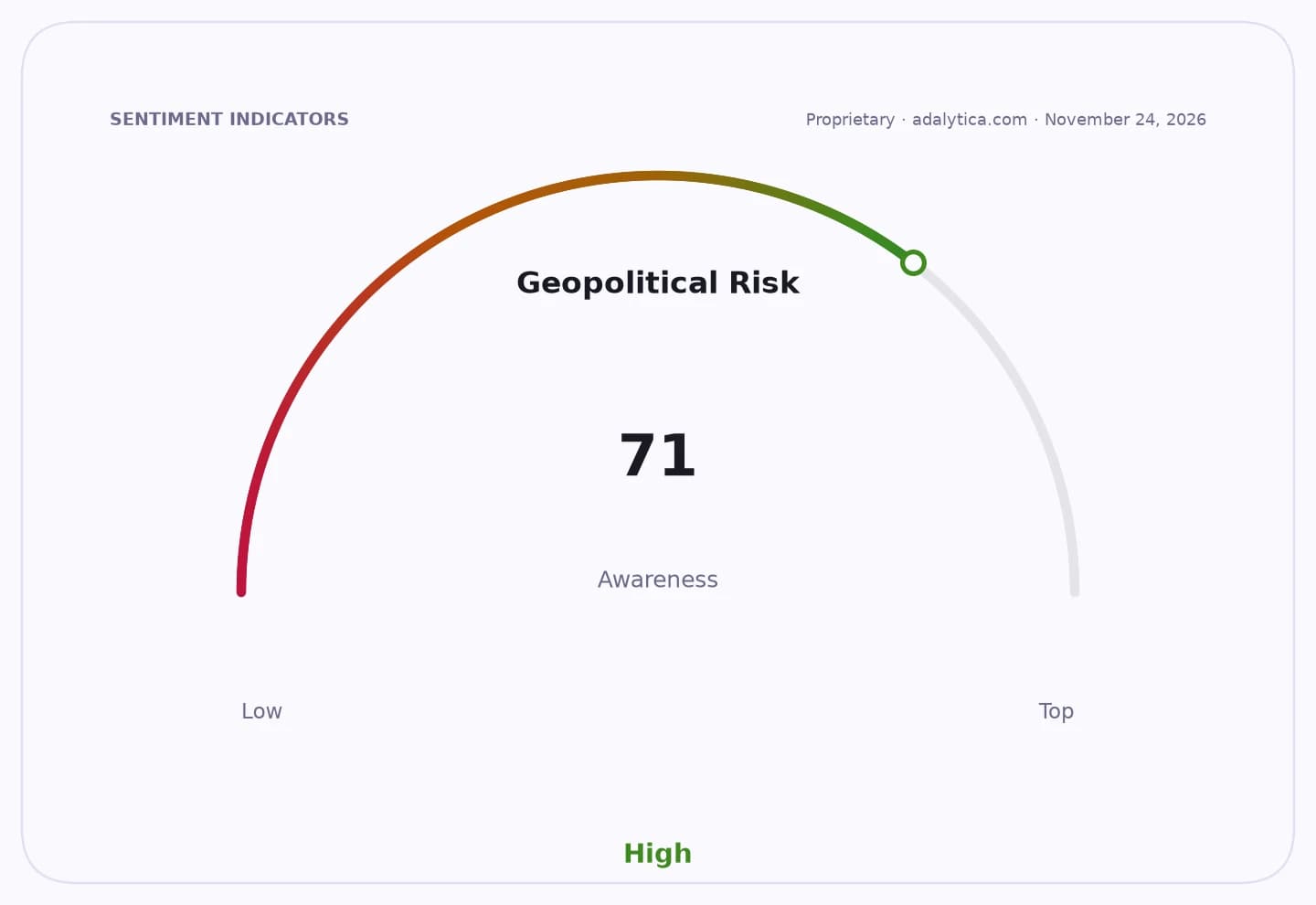
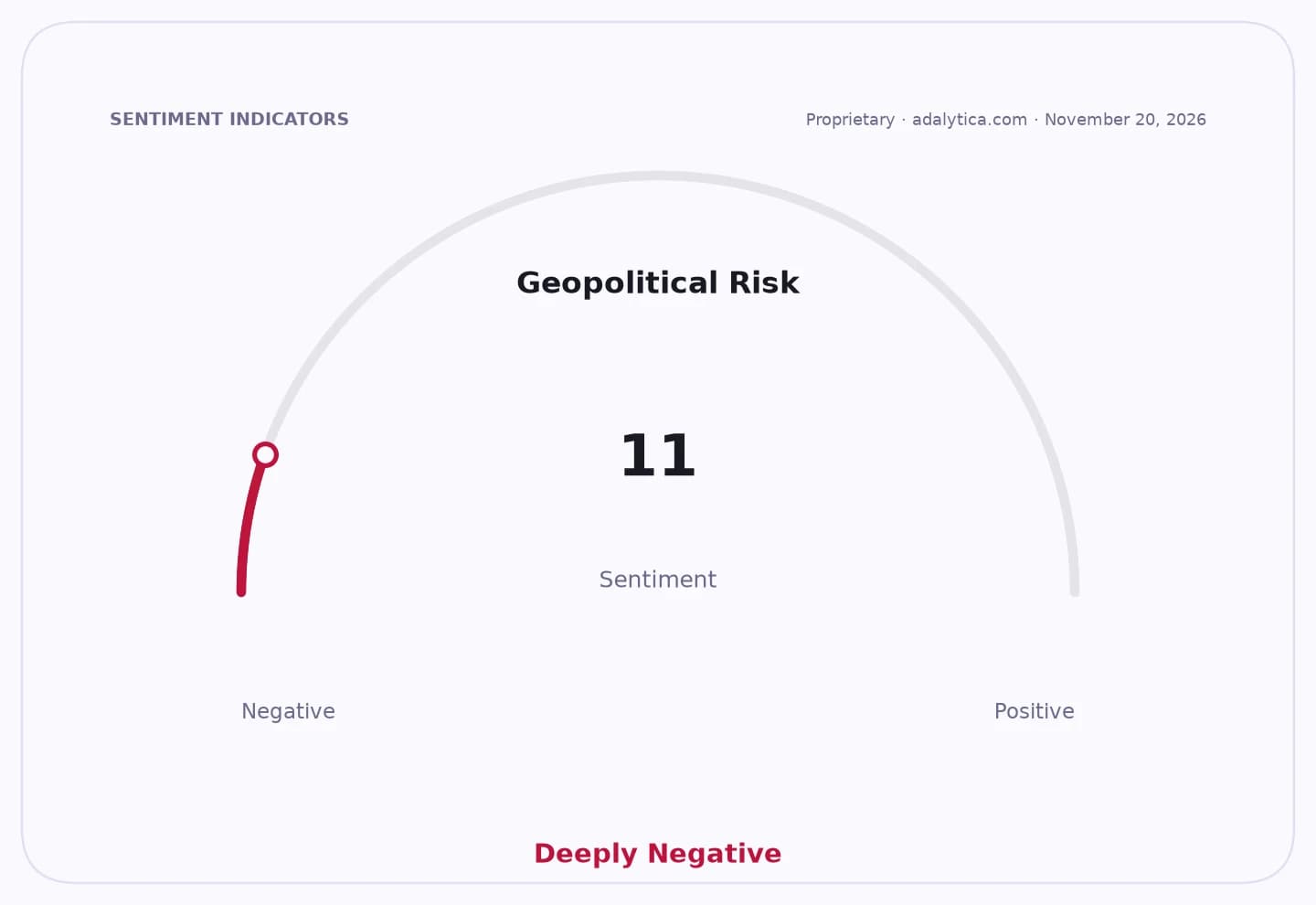
Geopolitical Risk
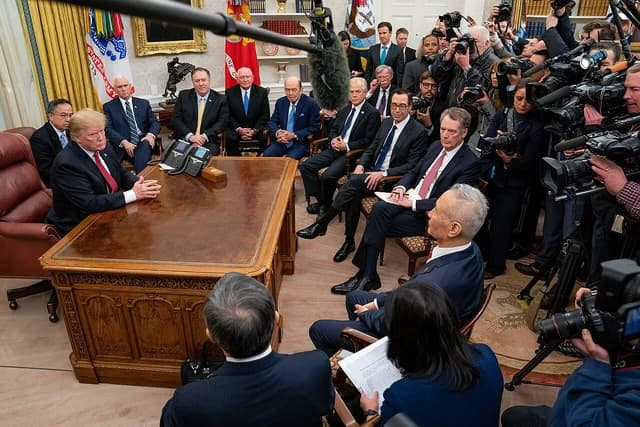
Trump made the comments after meeting with Chinese President Xi Jinping and Russian President Vladimir Putin, saying China already has a large stockpile of warheads and is developing them at speed. The Pentagon has said China could have more than 1,000 nuclear warheads by 2030, narrowing a gap that has long been dominated by the U.S. and Russia.
Sentiment Indicators
Geopolitical Risk
For markets, the immediate relevance is not the headline count alone but the policy response it can trigger. A faster Chinese buildup increases the likelihood of higher U.S. outlays on strategic deterrence, early-warning systems, interceptors and hardened command-and-control networks. That is supportive for major defense contractors with exposure to missile defense and nuclear modernization, while also reinforcing the case for suppliers across the nuclear fuel and advanced reactor chain.
Lockheed Martin, Northrop Grumman and RTX all have direct links to the programs that tend to benefit when nuclear and missile threats intensify. Lockheed has been building up production on Patriot PAC-3 and THAAD, Northrop remains central to strategic systems, and RTX has exposure to air and missile defense. Their shares have been volatile, but the broader theme remains that geopolitical escalation can convert into long-cycle procurement, especially when Congress and the Pentagon are under pressure to close capability gaps quickly.
Geopolitical Risk vs LMTadalytica.com
Explore this data interactively — full history, time series and cross-market comparisons.
The policy backdrop is also significant for the civilian nuclear sector. Centrus Energy has said the global nuclear outlook has improved after years of stagnation, and the prospect of a larger nuclear arms competition only strengthens the case for U.S. investment in enrichment capacity, fuel security and domestic supply chains. That matters because nuclear modernization is not just a defense story; it also feeds into industrial policy, energy security and the rebuilding of strategic materials capacity.
The bear case is that rhetoric can move faster than budgets. U.S. defense spending is already large, and new programs often face procurement delays, execution risk and political resistance. Still, if Washington concludes that China’s warhead expansion is accelerating, investors should expect the nuclear deterrence theme to stay embedded in Pentagon planning and in the valuation support for defense primes and select nuclear suppliers.
| Entity | Gains | Losses |
|---|---|---|
| Lockheed Martin | ▲Missile-defense demand | ▼Budget scrutiny |
| Northrop Grumman | ▲Strategic systems spending | ▼Procurement delays |
| RTX | ▲Air-defense orders | ▼Margin pressure from execution |
| China | ▲Strategic leverage | ▼More U.S. deterrence spending |