China’s H-6 bomber flight near the Philippines is the latest reminder that the South China Sea remains one of the world’s most important flashpoints — and that rising regional friction can quickly translate into more spending on air defenses, missiles and surveillance. For long-term investors, the bigger story is not the flight path itself, but the way it reinforces demand for U.S. and allied defense contractors serving Indo-Pacific militaries.
China bomber near Philippines lifts defense stocks
According to the report, the Chinese bomber came within about 170 kilometers of Manila after flying near the disputed Scarborough Shoal, a stretch of water Beijing has been pressing to control and Manila continues to contest. The aircraft was briefly tracked on the open ADS-B Exchange platform and appeared to fly without a call sign at about 8,000 meters, underscoring how deliberate these military demonstrations can be.
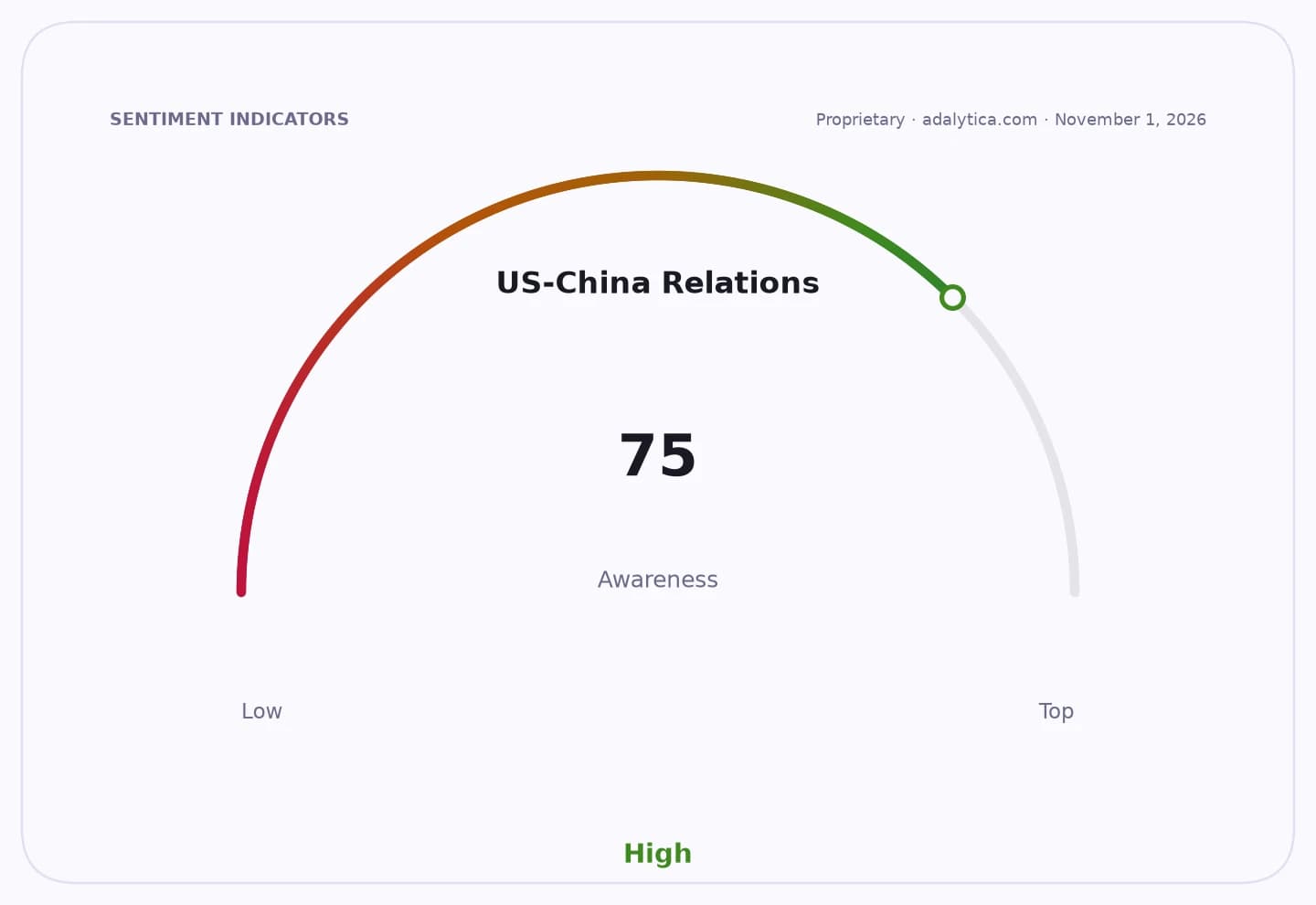
Sentiment Indicators
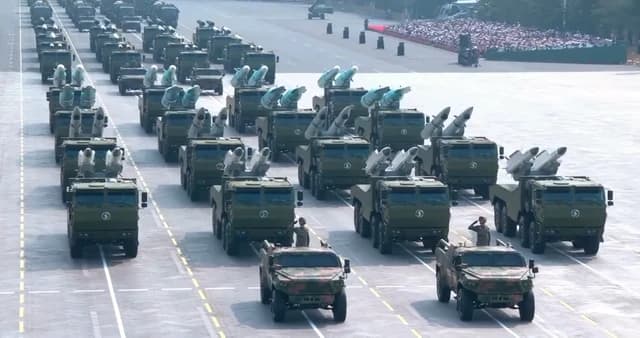
That matters economically because security competition in the Pacific is pushing governments to prioritize deterrence over diplomacy. When China leans harder on smaller neighbors, the likely response is not just more rhetoric — it is more procurement. Air-defense systems, early-warning networks, maritime patrol assets and long-range missiles become more valuable, and defense budgets tend to become stickier over time. In other words, geopolitical stress can become a long-duration tailwind for contractors with exposure to missile defense and advanced surveillance.
The companies most directly tied to that theme are Lockheed Martin, Northrop Grumman and RTX. Lockheed builds the Patriot Advanced Capability-3 Missile Segment Enhancement interceptor and THAAD system, both of which are central to the kind of layered defense Asian governments want when they feel pressure from China. Northrop is tied to high-end aerospace and command-and-control capabilities, while RTX remains a major supplier across air defense and sensing. Their shares have also reflected that backdrop: Lockheed recently traded around $571.67, Northrop around $542.14 and RTX around $194.77, with each still sitting near levels that suggest investors continue to assign value to durable defense demand.
Geopolitical Risk vs LMTadalytica.com
Explore this data interactively — full history, time series and cross-market comparisons.
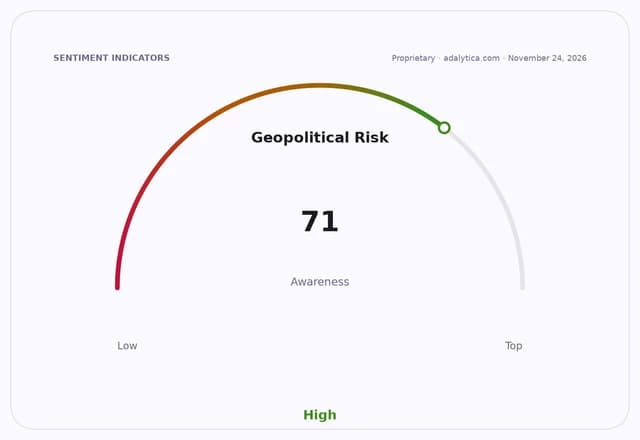
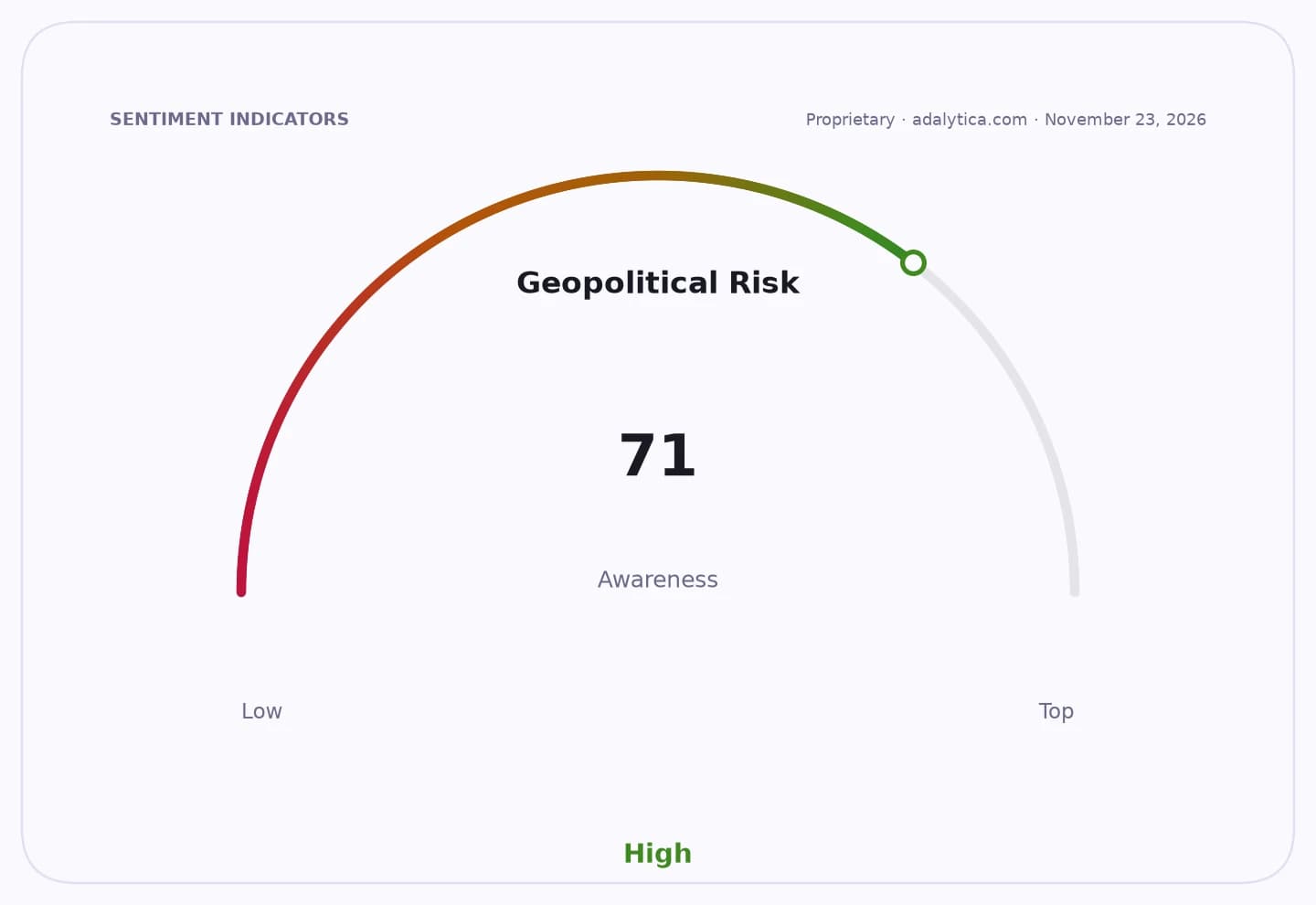
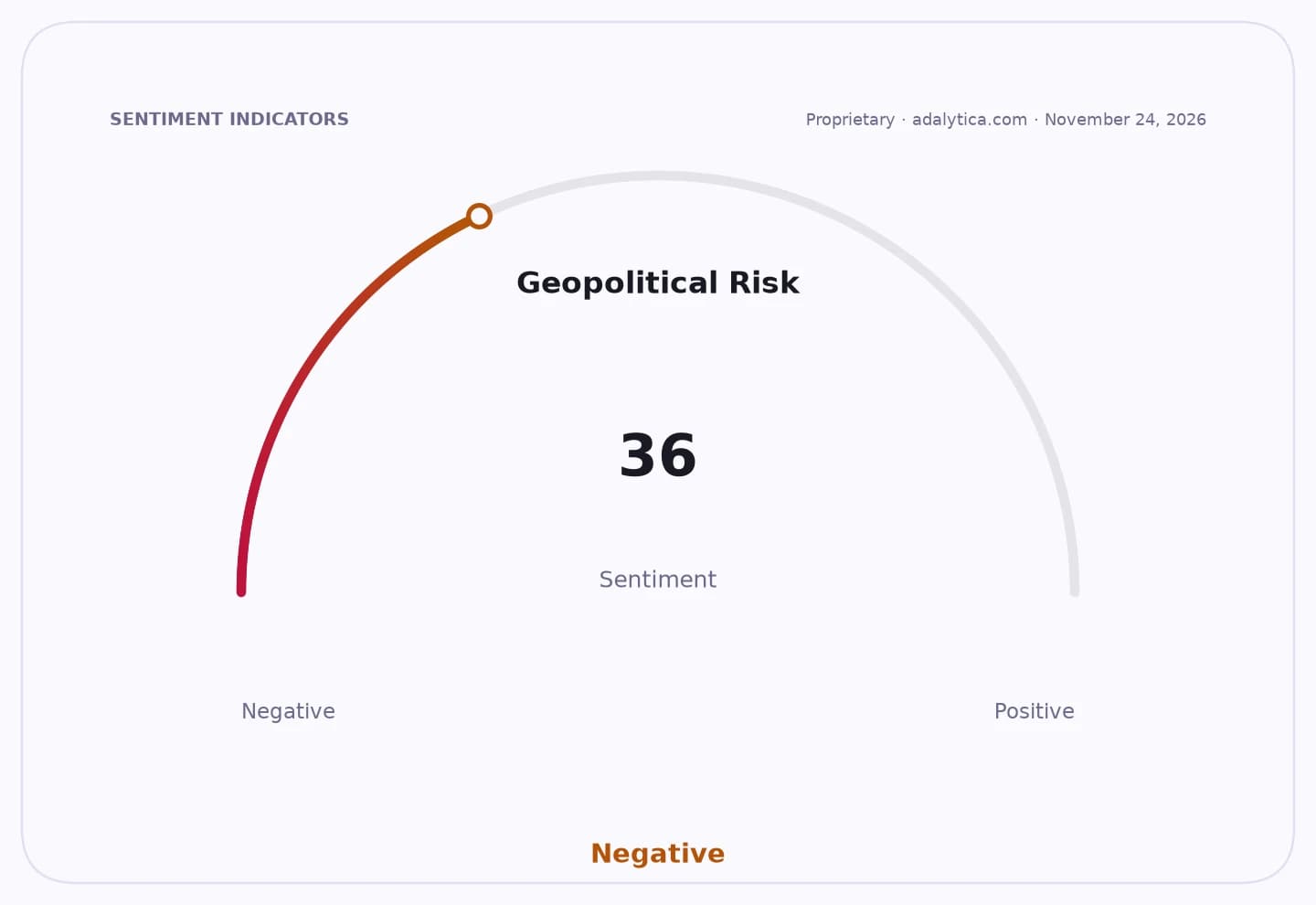
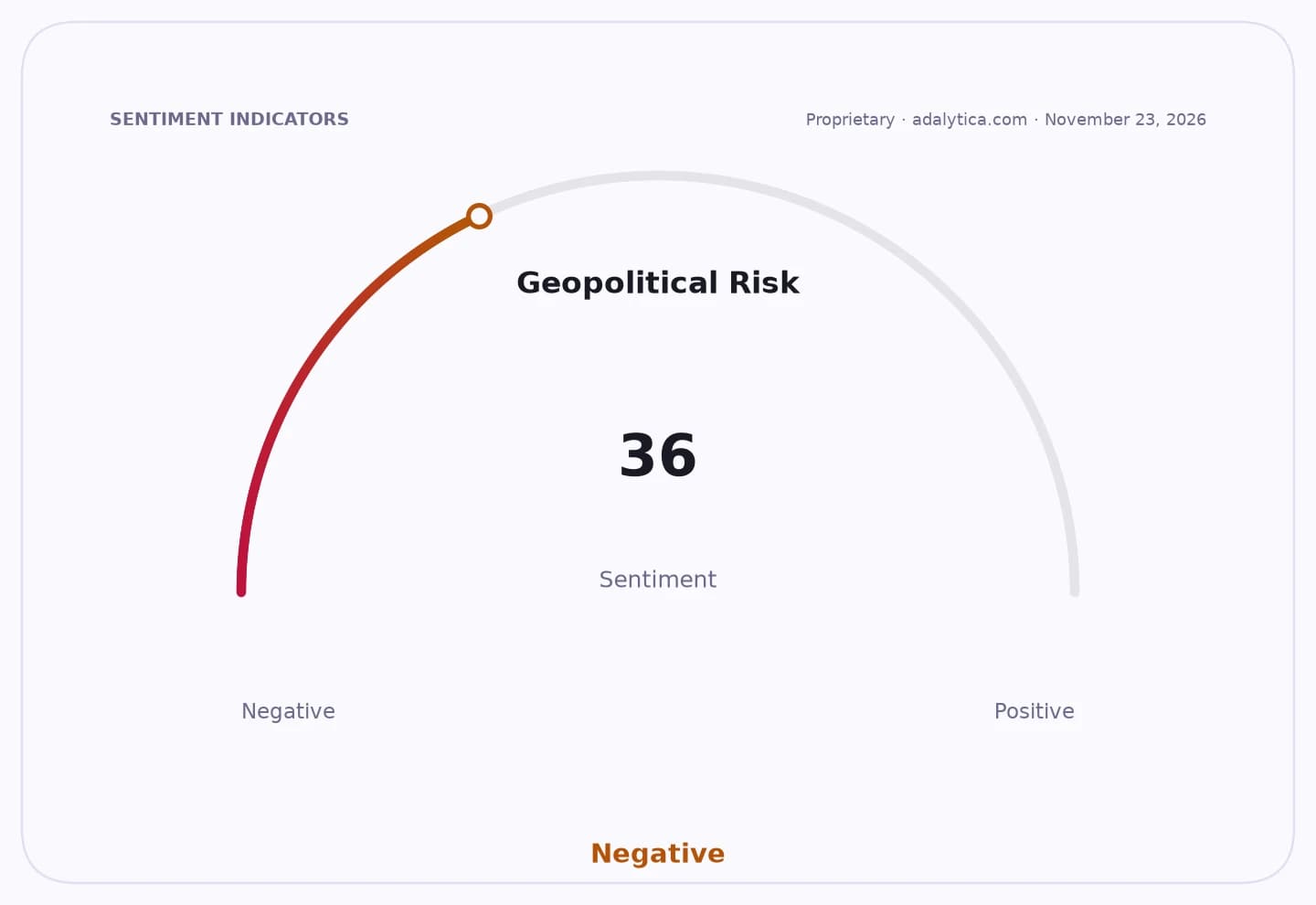
The market backdrop is important too. Adalytica’s Global Stability Sentiment gauge showed neutral sentiment at 36, even as awareness of geopolitical risk remained elevated at 71. That combination usually means investors are alert to instability but not yet fully pricing in a larger crisis. For defense names, that can be constructive: tension rises, budgets follow, and earnings visibility improves.
The timing also matters because the Philippines has been building closer strategic ties with India, adding another layer of concern for Beijing. If China is trying to warn Manila away from deepening that relationship, it could backfire by pushing more countries toward security cooperation and weapons purchases. That is how regional intimidation often works: it may win attention in the short run, but over time it tends to strengthen the case for rearmament and alliances.
For investors, the lesson is simple. You do not need to trade every headline, but you should respect the compounding effect of persistent geopolitical risk on defense demand. The best companies in this space have multi-year backlogs, strong government relationships and products that are hard to replace quickly. A single bomber flight will not change a business thesis overnight, but repeated pressure in the South China Sea helps explain why defense remains a sector worth watching for patient, diversified investors.
| Entity | Gains | Losses |
|---|---|---|
| Lockheed Martin | ▲Missile-defense demand | ▼Peace dividend |
| Northrop Grumman | ▲Indo-Pacific procurement | ▼Delay in security spending |
| RTX | ▲Air-defense and sensing orders | ▼Lower threat premiums |
| Philippines and allies | ▲Stronger security ties | ▼More regional pressure |