China’s pullback in oil use is now powerful enough to reshape the global energy market, and that matters more for investors than any single OPEC headline. With WTI around $91.75 a barrel in the latest forecast and U.S. oil exposure tracking sharply higher, the message from Rosneft chief Igor Sechin is that the center of gravity in crude has shifted toward Beijing — the world’s biggest importer — rather than the producers’ cartel.
China Oil Demand Softens as WTI Stays Elevated

That shift matters because oil prices no longer depend only on supply cuts from OPEC+ or geopolitical flare-ups in the Middle East. They increasingly reflect China’s demand, and China’s demand is changing. The data context points to a 9% drop in Chinese oil consumption in the second quarter, alongside a meaningful decline in emissions, as restricted imports and the war around Iran forced a reset in the country’s energy mix. For a market that still treats China as the swing buyer, that is a big deal.
Sentiment IndicatorsⓘProprietary · adalytica.com · September 4, 2026
This is a snapshot — live sentiment, awareness and momentum for 130+ markets update continuously in the dashboard.Open AlphaPulse
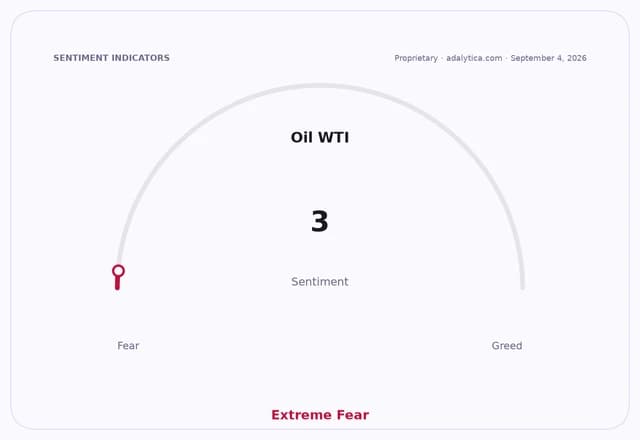
Investors have already noticed. The United States Oil Fund has climbed to about $142, with its 50-day moving average well above the 200-day moving average, while RSI readings remain elevated — classic signs that the oil trade has been strong but stretched. Energy stocks have also benefited, with the Energy Select Sector SPDR jumping to roughly $64, supported by higher crude prices and firmer margins. In other words, the market is still pricing a tight oil backdrop even as the demand engine at the heart of that backdrop looks less dependable than before.
Sechin’s comment also fits a broader investment theme: the world’s largest energy buyers are changing their behavior faster than many producers are changing their strategy. China’s move toward electrification, together with weaker oil intensity in its economy, could cap upside for crude over time even if supply remains disciplined. That does not mean oil is entering a straight-line decline. It means the industry’s old playbook — watch OPEC quotas and call it a day — is no longer enough.
For long-term investors, that creates a more complicated but more interesting setup. Producers with low-cost reserves, strong balance sheets and dividend discipline can still thrive in a world where prices stay high or volatile. But companies tied to the most price-sensitive barrels may face more pressure if Chinese demand remains soft and geopolitical disruptions prove temporary rather than structural. The best investments here will likely be the ones that can generate free cash flow at lower prices, not just the ones riding the latest spike.
So yes, OPEC still matters. But if Rosneft’s chief is right, the bigger question for oil investors is whether China’s demand is entering a new era of slower growth and faster electrification. That is the trend worth watching over the next three to 10 years, because it could determine whether today’s oil strength becomes a durable profit cycle or just another headline-driven rally.
| Entity | Gains | Losses |
|---|---|---|
| China | ▲More leverage over prices | ▼Higher import costs if prices stay firm |
| Oil producers | ▲Stronger near-term pricing | ▼Less control over demand-driven swings |
| Energy ETFs and producers | ▲Near-term cash flow boost | ▼Risk if crude demand cools |
| Consumers and importers | ▲Potential relief if demand weakens | ▼Pain if supply shocks keep prices elevated |