China-linked dual-use goods are increasingly feeding the Houthi weapons machine in Yemen, giving the Iran-backed group a more resilient supply chain even as a UN arms embargo remains in place. The shift matters because it helps the rebels keep firing on Saudi Arabia and other regional targets while reducing reliance on direct Iranian weapons shipments.
China Parts Reach Houthis via Dual-Use Trade
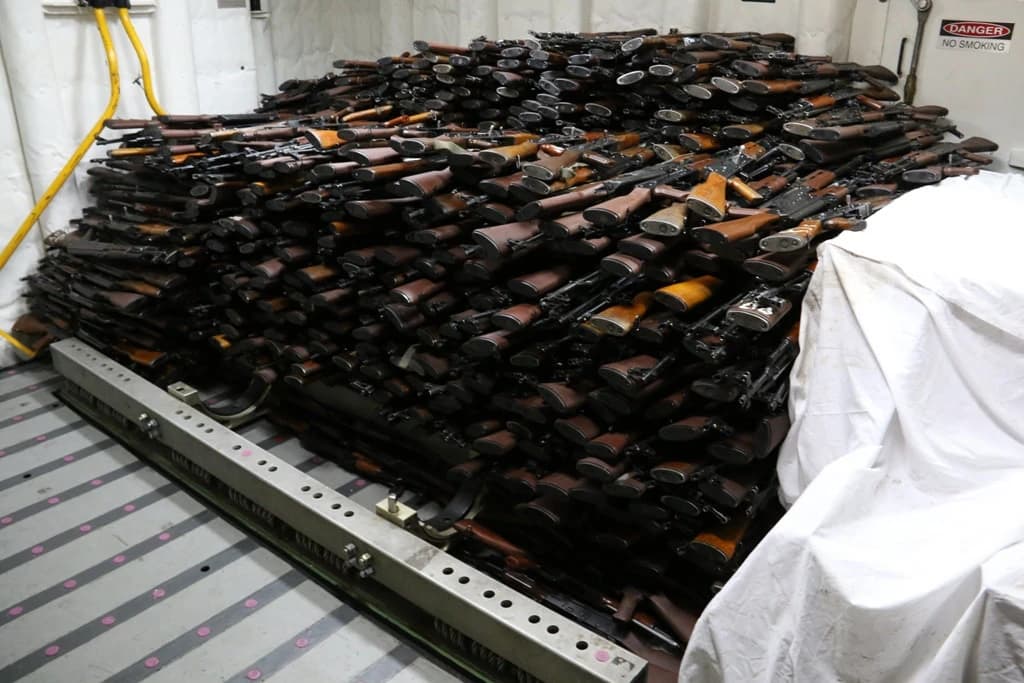
Analysts cited by the Economist and The Century Foundation say the Houthis have moved from mostly receiving ready-made Iranian weapons in the 2010s to intercepting more dual-use parts from China, including GPS units, electric motors and engine components that can be turned into missile parts. In October, Yemeni authorities seized ballistic-missile components at Aden port that were shipped by a Chinese company, while earlier reports said the Houthis were using Chinese parts to assemble a modified version of Iran’s medium-range Kheibar Shekan missile.
Sentiment Indicators
Geopolitical Risk
That supply chain has economic and market consequences beyond the battlefield. Dual-use trade is harder to police than finished arms, and the current sanctions architecture does not cover many of the items moving through commercial channels. Bloomberg reported that Chinese middlemen can still buy and export such goods despite the UN embargo, while a UN maritime mission is limited because inspectors cannot stop or search suspicious ships.
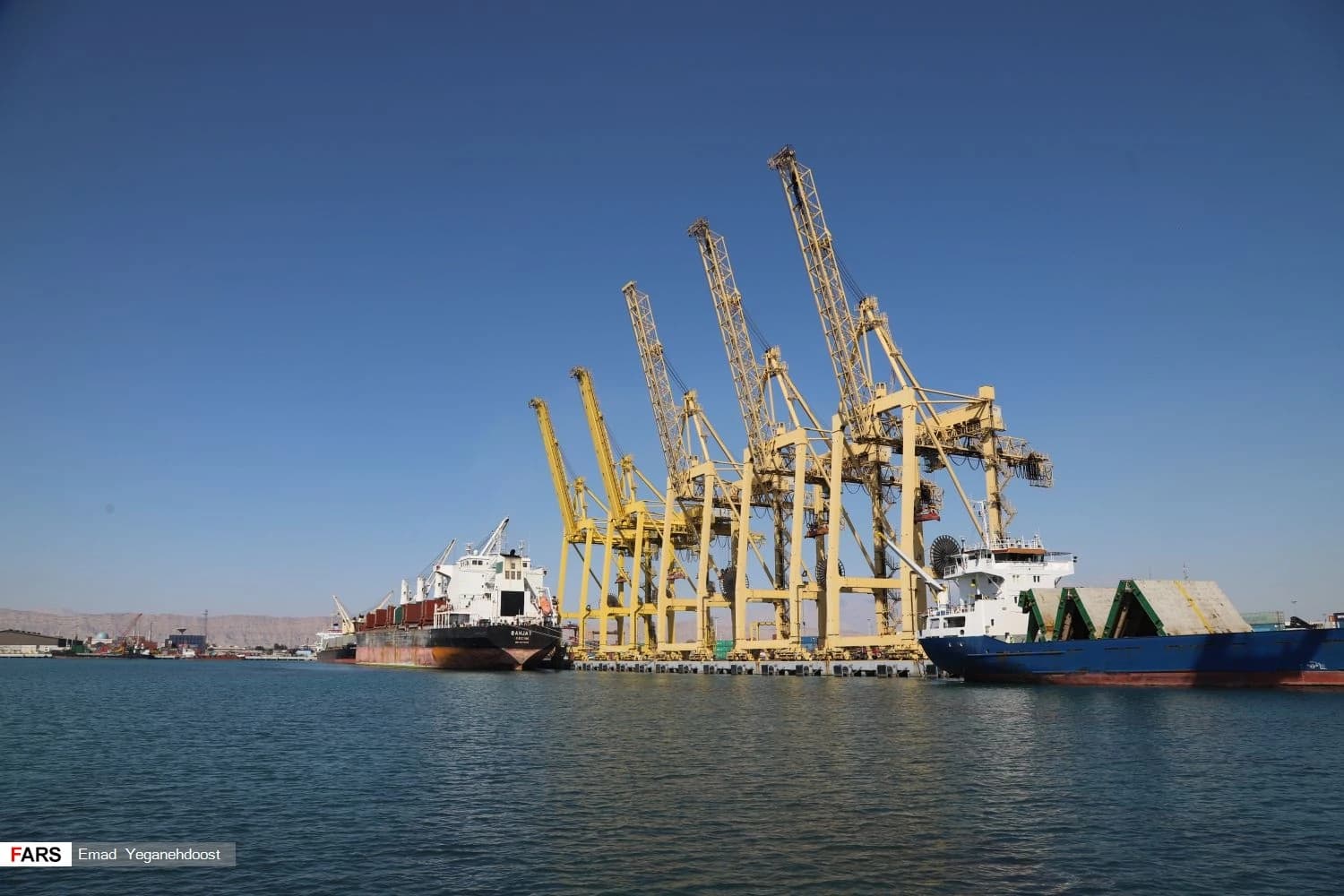
The rebels are also exploiting gaps on land, moving components through the United Arab Emirates, Oman, Djibouti and Somalia, then hiding ammunition inside cargoes of fruit and vegetables or transporting it on small boats, animals and even people, according to the Economist and former US envoy Tim Lenderking. Once inside Yemen, the goods are reportedly taken into mountain caves where satellite surveillance is difficult and the final assembly takes place.
US-China Relations
For investors, the story reinforces the geopolitical premium around the Red Sea, Gulf shipping lanes and any company with exposure to China trade flows, export controls or Middle East freight disruption. It also raises the risk that tighter scrutiny on Chinese dual-use exports could spill into broader US-China trade tensions, an issue already weighing on supply chains and logistics operators.
The immediate backdrop remains fragile: the Houthis have launched repeated missile and drone attacks, Saudi Arabia says it intercepted another drone near Riyadh over the weekend, and more than 300,000 people have been displaced in western Yemen in recent months. The likely next catalyst is whether Western governments move from sanctions rhetoric to tougher enforcement on Chinese exporters, maritime inspections and regional transshipment hubs.
| Entity | Gains | Losses |
|---|---|---|
| Houthis | ▲Easier weapons sourcing | ▼Harder-to-police supply chain |
| Iran | ▲Lower direct burden | ▼Less control over proxies |
| China exporters/middlemen | ▲Commercial sales | ▼Greater sanctions scrutiny |
| Gulf shipping routes | ▲Higher security demand | ▼Higher disruption risk |