China’s Communist Party is widening its political outreach to delivery drivers, ride-hailing workers and social-media influencers as it prepares for next year’s congress, underscoring Beijing’s effort to fold the country’s fast-growing gig economy into the party apparatus.
China Party Extends Outreach to Gig Workers
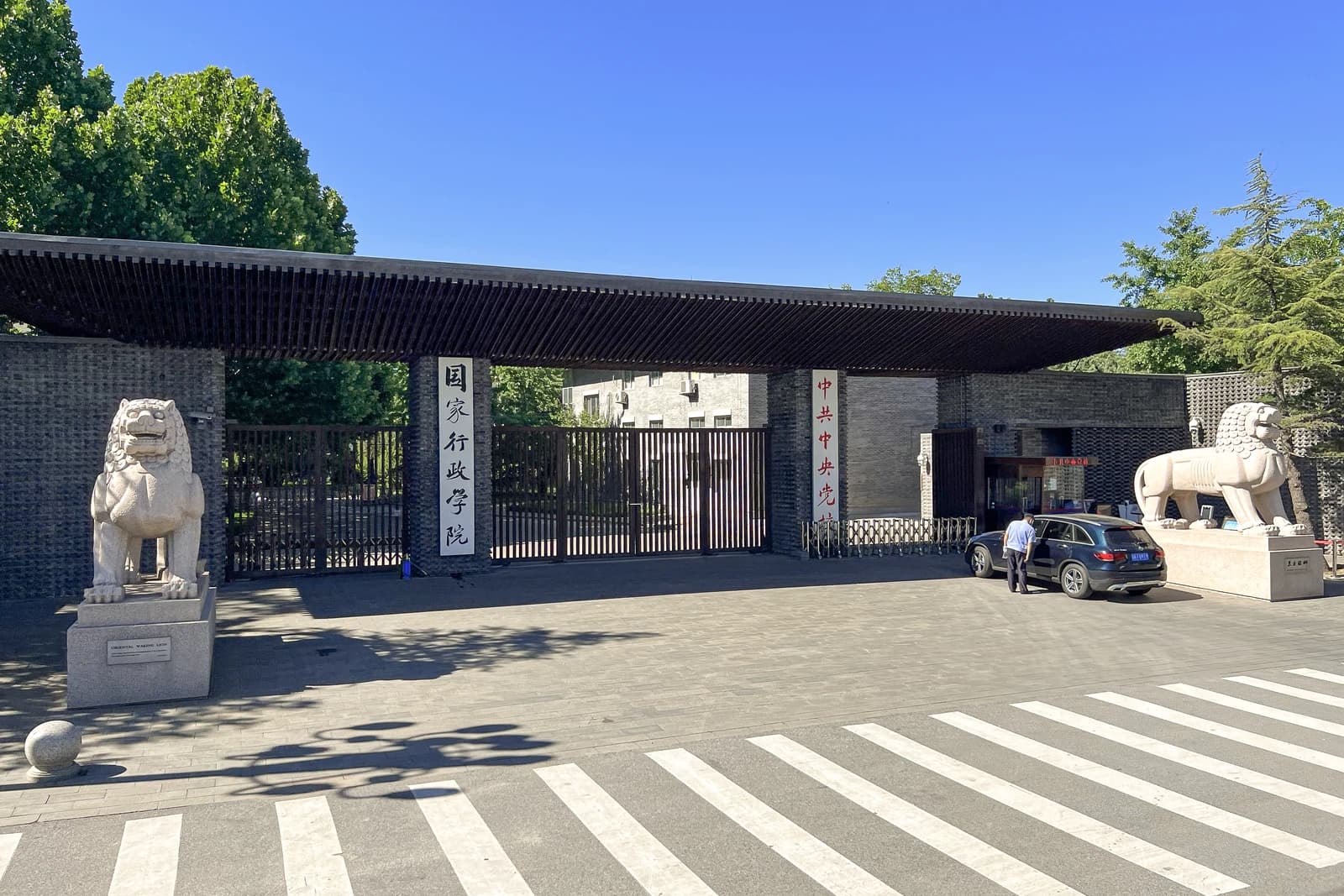
The move matters because the workers now being singled out for possible delegate nominations are among the most visible symbols of China’s changing labor market. By extending candidate recommendations to “new employment groups,” the party is signaling that it wants representation to keep pace with the structure of the economy, while also tightening political control over sectors that operate outside traditional state-owned employment channels.
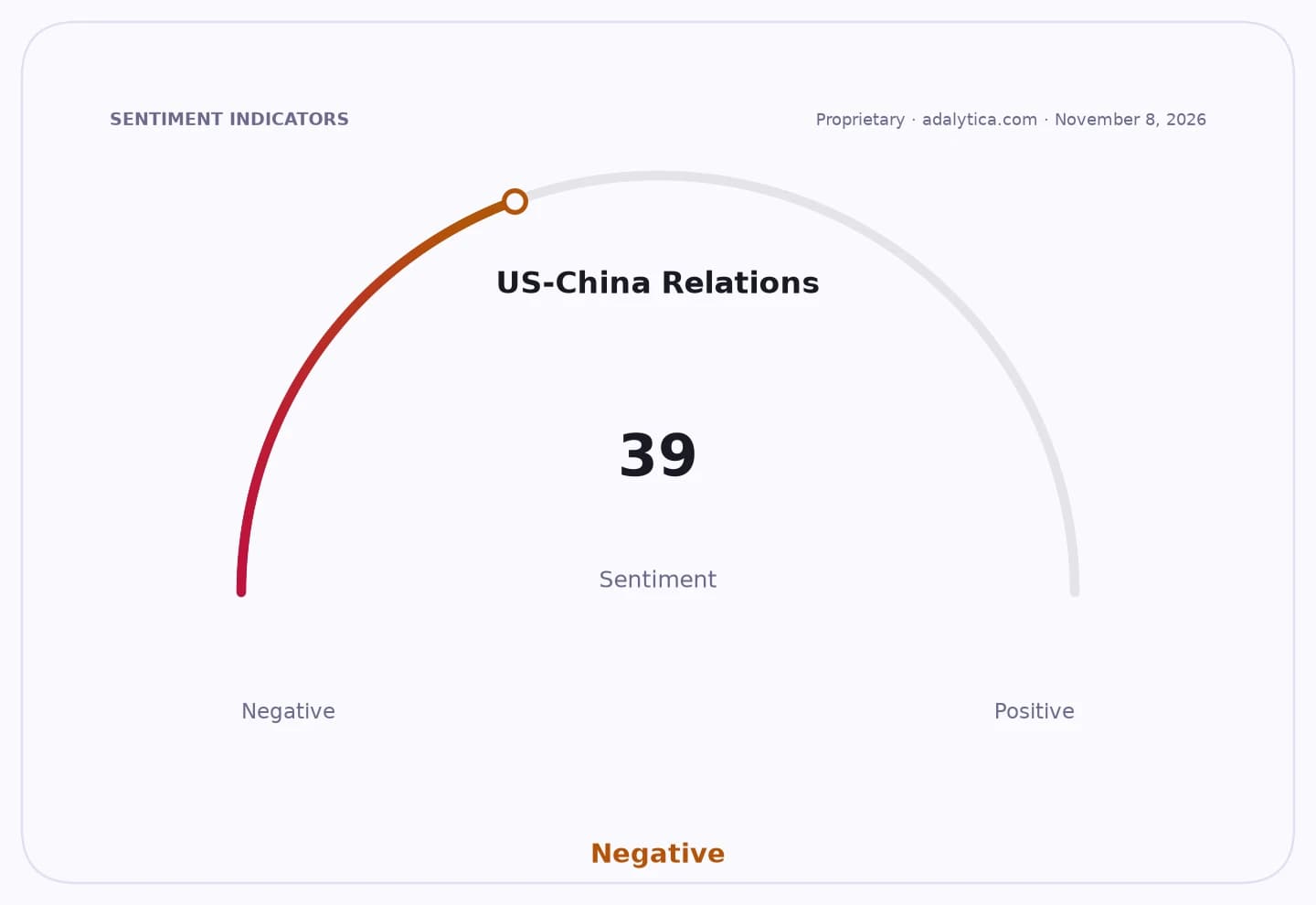
Sentiment Indicators
CCP Policy Direction
According to guidance released on Nov. 8 and reported by the South China Morning Post, local organization departments have been told to recommend outstanding party members from industries with large numbers of gig workers. The guidance specifically mentions delivery riders and influencers as potential candidates for delegate nomination, while making clear that political reliability remains the first filter and that politically unsuitable candidates will be excluded.
That approach reflects a broader pattern in Chinese politics: representation is being broadened only within a tightly managed framework. The party is not opening the door to independent labor organizing or a more pluralistic selection process. Instead, it is trying to bring a larger slice of the platform economy, livestreaming economy and app-based services under direct party supervision ahead of the 21st Party Congress, expected to be held in Beijing in the second half of next year.
The congress will send 2,360 delegates, with elections to be completed by the end of June. The emphasis on “new employment groups” is economically significant because these workers have become a major part of urban consumption, logistics and services in China, even as incomes remain uneven and job security is limited. Their inclusion in delegate selection suggests Beijing sees political stability in these sectors as increasingly important to social management.
For investors and companies, the message is less about immediate policy relief than about the direction of governance. The party is signaling closer oversight of the digital platforms and labor models that have powered consumer activity and on-demand delivery. That could matter for ride-hailing, food delivery and influencer-led commerce, where regulation has already tightened in recent years and where policy risk remains high.
The broader narrative is one of political absorption rather than liberalization. Beijing is seeking to refresh the party’s image by drawing in newer, more precarious workers, but it is doing so to reinforce state authority, not dilute it. That makes the congress preparation relevant not only as a political story, but as a reminder that China’s private-sector and platform economy remain deeply exposed to policy priorities from the top.
| Entity | Gains | Losses |
|---|---|---|
| Chinese Communist Party | ▲Broader reach into gig economy | ▼Less insulation from worker grievances |
| Delivery drivers and ride-hailing workers | ▲Higher visibility in party structures | ▼No greater political independence |
| Influencers and platform workers | ▲Chance at delegate nomination | ▼Greater scrutiny of online activity |
| Platform companies | ▲Clearer state channel for engagement | ▼Higher policy and compliance risk |