Pro6000 bare metal monthly rental quotes in China have climbed to as much as 62,000 yuan per unit, underscoring a tight market for high-end AI server capacity just as demand for large-scale computing power keeps outpacing available supply.
China Pro6000 Bare Metal Server Rents Rise to 62,000 Yuan

The new quote, reported by SMM on Sept. 17, is the latest sign that pricing for Pro6000 bare metal servers has moved higher in a matter of weeks. An east China data center operator was quoting 50,000 yuan per unit a month in late August, while another channel cited a major vendor at 55,000 yuan. That has widened the observed monthly range to 50,000-62,000 yuan, reflecting differences in whether the provider owns the data center and whether power and bandwidth are included.
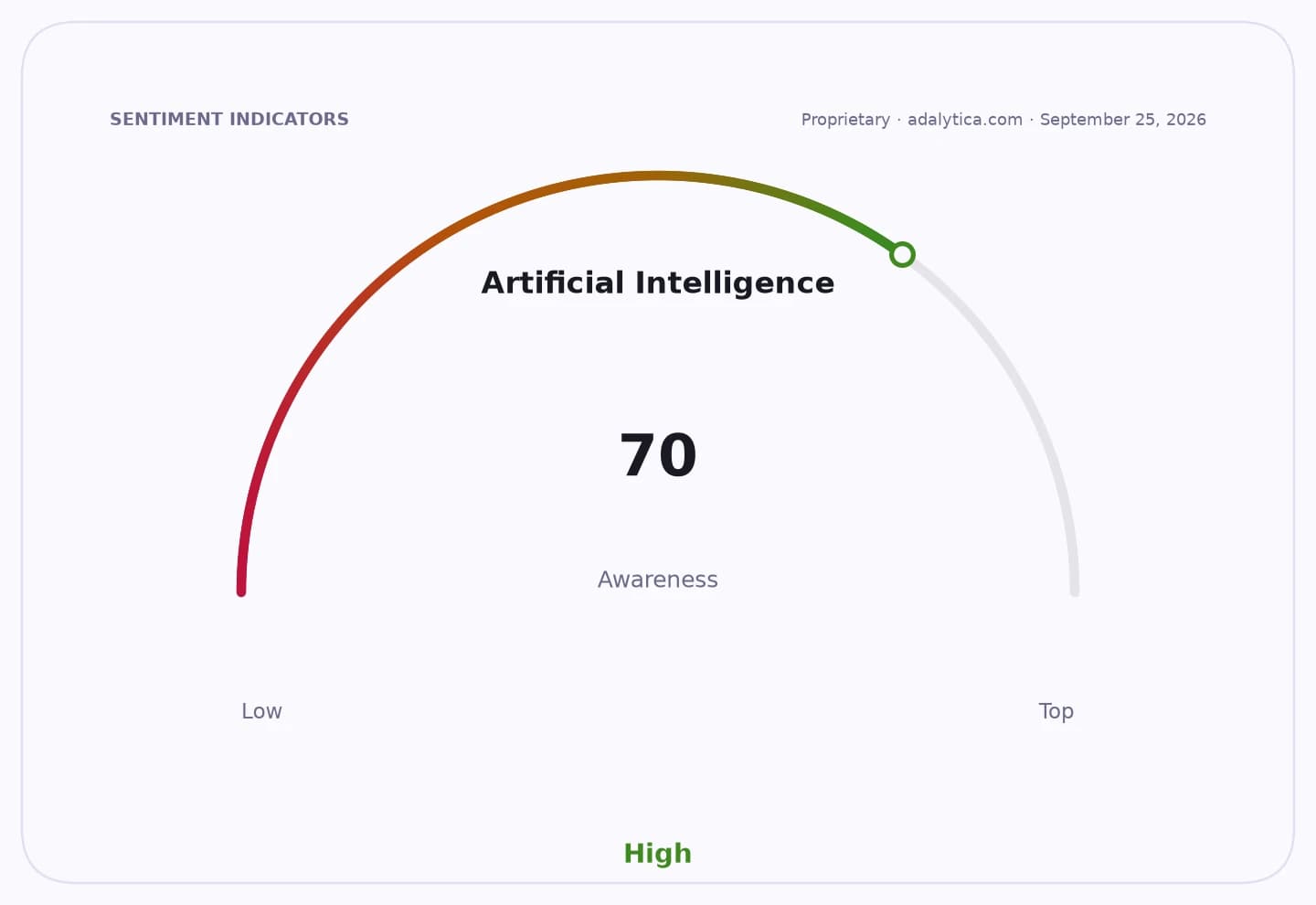
Sentiment IndicatorsⓘProprietary · adalytica.com · September 18, 2026
This is a snapshot — live sentiment, awareness and momentum for 130+ markets update continuously in the dashboard.Open AlphaPulse

For investors, the significance is less about the headline price alone than what it says about the economics of AI infrastructure. When leasing costs for a specific server class jump this quickly, it usually points to a supply bottleneck rather than a demand lull. In this case, bulk orders of hundreds of server-grade units and whole-machine leasing inquiries are dominating demand, while supply is skewed toward workstation versions and small-batch, short-term rentals that do not match customer requirements. That version mismatch is keeping effective supply tight and pricing elevated.
The implications run through the AI hardware chain. Stronger leasing economics can support returns for data center operators, hardware suppliers and channel partners that control scarce inventory or usable capacity. It can also favor vendors with integrated infrastructure and power access over intermediaries that are renting space or reselling capacity on less favorable terms. But the same pricing pressure can also slow adoption if customers balk at the cost of scaling training and inference clusters, especially in a market where energy and bandwidth are increasingly meaningful inputs.
The backdrop is a broader squeeze across AI infrastructure markets. U.S. chip and server suppliers have already warned of supply-demand imbalance and long lead times in data center systems, while elevated energy prices add to the operating burden for compute-intensive deployments. In China, where procurement is often shaped by bulk buying and leasing rather than direct ownership, that scarcity can translate into even more volatile rental quotes.
For publicly traded peers such as Super Micro, Nvidia and AMD, the message is that demand for compute remains strong, but the monetization of that demand may increasingly depend on who controls the scarce pieces of the stack: GPUs, server configurations, power, and rack-ready capacity. The near-term risk for customers is higher input costs; the near-term opportunity for suppliers is better pricing power. What to watch next is whether the rental range keeps widening or whether new supply begins to catch up, easing pressure on high-end AI compute leasing.
| Entity | Gains | Losses |
|---|---|---|
| Data center operators with capacity | ▲Higher rental pricing | ▼Customer pushback on costs |
| Hardware suppliers with scarce inventory | ▲Better pricing power | ▼Smaller resellers with limited supply |
| AI compute buyers | ▲Faster access to scarce servers | ▼Higher leasing and operating costs |
| Public GPU/server peers | ▲Stronger demand backdrop | ▼Margin pressure if supply stays tight |