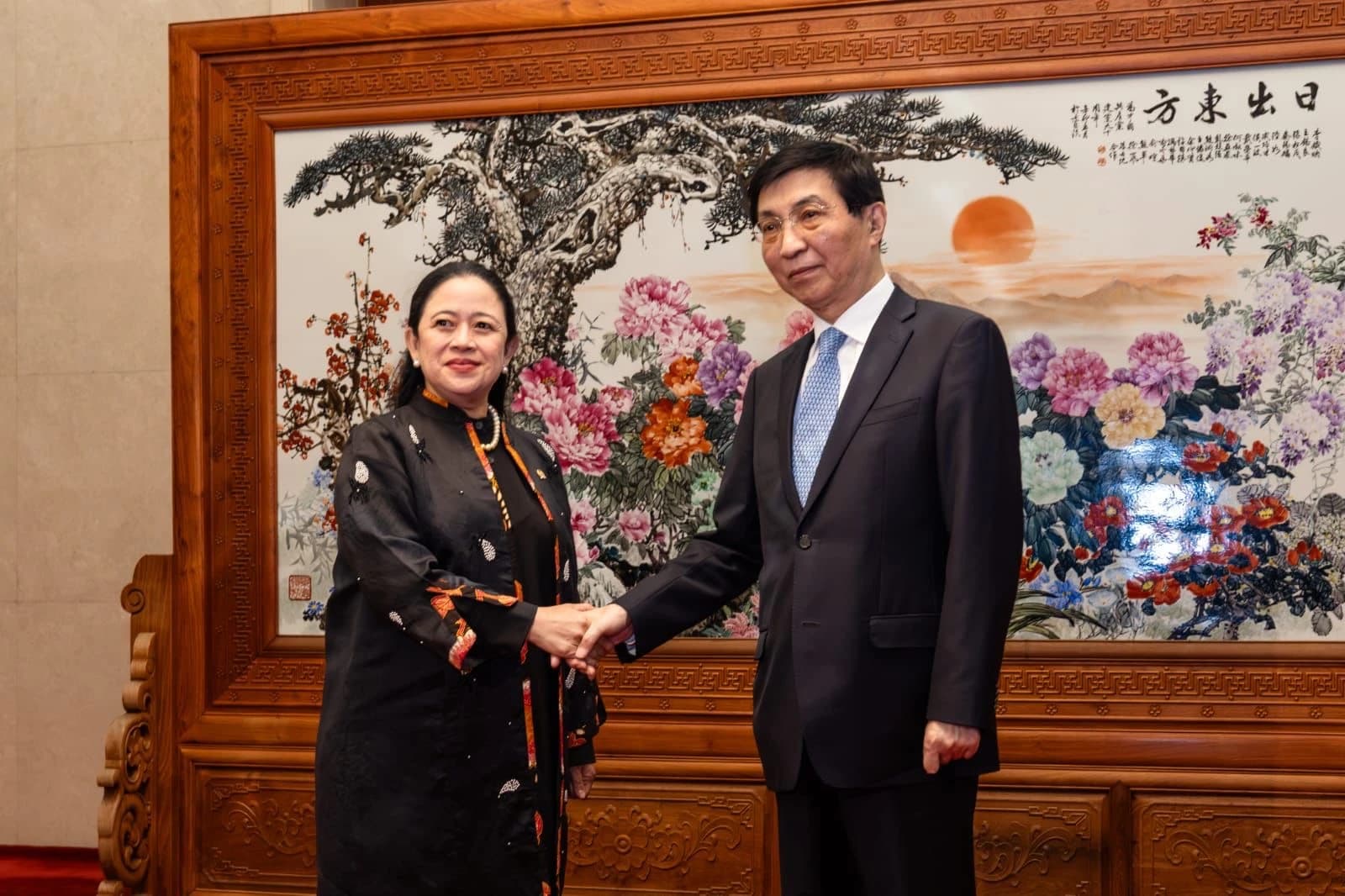
China has formally prosecuted Ma Xingrui, one of its former top political figures, in a case that underscores Beijing’s continuing anti-corruption drive and its effort to tighten discipline inside the ruling Communist Party.
China Prosecutes Ma Xingrui in Anti-Corruption Case
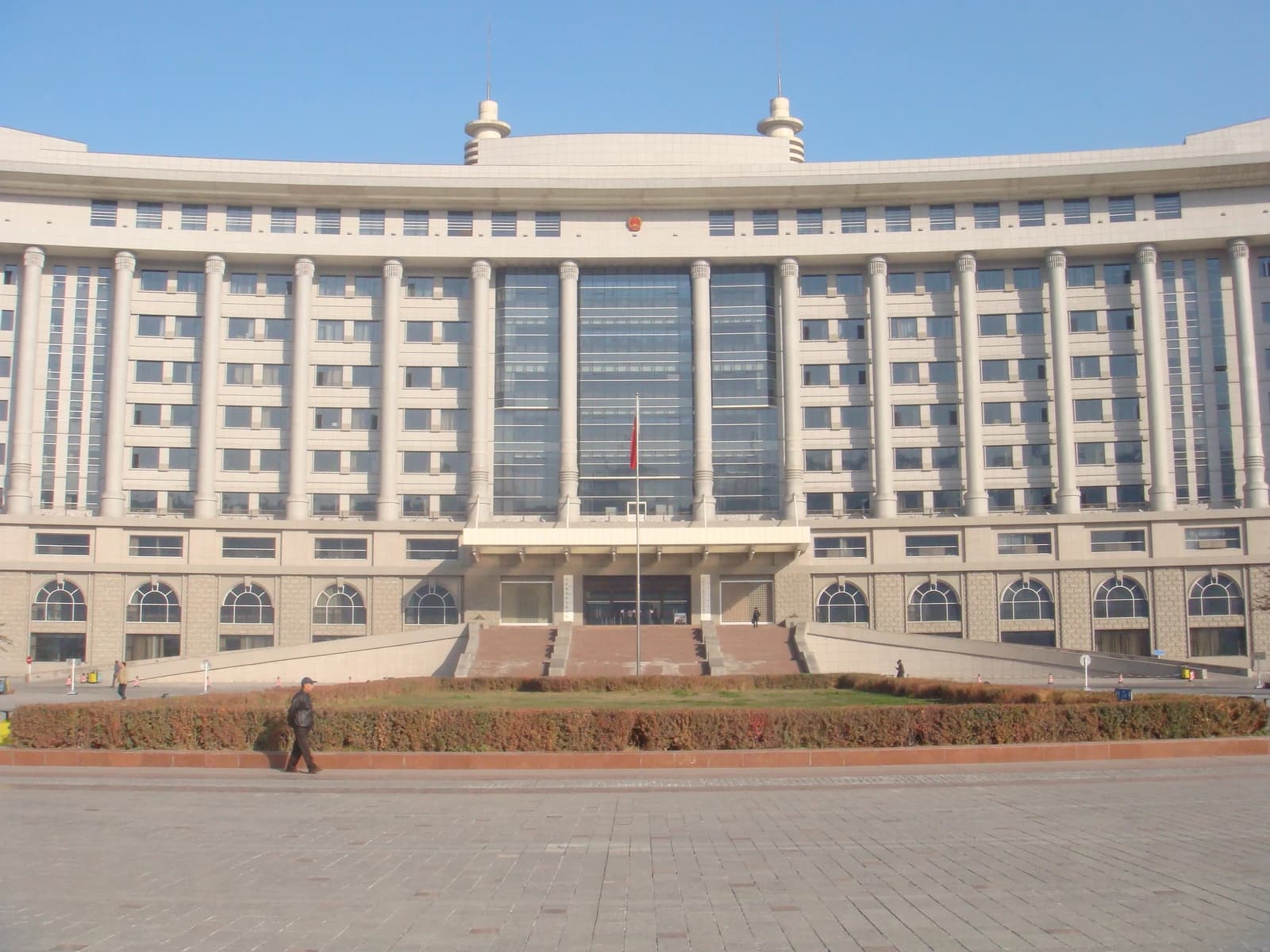
The former Politburo member and former Xinjiang party chief was accused by state prosecutors of taking bribes through the use of his various posts and influence, according to official media reports. Chinese authorities said the alleged illicit gains were “especially large,” and the Supreme People’s Procuratorate ordered his arrest before transferring the case to prosecutors in Yichang, Hubei, for review and indictment.
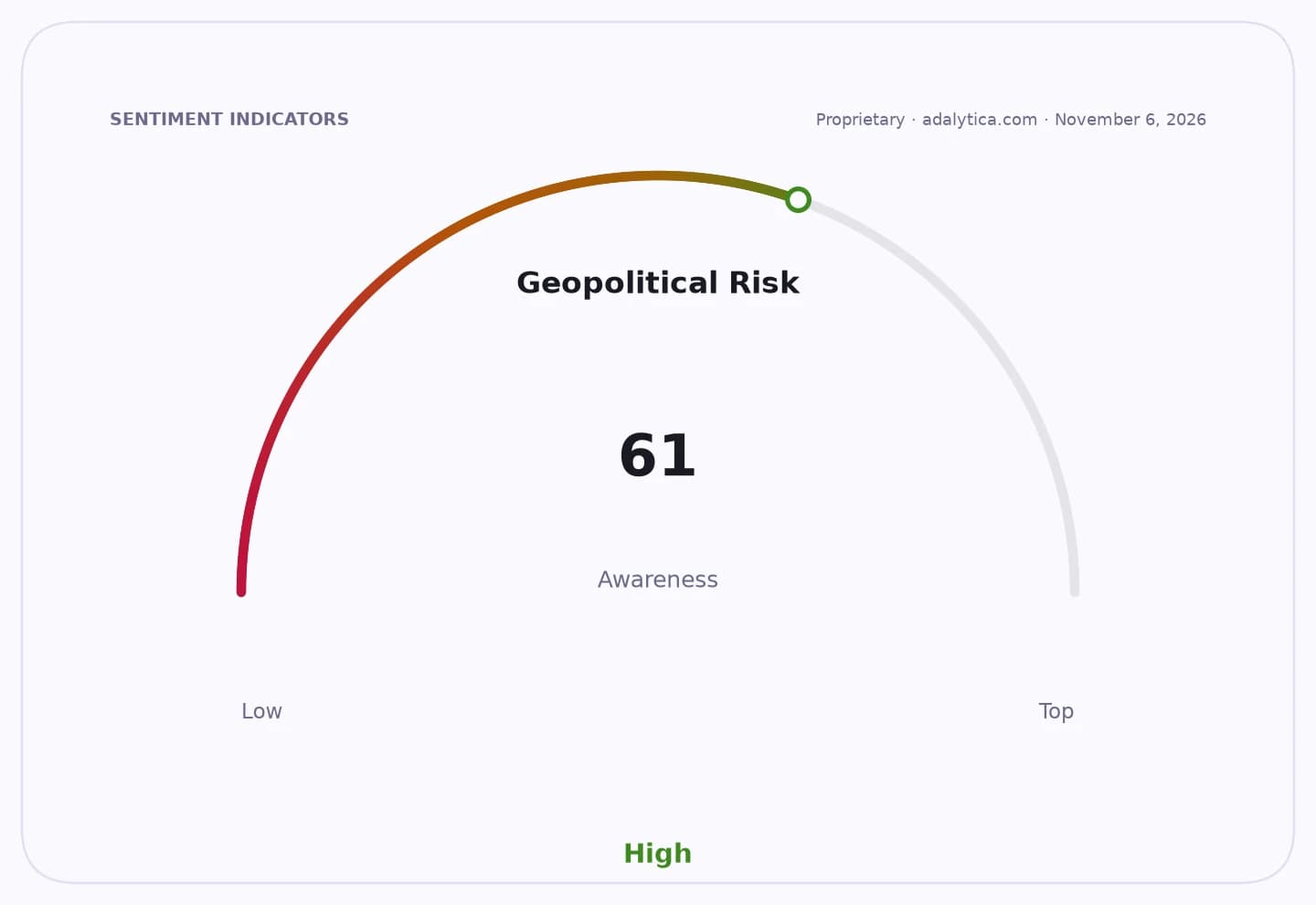
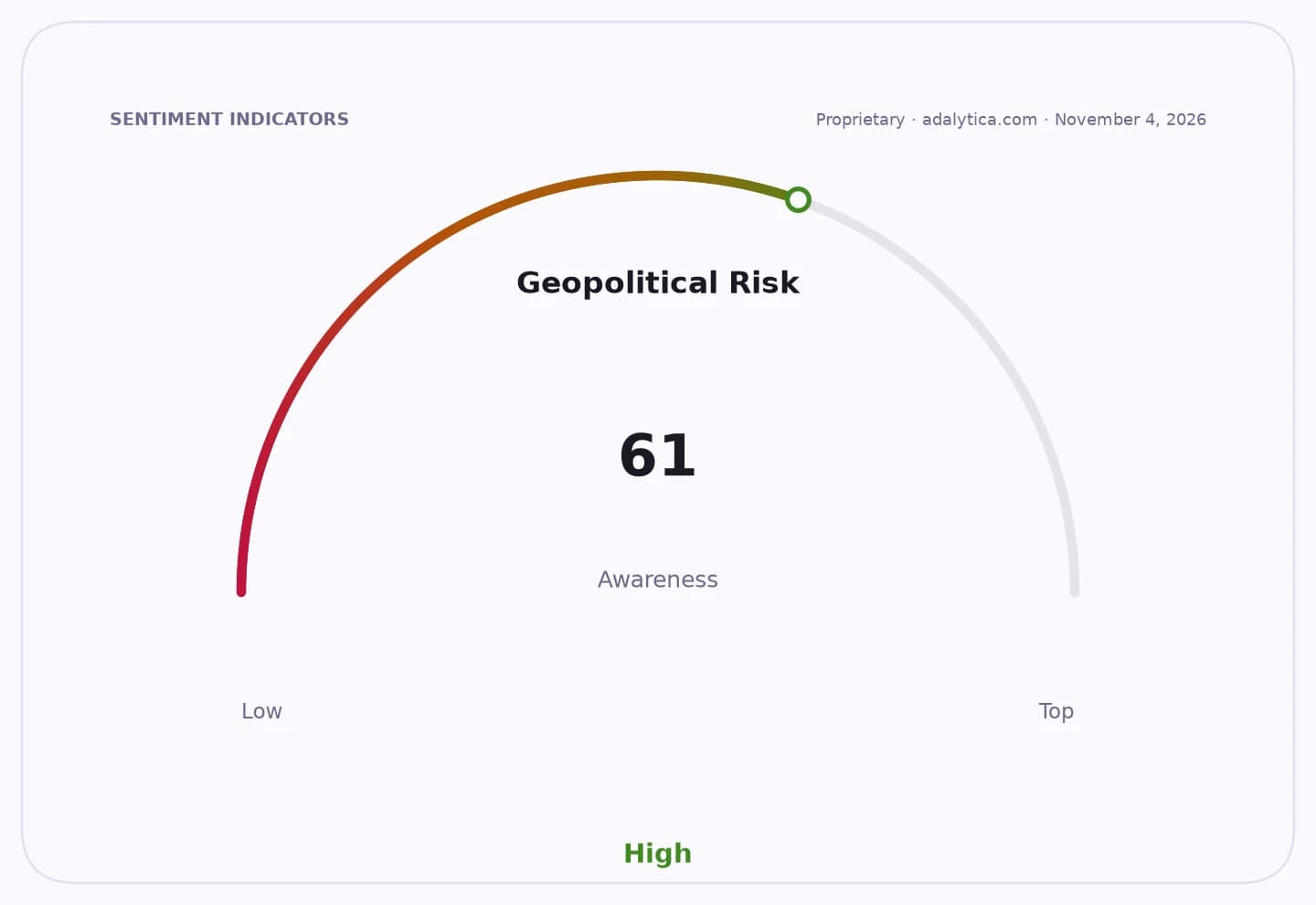
Sentiment Indicators
The move matters because Ma is not a local official but one of the highest-ranking cadres to fall in Xi Jinping’s anti-graft campaign. At 67, he is the fourth Politburo member to face corruption allegations since Xi took power in late 2012, a reminder that the cleanup drive is still being used to police loyalty as much as misconduct.
Beijing moved against Ma in July, stripping him of party membership and state office after an investigation found what it called serious violations of party discipline and the law. His prosecution now pushes the case into the judicial phase, extending a political and legal process that has already removed him from the elite hierarchy.
For investors, the case is a reminder that China’s policy environment remains heavily shaped by political enforcement risk, even as markets watch for signs of stability and growth support. The latest action is likely to reinforce caution around sectors and regions where local power structures, procurement, land use and state-linked business relationships can become vulnerable to scrutiny.
Shares tied to China exposure have shown volatility, with the FXI ETF trading at $34.95 on Nov. 6 after recovering from an October low, while MCHI was at $51.89 and leveraged bullish China fund YINN at $26.37. The broader picture remains one of mixed sentiment: conventional technical indicators on the ETFs show short-term stabilization, but they also sit below longer-term trend levels, reflecting lingering investor hesitation.
The prosecution also fits a broader pattern of tighter political control as China balances economic pressure with governance discipline. With scrutiny across mainland institutions and Hong Kong still elevated, investors are likely to keep pricing in a higher regulatory and political risk premium until there is clearer evidence the crackdown is easing or becoming more predictable.
| Entity | Gains | Losses |
|---|---|---|
| Xi Jinping / CCP leadership | ▲Control and discipline | ▼None politically |
| Anti-graft prosecutors | ▲Institutional authority | ▼Perceived leniency |
| China equity investors | ▲Clarity on enforcement priorities | ▼Risk premium, volatility |
| Former officials / state-linked operators | ▲None | ▼Legal and political exposure |