A Southern California real estate agent accused of working as an unregistered Chinese agent pleaded not guilty to federal espionage-related charges, underscoring how the U.S.-China confrontation is spilling beyond military and technology channels into counterintelligence cases tied to Taiwan.
Southern California Agent Pleads Not Guilty in Spy Case
The case matters because prosecutors say Wanying “Heather” Zhang, 34, of Irvine, traveled to Seattle at the direction of Chinese officials and carried out surveillance on relatives of Taiwan President Lai Ching-te, including gathering photos, video and license plate information. If proven, the allegations would amount to a cross-border intelligence operation on U.S. soil aimed at pressuring a senior Taiwanese political family, a step that raises the stakes for Washington, Taipei and Beijing at a time of already elevated tensions over Taiwan’s sovereignty.
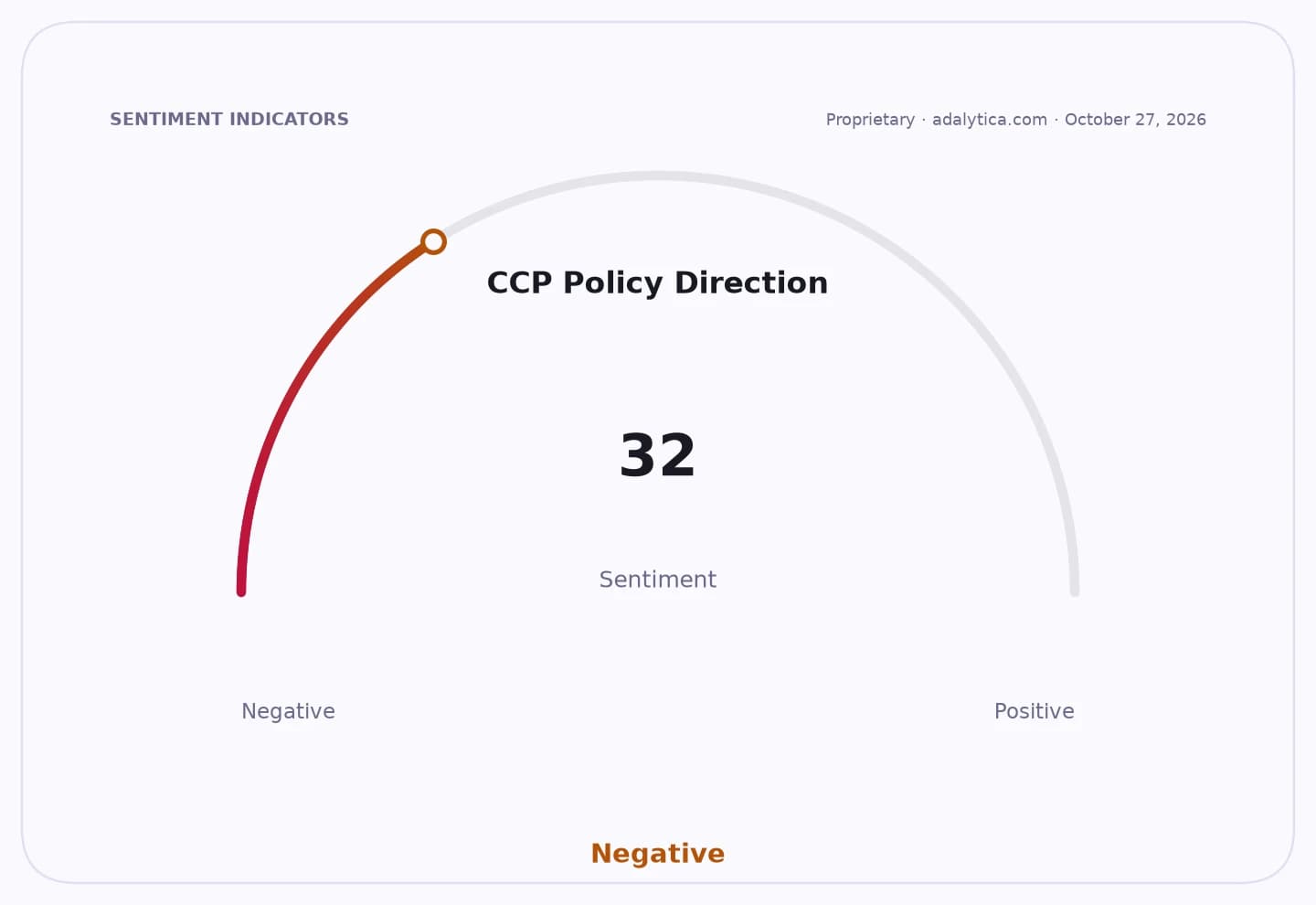
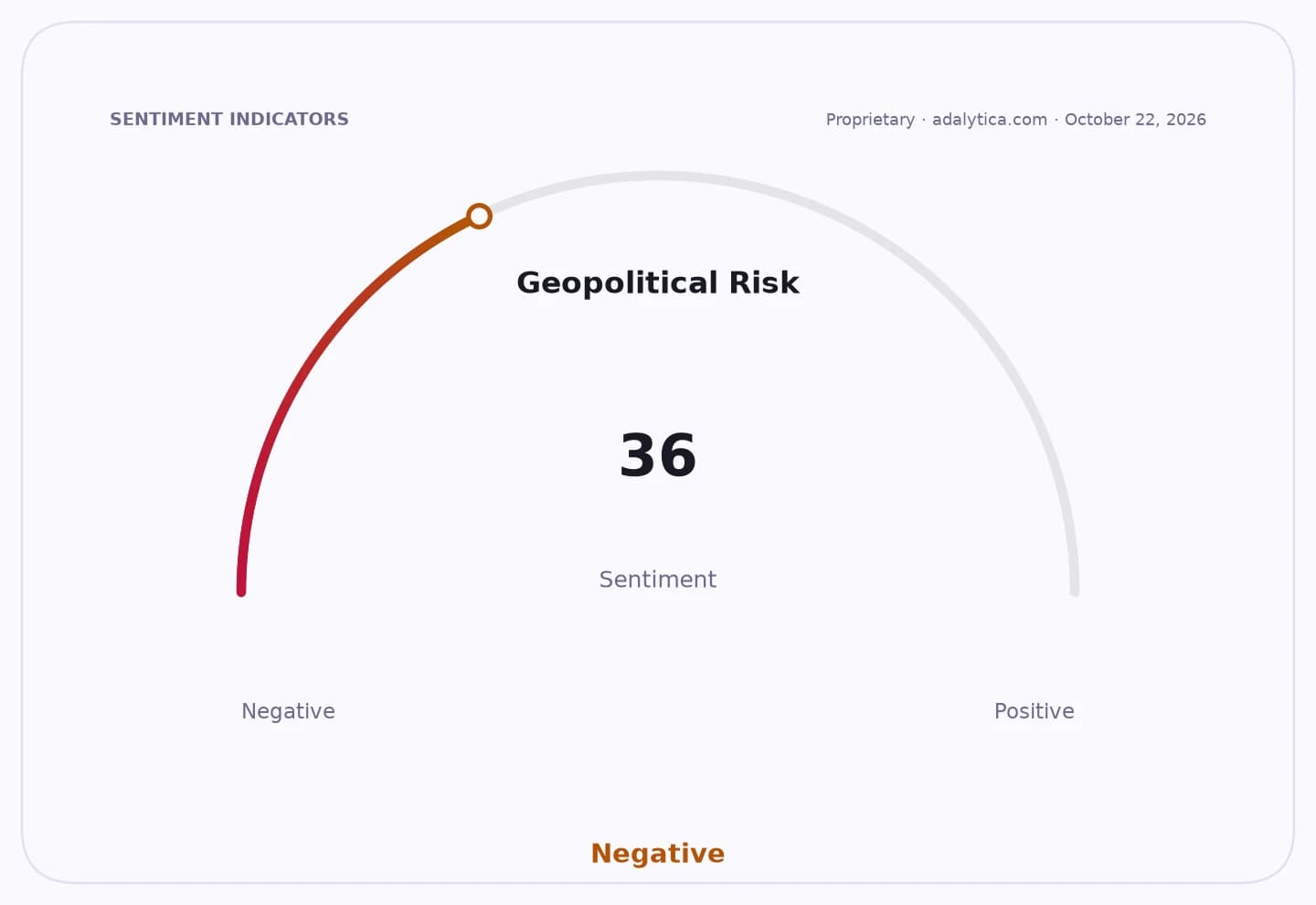
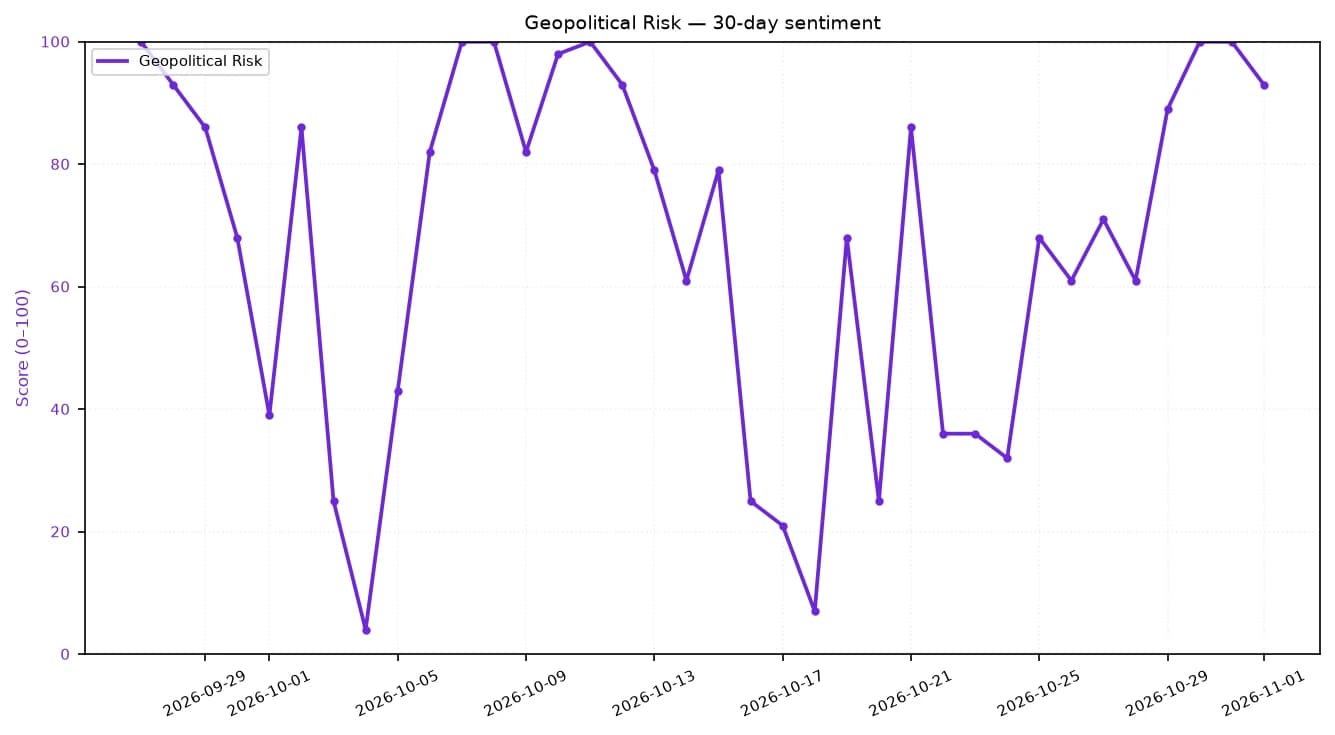
Sentiment Indicators
Zhang entered the plea in downtown Los Angeles and was ordered toward a Nov. 30 trial in federal court in Santa Ana. She faces conspiracy and acting as an unregistered foreign agent charges, and could receive up to 10 years in prison if convicted. Federal investigators said she was arrested at Los Angeles International Airport while preparing to fly to China, suggesting prosecutors believe the alleged activity was part of a broader foreign-directed effort rather than an isolated episode.
For investors, the immediate market impact is limited, but the strategic implications are broader. Cases like this tend to harden U.S. political scrutiny of China-linked activity, complicate any near-term easing in bilateral ties and reinforce the view that Washington will keep leaning on law enforcement, export controls and investment restrictions as part of its China policy toolkit. That matters for sectors exposed to U.S.-China friction, including semiconductors, defense, cybersecurity and any business dependent on cross-border Chinese demand or approvals.
The allegations also intersect with Taiwan’s increasingly fraught security environment. Taiwan’s presidential office called the incident “a classic case of transnational repression,” while President Lai has been raising defense spending and backing new air-defense investments as Beijing intensifies pressure on the island. China’s foreign ministry said it was not aware of the incident and rejected “hyped-up accusations” of China spying.
The case will now test the evidence prosecutors say links Zhang to Chinese officials and to surveillance efforts in the Seattle area, while adding to a growing body of espionage and counterespionage disputes that are likely to keep the U.S.-China relationship politically charged through the end of the year. For markets, the key question is less the court case itself than whether it feeds a wider policy cycle of escalation that keeps strategic decoupling in motion.
| Entity | Gains | Losses |
|---|---|---|
| U.S. prosecutors | ▲Counterintelligence credibility | ▼None immediately |
| Taiwan government | ▲Security narrative support | ▼Exposure of officials’ relatives |
| China | ▲None | ▼Diplomatic scrutiny |
| Investors in defense/cybersecurity | ▲More policy support | ▼Higher geopolitical risk elsewhere |