China’s latest shake-up of provincial party leadership is a reminder that in the world’s second-largest economy, personnel moves are policy moves. By naming new Communist Party chiefs in Anhui, Henan and Fujian, Beijing is signaling that it wants experienced, trusted administrators in place before a round of local party congresses later this year, with a focus on execution, discipline and steadier economic management.
China provincial party reshuffles in Anhui, Henan, Fujian
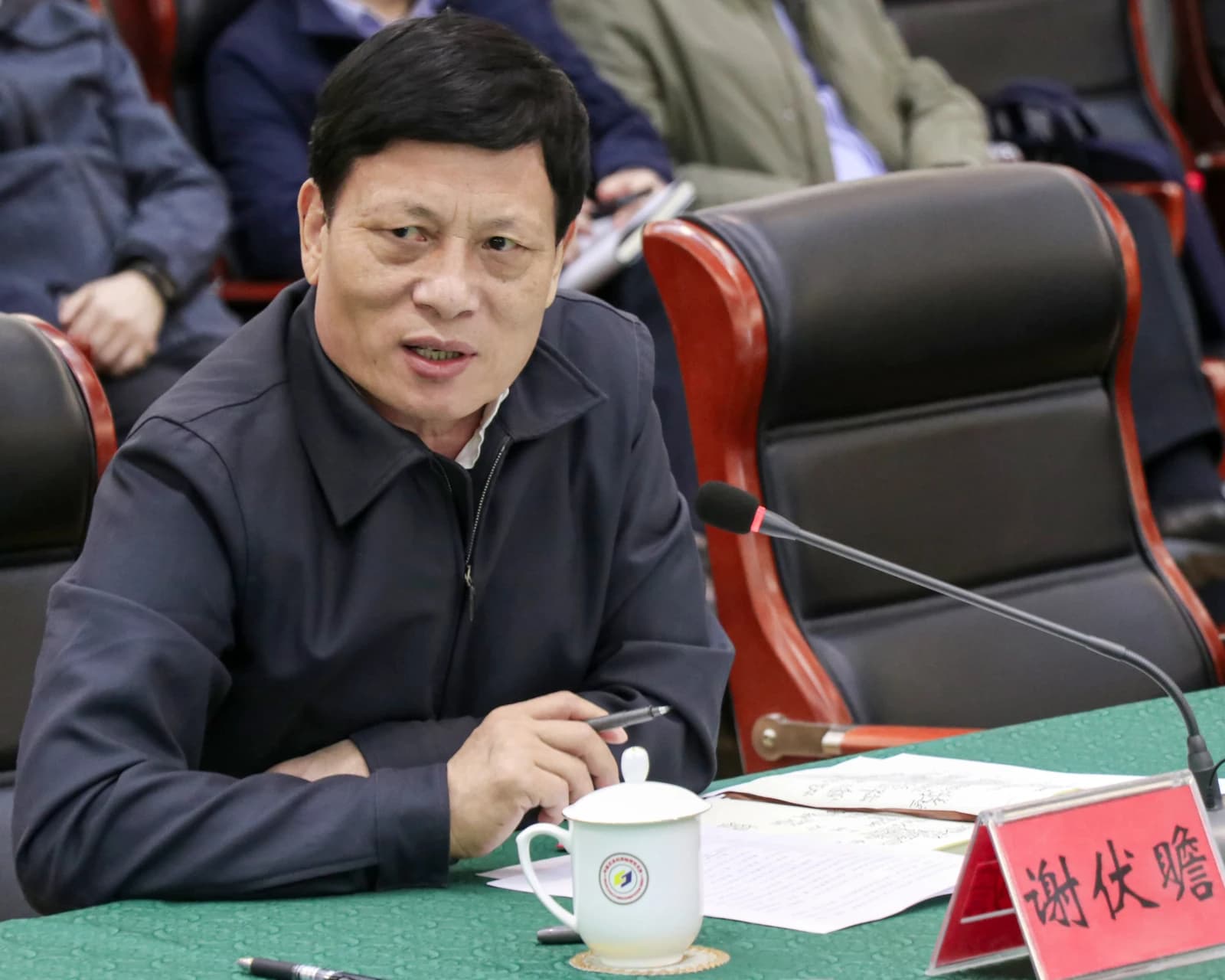
That matters because provincial party secretaries sit at the center of how Beijing’s priorities are carried out on the ground. They influence investment approvals, industrial policy, local fiscal behavior and how aggressively cities and counties chase growth. In a country where regional governments still matter enormously to infrastructure spending, manufacturing supply chains and land development, a change at the top can alter the pace and style of local policy implementation even if the national line does not change.
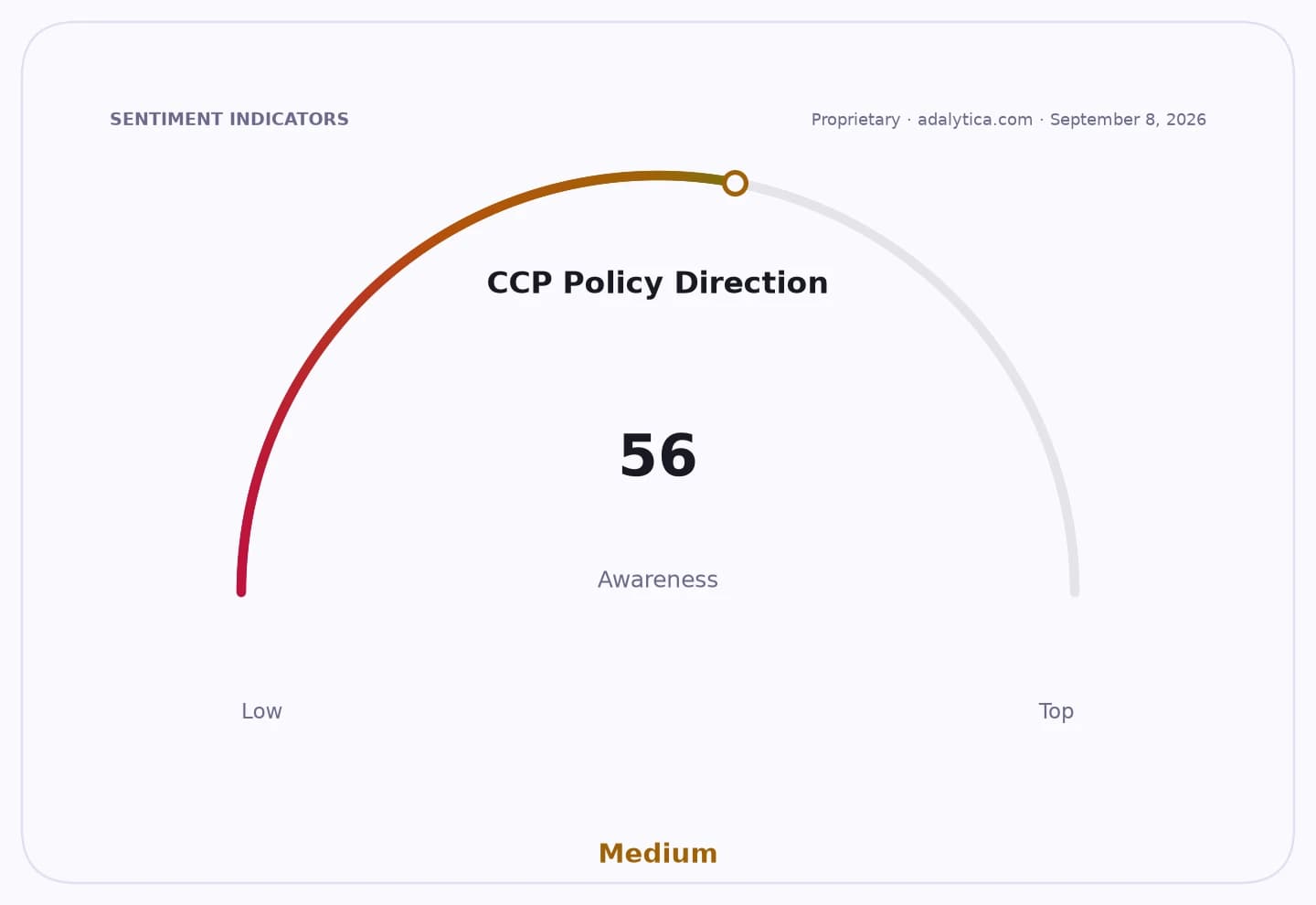
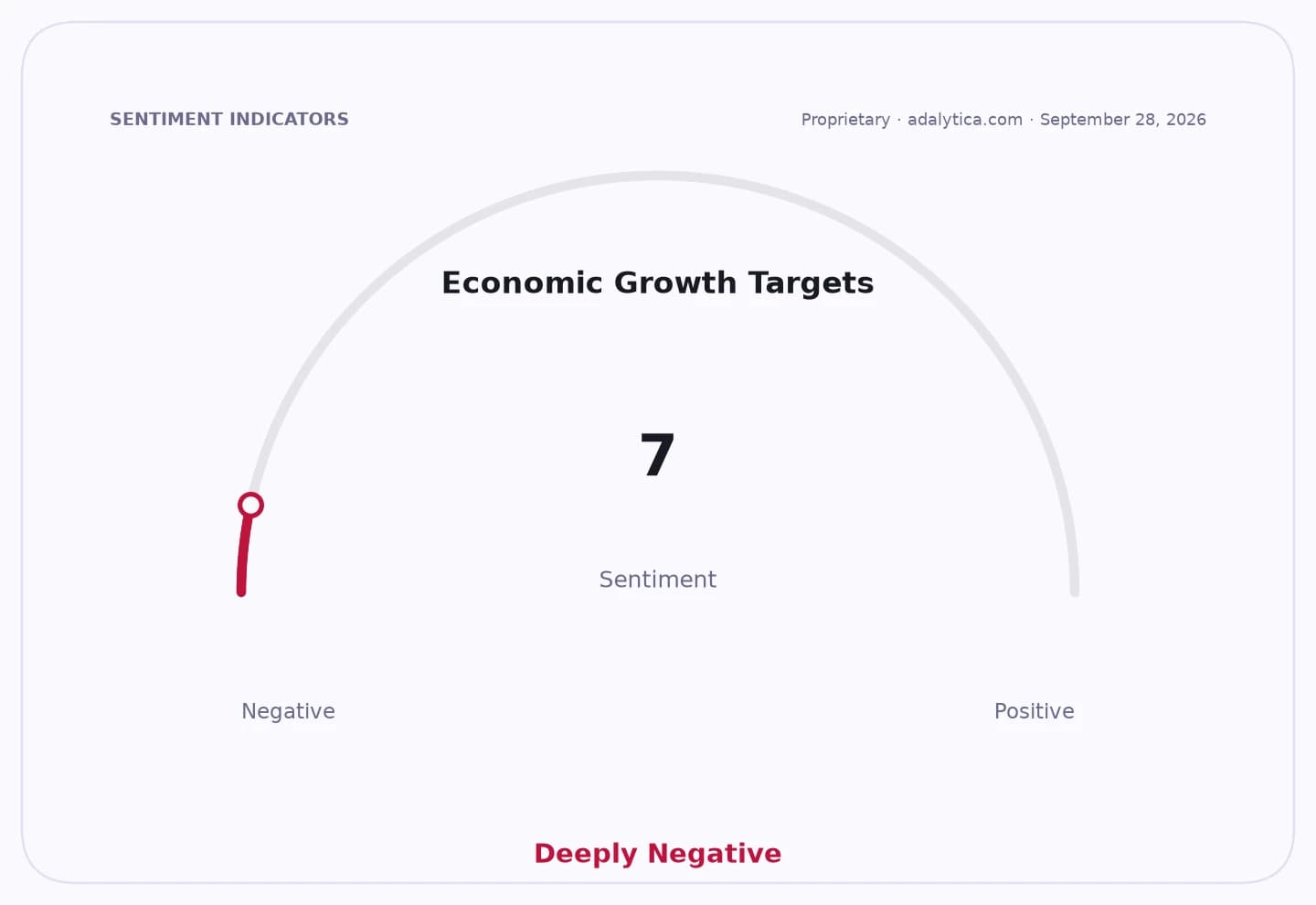
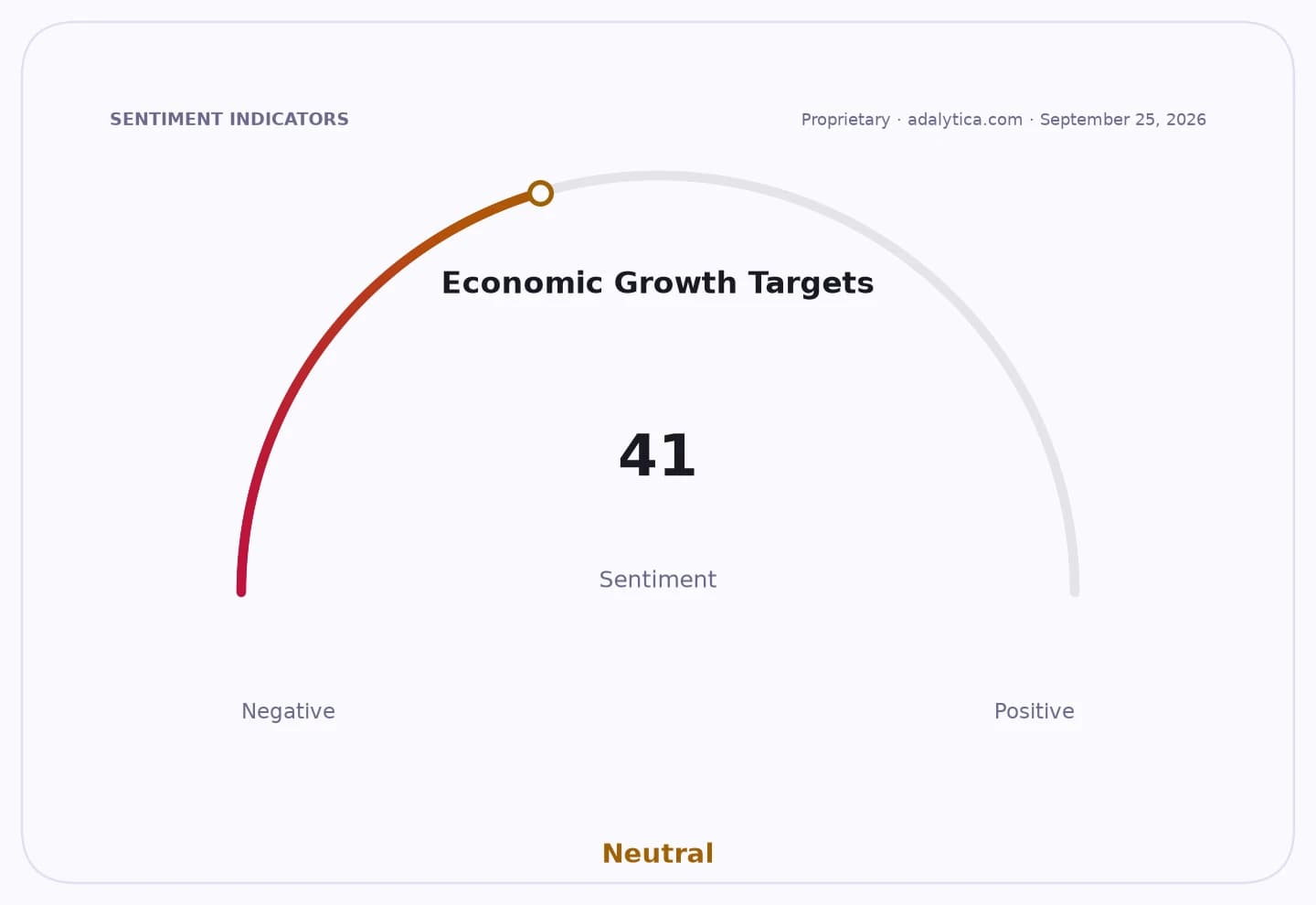
Sentiment IndicatorsⓘProprietary · adalytica.com · September 29, 2026
This is a snapshot — live sentiment, awareness and momentum for 130+ markets update continuously in the dashboard.Open AlphaPulse
The appointments fit a familiar pattern: rotate technocrats, academics and central-government veterans into important regional posts, then ask them to deliver growth without loosening political control. That approach gives Beijing more confidence that local officials will press ahead with economic support measures, debt restraint and administrative discipline while keeping a close eye on social stability. For investors, the key point is that the center is favoring predictability over experimentation.
Anhui, Henan and Fujian are not symbolic provinces. Henan is one of China’s biggest population centers and a major agricultural and industrial base. Anhui has emerged as an important manufacturing and innovation hub. Fujian sits on the coast, with deep trade links and added geopolitical sensitivity because of its proximity to Taiwan. Leadership changes in those places can affect everything from investment promotion and local credit conditions to how quickly priorities such as advanced manufacturing, rural development and fiscal consolidation are pushed through.
The broader backdrop is a national leadership style that continues to privilege control and coordination at a time when China is trying to stabilize growth, manage local-government stress and keep strategic regions aligned with Beijing’s goals. That makes these reshuffles more important than a routine personnel notice. They are part of the machinery that determines how policy is translated into spending, lending and regulation across the country.
For long-term investors, the message is not to read too much into any one appointment, but to recognize the larger pattern: China is reinforcing its command structure in key provinces as it heads into an important political calendar. That tends to support policy continuity and reduce the odds of sudden local drift, but it also means growth will remain heavily managed. The provinces that get steady, competent leadership may be better positioned to secure investment and resources, while those tied to sensitive policy or security priorities could see tighter oversight. Worth watching closely.
| Entity | Gains | Losses |
|---|---|---|
| Beijing | ▲tighter control | ▼policy drift |
| Provincial governments | ▲clearer direction | ▼local autonomy |
| Investors seeking stability | ▲more predictable execution | ▼fewer policy surprises |
| Local officials with weaker networks | ▲little | ▼promotion prospects |