China has officially recognized 11 new professions and 23 new specializations as Beijing moves to formalize jobs created by artificial intelligence, industrial upgrading and demand for higher-end services.
China Recognizes 11 New Professions
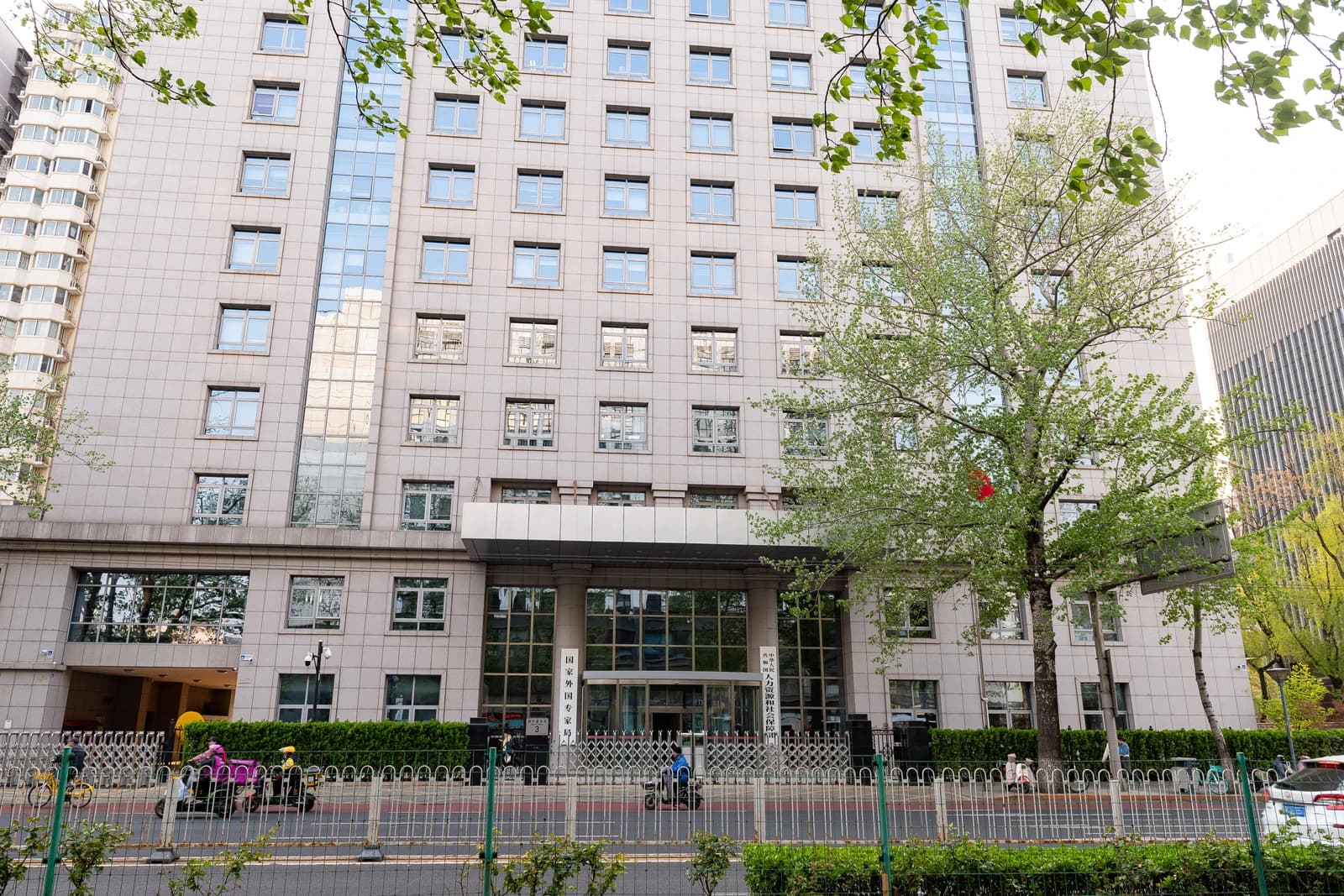
The Ministry of Human Resources and Social Security said the latest list includes roles such as embodied-intelligence robotics technician, ship engineering management technician and sports data analyst, underscoring how China is trying to match its workforce rules to faster-changing factory, digital and consumer sectors. Officials also revised six existing professions, including agricultural product brokers.
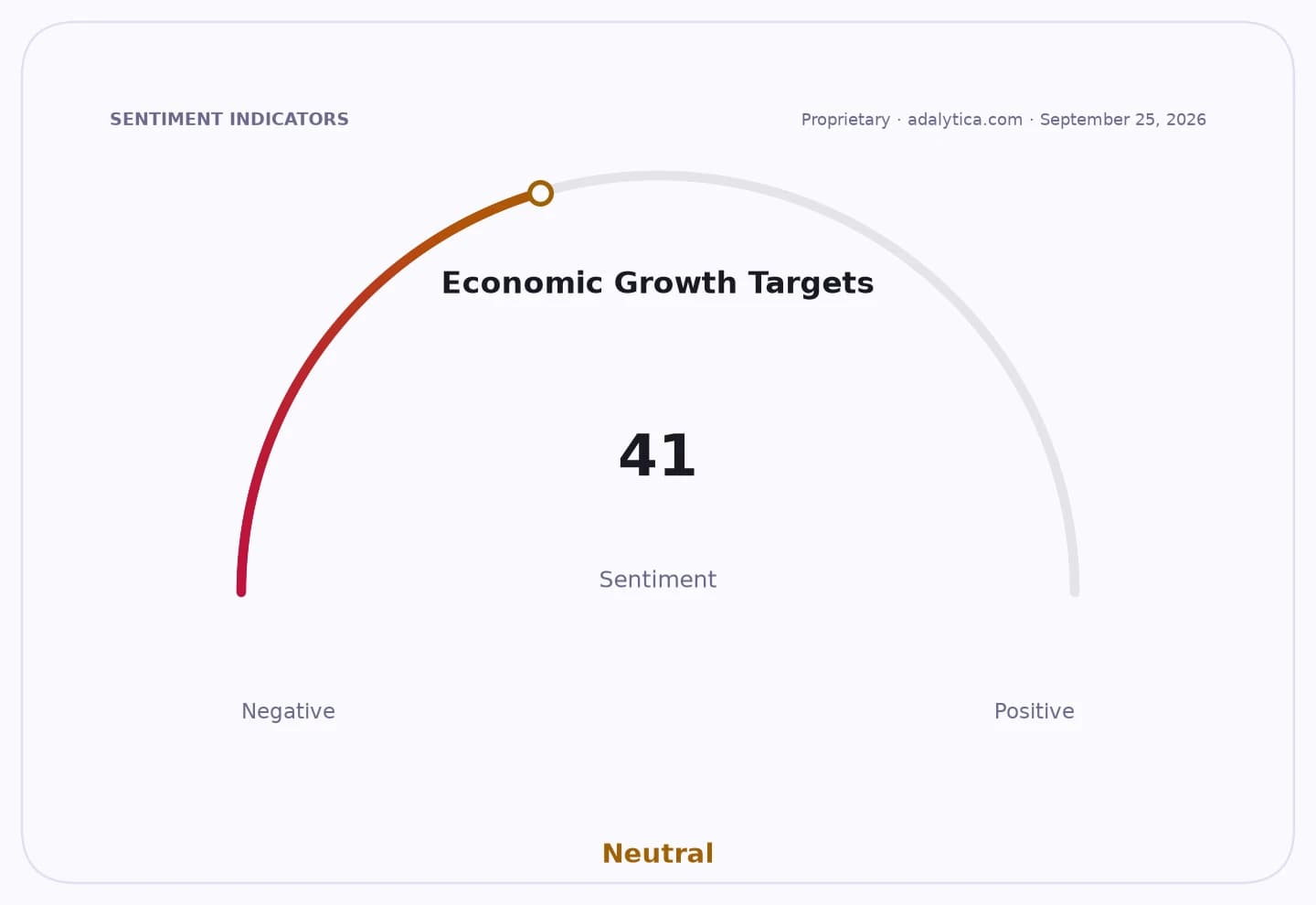
Sentiment IndicatorsⓘProprietary · adalytica.com · September 10, 2026
This is a snapshot — live sentiment, awareness and momentum for 130+ markets update continuously in the dashboard.Open AlphaPulse
The new categories tilt heavily toward China’s policy priorities. Five of the professions are digital roles and three are green jobs, lifting the country’s totals in those two buckets to 113 and 142, respectively. Beijing said the changes also reflect the continued expansion of modern services, from enterprise sustainability planning and AI agent development to drone logistics operations and elderly-friendly space design.
For investors, the significance is not the headline count but what it says about China’s economic transition. By codifying emerging occupations, authorities are signaling where future labor demand, training budgets and licensing standards are likely to flow — into automation, green manufacturing, logistics, healthcare-related services and senior consumption. That matters for companies exposed to labor supply, productivity, wages and the pace of industrial adoption.
The policy move also suggests the government wants to reduce friction as older industries shed workers and newer ones struggle to hire specialized talent. Since 2019, China has recognized 121 new professions in eight waves, and it now plans national standards to guide vocational education, skills training and talent assessment. Over the 2026-2030 five-year plan period, Beijing says it will keep searching for new job opportunities in the digital economy, green economy and silver economy.
That backdrop is relevant for China-focused assets. The FTSE China ETF FXI was down to $34.37 on Sept. 10, while the KraneShares CSI China Internet ETF KWEB fell to $24.50 and the iShares MSCI China ETF MCHI slipped to $52.82, leaving all three below their 200-day moving averages. The weaker technical backdrop shows investors are still cautious on China equities even as policymakers push structural reforms around employment and productivity.
The immediate catalyst now shifts to implementation: national occupational standards, vocational curriculum updates and whether the new roles translate into durable hiring across local governments and private employers. If Beijing can turn recognition into actual training and jobs, it could support consumption and productivity; if not, the changes risk staying mostly administrative.
| Entity | Gains | Losses |
|---|---|---|
| China’s emerging industries | ▲Clearer job definitions | ▼Slower labor formalization |
| Workers and students | ▲New training pathways | ▼Older skill sets |
| Employers in AI, green tech, logistics | ▲Easier hiring and certification | ▼Higher compliance requirements |
| China ETF investors | ▲Policy support for productivity transition | ▼Weak near-term market sentiment |