Chinese researchers have developed a uranium-capturing material that they say pulls the metal from natural seawater at more than eight times a U.S. Department of Energy benchmark, a step that could eventually widen China’s options for securing nuclear fuel as it expands atomic power.
China researchers boost seawater uranium extraction

The result matters because uranium supply is a strategic input for nuclear power, and China’s reactor buildout is raising long-term fuel-security concerns. If the material can be scaled beyond the lab, it could reduce reliance on mined uranium and tighten the link between ocean-based extraction research and the country’s broader energy-security push.
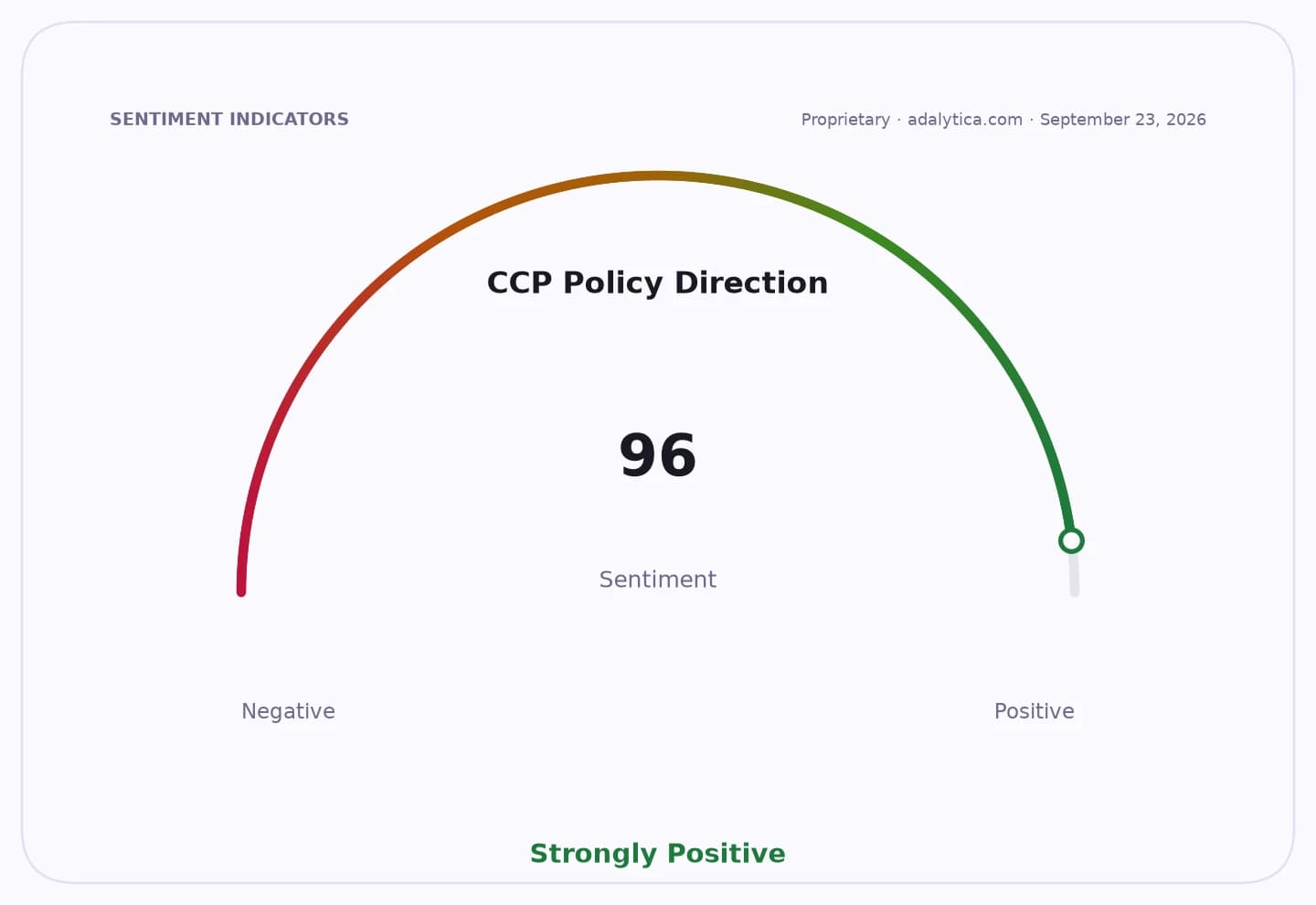
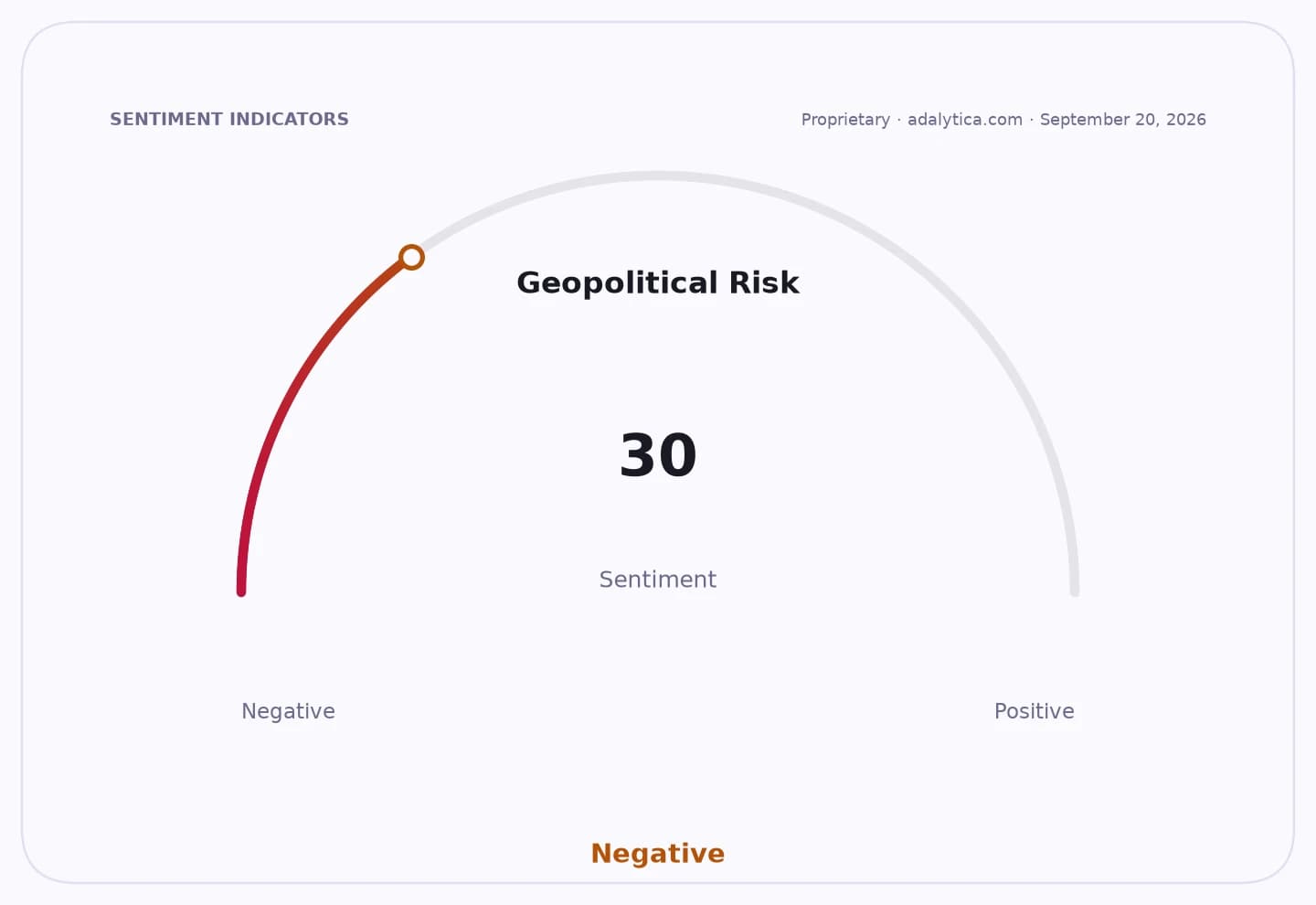
Sentiment IndicatorsⓘProprietary · adalytica.com · September 7, 2026
This is a snapshot — live sentiment, awareness and momentum for 130+ markets update continuously in the dashboard.Open AlphaPulse
The material, PhosCage, was developed at the Qingdao Institute of Bioenergy and Bioprocess Technology under the Chinese Academy of Sciences. In natural seawater tests, it recovered as much as 50.4 milligrams of uranium per gram of material, versus a 6 mg/g DOE benchmark over 30 days, or about 8.4 times the U.S. reference level.
Researchers said the material reached adsorption equilibrium in about five minutes in laboratory conditions, a sign of fast binding that could matter in any future commercial process. They also converted it into reusable composite beads, called AC-POC, to make it more practical for deployment in marine environments.
Those beads achieved a dynamic uranium extraction capacity of 22.55 mg per gram after 15 days in natural seawater, or about 3.8 times the DOE benchmark, while their surface chemistry also helped limit microbial attachment and biofilm formation. That is important because fouling has long been one of the biggest obstacles to extracting uranium from seawater at scale.
The economic challenge remains steep. Seawater contains an estimated 4.5 billion tonnes of uranium, but the concentration is extremely low, meaning any commercial system would have to move enormous volumes of water while keeping energy use, material costs and recovery efficiency under control. A lab result alone does not make ocean-scale extraction viable.
For investors, the work reinforces the long-term bull case around uranium as a strategic resource, even if the technology is years from commercial use. It supports the broader theme that nuclear fuel security is becoming a policy and capital-allocation priority in China and elsewhere, with implications for miners, fuel-cycle companies and nuclear operators if alternative supply methods begin to look credible.
The research also comes against a backdrop of tighter scrutiny around nuclear materials and rising geopolitical stress around uranium supplies. But the immediate market impact is likely limited: the material still needs to prove durability, cost efficiency and recovery performance in real marine conditions before it can move from promising science to an investable fuel source.
| Entity | Gains | Losses |
|---|---|---|
| China’s nuclear sector | ▲Better long-term fuel security | ▼Less reliance on mined supply |
| Uranium miners | ▲Strategic interest in uranium rises | ▼Ocean-based supply could cap demand growth |
| Nuclear fuel developers | ▲New extraction technology validation | ▼Pressure to prove commercial scale-up |
| U.S. benchmark/DOE standard | ▲— | ▼Outperformed as technical reference |