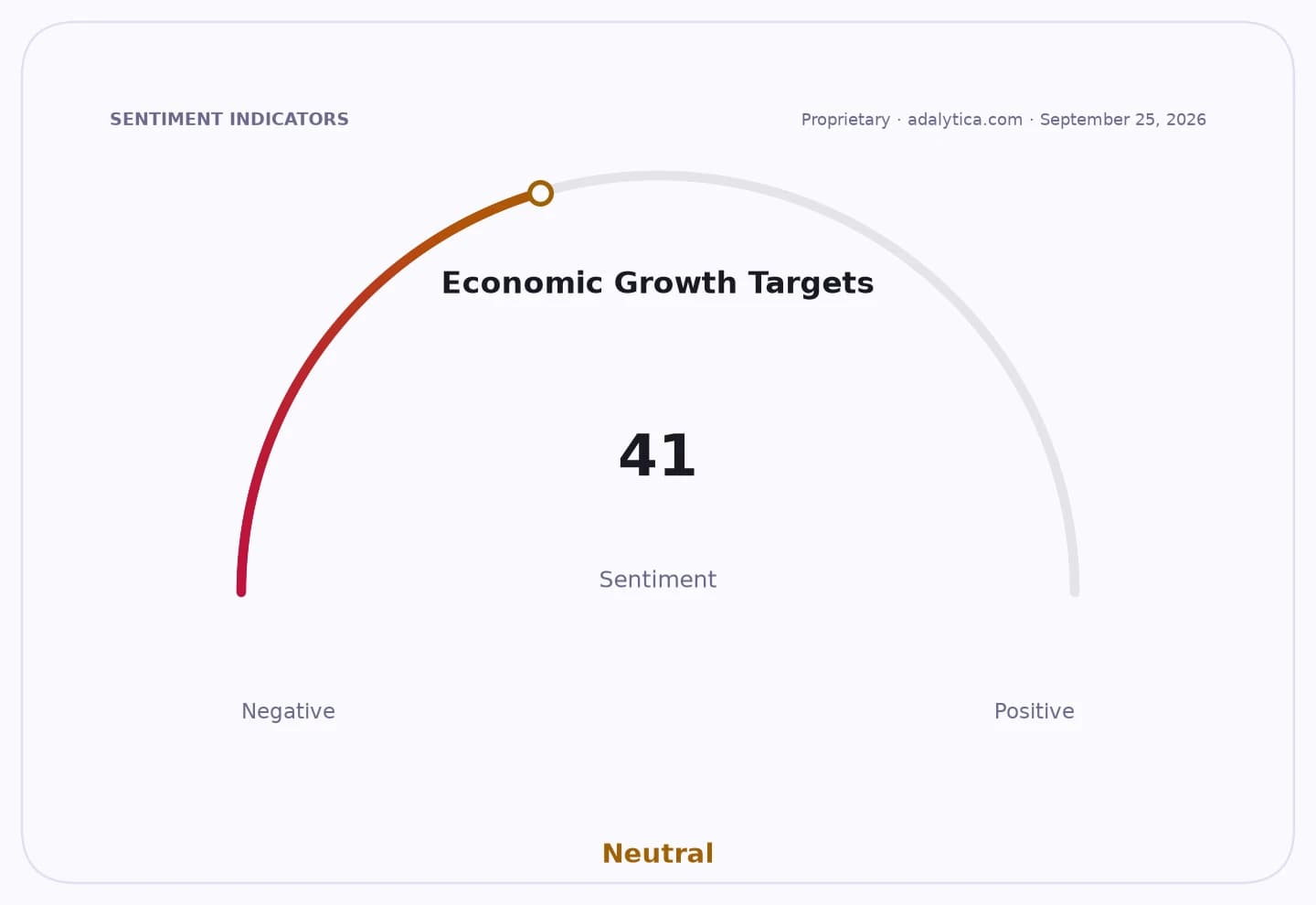
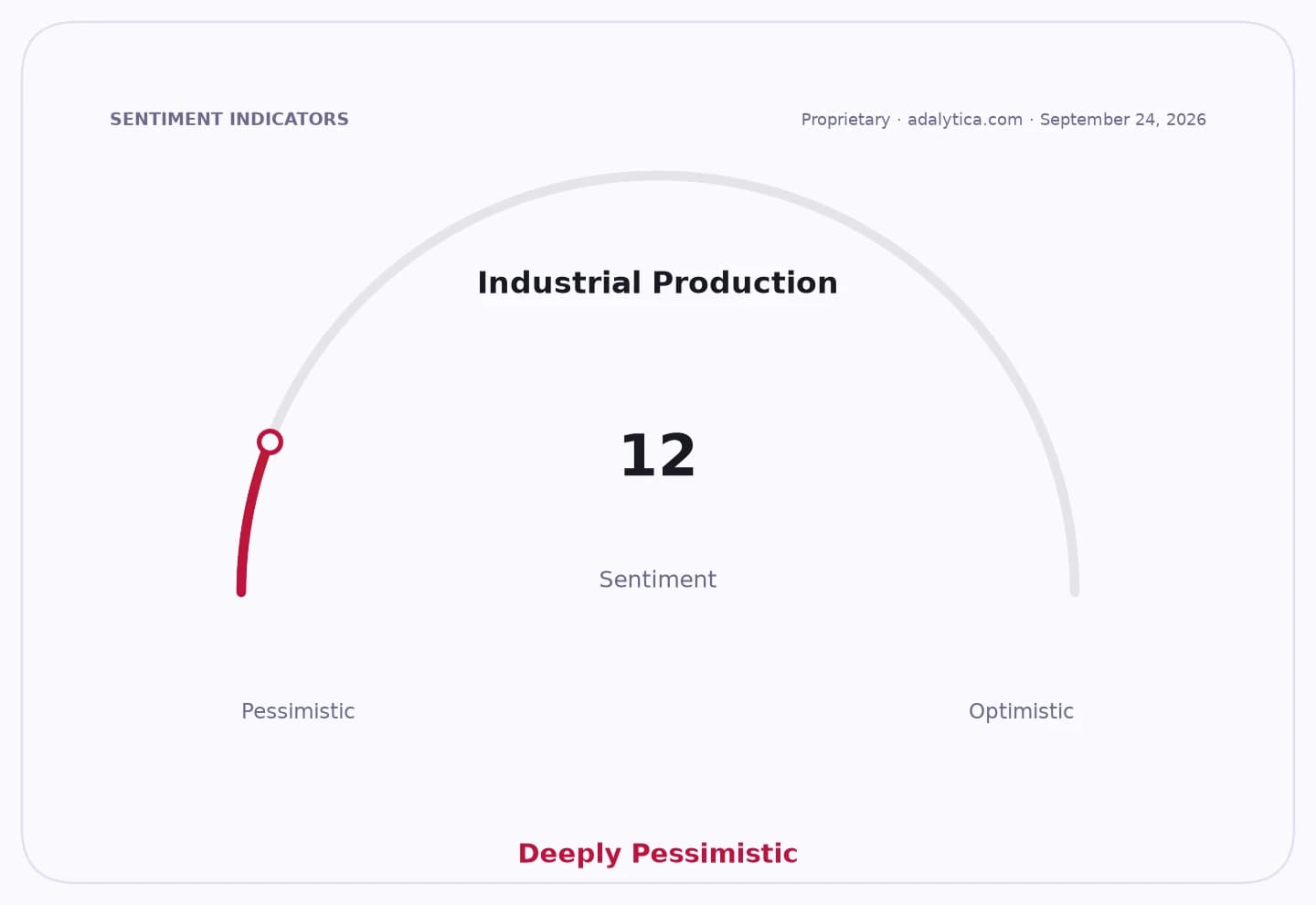
China’s stock market slipped as investors stayed on the sidelines ahead of a key run of economic data, underscoring how much the next few releases could shape the outlook for the country’s recovery and for assets tied to it.
China stocks fall ahead of trade and inflation data

The Shanghai Composite closed down 11.97 points, or 0.30%, at 3,930.12, trimming its weekly gain to a modest loss. That kind of move may look small, but it reflects a bigger market truth: when investors are not convinced the recovery is durable, they delay adding risk until the numbers tell them whether demand, prices and trade are actually improving.
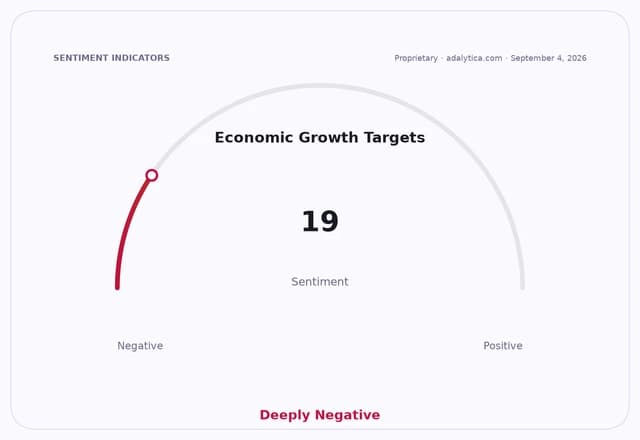
Sentiment IndicatorsⓘProprietary · adalytica.com · September 4, 2026
This is a snapshot — live sentiment, awareness and momentum for 130+ markets update continuously in the dashboard.Open AlphaPulse

That hesitation matters for the real economy as well as for portfolios. Equity markets are trying to price whether China can turn a recent improvement in purchasing managers’ surveys into something more lasting. Investors are weighing better momentum against worries about weak domestic demand and the broader growth backdrop, which is why they are treating incoming data as a gatekeeper rather than a footnote.
The market’s tone also showed up in the laggards. Semiconductor and electronics names such as Cambricon Technologies, SMIC, NAURA Technology, Luxshare Precision Industry, Shennan Circuit and WUS Printed Circuit all fell, suggesting traders were reluctant to chase the parts of the market that usually lead when confidence is strong. In other words, the market was not paying up for cyclicals and technology exposure until there is clearer evidence that business activity is broadening.
Economic Growth Targets vs ASHRadalytica.com
Explore this data interactively — full history, time series and cross-market comparisons.Open AlphaPulse
The next catalyst is straightforward: August trade data on Tuesday, followed by consumer and producer inflation on Wednesday. Those releases will help investors judge whether China’s economy is merely stabilizing or actually gaining traction. A stronger import and export picture would support the case for a firmer recovery, while weak inflation would reinforce the view that domestic demand remains soft and that policymakers may need to stay supportive.
For long-term investors, this is less about a single down day than about the balance between patience and proof. China-linked funds and shares can move sharply when confidence returns, but they can also drift when the market is waiting for evidence. Until the data confirm a better growth trend, the prudent approach is to stay selective, keep expectations grounded and use pullbacks to build positions only in the names and funds with the strongest balance sheets and the clearest secular advantages.
| Entity | Gains | Losses |
|---|---|---|
| Patient buyers | ▲Better entry points | ▼Missed short-term upside |
| Existing holders | ▲Long-term recovery optionality | ▼Near-term price pressure |
| Exporters and industrial firms | ▲Stronger trade data if it improves | ▼Weak demand if data disappoint |
| China bulls | ▲Confirmation of a real rebound | ▼Continued uncertainty before data |