China is extending tariffs on U.S. propyl alcohol imports for another five years, locking in duties of 34.2% to 37.7% through November 2031 and preserving a politically sensitive trade barrier even as Washington and Beijing try to stabilize ties.
China extends tariffs on U.S. propyl alcohol
The decision matters because it keeps pressure on a niche but strategically useful chemical used in food packaging inks, pharmaceuticals and lithium battery electrolytes, while reinforcing the view that the U.S.-China trade truce remains partial and fragile. It also shows Beijing is willing to use trade remedies selectively even after both sides agreed in September to ease parts of their tariff war.
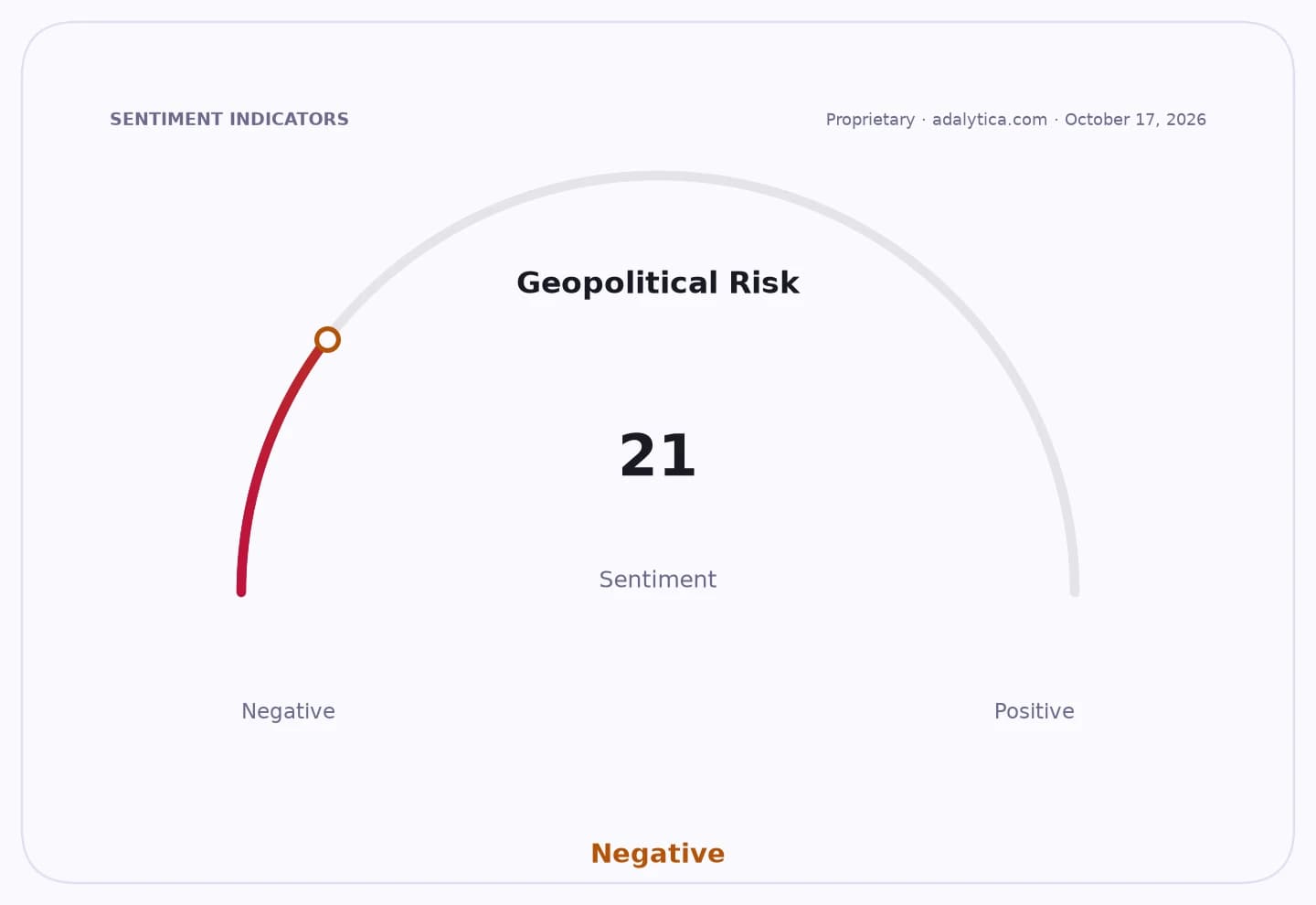
Sentiment Indicators
China said the move follows a yearlong investigation requested by domestic industry into alleged U.S. subsidies and injury to Chinese producers. The ministry of commerce said propyl alcohol, also known as n-propanol, is used as a solvent in food packaging inks and as a pharmaceutical precursor, while one of its key derivatives, n-propyl acetate, is an important component in lithium battery electrolytes used in electric vehicles.
For investors, the extension adds another layer of uncertainty to chemical trade flows and to companies exposed to cross-border industrial supply chains. Shares of DuPont de Nemours, International Flavors & Fragrances and Dow have all been volatile in recent months, with IFF trading at $83.17, below its 50-day moving average of $86.85, and Dow at $30.96, also under its 50-day and 200-day averages. Linde has been stronger, closing at $521.78 and sitting above both its 50-day and 200-day moving averages.
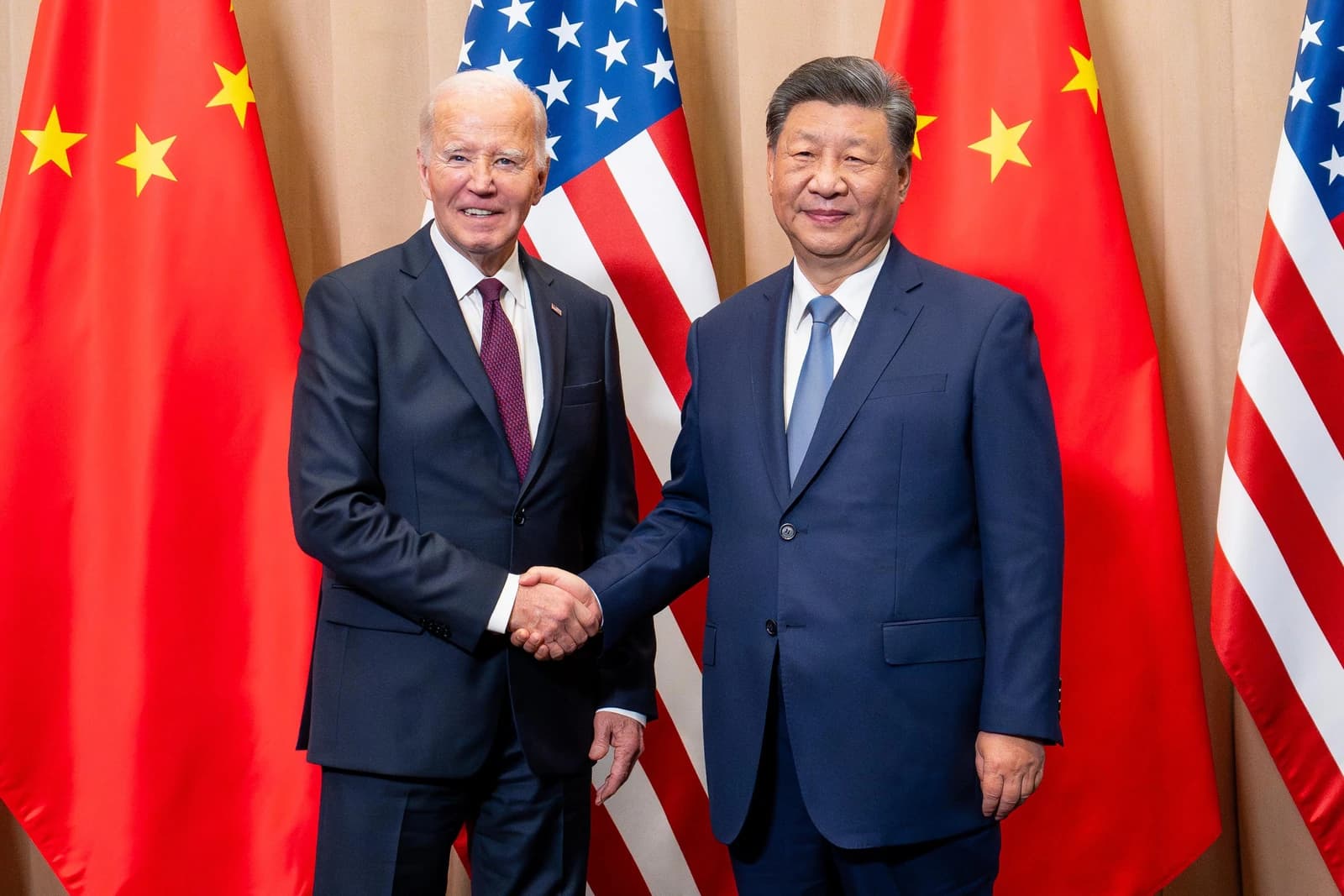
The ruling also lands against a backdrop of easing but unresolved trade tensions. The two countries agreed in September to reciprocal tariff reductions on about $30 billion of goods and created a joint committee to seek negotiated solutions, but China’s move shows that even as both governments look for a broader accommodation, specific sectors remain vulnerable to retaliation and industrial policy.
With tariff negotiations still open and the next round of U.S.-China trade talks likely to focus on broader industrial and agricultural issues, chemical names tied to China demand and battery supply chains are likely to stay sensitive to any sign the truce is widening or fraying.
| Entity | Gains | Losses |
|---|---|---|
| Chinese domestic chemical makers | ▲Protected pricing | ▼U.S. import competition |
| U.S. propyl alcohol exporters | ▲— | ▼Five more years of duties |
| IFF, Dow, DuPont | ▲Limited upside from easing trade | ▼Policy uncertainty and demand risk |
| EV battery supply chain | ▲Domestic sourcing support | ▼Higher input costs for imports |