China is widening its trade dispute with the European Union, opening two new anti-dumping investigations that could raise costs for European chemical exporters and further harden a relationship already strained by tariffs, subsidies and industrial policy clashes.
China opens anti-dumping probes into EU chemicals
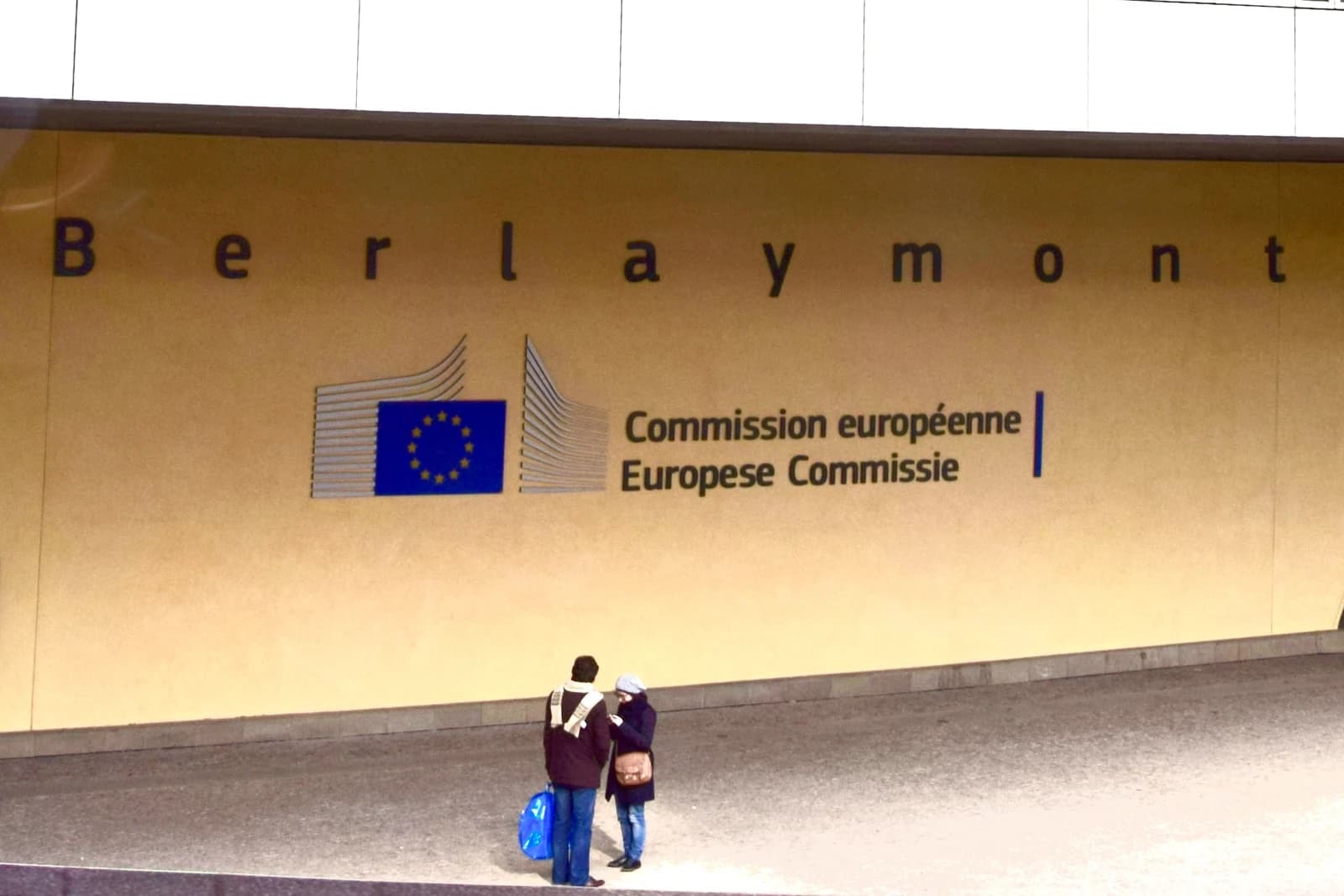
The Commerce Ministry said it launched probes into para-aramid synthetic fiber and ethylidene norbornene imports from the EU after complaints from domestic industries. The move follows an earlier October investigation into p-nitrotoluene from the bloc, signaling that Beijing is prepared to use trade remedies as a negotiating lever rather than letting tensions settle.
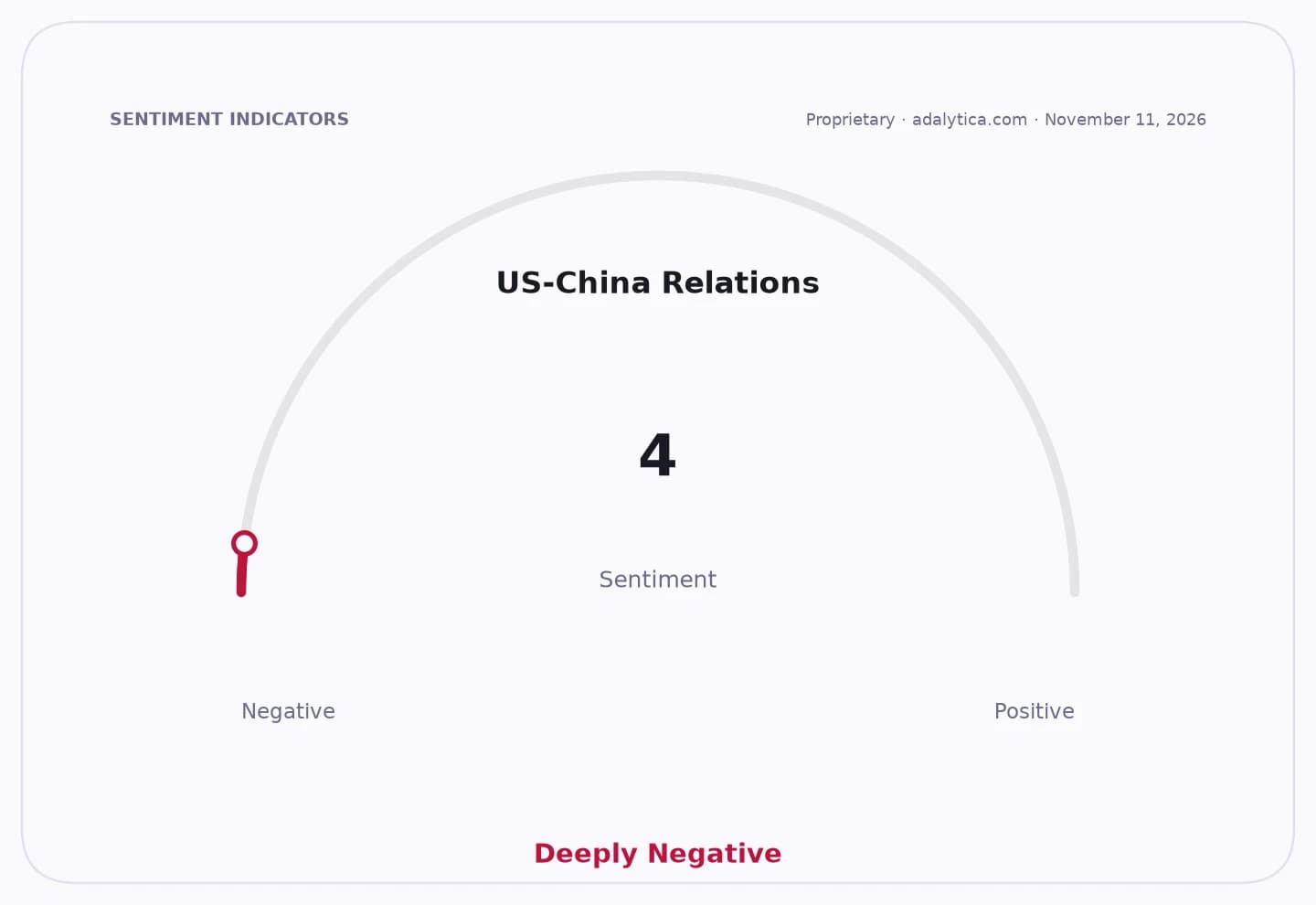
Sentiment Indicators
That matters because these are not symbolic products. Para-aramid is used in autos, fiber-optic cable and ballistic protection, while ethylidene norbornene is a key input for synthetic rubber used in construction, vehicles and plastics. If duties eventually follow, European suppliers could lose market share in China, while local producers gain pricing power and volume.
For investors, the immediate read-through is twofold: more policy risk for European specialty chemical makers with China exposure, and more support for domestic Chinese substitutes if import barriers rise. The market is already pricing in a more confrontational backdrop. Adalytica’s U.S.-China relations sentiment sits at 7, or “Extreme Fear,” underscoring how quickly trade headlines can alter risk appetite even when broader market conditions look stable.
The broader narrative is that Beijing is escalating the trade response at a time when Europe is also pushing back on Chinese exports in sectors such as electric vehicles and green tech. That raises the odds of a tit-for-tat cycle in which both sides keep reaching for anti-dumping tools instead of compromise.
That is why this story matters beyond the chemicals involved. Trade friction is becoming a structural input cost for global manufacturers, and companies with diversified sourcing, local production or pricing power will be the ones best positioned if the dispute widens. For investors, the better trade is not to chase the headline reaction, but to own the suppliers, domestic producers and logistics players that benefit when barriers rise.
| Entity | Gains | Losses |
|---|---|---|
| Chinese domestic chemical producers | ▲Less import competition | ▼Higher policy scrutiny |
| EU chemical exporters | ▲Access to China market | ▼Potential anti-dumping duties |
| Global manufacturers | ▲Short-term supply flexibility | ▼Higher input costs |
| Investors in local substitutes | ▲Relative pricing tailwind | ▼EU trade-exposed names |