China is getting more aggressive about taxing profits from overseas investments, and that matters because Beijing is trying to widen the tax net just as a property slump and weaker public finances leave it hunting for new revenue. For investors, the message is clear: offshore gains are no longer being treated as out of sight, and the cost of parking wealth outside the country may be rising.
China Taxs Offshore Investment Profits More Aggressively

The policy shift is economically important because China’s government is under pressure. Revenue has been soft, spending has been heavy and local finances are still strained by the long housing downturn. In that environment, tax officials have strong incentives to squeeze more out of capital gains, dividends and other foreign income that were once easy to underreport. The 20% levy on offshore trading profits is not a new law so much as a harder line on an old rule — one that is now far easier to enforce.
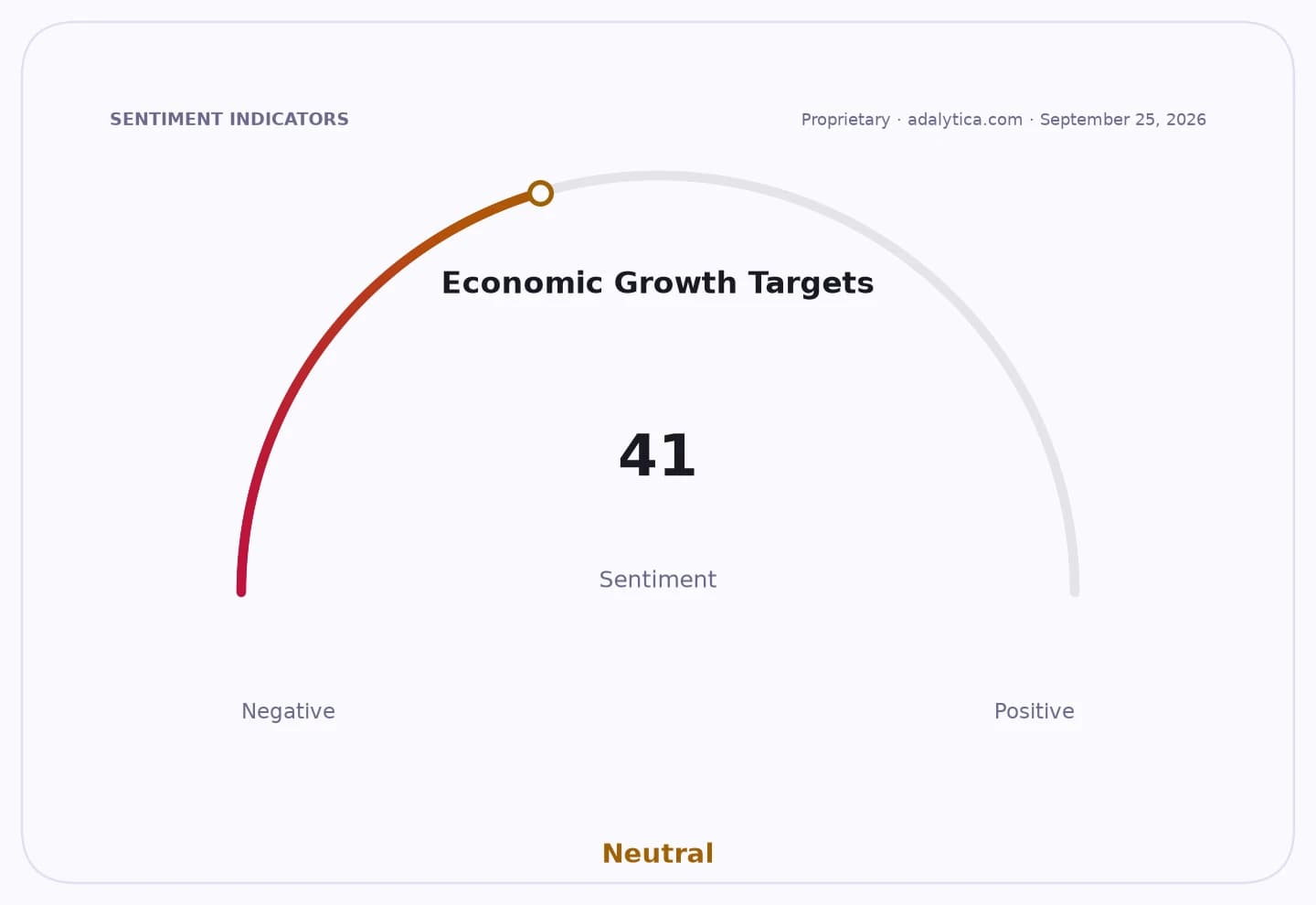
Sentiment IndicatorsⓘProprietary · adalytica.com · September 8, 2026
This is a snapshot — live sentiment, awareness and momentum for 130+ markets update continuously in the dashboard.Open AlphaPulse

What changed is the machinery. Since joining the OECD’s Common Reporting Standard in 2018, China has gained access to much better cross-border data sharing, giving tax authorities a clearer view of residents trading U.S. and Hong Kong shares. That has already led officials in major financial centers such as Beijing, Shanghai and Zhejiang to contact individuals over undeclared overseas income. The enforcement push now extends beyond the ultra-wealthy, with some investors facing back taxes and penalties even on relatively modest holdings.
For markets, the timing matters. More mainland money has been flowing into Hong Kong stocks, and China’s financial assets are still expected to grow sharply over the coming years. That makes offshore investment a bigger source of potential tax revenue — and a bigger point of friction. If investors conclude that foreign accounts and overseas brokerage activity are drawing more scrutiny, some may keep more money at home. Others may simply pull back from investing altogether, which is the last thing Beijing wants as it tries to stabilize growth.

This is where the long-term investing story gets interesting. China still wants households to participate more in capital markets and build wealth, but it also wants to police gains more tightly and support Xi Jinping’s “common prosperity” agenda. Those goals do not always sit comfortably together. A tougher tax regime may help balance the books, but it can also dent confidence, especially among families and advisers who are already rethinking how much financial information brokers share with authorities.
Investors should read this as part fiscal necessity, part structural shift. China is moving toward a more data-driven, more intrusive tax system, and that is likely to stay. For holders of China-related assets, including U.S.-listed funds that track the market, the broader implication is not a one-day trading catalyst but a reminder that policy risk remains real and can shape capital flows for years. Long term, the winners are likely to be the tax authorities and the state budget; the losers are investors counting on offshore gains staying lightly touched.
| Entity | Gains | Losses |
|---|---|---|
| China government | ▲More tax revenue | ▼Less tolerance for evasion |
| Mainland investors | ▲Better rule clarity | ▼Higher taxes and penalties |
| Brokers/advisers | ▲More demand for guidance | ▼More compliance burden |
| Offshore asset holders | ▲Potentially safer compliance | ▼Lower after-tax returns |