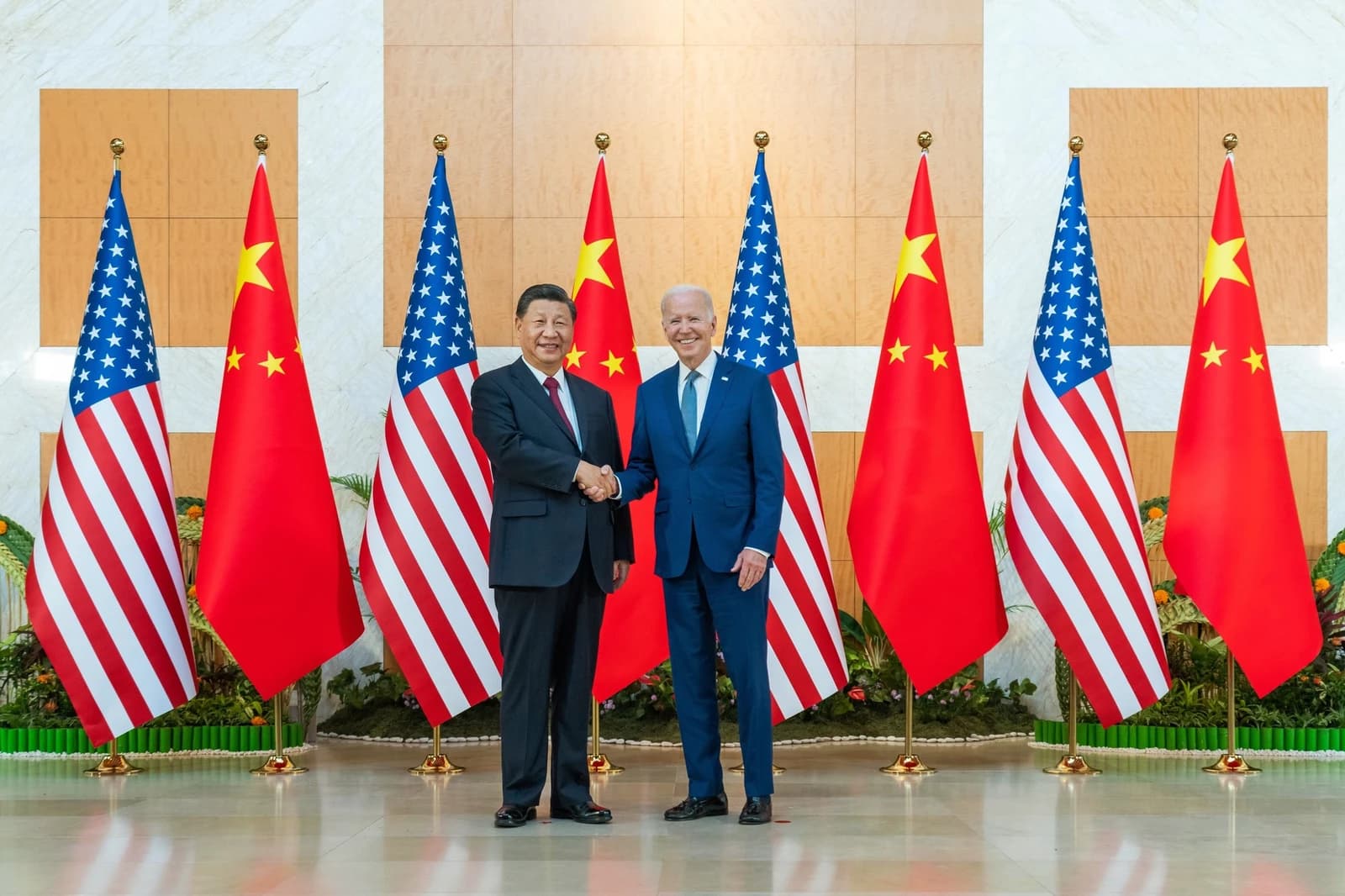
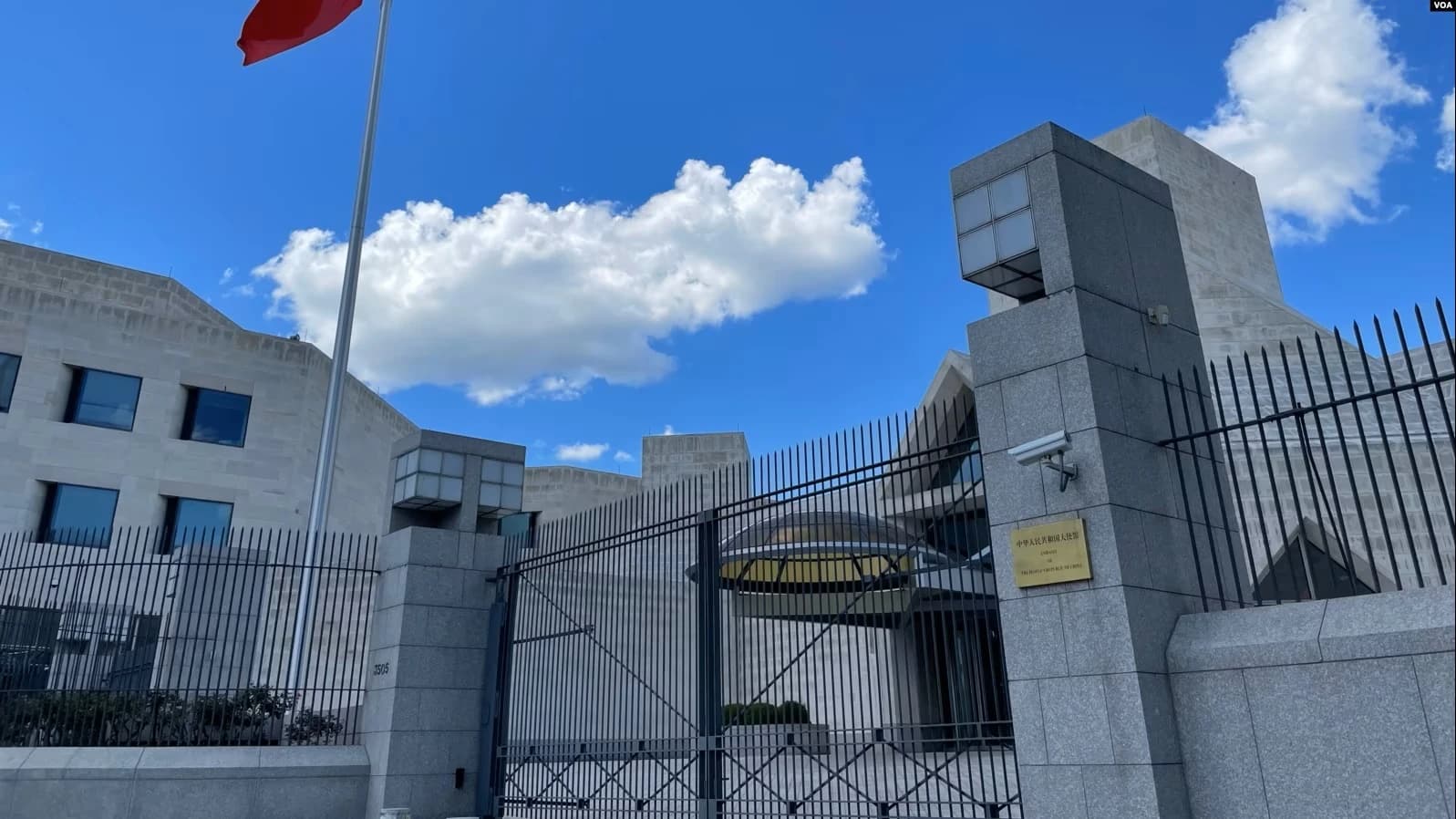
China’s foreign ministry is pushing back against Washington’s criticism and wants the U.S. to stop what it calls “groundless accusations” — a reminder that the world’s two biggest economies are still nowhere near a stable reset. For investors, that matters because every flare-up in U.S.-China relations can ripple through supply chains, tariffs, technology controls and the risk premium on anything tied to China, from exporters to broad market ETFs.
China-US Tensions Pressure FXI and Boost UUP
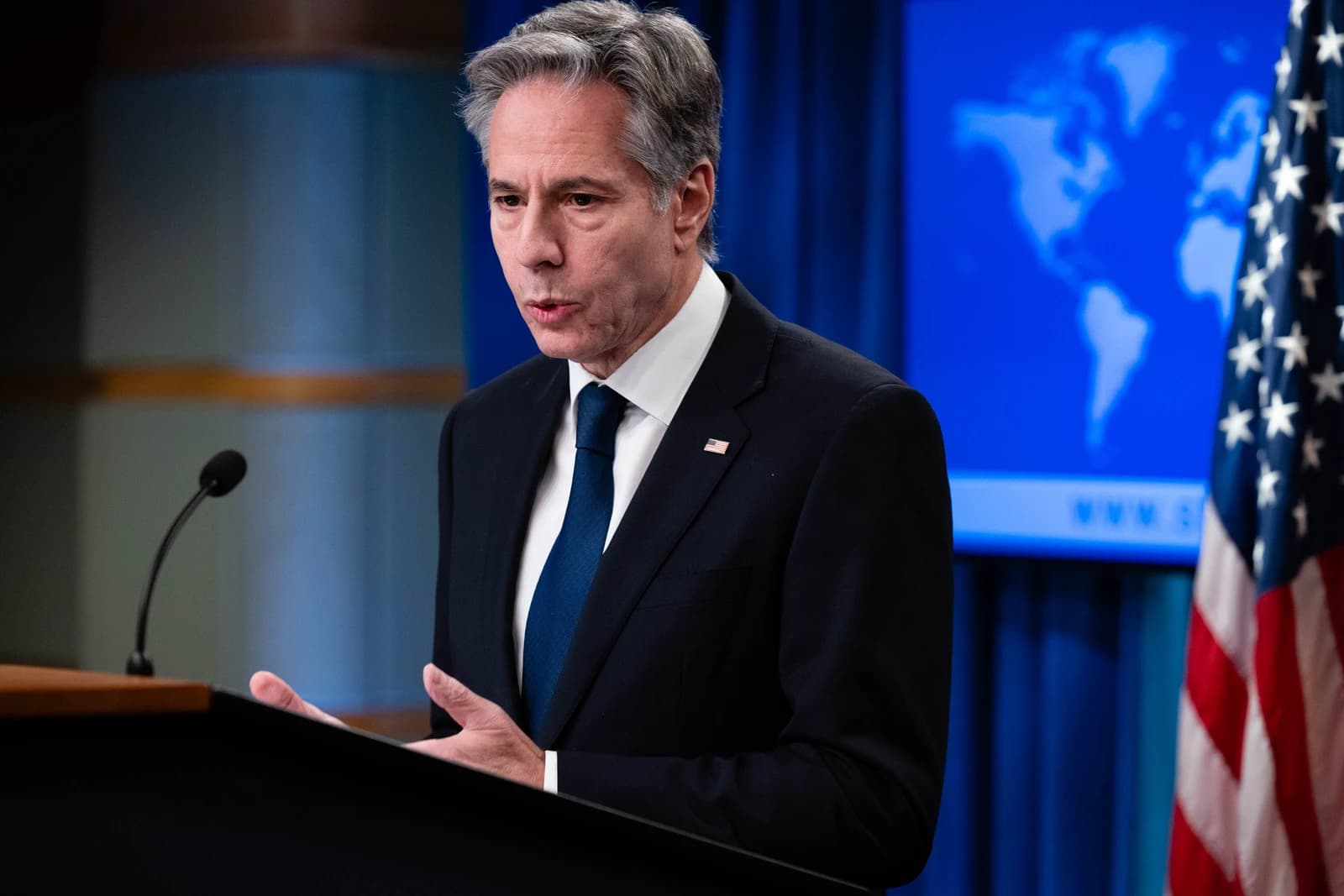
The latest comments came from foreign ministry spokesperson Mao Ning, who said China’s artificial intelligence progress was achieved through its own efforts and open cooperation, and urged both sides to strengthen collaboration in AI rather than trade accusations. That sounds diplomatic, but it sits inside a much less comforting backdrop: sanctions on U.S. companies, pressure around Taiwan and a broader deterioration in ties that keeps businesses guessing about access, regulation and future growth.
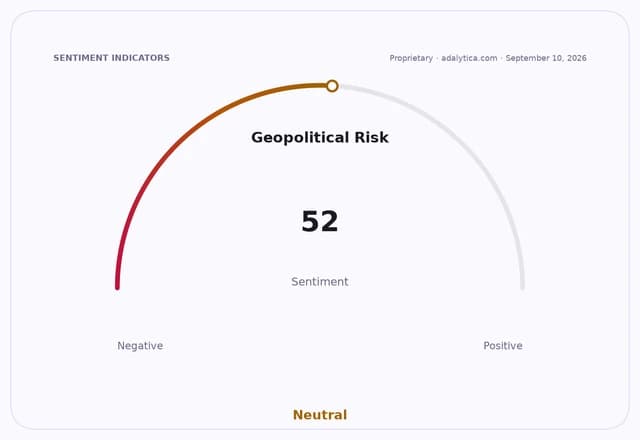
Sentiment IndicatorsⓘProprietary · adalytica.com · September 10, 2026
This is a snapshot — live sentiment, awareness and momentum for 130+ markets update continuously in the dashboard.Open AlphaPulse
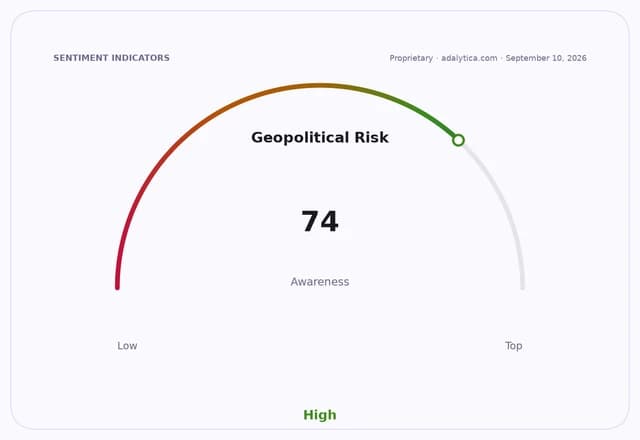
That uncertainty is already visible in markets. The iShares China Large-Cap ETF, FXI, has slipped to about $34.47, below its 200-day moving average of $36.41, while its relative strength index has dropped to 33.5, a level that suggests the fund has lost momentum. The Invesco DB U.S. Dollar Index Bullish Fund, UUP, has held around $28.00 and remains above its 200-day moving average, reflecting the market’s preference for safety when geopolitics gets noisy. In plain English: when U.S.-China tensions rise, investors often gravitate toward the dollar and shy away from China-sensitive assets.
The economic significance goes well beyond one statement. AI is becoming a strategic industry, not just a technology story, because it touches productivity, cloud spending, semiconductors, data centers and national security. If Beijing and Washington keep talking past each other, companies on both sides face higher compliance costs and slower decision-making. That can delay investment, dampen cross-border sales and make it harder for multinational firms to plan with confidence.
Geopolitical Risk vs FXIadalytica.com
Explore this data interactively — full history, time series and cross-market comparisons.Open AlphaPulse
For long-term investors, the key question is not whether this dispute disappears tomorrow — it probably won’t — but which businesses can keep compounding through it. Companies with pricing power, diversified supply chains and less direct reliance on bilateral goodwill are better positioned than those exposed to tariffs, sanctions or export controls. For broad-market investors, this is another reason to stay diversified and think in years, not headlines.
There is still room for diplomacy, and both sides have incentives to avoid a full economic break. But until the rhetoric cools and the policy direction becomes clearer, U.S.-China friction remains a headwind for sentiment and a tail risk for global growth. Investors should keep it on the watchlist, not because it is a trading signal, but because it shapes the rules of the game for entire industries.
| Entity | Gains | Losses |
|---|---|---|
| U.S. dollar holders | ▲Safe-haven demand | ▼ |
| China-sensitive stocks, including FXI | ▲ | ▼Valuation pressure |
| Multinational exporters | ▲ | ▼Higher policy risk |
| AI investors with diversified supply chains | ▲Long-term upside | ▼Short-term volatility |